

 |
| Easter Friday |

from teacher friends, and reading comments on Facebook, to know that all is not well.

themselves not that confident and are easily convinced to take on board any number of math schemes but sadly our position on International Tables has steadily fallen.
 |
| Jo Boaler |
attitudes towards maths – or any learning area. For too long schools have focussed on achievement and one dimensional programmes and this has resulted in an obsessive and exhausting assessment and documentation regime. What has been missing is not paying enough attention to student attitudes towards maths.

that all everyone can do maths (or any area of learning). In Western cultures, Boaler says, ability is seen as important – some people are just better at maths – and girls not so much! Western teachers also use ability grouping while in Asian classes (as observed by Boaler) children are taught as a class in discussion groups and only cover a few problems a lesson – they do fewer things well. As a result positive attitudes are developed.
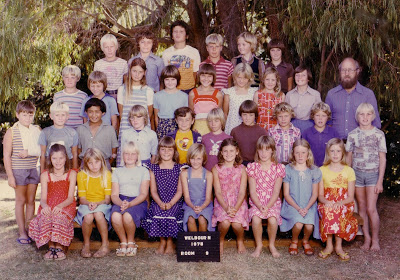
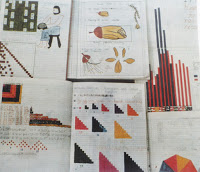
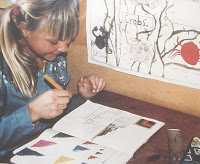
determined not to use text books, work sheets, or ability grouping – all common practice at the time. He made every attempt to make maths both enjoyable and challenging studying with his class maths patterns, triangular numbers, measuring, counting, tessellation, history of number, number in other cultures, keeping rainfall data, transects in science, magic numbers, math cooking, maths and art …….. The classroom
 |
| Graph number of eed in a pod |
displayed a variety of maths activities. And maths was related, where possible, to whatever study area the class was involved in. Bruce wanted his class to appreciate what maths was really all about and for all to have positive attitudes towards the subject.
 Unfortunately it didn’t work out so well. When his students went on to Intermediate school a couple of boys came back to tell him the teacher at the intermediate had said all the kids from his class couldn’t do math! Bruce asked if the boys were in ability groups. They said they were – and in the top group!! He then asked
the boys how come this was the case if students couldn’t do maths? The boys were confused and the next day they returned with the answer ‘the teacher said none of the students could use a text book!’ One of the boys was a member of the recent tax review group!!
The next year he introduced textbooks in the last months to avoid the issue but his students were given the message that ‘real’ maths is doing maths and text book are to be seen only as ‘practice’ maths.
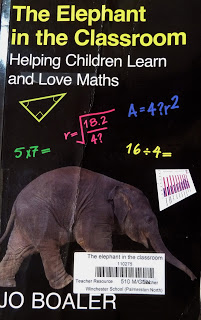 Facing up to the elephant in the classroom – the mind changing ideas of Jo Boaler
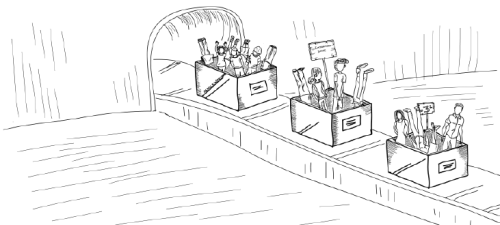 Jo Boaler writes, ‘far too many students hate maths. As a result adults all over the world fear maths and avoid it at all costs…. It’s the subject that can make them feel both helpless and stupid….Maths more than any subject has the power to crush children’s confidence.’
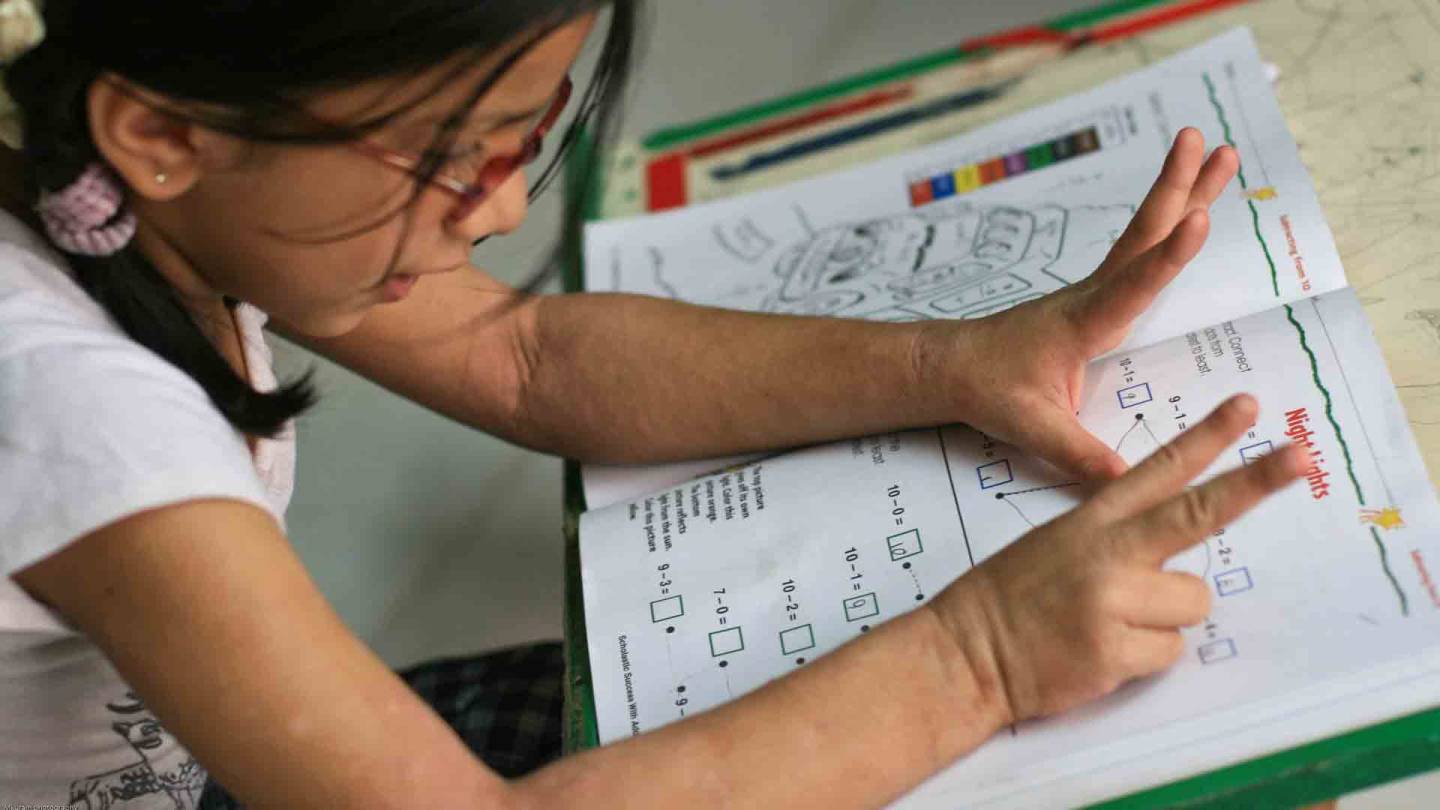 Why Kids Should Keep Using Their Fingers to do Math
 ‘Tying speed with computation debilitates learners. People who struggle to complete a timed test of math facts often experience fear, which shuts down their working memory. This makes it all but impossible to think which reinforces the idea that a person just can’t do math – that they are not a math person.’
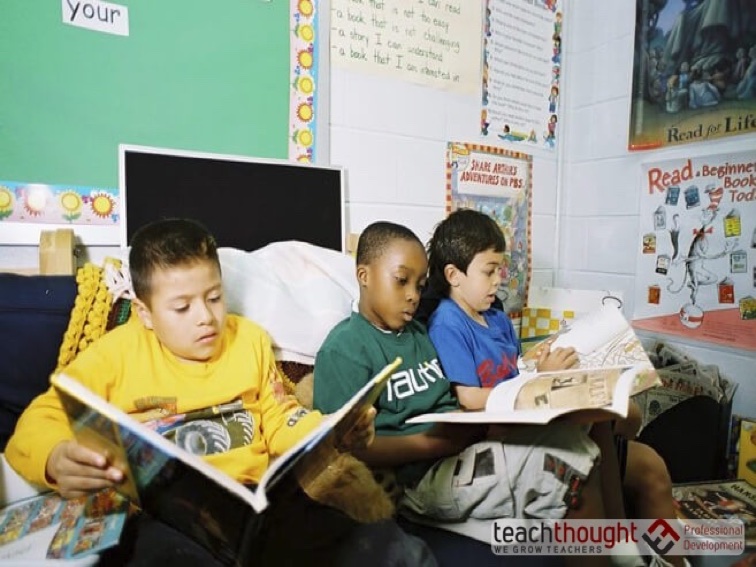 ‘How can schools support students to make progress in reading and writing? To explore this question, the project identified schools that have sustained positive achievement in literacy over five years, and asked what they did to achieve this. The goal was to uncover common themes which might help other schools work towards similar lifts in literacy achievement and no mention of phonics!!!!’
 ‘Once the biggest school in Taranaki, Spotswood’s roll has been in slow decline for two decades as it struggled to remain an attractive option against the city’s four single-sex high schools. More liberal and less bound by tradition than those high schools, it is undergoing a radical transformation that could completely change the way the school is viewed both from within and without. It is one of just six schools in New Zealand using the progressive Disrupted programme.’
 ‘At the core of science is the wonderment of inquiry. Encouraging this inquiry is how you bring science into the classroom, transforming your kids into budding scientists who want to discover the why’s hiding behind everyday phenomena. Luckily, there are ways to turn your classroom into a laboratory of discovery without fire and explosions! Here are our favourite ways to boost science in the classroom.’
 What is inquiry based learning?
 Eduindex