


Readings for creative teachers
talent development. If anything education has become standardised and formulaic focused on assessing and documenting achievement in literacy and numeracy.
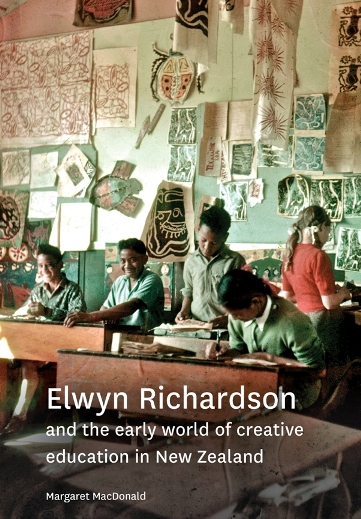 For us we see the book In the Early World written by Elwyn Richardson as central to the provision of a creative education.
 Thankfully it has been reprinted by the NZCER and the new foreword itself is worth a read. Elwyn saw his class as a community of artists and scientists exploring their environment and personal concerns and he believed they were his teachers as much as he was their teacher. There was nothing formulaic or standardised in his classroom.
 We are not sure of who current teachers hold as important in their educational philosophies but we think we are in good company. John Dewey who wrote about progressive democratic education early last century wrote ‘children grow in to tomorrow as they live today’ and although he believed in experiential learning he also wrote that it’s not just experience it reflecting on experience that is vital to learning.
art of intellectual temptation’ giving teachers the challenge of creating learning environments that challenge students by providing ‘tempting’ displays from all learning areas; displays that as students become involved sees their research, language and art added.
 |
| An MLE !! |
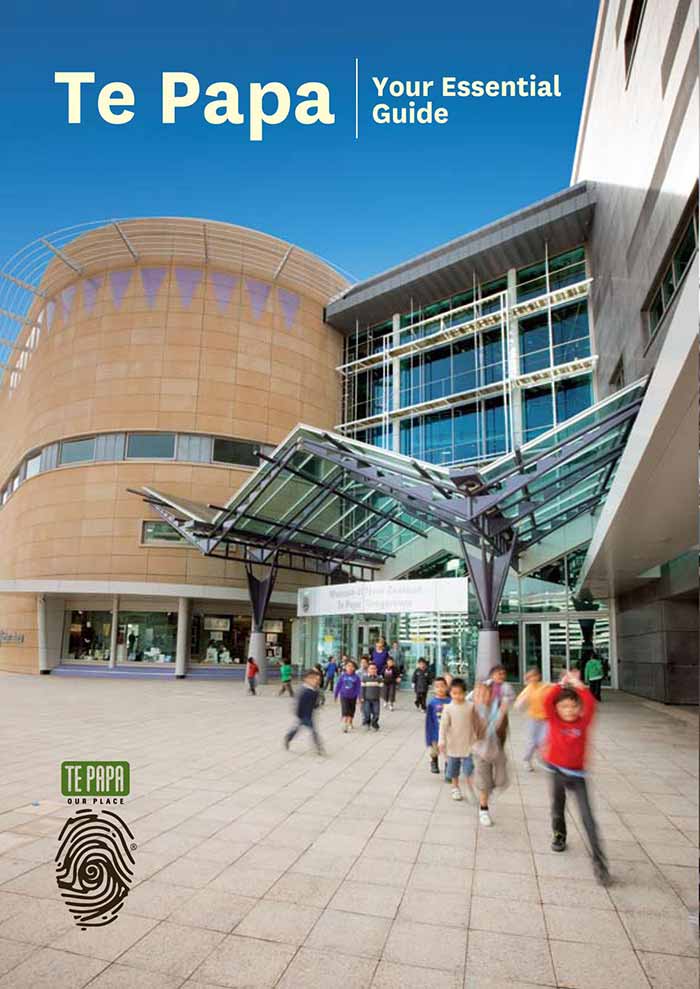
We see classrooms as a mini Te Papa – an amalgam of an artist’s studio, a science technology laboratory, a media centre andexhibitions to celebrate, challenge and inform. An important thing, we believe, is to do fewer things well and judge success by students achieving their personal best in any area of learning.
“Reading” is a must read for any open minded teacher. Look online for this. Also check the link below for a pdf version of another Smith book.
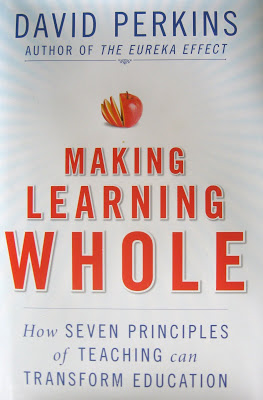 In our ideal classroom students enter the classroom to pick up work they have previously committed to. When teachers see a need to provide assistance with missing skills they come alongside the learners (or work with a small groups) to provide the help needed so students can return to’ the game of learning’ (the advice of David Perkins). No need for ability groups in maths and literacy to get in the way taking up valuable learning time.
When it comes to talent development the views of Sir Ken Robinson are well known, admired by many teachers but in practice largely ignored. Sir Ken believes in educational transformation. The idea that we all have our own mix of talents and gifts brings us to the multiple intelligences of Howard Gardner. Another educator with an interest in the creative arts, Eliot Eisner, makes the point that each art form interprets the world in its own way and that all are important.
 |
| Elwyn Richardson |
All this brings us back to the ideas of Elwyn Richardson and the art advisers of yesteryear who led the way into developmental creative related arts programme.
 With current discussions about play based and place based learning, about students’ agency, environmental awareness, the need to trust learners, the valuing of cultural differences, inquiry learning integrating a sensible use of new technology, and the new flexible learning environments, maybe the revolution is beginning?
Today’s Readings
 ‘Creativity is often paid lip service, but in reality, most schools are currently experiencing a “creativity gap”—with significantly more creative activity occurring outside of school. Numerous psychologists argue that creativity is not just an enrichment or add-on in the classroom: It is a set of psychological skills that enhance learning and will be necessary in the 21st-century workforce.’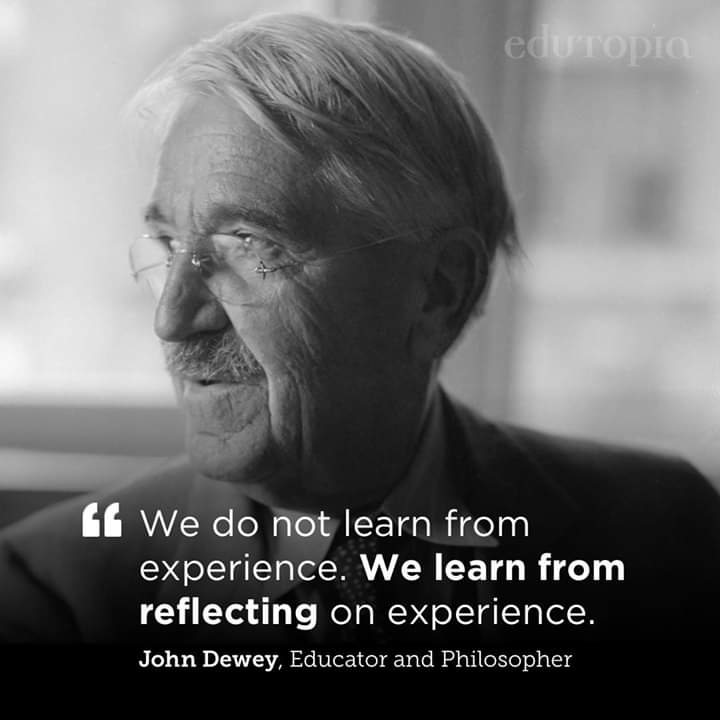
 |
| Jo Boaler |
Seven is the age of wonder, not the age for formal testing
 ‘My wish is that, one day, formal education will pay attention to the education of the heart, teaching love, compassion, justice, forgiveness, mindfulness, tolerance and peace. This education is necessary, from kindergarten to secondary schools and universities. I mean social, emotional and ethical learning. We need a worldwide initiative for educating heart and mind in this modern age.’
‘Having visited the school recently, I’m aware it has a comprehensive music programme and understands the value of students learning not just the “basics” of numeracy and literacy, but music and the other arts as well.’
( An earlier blog that relate to today’s theme)

longer this developmental sequence is allowed to continue, the more generalized the deficits will become, seeping into more and more areas of cognition and behavior. Or . . . ‘reading affects everything you do.’”

facets of human thought that are labelled “comprehension” and ‘learning”, by drawing on insights from a number of specialized disciplines while endeavoring to maintain a coherence that will be both comprehensible and useful to practising or prospective teachers.’


 Eduindex