Finally India Now Has Lokpal In Place As Anti-Graft Body

It has been a long and gruelling wait for Lokpal to finally come in place as an anti-graft body. On March 19, Justice Pinaki Chandra Ghosh who is a former Supreme Court Judge and former Chief Justice of Andhra Pradesh High Court who retired in May 2017 and a current member of the National Human Rights Commission (NHRC) was appointed as India’s first Lokpal after President Ram Nath Kovind administered the oath of office to Justice Pinaki as the country’s first Lokpal. Earlier we saw how President Kovind had nominated former Attorney General of India Mukul Rohatgi as “eminent jurist” as member of the panel to select Lokpal against the vacancy arising following the death of senior advocate PP Rao. The Lokpal Selection Committee was headed by the Prime Minister and had as its members – Lok Sabha Speaker, Leader of the Opposition in the Lower House, Chief Justice of India and an eminent jurist nominated by President. A Judge of the top court nominated by the Chief Justice of India or any other member can also be selected to be a part of Lokpal Selection Committee.

                       To put things in perspective, all eight newly-appointed members of anti-corruption ombudsman Lokpal on March 27 took the oath of office. They were administered the oath by Lokpal chairperson Justice Pinaki Chandra Ghose. Former Chief Justices of different High Courts – Justices Dilip Babasaheb Bhosale of Allahabad High Court, Pradip Kumar Mohanty of Jharkhand High Court, Abhilasha Kumari of Manipur High Court and Ajay Kumar Tripathi of Chhattisgarh High Court took oath as judicial members in the Lokpal. Also, first former woman chief of Sashastra Seema Bal (SSB) Archana Ramasundaram, ex-Maharashtra Chief Secretary Dinesh Kumar Jain, former IRS officer Mahender Singh and Gujarat cadre ex-IAS officer Indrajeet Prasad Gautam were sworn in as the Lokpal’s non-judicial members.      
                                    In retrospect, we all saw earlier how way back in 2011 the social reformer Anna Hazare had crusaded for getting this law enacted and many eminent individuals from different walks of life joined him though most of them had a political agenda to fulfil unlike Anna who had no political aspirations to realize! But the overall objective was good that there must be an effective anti-graft body in place in India. There can be no denying it!
                             Simply put, it was in January 2011 that the government formed a Group of Ministers to suggest measures to tackle corruption. Also, the Group of Ministers were entrusted with the onerous task of examination of the proposal of a Lokpal Bill due to relentless agitation by Anna Hazare. In July 2011, the Union Cabinet approved the Lokpal Bill and both Houses of the country passed it in December 2013.
                                     Needless to say, the Lokpal and Lokayuktas Act, 2013 came into being on January 1, 2014. Both UPA and NDA came on one platform to supports its passage as any opposition to it would send a wrong signal among the people which no party can afford but dilly-dallying on one ground or the other saw it being kept in abeyance for a long period of more than five years and it was only after the incumbent CJI Tarun Gogoi intervened and repeatedly sent signals to Centre that this institution of Lokpal could finally see the light of the day! Parliament has certainly not covered itself with glory by ensuring the excruciatingly slow progress of Lokpal institution since the last more than five years!
                                   It may be recalled that it was way back in 1966 that the historic recommendation for a Lokpal at the Centre was first made by the Administrative Reforms Committee of 1966. It had recommended two independent authorities – one at the Centre and one at the State level to probe complaints against State functionaries including MPs. The idea of a Lokpal as Ombudsman first came up in Parliament in 1963 during a discussion on budget allocation for the Law Ministry and it was LM Singhvi who first coined it in 1962. It is now after 56 years that we finally now have a Lokpal in place! This is terrible!
                                      According to Professional Referral Source (PRS) legislative research, the Lokpal Bill has been introduced eight times in the Lok Sabha in 1968, 1971, 1977, 1985, 1989, 1996, 1998 and 2001. It would be vital to mention here that each time the Lok Sabha was dissolved before the Bill’s passage could be ensured except in 1985 when it was withdrawn. Also, it must be borne in mind that several commissions including the First Administrative Reforms Commission of 1966 as mentioned above, the National Commission to Review the Working of the Constitution of 2002 and the Second Administrative Reforms Commission of 2007 recommended the constitution of Lokpal. According to PRS Legislative Research which is an Indian non-profit organization, Sweden which was first country to have a Lokpal along with Finland, Denmark, the Netherlands, Austria, Portugal, Spain, New Zealand, Burkina Faso and the United Kingdom are some of the countries which have the office of an ombudsman that is Lokpal.                                         
                                         To be sure, it must be mentioned here that the Lokpal has jurisdiction to inquire into allegations of corruption against anyone who is or has been Prime Minister, or a Minister in the Union Government, or a Member of Parliament, as well as officials of the Union Government under Groups A, B, C and D. Also, it must be mentioned that chairpersons, members, officers and directors of any board, corporation, society, trust or autonomous body either established by an Act of Parliament or wholly or partly funded by the Centre are also covered. Not stopping here, it also covers any society or trust or body that receives foreign contribution above Rs 10 lakh.
                              What’s more, the Lokpal Act, which stipulates appointment of a Lokpal at the Centre and Lokayuktas in the States to look into cases of corruption against certain categories of public servants was passed in 2013. It is worth noting that according to the rules, not less than 50 percent of the members of the Lokpal panel shall be from amongst the persons belonging to the Scheduled Castes, Scheduled Tribes, Other Backward Classes, minorities and women. Also, upon selection, the chairperson and members shall hold office for a term of five years or till they attain 70 years of age.  
                                        It would be imperative to mention here that the Lokpal cannot inquire into any corruption charge against the Prime Minister if the allegations are pertaining to international relations, external and internal security, public order, atomic energy and space, unless a full Bench of the Lokpal, comprising of its chairperson and all members, considers the initiation of a probe and then at least two-thirds of the members approve it also. It is good that such a hearing should be held in camera but it is quite baffling to note that if the complaint is dismissed, the records shall not be published or made available to anyone. How can this be justified? Why can’t there be more transparency? Why this hush hush? Is there something to hide?
                                        Interestingly enough, a preliminary inquiry should be completed within 30 days of receiving a complaint. The period can be extended to a further three months. It must be mentioned that a full inquiry has to be completed within six months which is extendable by another six months. It must be also mentioned that trial should be completed within a year of filing the case and the time period can be extended to a maximum of two years. It is commendable that a Lokpal does not need prior sanction from the government to investigate a complaint.
                                More crucially, a complaint under the Lokpal Act should be made in the prescribed form and must be pertaining to an offence under the Prevention of Corruption Act against a public servant. Also, there is no restriction on who can make such a complaint. When a complaint is received, the Lokpal may after examining it order a preliminary inquiry by its Inquiry Wing, or refer it for investigation by any agency, including the CBI, if there is a prima facie case found.
                                     Be it noted, before the Lokpal orders an investigation by the agency, the Lokpal is mandated to call for an explanation from the public servant to determine whether a prima facie case exists that can be pursued. The Act makes it clear that this provision will not interfere with any search and seizure that may be undertaken by the investigating agency. The Lokpal may refer the complaints pertaining to the Central Government servants to the Central Vigilance Commission (CVC). The CVC will then send a report of the Lokpal regarding officials falling under Groups A and B and proceed as per the CVC Act against those in Groups C and D.
                       Now let us turn to the procedure for preliminary inquiry. The Inquiry Wing or any other agency will have to ensure completing its preliminary inquiry and submitting a report to the Lokpal within 60 days. Before submitting its report, it has to seek comments from both the public servant and the competent authority. Also, there will be a competent authority for each category of public servant. As for instance, for the Prime Minister, it is the Lok Sabha and for other Ministers, it will be the Prime Minister and for department officials, it will be the Minister concerned.
                                     Going forward, a Lokpal Bench comprising of not less than three members shall consider the preliminary inquiry report, and after giving an opportunity to the public servant shall decide whether it should proceed with the investigation. It can order either a full investigation, or initiate departmental proceedings or close the proceedings. It is also empowered to proceed against the complainant if the allegation is false. The preliminary inquiry should normally be completed within 90 days of the receipt of the complaint.
                                   It must be disclosed here that the agency ordered to conduct the probe has to file its investigation report in the court of appropriate jurisdiction and a copy before the Lokpal. A Bench of at least three members will consider the report and after considering it may then grant sanction to the Prosecution Wing to proceed against the public servant based on the agency’s chargesheet. It may also ask the competent authority to take departmental action or direct the closure of the report.
                                   Earlier, the authority vested with the power to appoint or dismiss a public servant was the one to grant sanction under Section 197 of the CrPC and Section 19 of the Prevention of Corruption Act. But now this power will be wielded by the Lokpal which is a judicial body and will have to seek the comments of the ‘Competent authority’ as envisaged in Section 24 as well as the public servant’s comments before granting such sanction.
                                       All said and done, finally now India has in place a Lokpal as the anti-graft body to check and combat corruption which is certainly a great milestone and was due since a long time! But it would be premature to rush to any conclusions soon. We have to see now effectively it functions and what all roadblocks its faces in its functioning! One truly hopes that the Lokpal will be able to meet the high expectations of the people and function effectively for which it has been constituted! Some shortcomings must be revisited like Lokpal must have power to deal with not just public servants who come within the purview of the Union as we see right now but also broadened to include in its ambit the public servants in the states also! It must be ensured by Lokpal that all Lokayuktas are appointed in all States and there is no vacancy in any State on any ground whatsoever!     
Sanjeev Sirohi, Advocate,
s/o Col BPS Sirohi,
A 82, Defence Enclave,
Sardhana Road, Kankerkhera,
Meerut – 250001, Uttar Pradesh.


Public school review: Choose the best school for your child to let him/her shine!!!

Children’s education is one of the toughest decisions that parents need to take. And the biggest decision which parents have to take is to send their children into the right school. If you are also the one who is looking for the right school for your children then here are some tips for you. In the US, there are three options for parents to choose the right school and these are private schools, charter schools, and public schools.

According to the public school review, the majority of the students who are studying in public schools come for the families that can’t afford the higher cost of the private schools. It does not mean that the public schools are not offering quality education, however, private schools outperform public schools. Still, in many ways, public schools can be a better option for the overall growth of your child.
Private schools focus only on the academics of the child, on the other hand, public school nurture child in every aspect. Have a look at the public school review and decide what you want for your child.
Public school review
Parents with lower income level and who don’t want to send their children into a private school then the biggest question for them is to choose the right school between a charter and a public school. What if you don’t need to decide between a charter and a public school? Choose a school that is a charter public school.
Let us have a look at the features of public school so that you can take the right decision for your child.
Performance of the schools
Many people consider that a charter school can outperform public schools. But it is not always true, in some cases, public schools outperform the charter schools and this has also been proved by research as well.
Accessibility
Both the charter and the public schools are accessible to all the kids that are not able to afford a good education. However, charter schools can reject an application of a student and that is what makes public schools better. There is no process to take admission in public school, everyone is equal to take admission.
Oversight
However, the popularity of the charter schools is really very high and most of the people consider charter schools a better option than that of public schools. However, the inconsistency of charter schools can make it even tougher to decide which one to choose. In some areas, charter schools are performing really well however in some areas, these are not performing well. So the decision becomes even tougher.
Resources
Both the charter and the public schools are lesser in resources. However, the public schools are in the great need of the resources, still, there is a lack of resources and that is why the level of education can be low. But some public schools are not lacking in resources and even some which are not having many resources are performing really very well in academics.
Which one should you consider? A charter school or a public school
When we compare both the charter and the public schools, most of the parents prefer to go their kids to a charter school rather than choosing a public school for them. Because charter schools tend to be more specific in academics, they are free to design their own curriculum to extend which is the first choice of the parents.
Charter schools are working under private organizations so there is a complete focus on the studies and the performance on the school children. These schools promote a higher level of education so that the performance of the school can be greater. On the other hand, because of the inconsistency and the poor education level and lesser number of resources, some parents don’t prefer to choose a charter school over a public school. Considering these facts, nothing can be clearly said that which one is a better school.
So, if you are still confused which school should you choose for your child? If yes, here is a solution for you!!!
Choose Academia Avance Charter for your children which is a charter public school, the school is a charter cum public school so complete all your needs. Now, you don’t have to confuse between which school is best for your kid, make the right decision for your child.

Top 5 Best Physics Books for IIT JEE Mains Preparations

After completing our class 10th we all choose our streams according to our interests at that time. Some students opted for commerce to make a career in banking or preparing to become a CA. While some opted for humanities to pursue careers in public sectors or teachers

.
But most of the students aspire to become engineers or doctors someday so, they prepare for arguably the best examination in India, IIT JEE Mains. Although lacs of students appear for the JEE Mains exam only a few thousand seats are available.
Most of the students fail to clear the cutoff of the exam due to a simple reason – Lack of practice. As the students don\’t know which book to study properly for the examination.
So, how can you prepare for this exam? The answer is simple by studying several previous years question paper and some excellent book. Today we will suggest the Top 5 Best Physics books for preparing the IIT JEE Mains exam and you can easily buy that books by using Aliexpress Promo Codes at reasonable prices.

1. NCERT Book of Physics

Well if you want to start preparing for the JEE Mains you should start from the basic and NCERT is the best book to learn the basics of any subject. In the 11th and 12th class NCERT, the topics are defined thoroughly with sample problems along with the topic. Also, at the end of each chapter, there are more questions for your practice with answers at the back of the textbook.

2. Concepts of Physics Vol. 1 and Vol.2 by H.C. Verma

HC Verma\’s physics books are one of the most renowned books available in the market. The book is divided into two volumes, Vol.1 covers the entire syllabus of Class 11th while the Vol.2 covers the entire syllabus of Class 12th. If you are looking for some advanced physics problems after completing the NCERT then you should give the books by HC Verma a try.

3. Fundamentals of Physics by Halliday and Resnick

A book which is recommended in institutes like FITJEE and VMC, Fundamentals of Physics by Halliday and Resnick is a book which has several advanced level problems explained in an easy manner. Also, one gets to practice several MCQ questions based on the chapters. Although the book is highly recommended for preparing the IIT JEE Advance due to the easy and understandable language of the textbook, one can use the guidance of this book for preparing for the JEE Mains too.

4. Problems in General Physics by I.E. Irodov

I.E. Irodov\’s book, Problems in General Physics is considered to be one of the most difficult books till now. The book contains several numericals and if one wants to solve these questions he should at least know all the basics of Physics. I.E. Irodov\’s book is recommended in every major institute which helps the students to prepare for competitive exams. So, if your aim is to claim a seat in one of the top IIT colleges in India then make sure to buy this book and at least solve all the questions one time which are given in this textbook.

5. Previous Years Question Papers

Although the previous years\’ questions are not repeated in the JEE Mains or Advance, one can still have a look at the previous 10 or 20 years question papers. The reason behind this is to have a general idea about the exam pattern and level of questions which are given in the exam. There are several books which give the previous years\’ question paper in a detailed manner with solutions and answers for every question.
One such book is the 40 Years’ Chapter wise Topic wise Solved Papers (2018-1979) IIT JEE Physics by DC Pandey. As the name suggests the book provides the topic wise and the chapter wise questions which were asked in the past 40 years by JEE Mains. So, do not forget to include this book in your study material when preparing for the JEE Mains Exam.
Summary
The above mentioned 5 books are highly recommended for the preparations of the JEE Mains exams but it is not necessary you only prepare from these books only. If you do not understand the language of the book or maybe the questions are too difficult for you to understand then do not hesitate one bit in opting to updated physics books by using Flipkart Offers Today Special Offer.
In the market, there are hundreds of preparation books and mock question paper tests available for you to attempt and prepare accordingly to that. Another way for studying for the JEE Mains exam is to study online courses which help students in completing several topics in a comparatively lesser amount of time. Although opting for a crash course should be considered your last option.

Adding Additional Accused: To Invoke Section 319 CrPC Stronger Evidence Than Mere Probability Of Complicity Of A Person Required: SC

It would be imperative to mention right at the outset that in a significant pronouncement, the Supreme Court just recently on March 15, 2019 in Sugreev Kumar v. State of Punjab & Ors in Criminal Appeal No. 509 of 2019 (Arising out of SLP (Cri.) No. 9687 of 2018  has unequivocally reiterated that to add a person as additional accused under Section 319 of the Code of Criminal Procedure, stronger evidence is required than mere probability of complicity of that person. This notable and commendable judgment authored by Justice Dinesh Maheshwari for himself and Justice Abhay Manohar Sapre while setting aside an order of the Punjab and Haryana High Court unambiguously observed that while invoking Section 319 CrPC should not proceed as if an infallible case is required to be shown by the prosecution in order to proceed against the proposed accused persons. Very rightly so!
                                         While leave is granted in para 1, we then see that para 2 brings out that, “In this appeal, the complainant-appellant has called in question the judgment and order dated 02.07.2018 in Criminal Revision Application No. 2626 of 2014 whereby, the High Court of Punjab and Haryana at Chandigarh, has upheld the order dated 24.07.2014 as passed by the Additional Sessions Judge, Fazilka in S.C. No. 9 of 14.01.2014 on an application filed under Section 319 of the Code of Criminal Procedure (‘crPC’) seeking summoning of additional accused persons to stand the trial.”
                                    As things stand, para 2.1 then brings out that, “The sessions case aforesaid is pending trial for the offences under Sections 302, 307, 341, 34 of the Indian Penal Code (‘IPC’) and Sections 25, 54 and 59 of the Arms Act. By the said order dated 24.07.2014 on the application under Section 319 CrPC, the Trial Court, while partly granting the prayer of the prosecution to summon one of the accused Sonu son of Jaipal to face the trial, has dismissed the prayer for summoning the other 7 persons namely, Krishan Dev, Vikash son of Krishan Dev, Rajan, Mukesh @ Jungli, Devinder @ Veeru, Surinder Mahal and Prithvi Raj.”
                                      In hindsight, it is then observed in para 3 that, “The background aspects, so far relevant for the present purpose, could be noticed, in brief, as follows:
3.1 The prosecution case is that on 29.08.2013, the appellant accompanied by his father, brother and other associates, proceeded to reclaim possession of their land from the erstwhile tenants in compliance with the directions issued by the Court of Assistant Collector Grade-1, than on reaching the site at about 3:30 p.m., they found that the concerned revenue officers were not present and while they were making their way back to the village in search of the revenue officers, 3-4 cars intercepted them and about 10-12 persons emerged from the said vehicles, some of them being the alleged tenants, who were armed with pistols, rifles, swords, dangs, sotas and 12 bore gun; and that after a heated exchange of words, the appellant, his family members and their associates were attacked by the accused which resulted in the demise of the appellant’s father and brother while the others sustained varying injuries with the appellant receiving three bullet injuries.
3.2 For the incident in question, FIR came to be filed against 11 persons for the offences under Sections 302, 307, 341, 148 and 149 IPC as also Sections 27, 54 and 59 of the Arms Act. However, after investigation, only 3 persons, namely, Vikram Gilla, Gurmit Singh and Sunil Kumar, were charge-sheeted.
3.3 In trial, the appellant was examined by the prosecution as PW-1, who asserted in relation to the incident in question, inter alia, as under:-
       “…… After alighting from the car Vikas raised Alarm that they be taught lesson for taking possession of their land. Then Vikram fired from his rifle on my father which hit him. Then my brother Sandeep alighted from the Jeep and Vikram with his rifle fired two shots at him which hit on the left side of his chest and waist. Krishan again raised Lalkara and instigated Sonu why are you standing and asked him to kill all sons of Hanuman. Then Sonu fired three shots from, his revolver out of which two fires on my chest near the heart and one near the left shoulder. Vikram again fired shot from his gun on my father which hit him on his waist. Then allthe accused started indiscriminating firing with their revolver, 12 bore gun and pistols and the fires hit with the vehicles. Mahi Ram, Budh Ram, my father and Sham Lal our servant. Thereafter we raised Raula of MAR DITTA MAR DITTA. Then accused tried to run away on their vehicles but Innova did not start and they left the Innova then along with 12 bore rifle and ran away from the spot in another vehicles….(sic)”
3.4 In his cross-examination, the appellant deposed that Krishan Dev, Vikas, Sonu, Rajan, Mukesh @ Jungli, Devinder @ Veeru, Surinder Mahal and Pirthi Raj were declared innocent after investigation by the police, but volunteered to state that they were wrongly declared innocent.
3.5 Pending further cross-examination of the appellant, an application under Section 319 CrPC was filed by the prosecution to summon the aforesaid 8 persons to face trial on the basis of the testimony of the appellant (PW-1), wherein, he had asserted that all of them were present at the crime scene; and had assaulted and injured the applicant, his family members and associates on exhortation by Krishan Dev which resulted in the demise of his father and brother. Hence, it was submitted that there was sufficient material on record to summon all the aforesaid persons to face the trial in this case.”
                                       To be sure, it is then pointed out in para 4 that, “In its impugned order dated 24.07.2014, the Trial Court referred to certain inconsistencies in the testimony of the appellant as compared to his statement under Section 161 CrPC and the FIR; and found no case for summoning 7 of the aforesaid persons but considered it just and proper to summon Sonu son of Jaipal, who had allegedly fired three shots from his firearm, which hit the appellant.”
                              As it turned out, it is then disclosed in para 5 that, “Against the order aforesaid, the appellant filed a criminal revision petition, being CRR No. 2626 of 2014, before the High Court of Punjab and Haryana at Chandigarh which was dismissed by the impugned order dated 02.07.2018. It is mentioned in paragraph 4 of the order impugned that the learned counsel for the petitioner had confined the relief only qua the respondent Nos. 2 and 3, Krishan Dev and Vikas son of Krishan Dev. The High Court upheld the order of the Trial Court while observing as under:
           “11. In this case, statements of complainant and witnesses is same, which were recorded by the police during investigation. Learned trial Court has observed in its order that Vikas was attributed lalkara to the effect that complainant party be taught lesson for taking possession of the disputed land while Sugreev (PW) had admitted in his cross-examination that possession of the disputed land had not yet been taken by them. This shows that respondents, Krishna Dev and Vikas were arrayed as accused because of enmity between the parties and the police during investigation had collected the evidence which prove that both these respondents were far away from the place of occurrence.
         12. Hon’ble Apex Court in the case Brijendra Singh (supra) has observed that for summoning the additional accused under Section 319 Cr.P.C. degree of satisfaction is much stricter. Power under Section 319 Cr.P.C. is discretionary and extraordinary power which is to be exercised sparingly and only in those cases where circumstances of the case so warrants and strong and cogent evidence occurs against a person from the evidence led before the Court and not in a casual and cavalier manner. …….”
                                   As anticipated, para 6 then envisages that, “Assailing the order aforesaid, the learned counsel for the appellant has strenuously argued that the High Court as also the Trial Court have failed to consider the fact that respondent No. 2 Krishan Dev and respondent No. 3 Vikas are the main perpetrators of the crime; and had planned everything in advance for executing the crime and to escape from the law. Learned counsel would submit that the exhortation (lalkara) was a previously planned one as the possession of the land was to be handed over to the appellant and his family members; that the Innova car, which is registered in the name of respondent No. 2, was recovered from the scene of the crime; and that the report submitted by the police is based on the statement of witnesses at the instance of the respondents Nos. 2 and 3, where some of them are related to respondent No. 2 and while the others are his acquaintances. Learned counsel would submit that with the evidence available on record, a clear case for proceeding against the aforesaid persons alongwith the charge-sheeted accused is made out. Learned counsel for the appellant has referred to and relied upon the decisions in Hardeep Singh v. State of Punjab : (2014) 3 SCC 92 and Brijendra Singh & Ors. V. State of Rajasthan : (2017) 7 SCC 706.”
                                      On the contrary, it is then brought out in para 7 that, “Per contra, learned counsel for the respondents have duly supported the orders impugned and have submitted that no case for interference is made out as the Court under Section 319 of CrPC are to be exercised sparingly and, in this case, the Trial Court and the High Court, after having thoroughly examined the record, found no substance in the application so moved. More specifically, learned counsel for respondent No. 6 has pointed out that before the High Court, the appellant had given up the challenge qua this respondent. Learned counsel would submit that the impugned order has been passed after due consideration of the material on record; that his name was neither reflected in the FIR nor in the statement under Section 161 CrPC; that after police investigation, nothing incriminating was found against him and even the Trial Court has found no cogent evidence against him.”
                                       Furthermore, para 8 then stipulates that, “During the course of submissions, it has been pointed out that since after passing of the orders impugned, further evidence of the prosecution was recorded in the trial and thereafter another application under Section 319 CrPC was moved for summoning of the aforesaid 7 persons but the same was also rejected by the Trial Court on 28.09.2018. It has also been submitted that practically, the entire prosecution evidence in the matter is over.”
                                       To put it succinctly, the Bench then held in para 9 that, “Having given anxious consideration to the rival submissions and having examined the record with reference to the law applicable, we are clearly of the view that the disposal of applications moved in this matter under Section 319 CrPC cannot be approved; and in the given set of facts and circumstances, it appears just and proper that the Trial Court should re-examine the entire matter with reference to the principles applicable to the case, in order to take a decision afresh as to whether the persons above-named or any of them deserve to be tried together with the other accused persons.”
                                 While encapsulating the purpose behind Section 319 of CrPC, the Bench then underscores in para 10 that, “It remains trite that the provisions contained in Section 319 CrPC are to achieve the objective that the real culprit should not get away unpunished. By virtue of these provisions, the Court is empowered to proceed against any person not shown as an accused, if it appears from evidence that such person has committed any offence for which, he could be tried together with the other accused persons. In Hardeep Singh (supra), the Constitution Bench of this Court has explained the purpose behind this provision, inter alia, in the following:
        “12. Section 319 Code of Criminal Procedure springs out of the doctrine judex damnatur cum nocens absolvitur (judge is condemned when guilty is acquitted) and this doctrine must be used as a beacon of light while explaining the ambit and the spirit underlying the enactment of Section 319 Code of Criminal Procedure.
          13. It is the duty of the court to do justice by punishing the real culprit. Where the investigation agency for any reason does not array one of the real culprits as an accused, the court is not powerless in calling the said accused to face trial. The question remains under what circumstances and at what stage should the court exercise its power as contemplated in Section 319 CrPC?  
***                     ***                      ***
              19. The court is the sole repository of justice and a duty is cast upon it to uphold the rule of law and, therefore, it will be inappropriate to deny the existence of such powers with the courts in our criminal justice system where it is not uncommon that the real accused, at times, get away by manipulating the investigating and/or the prosecuting agency. The desire to avoid trial is so strong that an accused makes efforts at times to get himself absolved even at the stage of investigation or inquiry even though he may be connected with the commission of the offence.” 
                                     What’s more, it is then significantly laid down in para 11 that, “As regards the degree of satisfaction required for invoking the powers under Section 319 CrPC, the Constitution Bench has laid down the principles as follows:
        “95. At the time of taking cognizance, the court has to see whether a prima facie case is made out to proceed against the accused. Under Section 319 CrPC, though the test of prima facie case is the same, the degree of satisfaction that is required is much stricter. A two-Judge Bench of this Court in Vikas v. State of Rajasthan, held that on the objective satisfaction of the court a person may be “arrested” or “summoned”, as the circumstances of the case may require, if it appears from the evidence that any such person not being the accused has committed an offence for which such person could be tried together with the already arraigned accused persons.
***                 ***                ***
         105. Power under Section 319 CrPC is a discretionary and an extraordinary power. It is to be exercised sparingly and only in those cases where the circumstances of the case so warrant. It is not to be exercised because the Magistrate or the Sesssions Judge is of the opinion that some other person may also be guilty of committing that offence. Only where strong and cogent evidence occurs against a person from the evidence led before the court that such power should be exercised and not in a casual and cavalier manner.
         106. Thus, we hold that though only a prima facie case is to be established from the evidence led before the court, not necessarily tested on the anvil of cross-examination, it requires much stronger evidence than mere probability of his complicity. The test that has to be applied is one which is more than prima facie case as exercised at the time of framing of charge, but short of satisfaction to an extent that the evidence, if goes unrebutted, would lead to conviction in the absence of such satisfaction, the court should refrain from exercising power under Section 319 CrPC. InSection 319 CrPC the purpose of providing if “it appears from the evidence that any person not being the accused has committed any offence” is clear from the words “for which such person could be tried together with the accused.” The words used are not “for which such person could be convicted”. There is, therefore, no scope for the court acting under Section 319 CrPC to form any opinion as to the guilt of the accused”.”
                                     Simply put, is then noted in para 12 that, “Thus, the provisions contained in Section 319 CrPC sanction the summoning of any person on the basis of any relevant evidence as available on record. However, it being a discretionary power and an extraordinary one, is to be exercised sparingly and only when cogent evidence is available. The prima facie opinion which is to be formed for exercise of this power requires stronger evidence than mere probability of complicity of a person. The test to be applied is the one which is more than a prima facie case as examined at the time of framing charge but not of satisfaction to the extent that the evidence, if goes uncontroverted, would lead to the conviction of the accused.”
                                        It is a no-brainer that the Bench then held in para 13 that, “While applying the above-mentioned principles to the facts of the present case, we are of the view that the consideration of the application under Section 319 CrPC in the orders impugned had been as if the existence of a case beyond reasonable doubt was being examined against the proposed accused persons. In other words, the Trial Court and the High Court have proceeded as if an infallible case was required to be shown by the prosecution in order to proceed against the proposed accused persons. That had clearly been an erroneous approach towards the prayer for proceeding against a person with reference to the evidence available on record.”
                                      Be it noted, para 14 then states that, “The appellant (PW-1) has made the statement assigning specific roles to the proposed accused persons. At this stage of consideration of the application under Section 319 CrPC, of course, the Trial Court was to look at something more than a prima facie case but could not have gone to the extent of enquiring as to whether the matter would ultimately result in conviction of the proposed accused persons.” Para 15 then further states that, “The other application moved by the prosecution after leading of further evidence in the matter has been rejected by the Trial Court essentially with reference to the impugned orders dated 24.07.2014 and 02.07.2018, which are the subject matter of challenge in this appeal.”
                                     Suffice it to say, para 16 then sums up by saying that, “In the totality of the circumstances of this case, rather than dilating further on the evidence, suffice it would be to observe for the present purpose that the prayer of the prosecution for proceeding against other accused persons, having not been examined in the proper prospective and with due regard to the applicable principles, deserves to be restored for reconsideration of the Trial Court.”
                              Finally and perhaps most importantly, it is then held in the last para 17 that, “Accordingly, this appeal is allowed in part, to the extent and in the manner that the impugned orders are set aside and the applications made by the prosecution under Section 319 CrPC are restored for reconsideration of the Trial Court. In the interest of justice, it is made clear that we have not pronounced on the merits of the case either way and it would be expected of the Trial Court to reconsider the prayer of prosecution for proceeding against the proposed accused persons totally uninfluenced by any observation herein regarding facts of the case but with due regard to the evidence on record and to the law applicable.”
                          All said and done, it is a must read judgment which makes the position on Section 319 CrPC very clear. It specifies clearly and convincingly that a person can be added as an additional accused only when there is strong and cogent evidence and mere probability of complicity of that person is not enough to add him as accused. Thus now there is no unambiguity and no uncertainty left on this as to the test that has to be applied while considering an application to add a person as an additional accused for which the Apex Court Bench comprising of Justice Dinesh Maheshwari and Justice Abhay Manohar Sapre have to be appreciated and applauded for delivering such a landmark and laudable judgment so elegantly!   
Sanjeev Sirohi, Advocate,
s/o Col BPS Sirohi,
A 82, Defence Enclave,
Sardhana Road, Kankerkhera,
Meerut – 250001, Uttar Pradesh.
इस दिल में आते जाते रहिए

इश्क़ का भ्रम यूँ बनाते रहिए
इस दिल में आते जाते रहिए

आप ही मेरी नज़्मों की जाँ थी
ये चर्चा भी सरे आम सुनते रहिए

सिलिए ज़ुबान तकल्लुफ से
लेकिन निगाहें मिलाते रहिए

आप मेरी हैं भी और नहीं भी
ये जादूगरी खूब दिखाते रहिए

आप बुझ जाइए शाम की तरह
मुझे दिन की मानिंद जलाते रहिए

है कोई बीमार आपका,फिक्र नहीं
आप बेरुखी से खिखिलाते रहिए
सलिल सरोज
उपरोक्त सभी रचनाएँ मेरी स्वरचित और मौलिक हैं।
नाम:सलिल सरोज
पता: बी 302, तीसरी मंजिल
सिग्नेचर व्यू अपार्टमेंट्स
मुखर्जी नगर
नई दिल्ली-110009
उम्र:31 वर्ष
शिक्षा: सैनिक स्कूल तिलैया,कोडरमा,झारखण्ड से 10वी और 12वी उतीर्ण। 12वी में स्कूल का बायोलॉजी का सर्वाधिक अंक 95/100
जी डी कॉलेज,बेगूसराय,बिहार से इग्नू से अंग्रेजी में स्नातक एवं केंद्र  टॉपर, जवाहर लाल नेहरू विश्वविद्यालय ,नई दिल्ली से रूसी भाषा में स्नातक और तुर्की भाषा में एक साल का कोर्स और तुर्की जाने का छात्रवृति अर्जित। जीजस एन्ड मेरी कॉलेज,चाणक्यपुरी,नई दिल्ली इग्नोउ से समाजशास्त्र में परास्नातक एवं नेट की परीक्षा पास।
व्यवसाय:कार्यालय महानिदेशक लेखापरीक्षा,वैज्ञानिक विभाग,नई दिल्ली में सीनियर ऑडिटर के पद पर 2014 से कार्यरत।
सामाजिक एवं साहित्यिक सहयोग: बेगूसराय में आर्थिक रूप से कमजोर बच्चों को अंग्रेज़ी की  मुफ्त कोचिंग। मोहल्ले के बच्चों के कहानी,कविता और पेंटिंग को बढ़ावा देने हेतु स्थानीय पत्रिका\”कोशिश\” का प्रकाशन और सम्पादन किया। जवाहरलाल नेहरू विश्वविद्यालय में विदेशी भाषा में स्नातक की परीक्षा के लिए \”Splendid World Informatica\”  किताब का सह लेखन एवं बच्चों को कोचिंग। बेगूसराय ,बिहार एवं अन्य राज्यों के हिंदी माध्यम के बच्चों के लिए \”Remember Complete Dictionary\” किताब का अनुवाद। बेगूसराय,बिहार में स्थित अनाथालय में बच्चों को छोटा अनुदान। 
बचपन में राजहंस,क्रिकेट वर्ल्ड की प्रतियोगिताओं में इनाम प्राप्त।
शोसल मीडिया पर सामाजिक मुद्दों पर बेबाकी से अपने विचारों को प्रस्तुत करना।
उपलब्द्धियाँ: अमर उजाला काव्य,  हिंदुस्तान समाचार पत्र,पटना,सांध्य दर्पण इंदौर,अन्तरशब्दशक्ति इंदौर,परिचय टाइम्स,विजय दर्पण टाइम्स,सरिता,पर्यटन प्रणाम सहित 80 से अधिक पत्रिकाओं,अखबार,ऑन लाइन साइट्स पर कविता,कहानी,लेख,व्यंग प्रकाशित। मातृभाषा के द्वारा प्रकाशित काव्य संग्रह \”नवांकुर\”में मेरी कविताओं को स्थान प्राप्त। रवीना प्राकाशन ,नई दिल्ली द्वारा प्रकाशित निभा पत्रिका और मेरी रचना काव्य संग्रह में मेरी कविताएँ शामिल। विश्व पुस्तक मेला के दौरान मेरे काव्य संग्रह\”यूँ ही सोचता हुआ\” का विमोचन।
अपने कार्यालय में हिंदी दिवस पर आयोजित निबंध लेखन प्रतियोगिता में 3 साल से प्रथम स्थान प्राप्त। आरषी फाउंडेशन,भोपाल के द्वारा विकलांगों पर आयोजिय काव्य प्रतियोगिता में अखिल भारतीय 20वा स्थान जिसका निर्णय गुलज़ार साहब ने किया था। मातृभाषा द्वारा काव्य प्रतियोगिता में तीसरा स्थान जिसके तहत आशीष दलाल का उपन्यास पुरस्कार के रूप में प्राप्त हुआ। दिल्ली में आयोजित कॉमनवेल्थ खेल के दौरान पर्यटन मंत्रालय के द्वारा आयोजित \”Earn while you learn\” कार्यक्रम का सफल प्रतिभागी। 
आगामी 4 किताबों पर काम चालू। यु ट्यूब पर शार्ट फिल्मों में सांग्स और डायलॉग भी लिखी हैं।  पश्चिम मध्य रेलवे महालेखा कार्यालय की पत्रिका
 साँची में मेरी कविताओं को स्थान प्राप्त। कार्यालय महानिदेशक लेखापरीक्षा,वैज्ञानिक विभाग,कोलकाता शाखा से प्रकाशित पत्रिका  में मेरी रचनाओं को स्थान प्राप्त। भारतीय लेखापरीक्षा एवं लेखा विभाग अकादमी ,शिमला द्वारा मेरी फोटोग्राफी के लिए सम्मान पत्र। प्रतियोगिता दर्पण पत्रिका अंग्रेज़ी अंक में डिबेट और निबन्ध प्रतियोगिता में प्रथम स्थान प्राप्त। मेरे द्वारा किए गए ड्राइंग की सराहना और पत्रिकाओं में स्थान प्राप्त।

शिक्षा: सैनिक स्कूल तिलैया,कोडरमा,झारखण्ड से 10वी और 12वी उतीर्ण। 12वी में स्कूल का बायोलॉजी का सर्वाधिक अंक 95/100
जी डी कॉलेज,बेगूसराय,बिहार से इग्नू से अंग्रेजी में स्नातक एवं केंद्र  टॉपर, जवाहर लाल नेहरू विश्वविद्यालय ,नई दिल्ली से रूसी भाषा में स्नातक और तुर्की भाषा में एक साल का कोर्स और तुर्की जाने का छात्रवृति अर्जित। जीजस एन्ड मेरी कॉलेज,चाणक्यपुरी,नई दिल्ली इग्नोउ से समाजशास्त्र में परास्नातक एवं नेट की परीक्षा पास।
व्यवसाय:कार्यालय महानिदेशक लेखापरीक्षा,वैज्ञानिक विभाग,नई दिल्ली में सीनियर ऑडिटर के पद पर 2014 से कार्यरत।
सामाजिक एवं साहित्यिक सहयोग: बेगूसराय में आर्थिक रूप से कमजोर बच्चों को अंग्रेज़ी की  मुफ्त कोचिंग। मोहल्ले के बच्चों के कहानी,कविता और पेंटिंग को बढ़ावा देने हेतु स्थानीय पत्रिका\”कोशिश\” का प्रकाशन और सम्पादन किया। जवाहरलाल नेहरू विश्वविद्यालय में विदेशी भाषा में स्नातक की परीक्षा के लिए \”Splendid World Informatica\”  किताब का सह लेखन एवं बच्चों को कोचिंग। बेगूसराय ,बिहार एवं अन्य राज्यों के हिंदी माध्यम के बच्चों के लिए \”Remember Complete Dictionary\” किताब का अनुवाद। बेगूसराय,बिहार में स्थित अनाथालय में बच्चों को छोटा अनुदान। 
बचपन में राजहंस,क्रिकेट वर्ल्ड की प्रतियोगिताओं में इनाम प्राप्त।
शोसल मीडिया पर सामाजिक मुद्दों पर बेबाकी से अपने विचारों को प्रस्तुत करना।
उपलब्द्धियाँ: अमर उजाला काव्य,  हिंदुस्तान समाचार पत्र,पटना,सांध्य दर्पण इंदौर,अन्तरशब्दशक्ति इंदौर,परिचय टाइम्स,विजय दर्पण टाइम्स,सरिता,पर्यटन प्रणाम सहित 80 से अधिक पत्रिकाओं,अखबार,ऑन लाइन साइट्स पर कविता,कहानी,लेख,व्यंग प्रकाशित। मातृभाषा के द्वारा प्रकाशित काव्य संग्रह \”नवांकुर\”में मेरी कविताओं को स्थान प्राप्त। रवीना प्राकाशन ,नई दिल्ली द्वारा प्रकाशित निभा पत्रिका और मेरी रचना काव्य संग्रह में मेरी कविताएँ शामिल। विश्व पुस्तक मेला के दौरान मेरे काव्य संग्रह\”यूँ ही सोचता हुआ\” का विमोचन।
अपने कार्यालय में हिंदी दिवस पर आयोजित निबंध लेखन प्रतियोगिता में 3 साल से प्रथम स्थान प्राप्त। आरषी फाउंडेशन,भोपाल के द्वारा विकलांगों पर आयोजिय काव्य प्रतियोगिता में अखिल भारतीय 20वा स्थान जिसका निर्णय गुलज़ार साहब ने किया था। मातृभाषा द्वारा काव्य प्रतियोगिता में तीसरा स्थान जिसके तहत आशीष दलाल का उपन्यास पुरस्कार के रूप में प्राप्त हुआ। दिल्ली में आयोजित कॉमनवेल्थ खेल के दौरान पर्यटन मंत्रालय के द्वारा आयोजित \”Earn while you learn\” कार्यक्रम का सफल प्रतिभागी। 
आगामी 4 किताबों पर काम चालू। यु ट्यूब पर शार्ट फिल्मों में सांग्स और डायलॉग भी लिखी हैं।  पश्चिम मध्य रेलवे महालेखा कार्यालय की पत्रिका
 साँची में मेरी कविताओं को स्थान प्राप्त। कार्यालय महानिदेशक लेखापरीक्षा,वैज्ञानिक विभाग,कोलकाता शाखा से प्रकाशित पत्रिका  में मेरी रचनाओं को स्थान प्राप्त। भारतीय लेखापरीक्षा एवं लेखा विभाग अकादमी ,शिमला द्वारा मेरी फोटोग्राफी के लिए सम्मान पत्र। प्रतियोगिता दर्पण पत्रिका अंग्रेज़ी अंक में डिबेट और निबन्ध प्रतियोगिता में प्रथम स्थान प्राप्त। मेरे द्वारा किए गए ड्राइंग की सराहना और पत्रिकाओं में स्थान प्राप्त।

P&H HC Directs Protection Of Honest Officers While Setting Aside CM’s Remarks On Khemka

In a major development, the Punjab and Haryana High  Court in a latest, landmark and laudable judgment titled Dr. Ashok Khemka Versus State of Haryana and others  in CWP-317-2019 (O&M) delivered on March 18, 2019 has very clearly and convincingly not just upheld the integrity  of eminent IAS officer of 1991 batch –  Dr Ashok Khemka known all over India who because of his upright and impeccable credentials has emerged as an eyesore for politicians of all hues but also very rightly expunged Haryana Chief Minister ML Khattar adverse remarks in his Personal Appraisal Report (PAR). Every honest and upright person will be most happy to learn about this! There can be no denying or disputing it!
                                                        Not just stopping here, the two  Judge Bench of Punjab and Haryana High Court comprising of Justice Rajiv Sharma and Justice Kuldip Singh also observed without mincing any words that, “Since number of such officers whose integrity is beyond doubt and who have professional integrity of higher standard is depleting very fast, therefore, they need protection from being damaged by recording adverse remarks against the record.” Absolutely right! This landmark judgment authored by Justice Kuldip Singh for himself and Justice Rajiv Sharma made the above mentioned observation while deciding Dr Khemka’s appeal which he had filed against an order of the Central Administrative Tribunal (CAT) which had rejected “in toto” his application for expunging remarks made by Manohar Lal Khattar as the accepting authority and restoration of a grade of 9.92 as awarded by Cabinet Minister Anil Vij in his PAR for the period from April 8, 2016 to March 31, 2017, when he served as the Principal Secretary to Government of Haryana, Science and Techno logy Department.   
                                There can be no gainsaying the irrefutable fact that Dr Ashok Khemka who is a 1991 batch IAS officer shot into limelight in 2012 for cancelling the mutation of a land deal between Congress President Rahul Gandhi’s brother-in-law Robert Vadra and DLF. In a career spanning 21 years, the 52-year-old Dr Ashok Khemka has been transferred 52 times! Can on earth there be anything more unfortunate than this that an IAS officer whom none other than Punjab and Haryana High Court has hailed as an “honest and upright officer” was subjected to repeated transfers and harassed  and humiliated in a way which under no circumstances can ever be justified by any upright person?
                                  First and foremost, this extremely commendable and noteworthy judgment sets the ball rolling by observing that, “Petitioner-Dr Ashok Khemka, who is an Indian Administrative Services (IAS) Officer and holding the rank of Principal Secretary to Government of Haryana, has invoked the writ jurisdiction of this Court under Article 226 of the Constitution of India for quashing of the impugned order dated 31.12.2018 (Annexure P-1) passed by Central Administrative Tribunal, Chandigarh Bench, Chandigarh (for short ‘the Tribunal’). Petitioner has also prayed for expunging the adverse remarks and over all grading given by Accepting Authority under Section V-Acceptance of the PAR for the period from 8.4.2016 to 31.3.2017 (Annexure P-2) while restoring the overall grade of 9.92 as given by the Reviewing Authority.”
                                    To recapitulate, it is then pointed out that, “Brief facts of the case are that applicant-petitioner is 1991 batch Indian Administrative Services Officer (IAS), presently posted as Principal Secretary, Department of Sports, Government of Haryana. Under All India Services (Performance Appraisal Report), Rule 2007 (for short the AIS (PAR) Rules, 2007, the Performance Appraisal Report (for short ‘the PAR’) is written for every member of All India Services for each financial year as per Schedule 2.”
                                  For the sake of brevity, it is enough to mention that in this laudable judgment, we then see that there are general guidelines in the said schedule for filling the PAR for which time frame is given in Schedule 2, Form II, Guideline 9.
                               To be sure, it is then pointed out that, “Applicant-petitioner claims that in his case for the PAR for the period from 8.4.2016 to 31.3.2017, Accepting Authority wrote the remarks on 31.12.2017 and took 184 days in doing the same. Further on the comments of applicant-petitioner under Rule 9(2) of the AIS (PAR) Rules, 2007, no decision has been taken so far. Petitioner has also made a representation dated 1.6.2018 to the Chairperson of Referral Board stating that due to failure of the Accepting Authority to decide the representation within the prescribed time frame, the views of the Reviewing Authority has acquired the finally ipso juris and must be acted upon by expunging the appraisal of the Accepting Authority. However, no response has been received.”
                        As it turned out, this significant judgment then mentions that, “Applicant-petitioner moved the Tribunal by filing the Original Application No. 060/01058/2018, titled as ‘Dr Ashok Khemka vs. State of Haryana and another’ on 4.9.2018 claiming the following relief:-
(i)                         expunge the remarks and the overall grade recorded by the Accepting Authority in “Section V-Acceptance” of the Performance Appraisal Report for the period, 8th April 2016 to 31st March 2017 and restore the overall grade of 9.92 as per appraisal done by the Reviewing Authority;
(ii)                      grant any other relief, which may be deemed to be just and proper; and
(iii)                   allow he present O.A. With costs.”   
                                  
                                         What’s more, it is then pointed out that, “The plea of the applicant-petitioner did not find favour from the Tribunal which vide its order dated 3.12.2018 held that the Accepting Authority recorded the appraisal report on 31.12.2017 well within the time prescribed under relevant Rule 5 (1) of the AIS (PAR) Rules, 2007 and para 9.4 of the General Guidelines. Hence, the application was dismissed.”
                                   To put things in perspective, it is then pointed out in this notable judgment that, “We have heard learned counsel for the parties and have carefully gone through the case file. In this case, it is not disputed that for recording the PAR of the IAS Officer, certain time frame has been given as reproduced above. Before the Tribunal, the applicant-petitioner had claimed that the remarks by the Accepting Authority were time barred and that since his representation under Rule 9(7B) of the AIS (PAR) Rules, 2007 has not been decided, the views of the Reviewing Authority have become final. Undoubtedly, the statutory representation of the petitioner has not been decided by the Accepting Authority within the time frame. Under Rule 5 of the AIS (PAR) Rules, 2007, the Central Government can make such addition in the form or the cut off date as may be considered necessary or desirable. Therefore, the time frame as fixed for recording the PAR could be varied. The Tribunal has relied upon Rule 5(1) of the AIS (PAR) Rules, 2007 and para 9.4(1) of the General guidelines which provide that if the PAR relating to the financial year is not recorded by 31st December of the year in which financial year ended, no remarks shall be recorded thereafter, and the officer may be assessed on the basis of overall record and self-assessment of the year concerned, if he has submitted his self-assessment on time. The time frame is the technical aspect of the matter. However, before this Court, it has been argued that even on merits, the views of Accepting Authority are to be rejected.”  
                                  Needless to say, it is then pointed out that, “We have carefully examined the PAR of the applicant-petitioner. It comes out that the applicant-petitioner at the relevant time was working as Principal Secretary to Government of Haryana, Science and Technology Department.”
                                  It must be clarified here as has been pointed out also in this judgment itself that Reporting Authority is Chief Secretary of Haryana and period worked is from 08/04/16 to 31/3/2017. Reviewing Authority is Science and Technology Minister Haryana and period worked is from 23/07/2016 to 31/3/2017. Anil Vij who is Health Minister is Reviewing Authority. Accepting Authority is Chief Minister of Haryana and period worked is from 08/04/16 to 31/3/2017. The Reporting Authority grades Dr Khemka mostly as 8.1, 8.2, 8.3, 8.4 and overall grades him as 8.22 and 8.27 but Reviewing Authority who is Anil Vij grades him much better and grades him mostly as 9.8, 9.9, 10 and overall grades him as 9.92 and 9.87 which is certainly very good.  
                                   Going forward, it is then pointed out in this historic ruling that, “Regarding integrity of the applicant-petitioner, it is recorded that “his integrity is beyond doubt”. The Reporting Officer wrote the following comments on the overall qualities of the officer i.e. the present petitioner which are reproduced below:-
           “Sh. Khemka is an intelligent and experienced officer. The officer possesses a very good understanding of various Acts and Rules. He can examine an issue thread bare bringing out all the pros and cons. He possesses good command over the written and spoken word. Against the revised plan budget estimate of Rs. 26.62 crores of the Science and Technology department, Rs. 25.35 crores was spent. Five years backlog for Haryana Vigyan Ratna and Yuva Vigyan Ratna Awards was cleared by him. The officer fully understands the power of social media. He frequently tweets on diverse subjects, including matters not directly related to his department. He has a sympathetic attitude towards the Scheduled Castes and weaker sections of society”.”
                                 Moving on, it is then observed that, “The Reporting Authority (Minister concerned) wrote the following remarks about the qualities and strength of the officer i.e., the present petitioner which are reproduced below:-
                “Mr. Ashok Khemka is well-known in the country for effective professional integrity under very difficult circumstances. Despite being in a relatively unimportant post, Mr. Ashok Khemka has shown excellent achievements under severe constraints. He is very innovative and was the first to use WHATSAPP in court proceedings to effect service upon the respondent. By his personal example, Mr. Ashok Khemka inspires many young officers. He has immense potential which can be utilized better by the Government”.”
                                          Furthermore, it is then pointed out that, “The Reporting Authority gave the overall grade on the scale of 1-10 as 9.92. However, the Accepting Authority i.e., the Chief Minister differed with the opinion of the Reviewing Authority and recorded the following remarks: –
                  “The Reviewing Authority has differed with the Reporting Authority but has not given any reason for the same. At best, his comment that the officer “has shown excellent achievements under severe constraints” contained in para 3 of Section IV can be so construed. But this is not substantiated since neither the Reviewing Authority nor the officer himself has specified any constraint what to talk of “severe constraints”. I, therefore, think that report of the Reviewing Authority is slightly exaggerated”.”
                                      More importantly, the Punjab and Haryana High Court Bench comprising of Justice Kuldip Singh and Justice Rajiv Sharma then very rightly held for which they must be appreciated and applauded that, “We are of the considered view that the remarks recorded by the Accepting Authority are liable to be expunged. The Accepting Authority has recorded that Reviewing Authority has differed with the Reporting Authority but not given any reason for the same. However the same is found to be absolutely incorrect as the Reviewing Authority has given brief reasoning recording that the petitioner is well known in the country for effective professional integrity under very difficult circumstances. Even Accepting Authority has not made any adverse remarks regarding the integrity of officer. Reference has been made to ‘excellent achievements under severe constraints’. It has also been mentioned that he is very innovative and has immense potential which can be utilized better by government. The Accepting Authority has recorded that the Reviewing Authority or the officer himself has not specified any constraint what to talk of ‘severe constraints’.”
                             It cannot be lost on us that the Bench then further goes on to held that, “We are of the view that some of the matters are better understood than said in expressed words. The severe constraints in which an honest and upright officer works under the political leadership are well known. There are so many pulls and pressures and the officer has to work according to the rules despite all these pulls and pressures. The Reviewing Authority has recorded that the petitioner is well known in the country for effective professional integrity under very difficult circumstances.” This alone explains why he was frequently transferred from one place to another because the brutal truth is that an honest person is rarely favoured wherever he/she goes!
                                          It also has to be borne in mind that the Court then commendably and very rightly goes on to state that, “We are of the view that a person of such professional integrity needs to be protected as the professional integrity in our political, social and administrative system is depleting very fast. Even the Reporting Authority i.e., the Chief Secretary, Haryana has recorded that petitioner is an intelligent and experienced officer. His integrity is beyond doubt. Therefore, an officer with such integrity many time has to face adverse circumstances which have been mentioned by the Reviewing Authority as ‘constraints’. Since number of such officers whose integrity is beyond doubt and who have professional integrity of higher standard is depleting very fast, therefore, they need protectonfrom being damaged by recording adverse remarks against the record.”
                          Most importantly, the Bench then also held most rightly that, “Consequently, we are of the considered view that leaving aside the time frame, the opinion of the Accepting Officer is liable to be expunged and so is the grading which is given 9.00 by the Accepting Authority. At the same time, we are of the view that the time frame fixed under the Rule for recording PAR is not a water tight compartment and there can be some flexibility in the same. Further it comes out that the Accepting Authority has not decided the representation of the petitioner so far. For the reasons recorded above, the impugned order dated 3.12.2018 (Annexure P-1) passed by Central Administrative Tribunal, Chandigarh Bench, Chandigarh is set aside. The remarks of the Accepting Officer and the grading of 9.00 given by the Accepting Authority are hereby set aside and the opinion given by the Reviewing Authority is restored. The grading of 9.92 given by the Reviewing Authority is also restored and will prevail upon the grading given by the Reporting Authority. Accordingly, the petition is allowed.”
                                   On a concluding note, let me be honest enough to concede that the names of Justice Kuldip Singh and Justice Rajiv Sharma shall always be written in my heart at least for this best judgment I have ever read and most notably for openly rooting in favour of a dead honest IAS officer who has always been in news for taking on corruption not fearing even the first family of India that is the Gandhi family which will hundred percent boost the morale of many more honest officers like him who due to frequent postings and adverse reports tend to succumb! But Dr Ashok Khemka is not one of them inspite of facing repeated transfers, harassment and humiliation and has emerged as the best example of an honest and upright IAS officer whom every Indian can and in fact must inevitably look upon as a worthy inspiration to follow! Anil Vij is the one politician who has hundred percent backed Dr Khemka as is evident in his observations and gradings which has already been discussed above and therefore every Indian must be proud of him also!  
Sanjeev Sirohi, Advocate,
s/o Col BPS Sirohi,
A 82, Defence Enclave,
Sardhana Road, Kankerkhera,
Meerut – 250001, Uttar Pradesh.    

Karol Bagh Hotel Blaze Kills 17 As Rules Flouted Openly

No words can be adequate to condemn most strongly the complete and callous flouting of rules by hotels with impunity which is squarely and solely responsible for such hotel blaze as we saw just recently in Hotel Arpit Palace in Karol Bagh which ultimately resulted in the killing of 17 people for no fault of theirs! Their only fault was that they trusted the big name of the hotel in New Delhi’s Karol Bagh and paid for it with their invaluable lives! Time and again we see such innumerable incidents happening yet everything is soon forgotten only for another incident to revive those unpalatable memories again with a more bad taste perhaps in many such cases!

                                       Needless to say, the permanent and painful loss suffered by the near and dear ones of those killed is beyond words to describe and is irreparable! No money announced as compensation can ever be enough to compensate the lives of those who have died! But both Centre and State Government feel proud to announce quick compensation but do nothing to frame strictest rules to ensure that no one dare again violate safety norms in hotels and lodging homes!
                                        To be sure, a fire is suspected to have been triggered by an electrical short circuit that engulfed a hotel named Arpit Palace that killed at least 17 people including an IRS officer and the chef who tried to escape from the blaze by jumping off the five-storey building. A woman from Myanmar were among the many who were injured while jumping to escape the fire. A hydraulic skylift was later used to rescue the trapped guests and staff.
                              No doubt, the casualty figure went up as people were asleep when the fire broke out! What further compounded the tragedy was that as people got up after hearing noise and went down they found the door to be locked and they could not find any safe passage to go out! There were 53 people in the 45-room hotel which had a canopy on the terrace housing what appeared to be a restaurant.
                               As it turned out, a massive fire swept through a four-floor hotel in Central Delhi’s Karol Bagh in Hotel Arpit Palace in early wee hours of morning. The blaze, in which 35 people were injured and 17 killed started in the second floor of the Arpit Palace Hotel around 3.30 am and most of the guests in hotel were asleep and were caught completely off the guard! Most of those who died lost their lives because of suffocation. Suresh Kumar who was an Indian Revenue Officer and hailed from Panchkula town in Haryana was among the 17 people who died in the fire that engulfed a five-storey hotel in Delhi’s Karol Bagh area before dawn. Suresh Kumar was posted as Assistant Commissioner in the GST (Goods and Services Tax) wing of the Revenue Department in Delhi. Suresh jumped to escape fire but succumbed to injuries sustained from the fall!    
                                         According to Delhi police, and fire services, the hotel flouted a number of rules. We shall briefly discuss some of the major lapses. They are as follows: –
1.  The rooftop restaurant was illegally constructed and this was the major cause of the fire that broke out.
2.  The entry to the rooftop was closed to obtain NOC (No Objection Certificate) from the fire department in December 2017, but it was illegally reopened later.
3.  A restaurant and a kitchen were illegally operating on the rooftop and without a straw of doubt this was what contributed most to the fire engulfing so rapidly all over the hotel.
4.  A temporary structure was constructed on the rooftop using fibre sheets.
5.  The lone emergency exit at the back of the guest house were found blocked.
6.  There were extra floors constructed.
7.  The height is above 15 metres.
8.  No panic alarm at any place in the hotel.
9.  No proper signage towards the hotel emergency exit was on display.
10.                   Plastic and other inflammable material used on the walls and partition of walls and in the rooftop restaurant contributed in a big manner in spreading of fire.
11.                   No safety arrangements for the hotel’s guests.
12.                   Storage and cooking activities also found operating in basement.
13.                   High use of smoke-causing material such as asbestos inside the building.
14.                   Use of compressed sawdust in woodwork, which easily catches fire and helps spreads it.
15.                   Hose pips were not connected to sources of water and fire extinguishers were non-functional.
16.                   Modification in the original design of the guesthouse led to blockade of ventilation outlets.
17.                   Fire exits were used for staff passage and used to be locked after midnight.
18.                   The hotel owner began violations on the terrace or the fifth floor after it obtained a fire clearance in December 2014 as fire NOC is valid for three years.
19.                   The stairs were not wide enough to allow more than two people from running together and that led to stampede and people fell on each other.
20.                   There were no lights inside the building which made it more difficult for people to find a way out.
                              Even the Supreme Court appointed monitoring committee had observed that unauthorized construction had increased in Karol Bagh since the last sealing drive in 2007. It found that basements and terrace have extended structures. Storage and cooking activities were also found in basements.
                                  It is a crying national shame that even 22 years after the Uphaar cinema hall fire tragedy of 1997 that killed 59 people still the Hotel Arpit Palace staff had no training on how to use the fire fighting equipment. Police informed the court that the owners had illegally constructed a “bar-cum-restaurant” on the rooftop and further covered it with fibre sheets that began melting in the heat. This should never have been done at the first place!
                                 Simply put, the crime branch submitted that, “Many people were forced to jump despite reaching the terrace and two died because of this”. The police also told the court that due to illegally constructed restro-bar, many were forced to jump from the terrace and two died because of the jump. It also informed the court that Rakesh Goel and his brother Shardendu Goel, in whose name the license was issued were well aware of the irregularities committed in the functioning of the hotel. Deputy Commissioner of Police (Central) Mandeep Singh Randhawa said  a case under Section 304 (Punishment fopr culpable homicide not amounting to murder) and 308 (Attempt to commit culpable homicide) of the Indian Penal Code has been registered. He also said that, “Manager Rajendra and General Manager Vikas have been arrested. Owner Shubhendu Goyal is absconding.”  
                            Going forward, the police also told the court that the manager and the general manager disclosed the day-to-day affairs to the Goel brothers and both of them are well aware of the irregularities committed in the functioning of the hotel. The fire safety certificates of 14 more hotels in Central Delhi’s Karol Bagh area were suspended after teams from the Delhi Fire Services conducted a drive to check the safety norms in hotels. A total of 98 hotels were inspected.
                               It must be brought out here that the property in question where fire occurred which is famously called Hotel Arpit Palace was actually not a hotel and had a licence issued by police that allowed only boarding and lodging facilities. Then how was hotel operating with impunity? Why didn’t police take action promptly? The lives of many could have been saved had the police acted promptly!
                                Not stopping here, North MCD Mayor Adesh Gupta said the Hotel Arpit Palace which came up in 1993 was an “unauthorized construction” and was “booked” in 1993-1994 but the hotel continued operations and practically became untouchable once the Delhi Laws (Special Provision) Act came into effect in 2006. What is incomprehensible is that even if for the sake of argument we accept that the Act came in the way of sealing the hotel yet why did the civic body did not penalize the hotel for height violations and for illegally running commercial operations on the terrace? People will keep dying as long as such illegal activities for the sake of making quick money is not stopped forthwith permanently!
                                    What is most disconcerting is that almost all such guest houses in Karol Bagh and the rest of the city also add a kitchen quietly which is otherwise prohibited in such establishments by obtaining a licence for a restaurant they run from the same building. Fire officials revealed that the owners of Hotel Arpit made multiple kitchens, including an illegal one also on the rooftop. They also revealed that this rooftop kitchen, along with other modifications did not show up in the last fire safety inspection conducted in 2017.
                                    It is most distressing and disquieting to learn that both police and municipal officials blatantly and brazenly handed out renewal certificates without carrying out proper inspection as required and without noticing the open and flagrant violation of all rules and norms and flagging violations of the same in their report. The fire inspection certification holds good for a period of three years and the municipal corporation issued the health licence that is renewed every year. The guilty police and municipal officials must be punished most strictly and dismissed from service and sent behind bars so that no one again dares to break rules without any fear of law!
                                    Why do governments wake up only after the tragedy in which many innocents lose their life? Why is everything soon forgotten thereafter? Why in India there is no value of human life? Why politicians become happy after announcing compensation of few lakhs of rupees? Why is corruption not punishable with either life or death and same for those who violate rules which endangers the lives and safety of others?
                                   Truth be told, just enacting rules are not enough! They must be implemented also strictly. Those who break rules must be punished most strictly! We all know too well how the Bawana factory fire in 2018 killed as many people as the Hotel Arpit fire now. The Bawana factory was registered as a plastic manufacturing unit but was used to package firecrackers illegally!
                            It is well known that for factories there is the building code that envisages elaborate safety norms. But here again any unit which works out of a covered area of less than 250 square metres on all floors is completely exempted from seeking a fire safety certificate! Why? Don’t we know all too well that many of the factories that are in news headlines for catching fire in Delhi fall in the exempted category? Why still are they exempted? Why are they not brought out from the exempted category?
                     Why are surprise inspections not carried out time and again? Why when once the fire safety licence is granted do we see that there is just no inspection until and unless it comes up for renewal three years later? Why is fire department working with just 40% of the sanctioned staff strength and not 100%?
                            Why where multiple agencies are entrusted with the onerous task of issuing a number of licences do we see that there is rarely ever a joint on-site inspection at regular intervals as was commendably suggested by none other than the Law Commission of India in a 2012 consultation paper on manmade disasters? Why Centre and State Government display a nonchalant approach on such a serious issue? Why can’t they become more serious?
                              To put it succinctly, why is it ignored that in this 2012 consultation paper it had sought the scrutiny of buildings right at the construction stage and not just after they were completed and yet why no action taken by any government on it? More to the point, this 2012 consultation paper asked for “mandatory re-inspections at specified intervals” which must be laid down either in the rules or by way of administrative instructions. On surprise inspections, Neelam Krishnamoorthy from the Association of the Victims of Uphaar Tragedy said that, “The authorities could begin by conducting surprise inspections. It is the only way to ensure that whatever fire safety apparatus that is found installed at the time of certification is in a working condition.” Still why are such landmark and laudable suggestions not implemented forthwith? Why annual reviews are not mandated by law? The government has a lot of explaining to do on this! It must be done at least now forthwith as it brooks no delay anymore!     
Sanjeev Sirohi, Advocate,
s/o Col BPS Sirohi,
A 82, Defence Enclave,
Sardhana Road, Kankerkhera,
Meerut – 250001, Uttar Pradesh.

Uncivilized And Heartless Crime: SC Enhances Compensation To Acid Attack Victim


To start with, the Supreme Court which is the highest court of our nation has most recently on March 15, 2019 in an extremely laudable and landmark judgment titled State of Himachal Pradesh & Anr v Vijay Kumar alias Pappu & Anr in Criminal Appeal No(s). 753 of 2010 has minced just no words in stating clearly and convincingly about acid attack crime that a crime of this nature does not deserve any kind of clemency. It is the most uncivilized and most heartless crime and this even the top court has acknowledged for which there cannot be any justification of any kind. The Apex Court also directed the two convicts to pay Rs 1,50,000 each as compensation to acid attack victim.

First and foremost, the ball is set rolling in para 1 by penning down in this commendable and noteworthy judgment authored by Justice Ajay Rastogi for himself and Justice AM Khanwilkar that, “The challenge in this appeal is against the judgment of the Division Bench of the High Court of Himachal Pradesh at Shimla dated 24th March, 2008 filed at the instance of the State of Himachal Pradesh whereby the High Court was pleased to partially allow the appeal filed by the respondents and altered the nature of offence from one under Section 307/34 IPC to one under Section 326 IPC and reduced the sentence of 10 years rigorous imprisonment and fine of Rs. 5,000/- each to 5 years rigorous imprisonment and increased the fine to Rs. 25,000/- each and in default, to undergo further imprisonment of six months.”

For the uninitiated, the background is then chalked out in para 2 wherein it is pointed out that, “In the instant case, the victim has suffered 16% burn injury which was caused due to acid attack on the darkest day of her life, i.e. on 12th July, 2004. To unfold the prosecution version in nutshell that, on 12th July, 2004 at about 9.00 a.m. PW-13 Shami Verma resident of Mashobra, who was present at BCS at Khalini-Dhalli By-Pass saw PW-5 Kumari Ishita (victim) crying with burn injuries, who had jumped into the water tank nearby. PW-13 Shami Verma took out PW-5 Kumari Ishita-victim from the tank and informed to the Police Post, New Shimla, that a girl with burn injuries was present near her residence and this information (Exhibit PR) was recorded by the Incharge of the Police Post, New Shimla, who deputed a police officer on wireless set to go to the site. PW-36 Shakuntla Sharma went to the site and shifted the victim to the hospital and recorded her statement on which a case was registered. During investigation, PW-5 Kumari Ishita (victim) stated that when she was going to college, two boys came on a scooter and threw some acid over her from a jug and run away from the spot. After investigation, challan was filed against both the accused respondents who were tried by the learned trial Court leading to their conviction which convicted them for offence under Section 307/34 IPC and sentenced them to undergo rigorous imprisonment of 10 years with a fine of Rs. 5,000/- each by judgment dated 30th November, 2005 which came to be challenged by them in appeal before the High Court of Himachal Pradesh.”

As it turned out, para 3 then states that, “Taking note of the chemical burns caused by sulphuric acid of around 16% which is evident from the report of Dr. Piyush Kapila (PW-2), Department of Forensic Medicine, the High Court arrived at the conclusion that the offence under Section 307/34 IPC was not made out and converted the offence from Section 307/34 IPC to Section 326 IPC and sentenced them for a period of 5 years rigorous imprisonment with a fine of Rs. 25,000/- each vide impugned judgment dated 24th March, 2008.”

Needless to say, para 4 then brings out that, “The accused respondents have accepted the coniction and have undergone their sentence in terms of the judgment impugned dated 24th March, 2008 and have deposited the fine amount of Rs. 25,000/- each as informed to this Court and were released on 9th December, 2008 after undergoing sentence in terms of the impugned judgment.”

To be sure, it is then also brought out in para 5 that, “The main thrust of the submission of the learned counsel for the appellants is that it was a case of acid attack on innocent young victim of 19 years and learned trial Court has rightly convicted the accused respondents under Section 307/34 IPC and sentenced them to 10 years rigorous imprisonment and there was no reasonable and cogent justification for the High Court to interfere with the impugned judgment of the learned trial Court dated 30th November, 2005 and once they had been held guilty, their alteration of punishment is uncalled for and prayed for restoring the conviction and sentence held by the learned trial Court dated 30th November, 2005. Learned counsel further submitted that if this Court is not inclined to restore the conviction and sentence passed by the learned trial Court dated 30th November, 2005, at least the victim is entitled for compensation admissible under the law.”

On the contrary, it is then pointed out in para 6 that, “Learned counsel for the respondents has supported the judgment of the High Court dated 24th March, 2008 and submitted that the respondents were young at the given point of time on the date of incident dated 12th July, 2004 and looking into the chemical burns of 16% which the victim had suffered, by no stretch of imagination, it could be considered to be a case of Section 307 IPC of committing an attempt to murder. Further, in the given facts and circumstances, it was not even a case of Section 326 IPC but they have accepted the wrong which had been committed by them and after undergoing sentence in terms of the impugned judgment, both were released on 9th December, 2008 and there is no justification to restore the conviction and sentence awarded by the learned trial Court dated 30th November, 2005. In support of his submission, reliance is placed on the judgment of this Court in Sachin Jana and Another Vs. State of West Bengal 2008(3) SCC 390 and submitted that it was a case where the victims suffered more than 50% burn injury caused due to acid and the conviction was under Section 307 IPC and yet this Court had reduced the sentence to 5 years rigorous imprisonment with fine of Rs. 25,000/-.”

Simply put, para 7 then states that, “In this background, the question for consideration is whether the imposition of sentence by the High Court is proportionate to the crime in question and whether the victim is entitled to what has been awarded under the impugned judgment.”

On the one hand, para 8 points out that, “Learned counsel for the appellants submits that by no stretch of imagination, the period undergone, can be regarded as appropriate for the offence under Section 326 IPC and definitely not when there is acid attack. She submitted that there may not be any misplaced sympathy and exhibition of unwarranted mercy to pave the path of injustice to the victim.”

On the other hand, para 9 then discloses that, “Learned counsel for the respondents submitted that the incident has happened long back on 12th July, 2004 and by this time, the victim as well as the respondents have been living their individual lives and respondents have undergone the sentence passed and were released on 9th December, 2008. They are leading a reformed life and after a long lapse of time, to send them to custody would tantamount to a gross injustice to them.”

What’s more, para 10 then envisages that, “The two-Judge Bench of this Court in Sachin Jana and another’s case (supra) where the accused persons faced trial for offence under Sections 148, 323, 324 and 307 read with Section 149 IPC on account of 50% burn injury which was caused due to acid attack were convicted by the High Court for offence under Section 307/34 IPC but their custodial sentence was reduced to 5 years and a fine of Rs. 25,000/-. The relevant extract is as under:-

“9. It is to be noted that three persons suffered injuries on account of acid poured on them. The doctor had indicated that each of the injured persons suffered more than 50% burn injury which was caused due to acid and the same was sufficient to cause death if not attended by medical aid at appropriate time.

12. When the evidence on record is analysed, it is clear that Section 307 read with Section 34 IPC has clear application. The acid burns caused disfigurement.

13. Considering the nature of dispute the custodial sentence is reduced to 5 years. However, each of the appellants is directed to pay a fine of Rs. 25,000. If the amount is deposited by the appellants within six weeks from today, out of each deposit, Rs. 10,000 shall be paid to each of the victims PWs 1, 2 and 3: in case the amount of fine imposed is not deposited, the default custodial sentence of one year each”.”

Going ahead, the Bench then stipulates in para 11 that, “The matter in reference to the victim suffered due to acid attack was further considered by a two-Judge Bench of this Court in Ravada Sasikala Vs. State of Andhra Pradesh and Another 2017 (4) SCC 546 where learned trial Court convicted the accused person under Section 326 and 448 IPC and sentenced him to suffer rigorous imprisonment for one year and directed to pay a fine of Rs. 5,000/-. The High Court while confirming the conviction under Section 326 IPC released the accused to the period which he had already undergone of 30 days which came to be interfered by this Court and the punishment and sentence of one year under Section 326 IPC was restored. But while doing so, this Court also ousted the compensation which the victim may be entitled for under Section 357 and Section 357-A of the Code of Criminal Procedure, 1973 (hereinafter referred to as “CrPC”).”

It is most heartening to note that it is then very rightly noted in para 12 without mincing any words that, “Indeed, it cannot be ruled out that in the present case the victim had suffered an uncivilised and heartless crime committed by the respondents and there is no room for leniency which can be conceived. A crime of this nature does not deserve any kind of clemency. This Court cannot be oblivious of the situation that the victim must have suffered an emotional distress which cannot be compensated either by sentencing the accused or by grant of any compensation.”

Delving deeper, it is then held after considering all the points in para 13 that, “After going through the material on record, we are of the considered view that the accused respondents have rightly been held guilty and their conviction under Section 326 IPC and sentence for 5 years at least needs no interference but at the same time, we are disposed to address on victim compensation which may at least bring some solace to the victim for the sufferings which she had suffered.”

While referring to past leading and relevant case laws, it is then held in para 14 that, “In Ankush Shivaji Gaikwad Vs. State of Maharashtra 2013 (6) SCC 770, a two-Judge Bench of this Court referred to the amended provision, 154th Law Commission Report that has devoted entire chapter of victimology, wherein the emphasis was on the victim.

Continuing in the same vein, para 15 then states that, “In Laxmi Vs. Union of India and Others 2014 (4) SCC 427, this Court observed that Section 357-A came to be inserted in the Code of Criminal Procedure, 1973 by Act 5 of 2009 w.e.f. 31st December, 2009 which, inter alia, provides for preparation of a scheme for providing funds for the purpose of compensation to the victim or his dependents who have suffered loss or injury as a result of the crime and who require rehabilitation. This Court further directed that acid attack victims shall be paid compensation of at least Rs 3 lakhs by the State Government/Union Territory concerned as the aftercare and rehabilitation cost.

Not stopping here, it is then held in para 16 that, “In State of M.P. Vs. Mehtaab 2015(5) SCC 197, this Court directed the compensation of Rs. 2 lakhs noticing the fact that occurrence took place in 1997 and it observed that the said compensation was not adequate and accordingly, in addition to the said compensation to be paid by the accused, held that the State was also required to pay compensation under Section 357-A CrPC and reliance was placed on the decision in Suresh Vs. State of Haryana 2015(3) SCC 227.”

Moving on, it is then unfolded in para 17 that, “Victim Compensation Scheme has been considered by this Court in State of H.P. Vs. Rampal 2015 (11) SCC 584 and this Court opined that compensation of Rs. 40,000/- was inadequate taking note of the fact that the life of young child aged 20 years was lost and taking note of the precedents observed that in the interest of justice, the accused is required to pay a sum of Rs. 1 lakh and the State to pay a sum of Rs. 3 lakhs as compensation.”

Most importantly, it is then held in para 18 that, “Taking note of the precedents of which reference has been made, we consider it appropriate to observe that both the accused shall pay the additional compensation of Rs1,50,000/- (Rupees One Lakh and Fifty Thousand) each and the State of Himachal Pradesh shall pay the compensation as admissible under the Victim Compensation Scheme as in vogue to the acid victim (Ishita Sandhu, D/o Late Shri Rikhi Ram Sandhu) (Appellant No. 2). If the accused does not pay the additional compensation amount of Rs.1,50,000/- (Rupees One Lakh and Fifty Thousand) each within six months, the defaulting accused shall suffer rigorous imprisonment of six months. The State shall deposit the compensation before the trial Court within three months from today and the learned trial Court, after proper identification of the victim, disburse at the earliest.”

To put things in perspective, para 19 then enunciates that, “The impugned judgment of the High Court stands modified and the appeal is accordingly disposed of. Lastly, it is held in para 20 that, “Pending application(s), if any, stands disposed of.”

No doubt, it is an exceptional, elegantly written and excellent judgment which will send the right, loud and clear message to one and all that acid throwing will not be taken lightly under any circumstances and the accused should be prepared not just to suffer jail sentence but also pay huge penalty as fine! No justification by accused of any kind would be able to stand scrutiny before the court! The State Government must ensure that it deposits the compensation before the Trial Court within three months and the learned trial Court after proper identification of the victim disburse it at the earliest! It merits no reiteration that all the courts from top to bottom must always ensure that acid throwing is not taken lightly ever and accused as we see in this landmark case are made to pay heavily so that it acts as a suitable deterrent to others from indulging in such wanton and despicable acts!

Sanjeev Sirohi, Advocate,

s/o Col BPS Sirohi,

A 82, Defence Enclave,

Sardhana Road, Kankerkhera,

Meerut – 250001, Uttar Pradesh.

Top 25 Universities of World for Natural Science 2019 EduINDEX Ranking

1. Massachusetts Institute of Technology (MIT)
2. Stanford University
3. Harvard University
4. University of Cambridge
5. University of Oxford
6. ETH Zurich – Swiss Federal Institute of Technology
7. University of California, Berkeley (UCB)
8. California Institute of Technology (Caltech)
9. The University of Tokyo
10. Imperial College London
11. Princeton University
12. Kyoto University
13. National University of Singapore (NUS)
14. University of Toronto
15. Tsinghua University
16. Lomonosov Moscow State University
17. Yale University
18. EPFL – Ecole Polytechnique Federale de Lausanne
19. Peking University
20. University of California, Los Angeles (UCLA)
21. Nanyang Technological University, Singapore (NTU)
22. University of Chicago
23. Columbia University
24. Technical University of Munich
25. Cornell University

Top 25 Universities of Social Sciences and Management 2019 EduINDEX Ranking

Top 25 Universities of Social Sciences and Management 2019 EduINDEX Ranking
1. Harvard University
2. London School of Economics and Political Science (LSE)
3. Stanford University
4. University of Oxford
5. Massachusetts Institute of Technology (MIT)
6. University of Cambridge
7. University of California, Berkeley (UCB)
8. Yale University
9. National University of Singapore (NUS)
10. University of California, Los Angeles (UCLA)
11. University of Pennsylvania
12. Columbia University
13. University of Chicago
14. Princeton University
15. The University of Tokyo
16. Bocconi University
17. New York University (NYU)
18. The University of Hong Kong
19.Nanyang Technological University, Singapore (NTU)
20. The University of Melbourne
21. University of Toronto
22. Northwestern University
23. The Australian National University
24. Peking University
25. University of Michigan

Change Lawyer If Case Is Not Being Attended Properly: SC’s Message To Litigants

To begin with, the message to litigants by the top court that is Supreme Court in its latest, landmark and laudable judgment is simple and straightforward: Change lawyer if case is not being attended properly. In other words, the Apex Court has sought to convey in plain and simple language that litigants should just stop condoning lawyer’s mishandling of case and should not restrain themselves from changing lawyer whenever the need to do so arises! This is truly commendable and ought to be appreciated and applauded in no uncertain terms!

                                 Needless to say, the Apex Court in this noteworthy and commendable judgment titled Estate Officer, Haryana Urban Development Authority & Anr. v. Gopi Chand Atreja in Civil Appeal Nos. 5051-5052 of 2009 delivered on March 12, 2019 has given a subtle yet firm message to litigants who usually tend to blame their lawyers, rightly or wrongly, for getting adverse orders from courts on technical grounds like delay, which could have been avoided easily if they were vigilant enough that they will be squarely responsible if they don’t be vigilant and don’t change lawyer well in time if the case is not being attended to by them properly! Who can deny or dispute this? The litigants must now abide by what the top court has so explicitly here!
                            First and foremost, this notable judgment authored by Justice Abhay Manohar Sapre for himself and Justice Dinesh Maheshwari of the Supreme Court sets the ball rolling by noting in para 1 that, “These appeals are directed against the final judgment and orders dated 23.01.2008 and 05.05.2008 passed by the High Court of Punjab & Haryana at Chandigarh in R.S.A. No. 4110 of 2007 and R.A.C. No. 23-C of 2008 in R.S.A. No. 4110 of 2007 respectively whereby the High Court dismissed the second appeal as well as the review application filed by the appellants herein.”
                             Briefly stated, para 2 then stipulates that, “These appeals involve a short point as would be clear from the facts mentioned hereinbelow.” Going one step forward, it is then mentioned in para 3 that, “The appellants herein is the Haryana Urban Development Authority (hereinafter referred to as “HUDA”). They are the defendants whereas the respondent is the plaintiff in the civil suit out of which these appeals arise.”
                                  What follows next is elaborated in para 4 which says that, “The respondent filed a civil suit being Civil Suit No. 305 of 2000 in the Court of Civil Judge (Jr. Division), Karnal against the appellants (HUDA) claiming a decree for declaration with consequential relief of permanent and mandatory injunction in relation to the suit land. The suit was decreed by the Trial Court on contest vide judgment/decree dated 01.05.2001.”
                                As a consequence, it is then pointed out in para 5 that, “The appellants (defendants) felt aggrieved and filed first appeal being Civil Appeal No. 92 of 2001 in the Court of Additional District Judge, Karnal. By judgment dated 07.02.2002, the first Appellate Court dismissed the appeal and affirmed the judgment/decree of the Trial Court.”
                             As it turned out, para 6 then reveals that, “The appellants felt aggrieved and filed second appeal in the High Court of Punjab & Haryana at Chandigarh. Since the appeal filed by the appellant was barred by 1942 days, the appellants filed an application under Section 5 of the Limitation Act and prayed for condoning the delay in filing the second appeal.”
                              Furthermore, it is then disclosed in para 7 that, “By impugned order dated 23.01.2008, the High Court rejected the application and declined to condone the delay. The High Court held that the cause pleaded by the appellants for condoning the delay is not a sufficient cause. As a consequence, the second appeal was also dismissed as being barred by limitation.”
                              To be sure, it is then brought out in para 8 that, “Challenging the said order, the appellants filed a review petition. By order dated 05.02.2008, the High Court also dismissed the review petition.”
                             Interestingly enough, it is then pointed out in para 9 that, “Against the orders dated 23.01.2008 and 05.02.2008, the appellants (defendants) have filed these appeals by way of special leave in this Court.”
                           Of course, it is then rightly asked in para 10 that, “So, the short question, which arises for consideration in these appeals, is whether the High Court was justified in dismissing the appellants’ second appeal on the ground of limitation.”
                               Continuing in the same vein, it is then stated in para 11 that, “In other words, the question arises for consideration in these appeals is whether the High Court was justified in not condoning the delay of 1942 days in filing the second appeal by the appellants (defendants).” Para 12 then states that, “Heard Mr. Vishwa Pal Singh, learned counsel for the appellants and Mr. Gagan Gupta, learned counsel for the respondent.”
                            More crucially, it is then stated in para 13 that, “Having heard the learned counsel for the parties and on perusal of the records of the case, we find no merit in these appeals.” Going further, it is then held in para 14 that, “In our view, the delay of 1942 days in filing the second appeal in the High Court was rightly not condoned by the High Court for the reasons mentioned below.”
                           While enumerating on the reasons why the High Court did not condone the delay, it is then held in para 15 that, “First, the delay was inordinate; Second it was not properly explained; and Third, the ground alleged in support of application filed under Section 5 of the Limitation Act did not constitute a sufficient cause.” Very rightly said! There can be no denying or disputing it!
                               To put things in perspective, it is then explained in para 16 that, “The appellant-HUDA is a statutory authority created under the Haryana Urban Development Authority Act, 1977. It has its well-established legal department to look after the legal cases filed by HUDA and against the HUDA in various Courts. They have panel of lawyers to defend their interest in Courts.”  
                     Simply put, it is then conceded in para 17 that, “It is not in dispute that the appellants had been contesting the civil suit and the first appeal since inception. The appellants were, therefore fully aware of the adverse orders passed in the first appeal against them. There was, therefore, no justification on their part to keep quiet for such a long time and not to file the appeal within 90 days or/and re-file it immediately after curing the defects.”  
              To put it succinctly, it is then made in amply clear in para 18 that, “If, according to the appellants-HUDA, their lawyer did not take timely steps, which resulted in causing delay in its filing/refilling, then, in our view, it cannot be regarded as a sufficient cause within the meaning of Section 5 of the Limitation Act.”
                         Frankly enough, the Bench then very rightly underscores in para 19 in plain and simple language that, “In our view, it was equally the duty of the appellants (their legal managers) to see that the appeal be filed in time. If the appellants noticed that their lawyer was not taking interest in attending to the brief in question, then they should have immediately engaged some other lawyer to ensure that the appeal be filed in time by another lawyer.”
                            Beyond a shadow of doubt, the Bench then in para 20 very rightly holds that, “In our view, it is a clear case where the appellant-HUDA, i.e., their officers who were in-charge of the legal cell failed to discharge their duty assigned to them promptly and with due diligence despite availability of all facilities and infrastructure. In such circumstances, the officer-in-charge of the case should be made answerable for the lapse on their part and make good the loss suffered by the appellants-HUDA.”
                                Now coming to the concluding paras. Para 21 minces no words to make it absolutely clear that, “A delay of 1942 days (4 years 6 months), in our view, is wholly inordinate and the cause pleaded for its condonation is equally unexplained by the appellants. In any case, the explanation given does not constitute a sufficient cause within the meaning of Section 5 of the Limitation Act. It was, therefore, rightly not condoned by the High Court and we concur with the findings of the High Court.” Lastly, para 22 concludes by saying that, “The appeals thus fails and are accordingly dismissed.”
                             No doubt, it is truly a worth reading judgment and worth emulating by all the courts from top to bottom! The litigants must now always bear it in mind what the Apex Court has said so convincingly and categorically in this regard! Litigants must waste no time in changing lawyer if they find that the case is not being attended properly! This will benefit the litigants themselves in the longer run if they adhere to what the Apex Court has held so unambiguously in this landmark, latest and laudable case which is being rightly appreciated all over!    
Sanjeev Sirohi, Advocate,
s/o Col BPS Sirohi,
A 82, Defence Enclave,
Sardhana Road, Kankerkhera,
Meerut – 250001, Uttar Pradesh.  
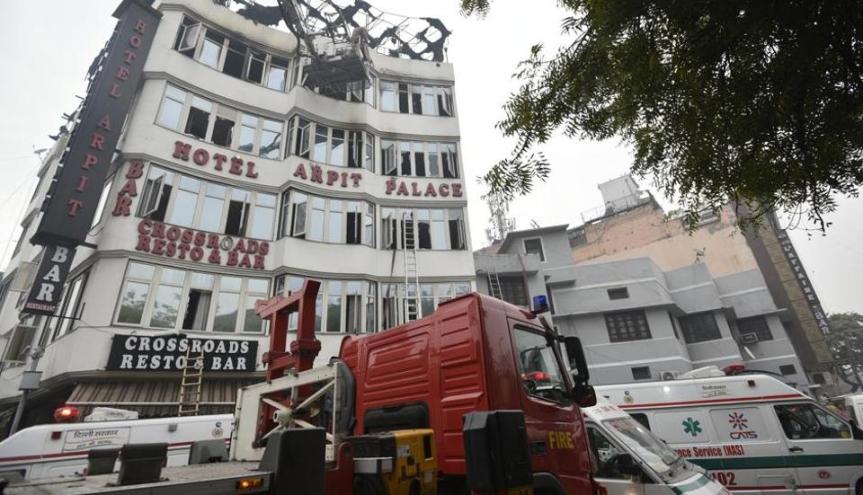
Vandalism In Colleges: Allahabad HC Issues Guidelines For All State Aided Universities


It has to be said with consummate ease that in a notable and latest judgment titled Lucknow University Vandalism v. State of UP in PIL CIVIL No. 19390 of 2018 that was reserved on 29.10.2018 and delivered finally on 28.02.2019, the Allahabad High Court has commendably disposed of a suo motu PIL that it had instituted after violent protests caused injuries to many staff members of Lucknow University on July 4, 2018, by issuing temporary guidelines to all the state-aided universities. These guidelines were formulated by a Committee appointed by the Allahabad High Court on July 6. It will remain in effect until the state government and all government-aided universities frame the necessary rules and regulations to ensure a congenial and conducive environment for academic pursuits in institutions of higher learning.

As it turned out, a Division Bench of Allahabad High Court consisting of Justice Vikram Nath and Justice Rajesh Singh Chauhan had constituted the suo motu PIL after violent protests by a collection of individuals protesting against the rejection of their applications to the university. They alleged that their admission to the post-graduate courses had been denied because they had agitated against the visit of Yogi Adityanath. In the ensuing protests that followed, 10 University staff members were injured including Proctor Vinod Singh and Chief Provost Sangita Rani.

To begin with, the ball is set rolling in the judgment by first and foremost beginning by quoting Swami Vivekananda who once famously stated that, “Education is the manifestation of perfection already in man.” The background in which the purpose of education along with work atmosphere prevalent in any educational institution is then underscored and set out in para 1 which first and foremost points out that, “Education is the light that shows a mankind the right direction to surge. The purpose of education is not just making a student literate but after rationale thinking, knowledge and self-sufficiency. If education fails to inculcate self-discipline and commitment to achieve in the minds of a student, it is not their fault but it is somehow the fault of the entire system. Education is an engine for the growth and progress of any society; it not only imparts knowledge and skill along with inculcating values but it is also responsible for building human capital which creates, operates and sets technical, innovation and economic growth. Besides the above, if the atmosphere of any educational institution, in particular that of higher educational institution is not worthy of studying, nothing can be achieved out of that organisation and all that the students would achieve would be the degraded values, uncivilised and rustic behavior, irresponsible attitude towards the society and nation, sense of responsibility for one and all, etc. Resultant thereof there would be no scope and hope for development of the society and nation in all walks of life, whether it is social, economic, technical, political, philosophical etc. If the atmosphere of any higher educational system/institutes is destroyed, it results in the complete destruction of the values and thus the very purpose of such an organisation is defeated.”

While narrating the nitty gritty of this particular case, it is then observed in para 2 that, “In a backdrop of peculiar facts and circumstances, this Court took cognizance of a news item published in almost all the newspapers in respect of an unbecoming and unfortunate incident dated 4.7.2018 whereby a group of about 25 students, some of whom were rusticated students of the Lucknow University, entered into the University premises in the morning, blocked the way of the Vice Chancellor, raised slogans and threatened him of dire consequences. The motive of the aforesaid untoward incident was to pressurise the Vice Chancellor to take back the rusticated students in the University. It appeared that the said move was politically motivated inasmuch as the slogans to that kind were being uttered by some of the rusticated students. Anyhow, the Vice Chancellor escaped from the aforesaid vandalism with the aid and assistance of the security personnel of the University but in the afternoon when the Vice Chancellor was returning from one function, these students attacked him and his security inside the University campus, resultant thereof about ten teachers of the University were injured along with several security personnel and other ministerial staff of the University. Taking suo motu cognizance of the aforesaid incident in question, this Court passed an order dated 5.7.2018 as under:-

“In all the leading newspapers of Lucknow one of the front-page news is about the attack on the teachers of Lucknow University forcing the Vice Chancellor of the University to close the University indefinitely (sine die) and also at the same time stalling the entire admission process for the Academic Year 2018-19. The report further mentions that on 4.7.2018 a group of about 25 students which included some of the students who had been expelled from the University entered the University premises firstly around 11.30 A.M. and surrounded the Vice Chancellor and raised slogans and also threatened him of dire consequences and demanded re-admission. Later again at about 1.30 P.M. when the Vice Chancellor was returning from a function inside the University premises, these students again attacked the Vice Chancellor and his security. In the entire transaction that took place about 10 teachers of the University were injured along with several security and other ministerial staff of the University. The newspaper report further mentions that the police was informed about the likelihood of the expelled students creating ruckus but despite the same local police did not take appropriate measures to control the situation which was apprehended by the University administration.

It is unfortunate and extremely painful that the students have the courage, audacity and boldness to enter the premises from where they have been expelled and tried to create physical violence and attacked the Vice Chancellor, teachers of the University and staff of the University. Copy of the Hindustan Times Daily published from Lucknow and Dainik Jagran Daily published from Lucknow be made part of the record.

We accordingly direct that this may be registered as a Public Interest Litigation titled ‘Lucknow University Vandalism’.

Put up tomorrow at 10.15 A.M.

We require the presence of the Vice Chancellor, the Registrar and the Proctor of the Lucknow University before the Court for providing necessary assistance. Further we require the presence of the Director General of Police, U.P. and the Senior Superintendent of Police, Lucknow to inform the Court about the steps taken when the University authorities first informed about the likelihood of the incident taking place and also the steps taken after the incident had taken place. Sri Ramesh Pandey, learned Chief Standing Counsel will inform all the authorities mentioned above, both that of University and also of administration so that their presence is ensured”.”

To be sure, it is then explained in para 3 about taking suo moto cognizance by the Court that, “The purpose to take suo motu cognizance of the aforesaid incident was not confined to Lucknow University, but was to bring under its ambit and take judicial notice of a state-wide issue of rampant vandalism and anarchy prevalent in most government aided institutions/Universities in the State, relating to the environment in higher educational institutions, University or Degree College or Medical College or Management College etc. so as to ensure an atmosphere which is conducive and which encourages the students to attain their goals as per their dreams, and where parents do not hesitate in sending their wards to the institution concerned for the reason of any non-congenial, un-academic or unruly atmosphere. If the atmosphere of the higher University/Institute is such where vandalism, goondaism and anarchy is so deep rooted and is a routine feature, no sensible and responsible parent and student would prefer to take admission there. Normally, such types of incidents take place in higher Universities/Institutions, which are managed and controlled by the Government as against the private Institutions/Universities that maintain proper discipline. The stark contrast between the institutions managed/controlled by the Government and private universities/institutions is glaring when it comes to lack of security measures for students and staff on University campus. This Court vide order dated 6.7.2018 expressed its concern as under:-

“We had registered this Public Interest Litigation (P.I.L.) not only for the unfortunate incident which took place at the campus of Lucknow University, but also taking into consideration the number of incidents of rowdyism and vandalism which are occurring in the public institutions of higher education and learning in the State. Violent protests, vandalism, and aggressive agitation are not protected under the umbrella of the Right to Freedom of Speech and Expression and neither our constitutional ideology nor our values endorse it. In fact, such acts only tarnish the core values and ethos of the Constitution.

The incidents of vandalism in Universities’ campuses are spreading and it is becoming a recognizable national pattern. The students instead of adopting peaceful means of protests are now adopting radical and aggressive methods of protests, which are intensifying with each passing day. The support of political parties to such students bodies has further polarized the situation and is going against the spirit of student activism. In the present case, there is visible support of the outsiders in the vandalism, who are not associated with the institution in any manner.

Universities are the temple of modern India. They are the protective spaces for the promotion of democratic ideals of social imagination and civic values. They are trusted upon to educate and produce intelligent, compassionate, critically engaged citizens fully aware of the fact that without informed and educated citizens, there will be no law and order. But at present what is happening across the public universities in the country is juxtaposition. Students need to feel safe in order to learn, and therefore, it is necessary that we have discipline, law and order, a friendly environment of teaching and learning at all educational institutions. Failing in providing so, good students are turning their backs from public universities where education is provided for peanuts and moving to private universities and institutions which are charging hefty fees and flourishing. The basic requirement is determination of good learning environment in these Institutions. The Government is spending Crores of rupees on these Institutions, providing subsidized education for all. Entire infrastructure and human resource made available for imparting education is being utilized to the minimum and in fact is being wasted.

When so much expenditure is incurred, we feel it would be befitting that such huge expenditure would be appropriately and properly utilized to produce the best and for that, if a little more is required to spend, the Government should not think even twice, but implement such security measures as they may deem fit to ensure the best learning environment for the students.

Instead of involving all the different concerned Departments, we require the Chief Secretary of the State to constitute a Committee of the Principal Secretary and experts in the subject for designing a mechanism and laying down standard guidelines and policies for safe and healthy learning environment at these Institutions where students may come free from any kind of apprehension or fear of getting into any incident or mess and the parents may also feel free to send their children to such Institutions, rather than keeping them at home and suggesting that Institutions are unsafe or diverting them to other Private Institutions”.”

Going ahead, the Bench then observes in para 4 that, “Expressing its concern, as above, this Court vide order dated 6.7.2018 fixed the next date for 16.7.2018 and issued direction as under:-

“By the next date fixed, the Chief Secretary will file an affidavit, placing on record constitution of committee as required above and also may be fixed for the Committee to submit its report. We also require the Vice-Chancellor, Lucknow University to work out on similar lines by constituting a Committee and submitting the suggestions. He will also indicate in his affidavit the Constitution of the Committee and the time the Committee would take to submit its report.

Let a copy of the order be provided to Shri Ramesh Pandey, learned Chief Standing Counsel, free of cost, latest by Monday i.e. 9.7.2018, for necessary compliance. Other parties may obtain certified copies of the order on payment of usual charges.

The personal appearance of Vice-Chancellor and the Director General of Police would not be necessary for the next date, however, they are free to come to apprise the Court, but the Proctor, the Registrar of the Lucknow University and the Senior Superintendent of Police will remain present on the next date”.”

It would be instructive to note that it is then illustrated in para 5 that, “On 16.7.2018, this Court passed the following order: –

“Pursuant to our order dated 6.7.2018, the Proctor, the Registrar of the Lucknow University and the new Senior Superintendent of Police, Lucknow, Shri Kalanidhi Naithani are present.

Shri Savitra Vardhan Singh, learned counsel representing Luknow University has filed two separate affidavits, one sworn by the Vice-Chancellor and the other by the Proctor of the Lucknow University. Further, Shri V.K. Shahi, learned Additional Advocate General along with Shri Ramesh Pandey, learned Chief Standing Counsel and Shri Siddharth Dhaon, learned Additional Chief Standing Counsel have filed three separate affidavits, one sworn by the Chief Secretary, the other by the Director General of Police and the third by the present Senior Superintendent of Police, Shri Naithani.

Copies of the affidavits filed by the University have been provided to the State. Appropriate reply may be given within 10 days.

Further, in the affidavit filed by the Chief Secretary, an office order dated 13.7.2018 has been annexed as Annexure-I, whereby a Committee of 11 members have been constituted under the Chairmanship of the Additional Chief Secretary, Higher Education, Department of Government of U.P. and the said Committee is required to submit a report within a month, as observed in the order dated 6.7.2018.

Further, from perusal of affidavit of the Director General of Police reflects that on 5.7.2018, the Circle Officer, Shri Anurag Vats was transferred. Further, the Senior Superintendent of Police, who was posted at the time of incident, has also been transferred on 7.7.2018.

Annexure-A3 is a circular issued by the Director General of Police to all the Senior Superintendent of Police and Superintendent of Police in-charge of the different districts to provide adequate security and ensure that the atmosphere in the Institution of Higher Education of the State is made safe and secure.

According to the affidavit filed by the present Senior Superintendent of Police, the investigation is still going on. Separate police teams have been constituted to arrest the accused who have not been arrested so far. Only 7 accused have been arrested so far. In paragraph 15, it is stated that adequate police force has been deployed at the campus to keep the campus safe and secure. Other steps taken by the present Senior Superintendent of Police have also been mentioned in the affidavit and necessary papers have been attached. Further, 15 days’ time is sought by the Senior Superintendent of Police to arrest the remaining accused and complete the investigation.

The Proctor and the Registrar may submit their replies to the affidavits filed by the State today, if they so desire.

In the affidavit filed by the Vice-Chancellor, Annexure-A5 is an office order dated 11.7.2018, whereby a Committee of 15 members, chaired by the Vice-Chancellor, has been constituted to submit its report as required in the order dated 6.7.2018. In paragraph 17 it has been stated that the Committee will submit its report within 15 days from today.

In our order dated 6.7.2018, we had heard the parties present before the Court orally and had accordingly required them to file their affidavits to place their respective versions, which included 3 officers of the University and two from the Police Department. We have been informed that after passing of the order dated 6.7.2018, the Police administration transferred the then Senior Superintendent of Police on 7.7.2018. No affidavit has been filed by the then Senior Superintendent of Police. A reply may be filed to the affidavit filed by the Proctor by the then Senior Superintendent of Police also.

Further the Principal Secretary (Home) and the Director General of Police, both may file their separate affidavits placing on record the urgency and the reason why the Senior Superintendent of Police was transferred on the very next day when we had taken cognizance and had passed the order dated 6.7.2018.

On this aspect, we are not observing anything at this stage but after perusal of the affidavits of the Director General of Police and Principal Secretary (Home), if necessary, the same would be appropriately dealt with.

List this matter on 06th August, 2018 at 10.15 a.m.

By the said date the University would submit it’s report as it has required 15 days’ time and the progress of the Committee constituted by the Chief Secretary may also be placed on the next date.

On the next date, the Proctor of the Lucknow University and the Senior Superintendent of Police, Lucknow may again remain present”.”

Furthermore, it is then noted in para 6 that, “In compliance of the order being passed by this Court, Sri VK Shahi, learned Addl. Advocate General gave a statement on 13.8.2018 before this Court, that a Committee, as per the directions of this Court, has been constituted under the Chairmanship of Additional Chief Secretary, Higher Education in which there are eleven members and the said Committee is deliberating on the issue and would be submitting its report within fifteen days. On the same date i.e. 13.8.2018, two affidavits, one by Professor Vinod Singh, the Proctor and the other by the Vice Chancellor of the University were filed giving suggestions regarding modalities, which are required in the interest of the Institution in question. A copy of those suggestions was provided to the Committee so constituted under the Chairmanship of Additional Chief Secretary, Higher Education with the direction for the consideration and providing with further suggestions so that the atmosphere of these higher educational institutions be conducive, fixing the next date as 4.9.2018. Sri V.K. Shahi, learned Addl. Advocate General apprised the Court on 4.9.2018 that the Committee of eleven persons constituted by the Government is deliberating and apparently its report has been prepared, therefore, a week’s further time was sought to place the aforesaid report on record. Therefore, the case was posted for 18.9.2018.”

What follows next is what is so explicitly stated in para 7 that, “On 18.9.2018, Sri V.K. Shahi, learned Addl. Advocate General filed two affidavits; one was sworn by the Superintendent of Police, Lucknow placing on record status of the investigation and another one duly sworn by the Secretary, Higher Education, Lucknow enclosing therewith a copy of suggestions given by the Eleven Members Committee constituted by the Chief Secretary, Government of U.P. under the order of this Court. Since the suggestions had already been provided by the Vice Chancellor of Lucknow University on 6.8.2018 and the suggestions by the State Government through affidavit were filed later, this Court directed the Vice Chancellor, Lucknow University to examine the suggestions given by the Committee of the State Government and thereafter prepare a comprehensive report of suggestions which the University may prepare incorporating all the suggestions of the Committee of the State Government, which are not included in the University Report/ Suggestions so that this Court could consider the same on the next date and pass appropriate orders. This Court on 18.9.2018 directed the counsel for the Lucknow University to prepare a comprehensive report and place it before the Court in Hindi and English both, fixing the next date for 29.10.2018.”

To put things in perspective, it is then very rightly underscored in para 8 stating that, “The endeavour of this Court was to determine and prescribe the modalities to create perfect educational atmosphere in the higher Universities / Colleges / Institutes, be it Government Organisations, semi-Government organisations or private organisations so that the students of these organisations / institutes could not only achieve the best education, but also achieve their goals and prove to become assets to the society. It would be in the best interest of the nation inasmuch as the students, who reach on to higher posts and positions in the State instrumentalities and become the instrumentalities in policy making and could contribute their best. The modalities which are set up, rather have been determined and settled jointly by the State Government as well as by the Vice Chancellor of the Lucknow University would be fruitful not only for the University of Lucknow but for all the Universities; whether it be Medical University or Engineering College, Management College or any Degree College of the State Government.”

More importantly, it would be incumbent to now mentions what para 9 illustrates. It states quite explicitly and elegantly that, “On 29.10.2018, learned counsel representing Lucknow University filed an affidavit sworn by the Vice Chancellor, Lucknow University enclosing therewith a copy of the comprehensive report relating to the security measures to be taken by the higher educational institutions of the State as also by the State administration.”

For the sake of brevity, it must be said that in this same para 9, it is then mentioned specifically that,

“Comprehensive Report pursuant to order dt. 18.09.2018 passed by the Hon’ble High Court in PIL Civil No. 19390/2018

In due compliance of the directives of Hon’ble High Court the Vice-Chancellor, Lucknow University submitted his report as an Annexure to his Affidavit Dt. 06.08.2018. To the same reference 11 member Committee constituted by the State convened its meeting on 06.08.2018. After thorough discussion for providing conducive and free environment to the student for education in Universities/Institutions and to frame security standards and procedure report was prepared and submitted before the Hon’ble High Court by the State. In view of the order dt. 18.09.2018 and to prepare a comprehensive report, perusal of the report/minutes dt. 06.08.2018 prepared by the State was done. To invite more suggestions on the subject issue the Vice-Chancellor, Lucknow University convened a meeting of the Vice-Chancellors of all the Universities of the State of U.P. on 23.10.2018. Under the Chairmanship of the Vice-Chancellor, Lucknow University, the Vice-Chancellor of the six Universities and Registrars of the other Universities participated. During the meeting discussion at length was done for providing education friendly, free and healthy environment to the students of the University/Educational Institutions. Security measures and standards for maintenance of law and order in the Universities was also discussed. During the meeting there was a consensus about following measures for necessary action at the level of University Administration/State Administration.

Action to be taken at the level of University Administration:

1. The Proctor along with his team shall visit all the departments of University on regular intervals and ensure tough measures for security. He should maintain law and order in the campus by conducting surprise checks.

2. By department-wise co-ordination with the Heads of Departments responsibility and administrative work should be allotted to every member of proctorial team.

3. Fundamental Security standards should be established for controlling and regulating such incidents in University. Directives should be prepared for permitting entry to the students, teachers and employees of the University.

4. Grievance Redressal mechanism should be enforced for immediate redressal of the grievances of the students and the employees.

5. For ensuring internal security of the Universities and making standards, security audit of the campus should be done in due consultation with Police Administration.

6. For successful functioning of the Central mess or other mess of the University hostels, a committee should be constituted so that timely action could be ensured to deal with the unexpected incidents in the hostels.

7. For maintaining peace and discipline in the University, the Proctor of the University should make effective protocol and should ensure compliance.

8. Student Care System should be established at the level of University and regular efforts should be made for its empowerment.

Action to be taken at the level of state administration/district administration:

1. Regular meetings of the State level coordination committee must be ensured so that security standards in the Universities could be effectively implemented.

2. The Proctors of State Universities should be delegated with the powers of an Executive Magistrate as under Criminal Procedural Code on a permanent basis. These powers are conferred to them temporarily only during examination times.

3. Universities should be declared Academic/peace zones. Necessary legal action should be taken against whosoever found violating such zones.

4. For staging dharna/demonstration by the students, permission from University/District Administration should be made compulsory. Such demonstrations should be banned in University campus and should be permitted only on the places as identified by the District Administration outside the University.

5. Unauthorized entry of the outsiders and expelled students into the University Campus should be kept in the category of Criminal Trespass and action should be taken under the relevant provisions of Criminal Law Amendment Act/Goonda Act.

6. The District Administration should ensure the security audit standards of the campus in due coordination with University Administration.

7. Section 144 format should be prepared by police administration and guidelines should be prepared for its implementation in due consultation with university administration.

8. No student group under the banner of any political party should be allowed to enter into the University Campus. Unauthorized dharna/demonstrations should be prohibited under Section 144 of the Criminal Procedure.

Needless to say, it is then clarified in para 10 that, “The above-mentioned directions / measures are not all-inclusive and are open to additions by the appropriate authorities, so as to ensure the best interest of students, staff and Universities / institutions’ motto and curriculum and ought to be incorporated and enacted upon by the concerned Universities / institutional authorities so as to ensure the best possible outcome from each student, faculty and staff member. These guidelines would provide these government managed / controlled institutions / Universities to compete and be at par with the private institutions by eliminating anti-social activities and elements, thus resulting in meritorious and diligent students to opt for and take admission in these government managed / controlled institutions without any hesitation.”

It also cannot be discounted that it is then observed in para 11 that, “This Court has taken judicial notice of the budget sanctioned by the State for the State controlled / managed Universities / institutions which is a whooping amount of Rs 3506376 lacs i.e. almost Rs. Three thousand fie hundred crores for the educational financial year 2018-2019.” Para 12 then illustrates the enormous budget allocated for higher education in the state of U.P. for the financial years 2016-2017, 2017-2018 and 2018-2019.

Now coming to para 13, it minces no words in holding that, “It has been noticed by this Court that a huge budget is allocated for higher education but the atmosphere of the higher educational institutes of U.P. whether it be University or Colleges is not so productive and conducive for students inasmuch as quite often there is threat of insecurity for trivial issues. Students, who are not interested in studying and are interested in destroying the educational atmosphere of the University / Organisation ruin and collapse the entire atmosphere of the organisation for their ulterior motives resultant thereof the students at large, who are genuinely interested in studying, who come to the University to achieve higher standards in studies so as to achieve their goal, cannot achieve the same and sometimes give up on their dreams and aspirations, knowingly and unknowingly, and join those anti-social elements of the University, who are proxy students or ostensible students, consequently, depriving the nation from dedicated students with good academic background. All the aforesaid anti-social activities can be cured by adopting proper mechanism as there is no scarcity of funds, therefore, the aforementioned huge fund may be utilised in maintaining law and order along with a good, conducive and productive atmosphere in the campus.”

Honestly speaking, the Bench then acknowledges candidly in para 14 that, “We cannot turn our eyes away from the apparent and ostensive difference in tuition fee between the government managed / controlled institutions and the private universities / colleges, the result of which is evident when it comes to quality of education being imparted at both types of institutions.”

What’s more, the Bench then points out in para 15 that, “Education empowers an individual with intrinsic as well as instrumental values. It is but a means of development of the society as a whole which in effect is a step towards the empowerment of mankind. For this purpose to be truly fulfilled, education friendly environment is a must. With the Right to Education having been deemed as a Fundamental Right, our policy makers have ensured that proper and solid foundation be laid towards achieving this goal of educating every young mind in the nation. But it is important to take note here that an academic friendly environment is not only necessary just at the basic, primary level but also in higher educational institutes / Universities. It is these higher educational institutions / organizations that pave way for the next leaders of the nation in all streams of life, and therefore it is of utmost importance that a professional, productive and constructive environment is maintained in these institutes so as to enable the students to achieve their academic goals.”

It cannot be lost on us that the Bench then in para 16 among other things acknowledges the unpalatable truth that, “Unwarranted behaviour on University campus as in the present case which encourages vandalism, hooliganism, goondaism and anarchy is becoming a pattern / trend in the country and as is evident in this case, students with political / monetary backing are creating ruckus and chaos without any fear of sanction. It is time that these corrosive activities in the name of Student Body Elections and other activities be checked and controlled as per the regulations applicable by the Supreme Court not just for the sake of security but also to inculcate the ideology and principle of idealism and professionalism on campuses. It is the duty of the administrative system of the University and the State to ensure mental peace and safety for their children within the minds of parents.”

Simply put, the Bench then stipulates in para 17 that, “To ensure and fulfil the agenda, initiated today via this PIL, it is of utmost importance that the guidelines / measures above discussed should be implemented and enacted upon with utmost urgency so as to achieve productive and positive outcomes.”

Truth be told, the Bench then also acknowledges in para 18 that, “It has also been noticed that despite the colossal amount allocated to the University / Universities in budget, students with quality academic background and merit do not turn up to take admission on account of non-productive atmosphere in such Universities and these students prefer Private Universities / Colleges over Universities / Colleges managed and controlled by the Government. It is a well-known fact that with the backing of the sanctioned budget by the State, the government managed / controlled institutions / Universities hire the best ie. Crème de la crème, of faculty after due process and proper vetting. But due to the non-academic environment present in most of these institutions / Universities, meritorious students who avoid taking admission in the said Universities / institutions are depriving themselves, thus resulting in wastage / non-optimum utilization of the vast reservoir of knowledge at their dispense. The State is willing to finance and pump in money for the betterment of students as is evident from the budget quoted in the earlier part of this order but it’s a shame that the best of the best students cannot make use of this facility because of such unruly activities. Further, the free structure is very low and no substantial fund is generated out of fee of the students because of which for financial aid, such Universities bank upon the Central / State budget. The Universities may utilize this budget to uplift the educational atmosphere and standard of the University by providing good facility of library, improving standards of faculties, creating extra curriculum facilities relating to education, social, philosophical, physical and mental fitness etc in the Universities besides a sense of security and protection so that not only good students get attracted to the University but are also able to achieve high standards in life which would be in the best of their interest and in the best interest of the nation too. Therefore, the modalities which have been suggested by the competent authority of the State as well as by the Vice Chancellor of the University as considered above may be adopted in its letter and spirit.”

Finally and perhaps most importantly, it is then directed by the Allahabad High Court Bench in para 19 that, “We accordingly issue a Mandamus to the State Government and to all the government aided institutions of higher education and learning in all streams of education to frame the necessary statutes, rules and regulations and by laws / ordinances as may be necessary for maintenance of a congenial and conducive atmosphere of education within the campuses taking into consideration the suggestions / recommendations contained in the comprehensive report quoted in this order and any other provision which may be deemed necessary as we have already held that the suggestions and recommendations contained in the report are only inclusive and not exhaustive. For the said purpose we also direct the State Government and the government aided educational organizations to bring about the necessary laws within six months and till such time as necessary laws are enacted, the suggestions and recommendations quoted above may be implemented forthwith.”

All in all, this latest, landmark and laudable judgment by the 2 Judge Bench of the Allahabad High Court was the crying need of the hour! The State Government and the government aided educational organizations must abide by what the Allahabad High Court has directed so commendably and courageously by constituting suo moto PIL. It brooks no delay anymore! The comprehensive report submitted must be implemented in totality at the earliest along with other all such measures which even though not listed but are necessary in making the atmosphere of educational institutions more conducive and vibrant!

Sanjeev Sirohi, Advocate,

s/o Col BPS Sirohi,

A 82, Defence Enclave,

Sardhana Road, Kankerkhera,

Meerut – 250001, Uttar Pradesh.

University of Michigan

One of the foremost research universities in the United States, the University of Michigan was founded in 1817, before Michigan had even become a state, and moved from Detroit to what is now its Central campus in Ann Arbor in 1837. 
Michigan spans 780 acres, which is made up of its Central and North campuses, two regional campuses, and a center in Detroit. It has a large student body of around 45,000, with undergraduates numbering two-thirds of that number. 
Michigan has been lauded for having high standards of research, and the university’s comprehensive graduate program offers doctoral degrees in the humanities, social sciences, and STEM fields (science, technology, engineering and mathematics) as well as professional degrees in architecture, business, medicine, law, pharmacy, nursing, social work, public health, and dentistry.
Michigan\’s body of living alumni comprises more than 540,000 people, which is one of the largest alumni bases of any university in the world and a valuable resource for current students when it comes to networking and building industry connections.
Around a quarter of all students are accommodated on campus, with three large residence halls serving undergraduates, and family housing which is intended mainly for graduates. There are also off-campus apartments, houses, and co-operatives, which generally house upper division and graduate students, as well as ‘theme communities’ within residence halls, where students can immerse themselves among peers with similar interests. 
Michigan has nearly 1,500 clubs and societies, including engineering project teams, community service organizations, and charitable projects. The Michigan Marching Band is over 100 years old and has 350 student members, and other noted musical ensembles include the University of Michigan Men’s Glee Club, a men’s chorus with over 100 members. 
Michigan has a history of student activism, and there are a number of groups dedicated to various worth causes. Some, such as the United Students Against Sweatshops (USAS), devote themselves to more left-wing causes, in this case holding to account multinational companies that exploit their workers in factories, but there are also conservative groups such as Young Americans for Freedom, as well as non-partisan groups. 
Cultural and ethnical student organizations help students forge smaller communities from the large university population, and publications such as the Michigan Daily, published five days a week during term time, allow students to keep abreast of the latest news on campus. 

Peking University

Related image

The oldest higher education institution in China, Peking University was founded in 1898 as a replacement for the ancient Guozijian school (Imperial College). By the early 1920s, it had become a center for Chinese progressive thought, playing an important role in China\’s New Culture Movement, the May Fourth Movement, and the Tiananmen Square protest of 1989, among other significant historical events. 
Peking University has been consistently ranked as the top academic institution in China. As well as being renowned academically, it’s well-known for its stunning campus grounds and for the beauty of its traditional Chinese architecture. Peking University has educated some of the most prominent figures in Chinese history, including Mao Zedong. 
The main university campus is in the former site of the Qing Dynasty imperial gardens and as such features traditional Chinese-style landscaping, including traditional houses, gardens, pagodas, as well as many notable historical buildings and structures. Weiming Lake is to the north of the campus and is surrounded by walking paths and small gardens. 
The university grounds are also home to museums, such as the Museum of University History and the Arthur M. Sackler Museum of Art and Archaeology, in which students can view objects dating back thousands of years. It’s an environment to feed the enquiring minds of young students – not that the academic curriculum doesn’t already do that. 
Peking University is a leading university for science research and teaching and has successfully developed applied sciences research and teaching as well. There are 30 colleges and 12 departments, with 93 undergraduate programs, 199 master\’s degree programs, and 173 options for doctoral candidates. 
Peking is eager for students to receive not only comprehensive education, but to take part in student life to the full.  Life on campus is rich with sport and extracurricular fare, with more than 200 student organizations and a range of activities running year-round. 
Sport is important, with Beida Cup Athletic Championships taking place each year, while festivals and events such as the International Cultural Festival, or Singing Competition for Foreign Students, allow students to meet up, make friends and enjoy a balanced life outside of their studies. 

The Australian National University

The Australian National University (ANU) is a world-leading centre for education and research. Ranked in Australia and in the world (QS World University Rankings 2016-17), Australia’s national university is further distinguished by an outstanding record for student satisfaction and graduate employability.

For academic and professional staff, ANU offers excellent conditions including flexible working arrangements, professional development opportunities, competitive pay and generous superannuation – all within an integrated and engaged on-campus community. Learn more about the benefits of working at ANU http://www.anu.edu.au/jobs