Day: January 25, 2020
“Be smart, not over smart with the consular officer during the visa interview.” —Professor M.S. Rao
More stuff about quality
This week and last we had two visiting speakers which focussed me in on quality again. John Milne from Massey university ran a workshop on eLearning Guidelines (an eLearning Collaborative development funded project). All NZ tertiary educators are invited to contribute to the guidelines and develop their own for practical use in their institutions through a wiki accessible from the eLearn website.
In response to a scenario we developed with a student who joined the workshop, we developed a couple of new and very important guidelines, and found several existing ones which were relevant.
The scenario was:
An off-campus multimedia student is using blended methods (mainly eLearning)in a course. The student has a dial-up connection at home and has difficulty getting on-campus access to the computers and software. Not all computers have the necessary tools/software. The student also doesn\’t have them at home and no access from home. The students are given training in using some software in the first week, then no further training and little support from the lecturer. There is no after hours support.
Some people in the workshop found the session a bit wishy washy, but it was a collaborative and consultative exercise which doesn\’t suit everyone. Some people just want to be told. Guidelines are guidelines not standards and as such need ongoing discussion be dynamic and continually evolving.
The other speaker was Professor Fred Lockwood, a very experienced academic in the field of open and distacne learning. I went to hear his talk at the university about quality and distance education. I recorded part of the talk and had his permission to use it, though he did seem bemused that anyone would want to listen to it.
In his talk he made several interesting points in the way of questions about what we do in distance/flexible learning. Reading between the lines and through his humour it was clear to me that he thought the university was deficient in many areas – he had just conducted a review of their distance programmes and was helping them with a distance learning strategy.
The points which I identified with were:
1. Learner needs and how important it was to pay attention to them.
2. The need to conduct developmental testing with realstudents and reward them with free fees for such courses, with new flexibly offered courses. Even something as a textbook recommended by a lecturer can be unsuitable in the opinion of the students. This is rarely done at OP.
3. Too much information was a common problem so that students who were expecting to study for 5 hrs a week ended up getting increasingly more stuff to read and hand in until they could end up studying well over the 5 hrs per week. In Fred\’s words, \”good value for money getting 35 hrs a week of study…\”
I brought Fred back to OP to speak with a small group (in the Council room with tea) including some managers and people from EDC and other parts of OP which was good. We had an informal discussion and some good points came out e.g. open courseware. Looking out for the learners – part-time, lifelong learners etc. It was a useful session but I wish I\’d asked him to chat about developmental testing so the managers could have got the message.
Fred has also asked me to contact him about putting together a book proposal for something from NZ and across countries too for the Open and Flexible Learning series. Not sure whn I\’ll have time to do anything, but it would be good to coordinate something and collaborate to write a chapter.
Quality is very important in not only attracting students but also in helping with retention. Quality starts before students enrol (18% lost before they \”register\”) and should continue all the way through with the resources offered, access, teacher support/facilitation and should meet learners\’ needs.
Unfortunately in the model we appear to be adopting, online and product is being pushed which is shoving us along the inflexible rather than the flexible path. If we were truly to meet learner needs, we would adopt a truly flexible model where learners negotiate their content and their assessments and the way they learn. We are trying this to some extent with the Design course.
My online presence
All the teaching I am engaged in these days also requires me to have an online presence. I develop and use open educational resources, and I use a range of strategies for interacting with the class and facilitating their learning experience. By having an ePortfolio – this blog and a wiki user page – it is very easy to keep my profile and my achievements handy, and to update and contextualize them. Unfortunately, I don\’t spend enough time on the updating side of things, nor have I been that effective at keeping all the projects I have been involved in linked into my portfolio. I see the wiki as a more static porfolio resource, containing documentation of my achievements and also supporting evidence, whereas the blog is used as a way to convey my professional philosophy – attitudes, beliefs, and values – and evidence of critical reflection on my work.
So far I have not been very good at gathering all the evidence together in a common storage locker, e.g., Mahara or Pebble Pad. This is because I prefer to use a variety of web-based tools, so I tend to have stuff all over the place. What I do need to do is feed all my material from the social networking sites I use into one spot, and I can easily do this on my WikiEducator user page.
My online presence is all over the place – on a recent search on Google I found wads of material I had forgotten about. The impervious finger in many pies syndrome. So the octopus which is my PLE needs restraining somehow. Therefore, my goal for an ePortfolio is to create a more organised online presence, one in which I can find myself easily.
Short Essay on \’Discipline\’ (171 Words
Discipline is an important virtue in one\’s life. Discipline means complete obedience to certain rules and regulations. Life without discipline is just like a house without a roof. It is absolutely essential for successful life.Discipline is the structural and fundamental unit of a successful person. It is essential for us in home, for soldiers in battlefield, for students in school, for players in playground. A team of experienced players often lose the match because of indiscipline in the team. A horrible battle can be won by a disciplined army.
Discipline is very important in a student\’s life. He must obey his teachers, must abide by the rules of school. He should be sincere, dedicated, firm and focus his goals. If he violates, then he suffers a great deal in his future.
As a student is the future of our country, so, he needs to be very punctual to his routine, hard working, healthy and fit. Discipline demands self-control and dedication. It let to the formation of a good society and nation as well.
Short Essay on \’Discipline\’ (171 Words
Discipline is an important virtue in one\’s life. Discipline means complete obedience to certain rules and regulations. Life without discipline is just like a house without a roof. It is absolutely essential for successful life.Discipline is the structural and fundamental unit of a successful person. It is essential for us in home, for soldiers in battlefield, for students in school, for players in playground. A team of experienced players often lose the match because of indiscipline in the team. A horrible battle can be won by a disciplined army.
Discipline is very important in a student\’s life. He must obey his teachers, must abide by the rules of school. He should be sincere, dedicated, firm and focus his goals. If he violates, then he suffers a great deal in his future.
As a student is the future of our country, so, he needs to be very punctual to his routine, hard working, healthy and fit. Discipline demands self-control and dedication. It let to the formation of a good society and nation as well.
Short Essay on \’Discipline\’ (171 Words
Discipline is an important virtue in one\’s life. Discipline means complete obedience to certain rules and regulations. Life without discipline is just like a house without a roof. It is absolutely essential for successful life.Discipline is the structural and fundamental unit of a successful person. It is essential for us in home, for soldiers in battlefield, for students in school, for players in playground. A team of experienced players often lose the match because of indiscipline in the team. A horrible battle can be won by a disciplined army.
Discipline is very important in a student\’s life. He must obey his teachers, must abide by the rules of school. He should be sincere, dedicated, firm and focus his goals. If he violates, then he suffers a great deal in his future.
As a student is the future of our country, so, he needs to be very punctual to his routine, hard working, healthy and fit. Discipline demands self-control and dedication. It let to the formation of a good society and nation as well.
\’Valentine\’s Day: 14 February\’ (156 Words)
Several martyrdom stories were invented for the various Valentines that belonged to February 14. One of the most popular stories says that Saint Valentine was imprisoned. During his imprisonment, he healed the daughter of his jailer, Asterius. Before his execution he wrote her a letter signed \’Your Valentine\’. Therefore, the day is celebrated in remembrance of the martyrdom of the priest for love.
Valentine\’s Day is gaining its popularity in India day by day. In India, this day got prominence from the year 1992 but now it is much popular among the young lovers in India. Valentine\’s Day symbols that are used today include the heart-shaped outline, doves, and the figure of the winged Cupid.
\’Valentine\’s Day: 14 February\’ (156 Words)
Several martyrdom stories were invented for the various Valentines that belonged to February 14. One of the most popular stories says that Saint Valentine was imprisoned. During his imprisonment, he healed the daughter of his jailer, Asterius. Before his execution he wrote her a letter signed \’Your Valentine\’. Therefore, the day is celebrated in remembrance of the martyrdom of the priest for love.
Valentine\’s Day is gaining its popularity in India day by day. In India, this day got prominence from the year 1992 but now it is much popular among the young lovers in India. Valentine\’s Day symbols that are used today include the heart-shaped outline, doves, and the figure of the winged Cupid.
\’Valentine\’s Day: 14 February\’ (156 Words)
Several martyrdom stories were invented for the various Valentines that belonged to February 14. One of the most popular stories says that Saint Valentine was imprisoned. During his imprisonment, he healed the daughter of his jailer, Asterius. Before his execution he wrote her a letter signed \’Your Valentine\’. Therefore, the day is celebrated in remembrance of the martyrdom of the priest for love.
Valentine\’s Day is gaining its popularity in India day by day. In India, this day got prominence from the year 1992 but now it is much popular among the young lovers in India. Valentine\’s Day symbols that are used today include the heart-shaped outline, doves, and the figure of the winged Cupid.
Build It – Project-Based Learning In Full Bloom
![]() |
| Source: ASIDE 2016 |
The library makerspace was in full bloom this year, giving our students an amazing opportunity to learn by doing. They were encouraged to use a variety of applications to explore different ways to demonstrate their academic abilities as they related to curricula thematic units. The finished products were anything but projects; they combined informational, visual, and spatial literacies, and they actively pushed students to think critically and solve problems.
![]() |
| Source: ASIDE 2016 |
As with any project-based learning experience, it required collaboration. The nursery, Kindergarten, second-grade teachers, and librarians worked together to design an interactive, hands-on unit to engage students on multiple levels throughout the process. The following projects represent a symphony of parts, but most of all, they could not have culminated into this extraordinary learning experience for the students without an incredible group of dedicated friends and colleagues.
![]() |
| Source: ASIDE 2016 |
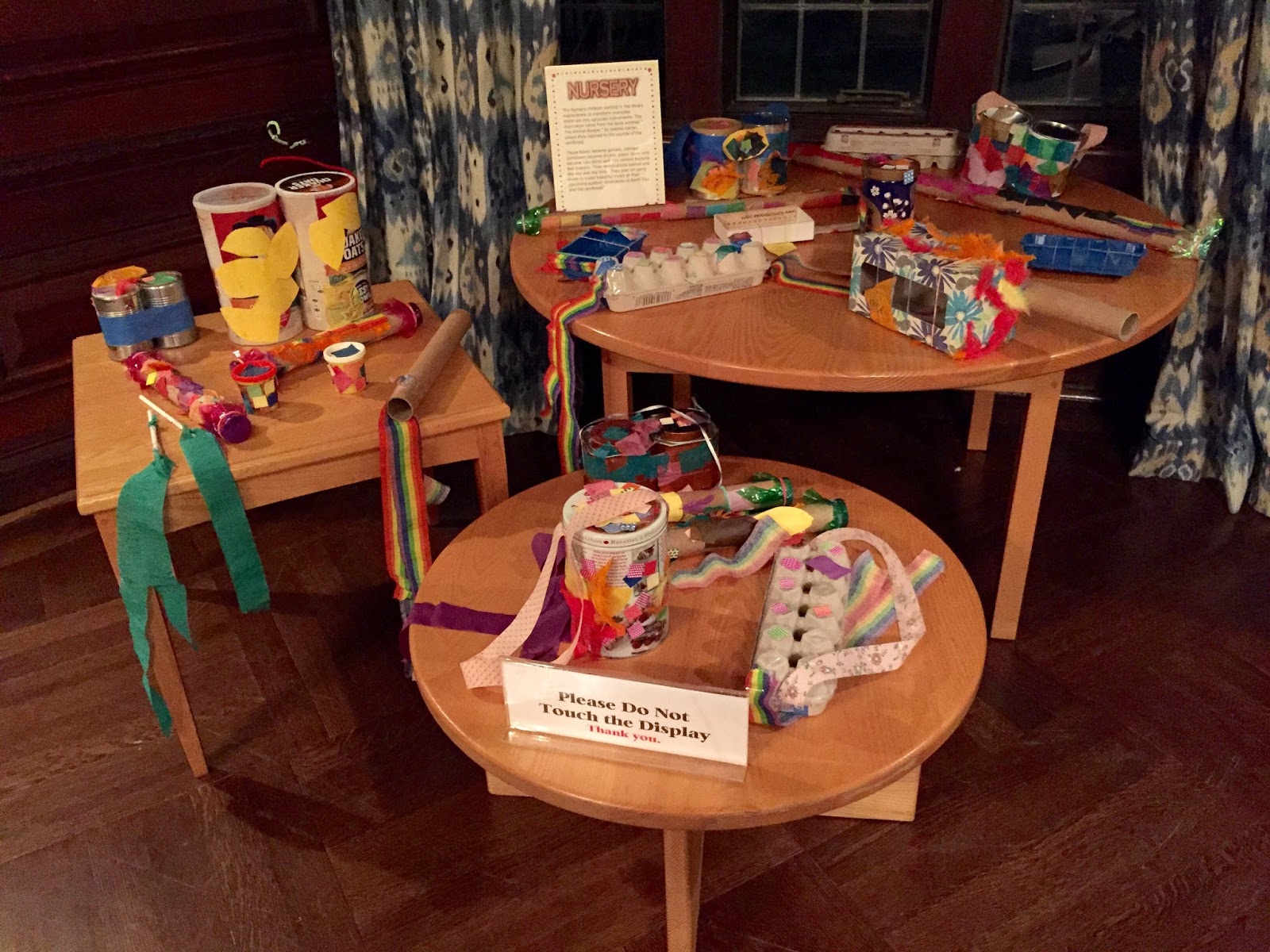
Teachers Elizabeth Wakhale and Lori Zwick described it this way: “The nursery children worked in the library makerspace with librarian, Stephanie Temple, to transform everyday materials into upcycled instruments. The inspiration came from the book entitled The Animal Boogie, by Debbie Harter, where they listened to the sounds of the rainforest. Tissue boxes became guitars, oatmeal containers became drums, paper towel rolls became rain sticks, and egg cartons became bell shakers. Their imaginations soared, and the sky was the limit.” The children will play their musical instruments in their outdoor celebration of Earth Day and the rainforest in the campus amphitheater at the end of the week.
![]() |
| Source: ASIDE 2016 |
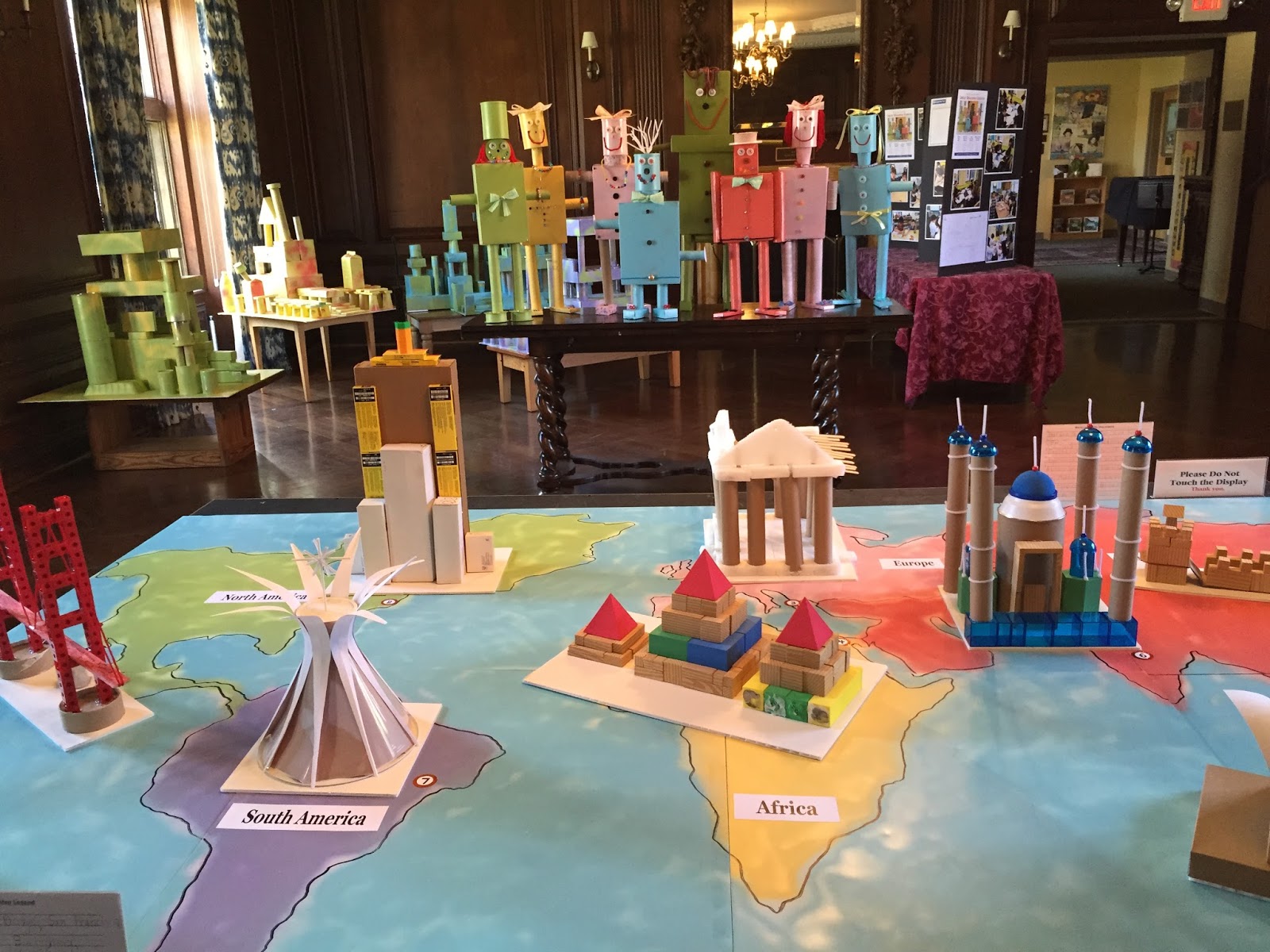
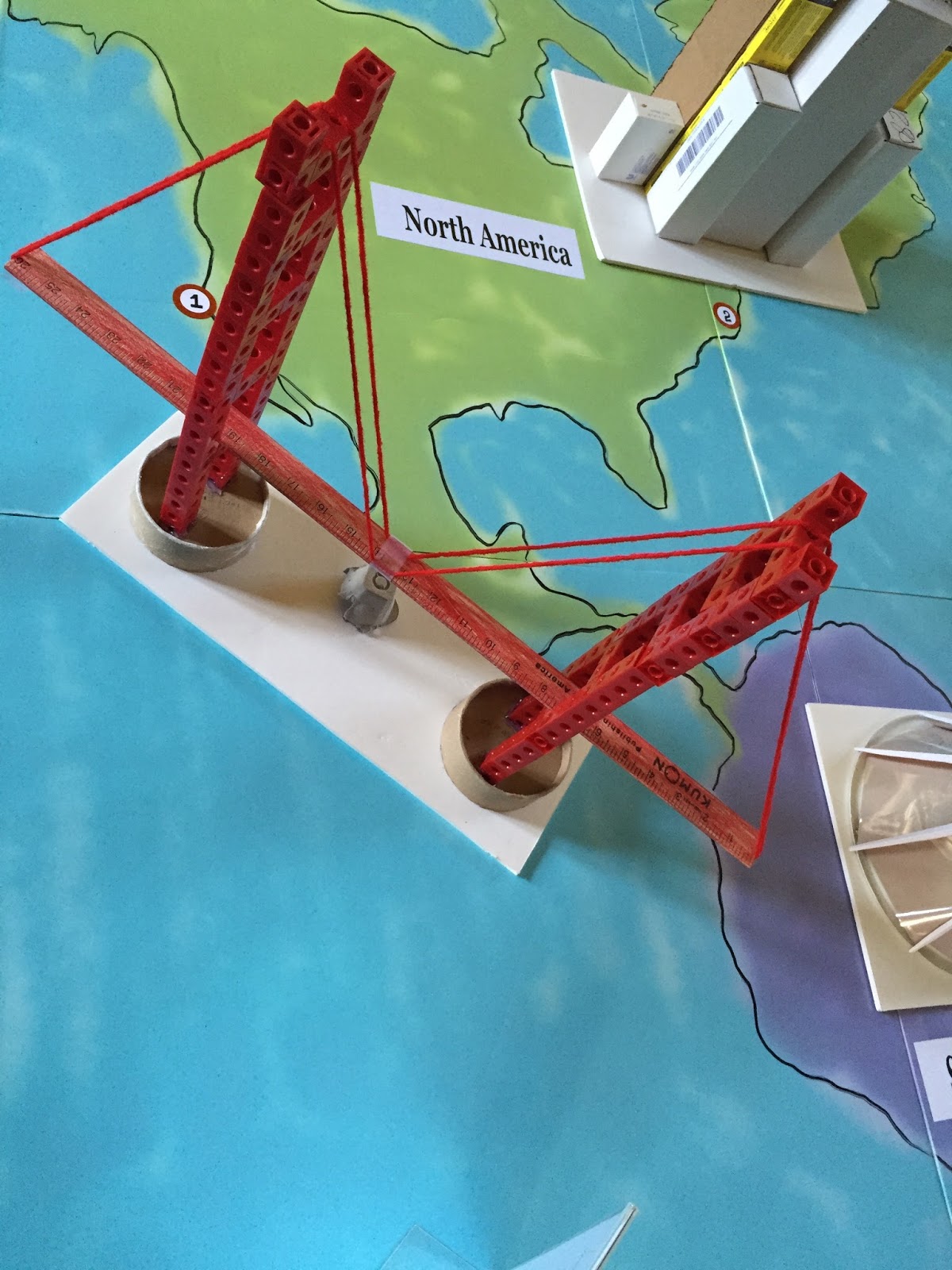
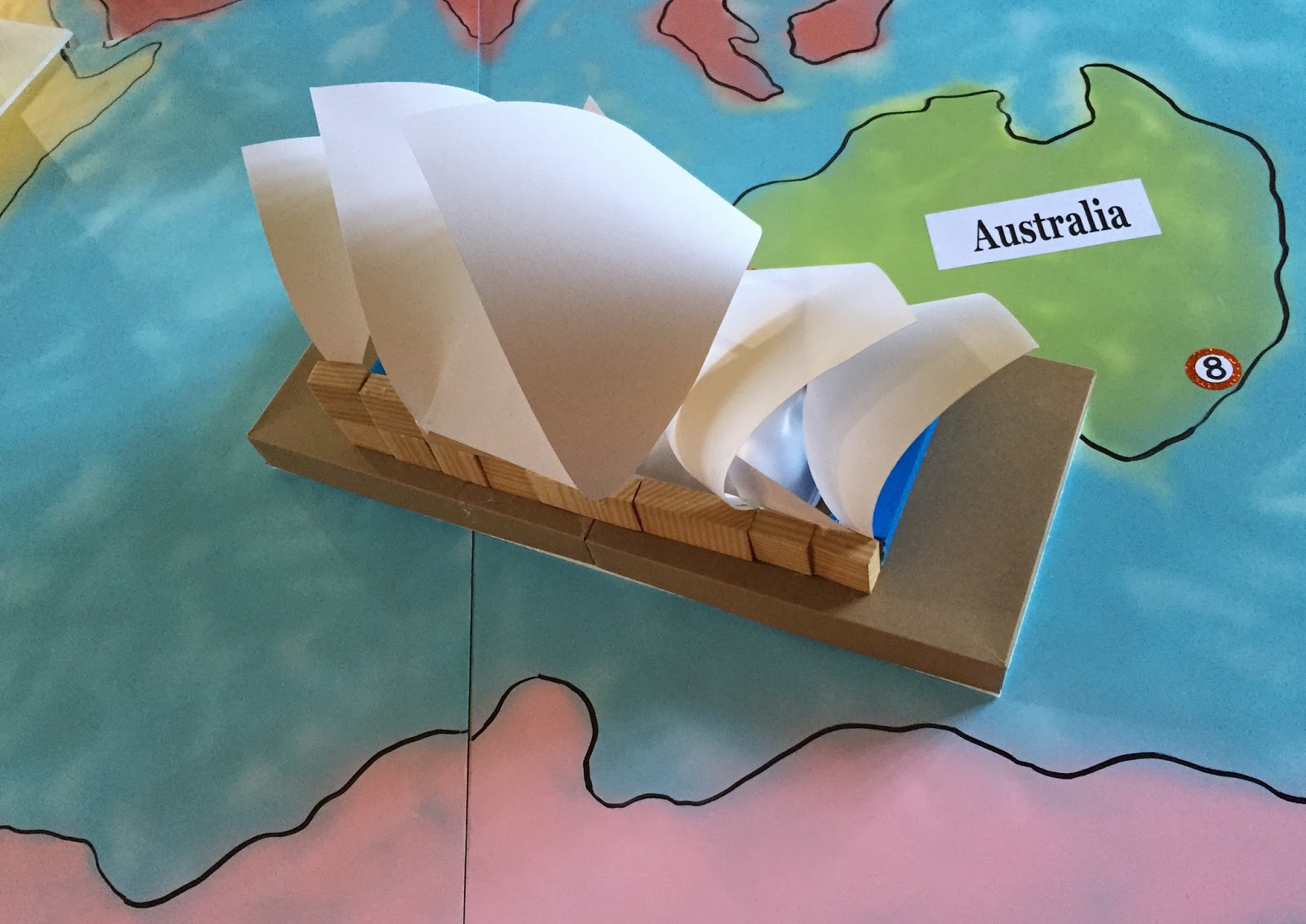
The students in Kindergarten used engineering skills to create blue prints of world landmarks by deconstructing the shapes of buildings, finding the materials they needed to build them, and erecting the structures in three-dimensional forms. Geography was an integral part of the learning process. The students studied the continents and made map keys to mark where each of the landmarks was located.
The Kindergarteners learned about community helpers with their teachers Marybeth Horne and Jessica Shippos. This project was a way for them to see how community builders must have worked together to construct important cultural landmarks. “It was amazing to see how the students carefully deconstructed the different geometric shapes for their blueprints to figure out they materials they needed to build their own creations,” said librarian, Stephanie Temple.
![]() |
| Source: ASIDE 2016 |
![]() |
| Source: ASIDE 2016 |
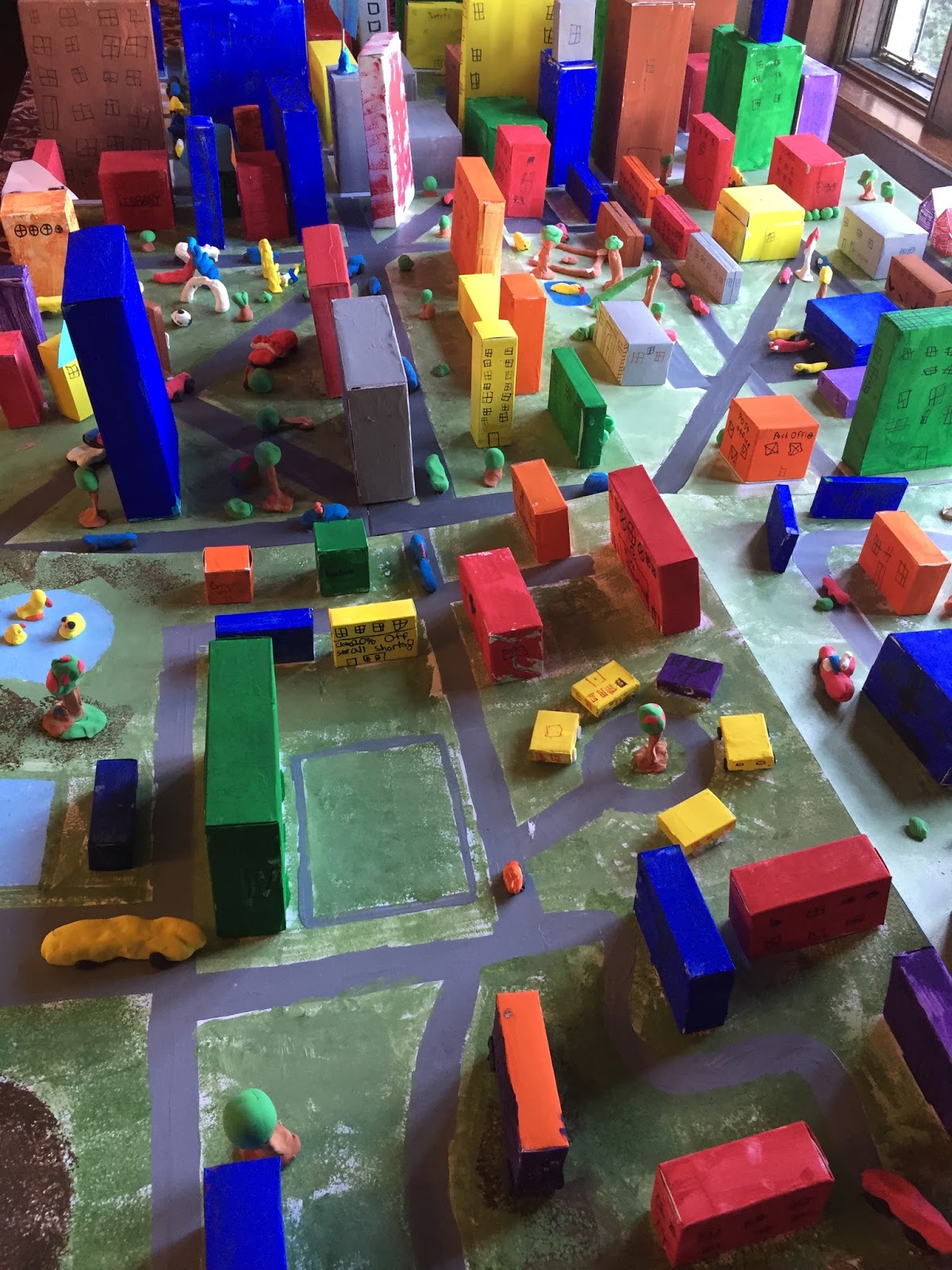
The second graders became urban planners and architectural engineers to answer the question, “Where Do People Live?” They used a variety of visual tools such as sketchnotes and mapping to plan their physical urban, suburban, and rural communities. This involved visually transferring a two-dimensional map into a three-dimensional environment.
The second grade teachers, Stefani Rosenthal and Jessica Raffaele, had the students document the communities by taking photographs on their iPads. They imported the images into the Book Creator app in which they reflected in writing on the needs of a community and the type of community in which they would like to live. It was a perfect combination of “High Tech, High Touch.”
![]() |
| Source: ASIDE 2016 |
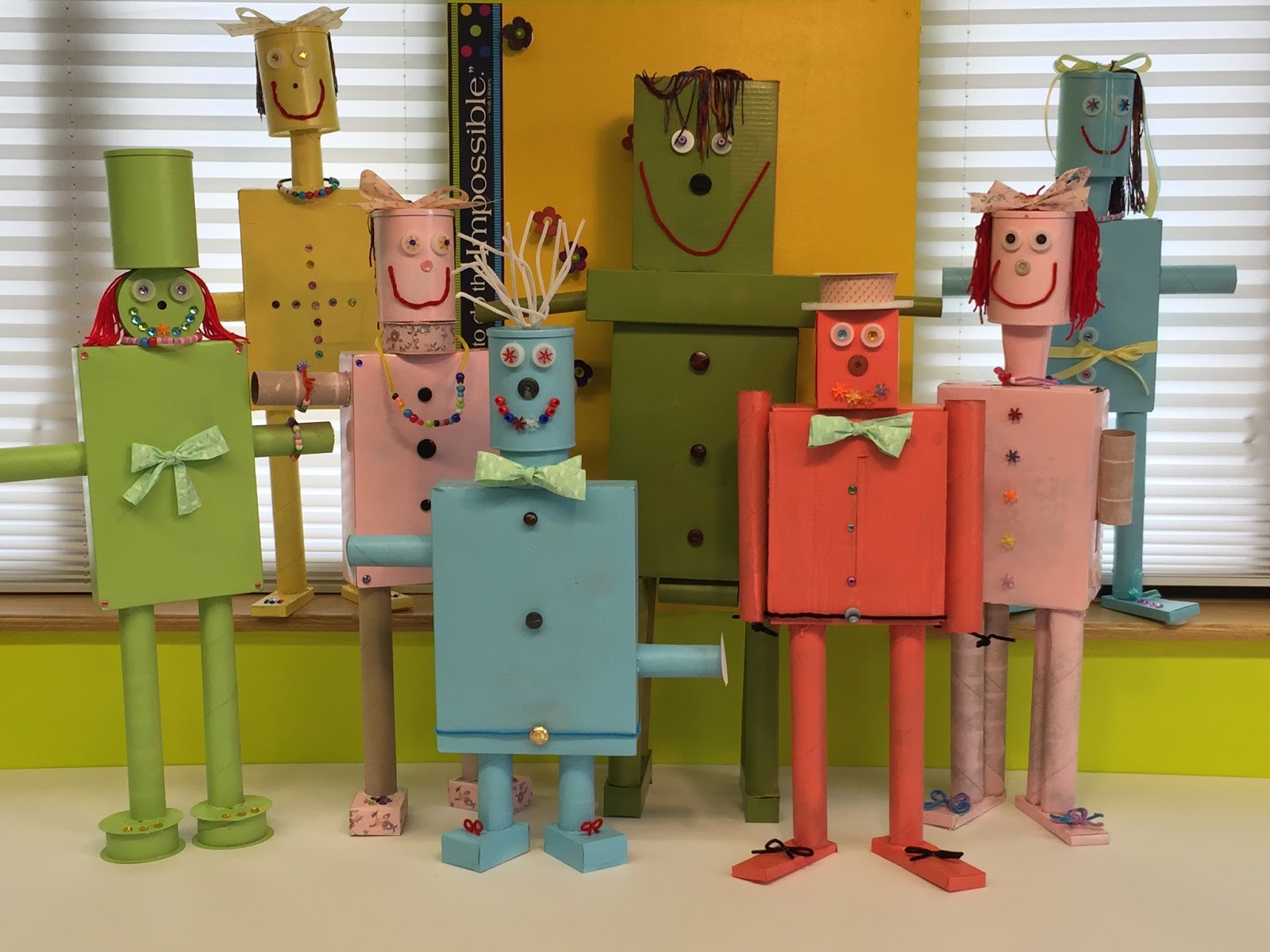
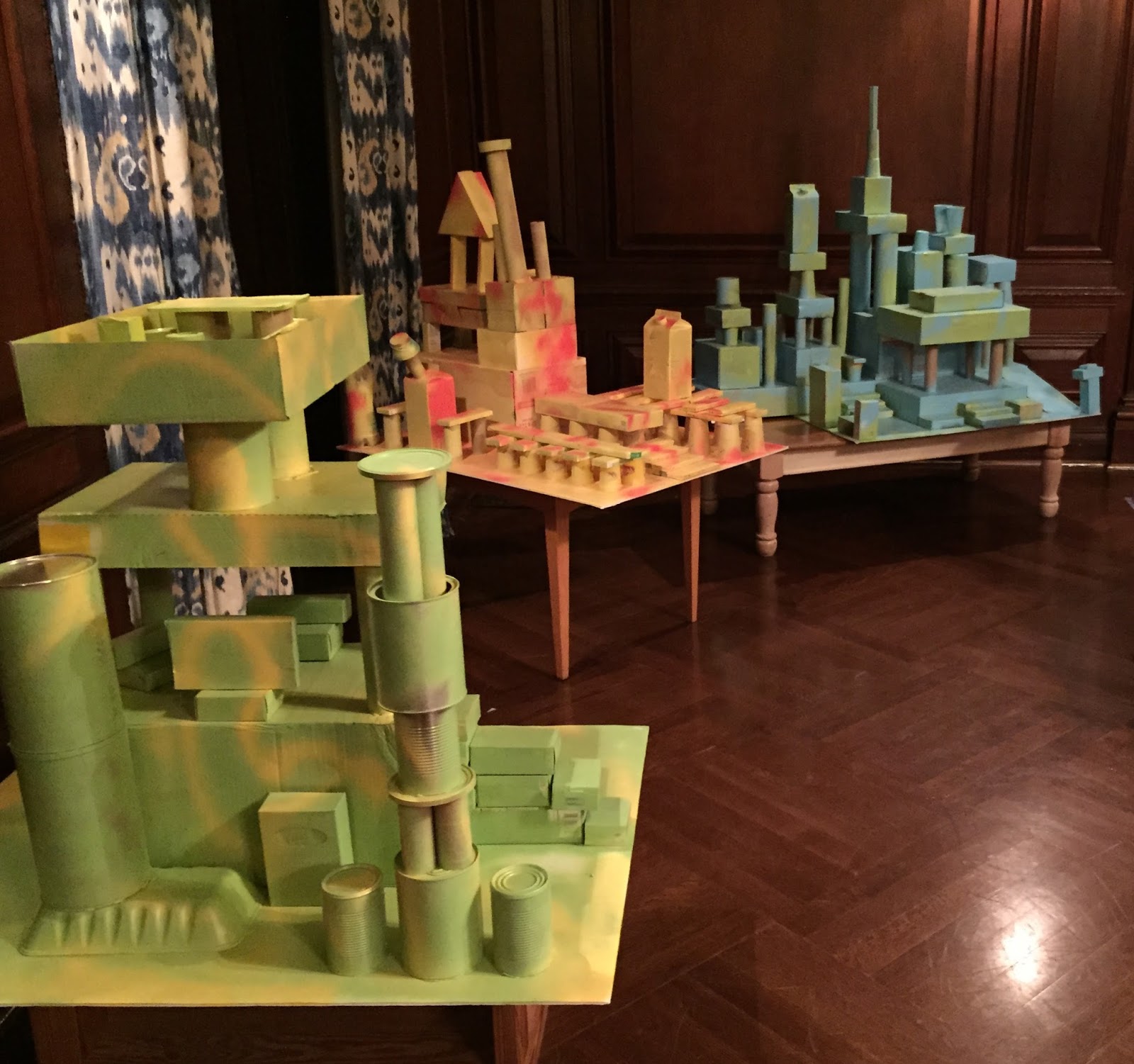
Our “Build It” after school program was also a big hit. The whimsical robots and imaginary landscapes captured the hearts and minds of everyone. It was an amazing experience for the students to see their handiwork on display. It was the school hot spot for the week, with lots of photo opportunities with their creations.
Most of all, nothing limited their creativity. When the exhibition opened, the students could not have been prouder, nor could we.
SXSWEdu 2015: Education For All – How Far Have We Come?
![]() |
| Source: TES Global |
An important and undeniable thrust of the 2015 SXSWEdu conference has been the attempt to reconcile the nation’s educational inequalities. Marquee panels and sofa conversations alike have centered on this notion of access – access to college, to technology, to careers, to mentors, to professional development, to contemporary learning tools.
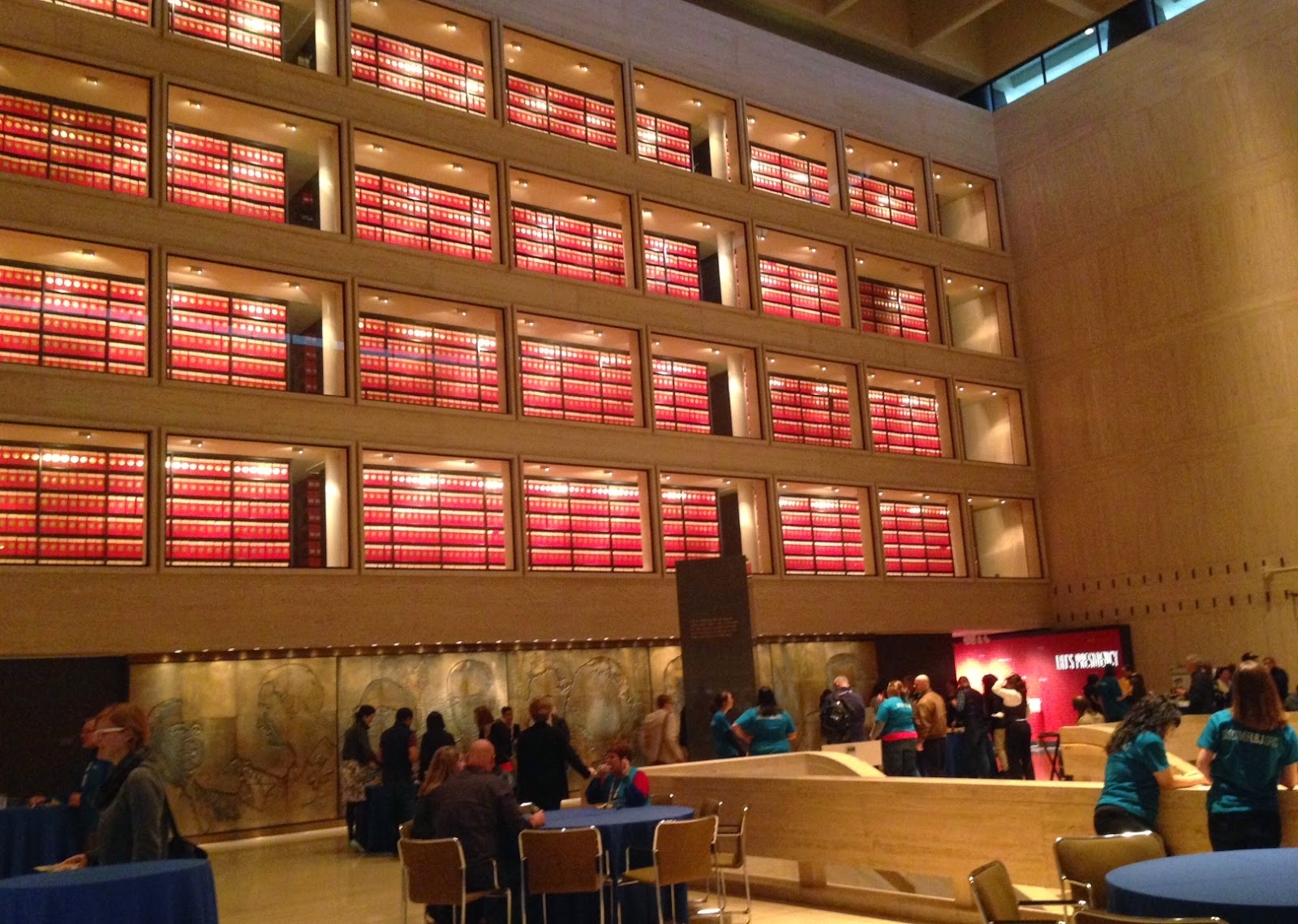
Last night’s reception at the Lyndon Baines Johnson Presidential Library made this theme immediate in bringing together historians and educators to commemorate the 50th anniversary of the Voting Rights Act.
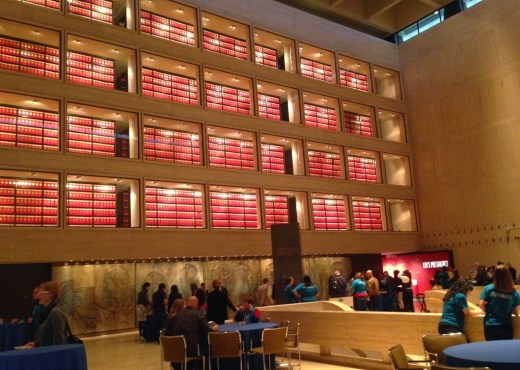
![]() |
| Source: LBJ Presidential Library, ASIDE 2015 |
This morning, Second Lady Of The United States Dr. Jill Biden kept this dialogue moving forward in leading a summit by the Bill & Melinda Gates Foundation about redesigning higher education to fuel student success. Dr. Biden noted that education is the great equalizer, the basis for a better life. For this reason, she stressed, “Teaching is not what I do. It’s who I am.”
A panel discussion later with Jamie Casap, Timothy Jones, and Isis Stephanie Cerda focused more intently on the need for diversity within educational technology. Similar messages emerged in workshops on “Equal Opportunity For Deeper Learning,” “My Brother’s Keeper: One Year Later,” and “Teaching A New Narrative For Black Male Achievement.”

![]() |
| Source: ASIDE 2015 |
An equally critical thread appeared in the number of talks about empowering girls and women in technology and entrepreneurship. For example, EdTechWomen was named this year’s official SXSWEdu Change Maker. Other titles included: “Women Disruptors 2.0,” “Paying It Forward: Leveraging Today’s Female Voice,” “Empowering Girls And Women To Lead,” “Digital Diversity: Minority Women In EdTech,” and “EdTech For Educational Inclusion.”
Another highlight of the day was Kristin Ziemke’s and Cheryl Boes’ presentation of innovative project examples to engage young learners with voice, choice, and audience. Their use of easy apps and elementary blogging revealed the many avenues that let children demonstrate understanding in exciting, authentic ways.
A later workshop featured a panel of thought leaders who promoted creativity in schools. They championed “less talking and more doing.” The speakers paraded both theoretical and tangible ways to inspire kids as imaginative thinkers. As Jonathan Plucker, Professor at the University Of Connecticut, noted, “creativity is about constraints.” A teacher’s task, therefore, is to help students identify constraints and then decide which ones to get rid of, which ones to ignore, and which ones to live with.
Ultimately, after a day of education and introspection, of creativity and contemplation, we recalled John Ashbery’s lines from Three Poems, which speak to the impossibility of certainty and the elusiveness of knowing:
“The term ignorant is indeed perhaps an overstatement, implying as it does that something is known somewhere, whereas in reality we are not even sure of this: we in fact cannot aver with any degree of certainty that we are ignorant. Yet this is not so bad; we have at any rate kept our open-mindedness — that, at least, we may be sure that we have — and are not in any danger, or so it seems, of freezing into the pious attitudes of those true spiritual bigots whose faces are turned toward eternity and who therefore can see nothing.”
Short Biography of ‘Sudha Chandran’ (212 Words)
Sudha had just turned sixteen when she and her parents set off on a vacation to South India. On their return journey, their bus was hit by a truck. It was a terrible accident and Sudha had fractured her leg. Unfortunately, the fractured foot got infected and lastly removed. She was fitted with an artificial foot.
Sudha resumed dance lessons. It was not easy at all with artificial foot. Her strong will and hard work paid off. Very soon she started dancing in front of an audience again. Soon she became very popular. Inspired by her story, in 1982 ‘Mayuri’, a Telugu film was made. She acted in the film herself. Later, in 1986, it was remade in Hindi, and called ‘Nache Mayuri’. After that she acted in many other films, too. Her television serials are also screened in several countries.
Sudha Chandran is much more than an actor or a dancer– She is a living legend.
Short Essay on ‘Game I Like Most’ (140 Words)
There are many outdoor and indoor games but I like Hockey the most. Hockey is the most interesting outdoor game to me, because there is too much life in it. It keeps a player always busy physically as well as mentally. It is a very popular game all over the world. Hockey is also the national sport of India.Hockey is a sport in which two teams play against each other by trying to maneuver a ball into the opponent’s goal using a hockey stick. In present, there are many forms of Hockey ie. Field hockey, Ice hockey, Roller hockey, Sledge hockey and Street hockey.
In Hockey India has an impressive record with many Olympic gold medals. The Golden Era of hockey in India was the period from 1928 – 1956 when India won 6 consecutive gold medals in the Olympic Games.
\’Tips to Policyholders of LIC\’ (280 Words)
- Enquire with your agent about new innovative plans devised by LIC.
- Intimate LIC of India your E-mail address, Telephone number, Mobile number and Fax number for faster communication on matters relating not only to your policy services like premium reminders, claim alerts but also to update you on new plan/ services being offered by LIC.
- Maturity proceeds can be reinvested in attractive products of LIC viz. investment oriented products like LIC\’s Market Plus, Profit Plus, LIC\’s Bima Nivesh, Bima Bachat or Pension Schemes like New Jeevan SurakshaI, LIC\’s Jeevan AkshayVI etc.
- In case of any complaint, the full policy details with the name of the servicing branch may be provided for quick disposal of the complaint.
- LIC has launched an Enterprise Portal where policyholder can register and get information about his policy as well as products of LIC on portal itself.
- Make use of various services available with the help of Information Technology initatives elaborated.
- Check the nomination status under the policy and intimate changes, if any, for speedy settlement of claims.
- Pay the premiums in time (wherever possible, using facility of Metro/ Wide Area Network/ Internet/ Online Payment/ ATM\’s of Corporation Bank and Axis Bank and ECS).
- Revive the policy in case it has lapsed, so that the valuable insurance cover is kept intact.
- Review periodically the insurance needs of self and the family so that adequate insurance protection is ensured.


You must be logged in to post a comment.