


Mental health is being understood as one of the primary areas in health protocols around the world and has also been included in the Sustainable Development Goals. Mental Disorders are among the leading causes of nonfatal disease burden in India, but the States lack a systematic understanding like the risk factors, disease burden. In 2017, 197·3 million (95% UI 178·4–216·4) people had mental disorders in India, including 45·7 million (42·4–49·8) with depressive disorders and 44·9 million (41·2–48·9) with anxiety disorders. One in seven Indians were affected by mental disorders of varying severity in 2017. In the same year, India launched the Mental Health Care Act which focused on delivering
proper, inexpensive, and widespread permits to mental health care. The proportional contribution of mental disorders to the total disease burden in India has almost doubled since 1990. The World Health Organization (WHO) reported in 2001 that about 450 million people worldwide suffer from some form of mental disorder or brain condition and that one in four people meet criteria at some point in their life. More than 2 million adults in the U.S. are coping
with bipolar disorder right now. https://www.webmd.com/bipolar-disorder/understanding-bipolar-disorder
Depression and bipolar disorder!
Depression and BPD have similarities but they aren’t the same. Depression deals with deep thoughts, emptiness, feeling low, not loving things that you probably used to cherish, extreme sleep problems. Bipolar disorder deals with both ups and downs in moods. One may feel irresistible, energetic in extreme highs, and depressed, awful in extreme lows.
What is bipolar disorder?
Earlier people used to consider bipolar as mood swing but research showed that a disorder named as ‘Bipolar Disorder’ causes tremendous shifts in moods from extreme low to extreme high. Bi means two and polar refers to the two polarities in the mood. Bipolar disorder is basically a serious mental illness of the brain. An individual can go for periods of depression and boosted moods(extreme low and extreme high). If severely boosted moods then it is known as mania, whereas if not so severe then these are called hypomania.
Causes.
The exact cause is unknown but there are unavoidable facets that contribute to this epic disorder. The causes can be genetic as well as due to surrounding. Environmental causes include long term stress, childhood abuse, psychological trauma. Genetic facets constitute about 70–90% of the risk of developing bipolar disorder.
Symptoms.
In this disorder, the individual may go through highs and lows in mood and personality. When they are extremely high they feel on top of the world, can’t sleep, unbeatable, easily distracted with low focus, a lot of energy, showing risky and impulsive behavior. In their major lows, they feel depressed, hopeless, guilty, do not sleep or sometimes may sleep a lot, loss of appetite, loss or gain in weight. While these symptoms go on, they also come up with suicidal thoughts. In severe conditions, they can outdo committing suicide too.
Treatment.
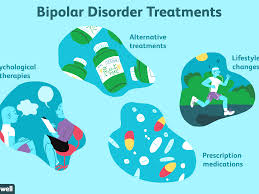
Psychotherapy, antidepressant, Antipsychotics, mood stabilizers, talk therapies.
What if not treated?
If not treated in due course of time, an individual may indulge in alcohol and drugs. In less serious cases, they may end up losing a job, dissatisfaction with themselves. If a student suffers from BPD, he may face grades declining or may even fail. If the treatment not delivered in proper time, they end up giving on life and commit suicide.
If you are suffering from one such, then go visit a doctor and take proper medication. Do not ignore such conditions, talk to your beloved one!

 Eduindex
You must be logged in to post a comment.