

A language is a comprehensive term that can be defined as a process of communication, where certain ideas are conveyed through sound or signs. Language is primarily spoken and not written, as written form of language is called script. Language is social by nature and an inseparable culture of the people, who have created the language at certain point of time; a society blossoms with the development of a particular language.
According to facts and figures, there are over 5000 languages in the world, but at the same time 25 languages disappear every year, because of negligence or no speakers. Therefore to put simply, it can be said that with the innovation of language, a society develops; without it, a society nullifies.
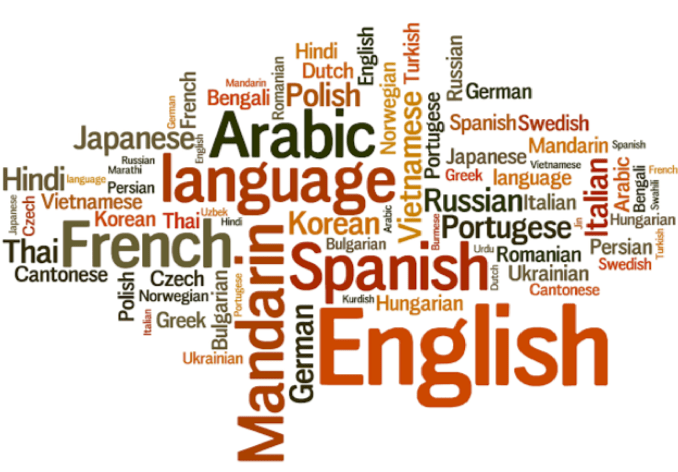
Functions of a Language
Language is a medium of expressing one’s thoughts and ideas through sound and symbols in a variety of ways. It is often regarded as a tool because of the previously mentioned cause. So, a language thus serves voluminous amount of purposes as per the requirements.
The basic function of a language is to communicate information of a some particular sort. It is used to inform others, to express certain ideas, feelings, moods, experiences etc. In addition to this, technically, language is an extremely complex and highly versatile and code that is used for exchanging the generated emotions. Another major function that language serves is that of expressive function, that has been demonstrated by literature, poetry and music. It is used to express the feeling of the speaker on one hand while on the other, it can be used to generate the same feeling in the listeners. As a matter of fact, Socrates and Plato consider language to be a mechanism which provides truth and knowledge.
On a very different note, it has been also analysed in linguistic studies (the study of language) that a language is a reflection of any particular society. It is seen that choice of words in a language—even for gender, ways of speaking and the rules for conversing are highly determined by certain social requirements. For consideration, let us take one example for a better understanding of the fact mentioned above. In Bengali language, there are no set of words to show gender differentiation whereas in Hindi, there are set of words that reflect gender differentiation.
It is also not a very denying fact that it is a language only that makes us different from the animals. Language is prerogative of man and makes him more civilised in the society, that in turn leads to the progress of a society. Moreover, Language is to be learnt only; it is not something that we have inherited biologically but acquired in life as a part of culture of any regional or religious groups.
Not only this but specific terms are also used for the people acquiring special knowledge of languages, as there a number of people who are capable of speaking more than one or two language(s) at a time. For example, a person is called bilingual of he speaks two languages while he is called multilingual if he speaks more than one language; polyglot is a person having a command of many languages while a linguist is a person involved in observing all the human languages and interprets them on the basis of sound and meaning.
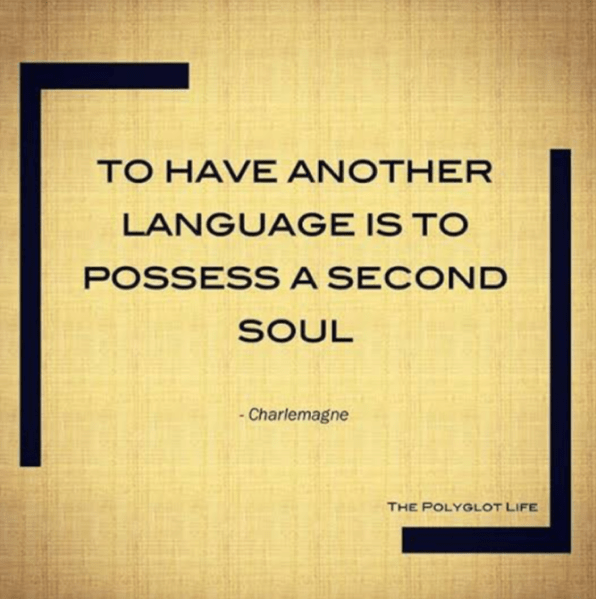
However, each and every language has its own kind of grammar, vocabulary and pronunciation. This is because of the regional influences on language. This makes one language different than other but at the same time a lot of similarities can be found amongst the languages. For instance, if we compare Bengali, Assamese and Odiya languages, we will find a lot of similar words have been used, though all of them are different as well unique in their own way. In fact, language also generates various dialects or off shoots from itself that are spoken by particular community of any region. Like in Bengali, there are several dialects, such as Bangal, Sylheti, Ho, Santhali etc. and these all are spoken by some Bengali communities. Therefore, it can be commented that language becomes a mode of socialisation; it’s a mirror of the society, that binds every person through a thread, giving them an identity of there own, because it is from language only that the region of a person is recognized. In the words of professor David Crystal, “Language is the repository of the history of a people. It is their identity.”
Now as a conclusive part of this entire topic, it can be said that language is something that is bit complex to understand and define, although it is easier to learn. Language also has a great role to play in cultural accumulation and historical transmission. Every system of storing uses language, be it drama, printed books,Proverbs, symbols or music. It has been the constant endeavour of human beings to gain more knowledge about this world. Language makes this possible by providing a medium to express, reason and make sense of human perceptions. Language is a part of our intangible heritage as well; it is a part of our culture and provides a specific identity of our own. As a part of our heritage, importance of language should be understood and should be protected by using it to the maximum during any conversation, or else it would get extinct form the world, which means loss of a unique heritage. In a nutshell it can be stated that language plays a very pivotal part in binding us with our society in a thread; a person may die due to any chronic illness, but he definitely dies when he’s incapable of speaking any language, hence.

 Eduindex
You must be logged in to post a comment.