

On 17 June 2013, a major destruction caused when a flood came down overflowing the banks of Chorabari lake in Uttarakhand. The flood caused destruction of houses, buildings, temples and everything. The flood contained heavy rocks, slits and water and destroyed everything which came in its way. It took lives of many people living in the valley. It was a heavy loss of the lives of people and too for property and buildings. Thousands of people died, many were rescued and a lot went missing. Many kids left orphan, many parents lost their children in this tragedy. The pain of people could never be covered. This natural calamity left people in tears, government helpless and everyone devastated.
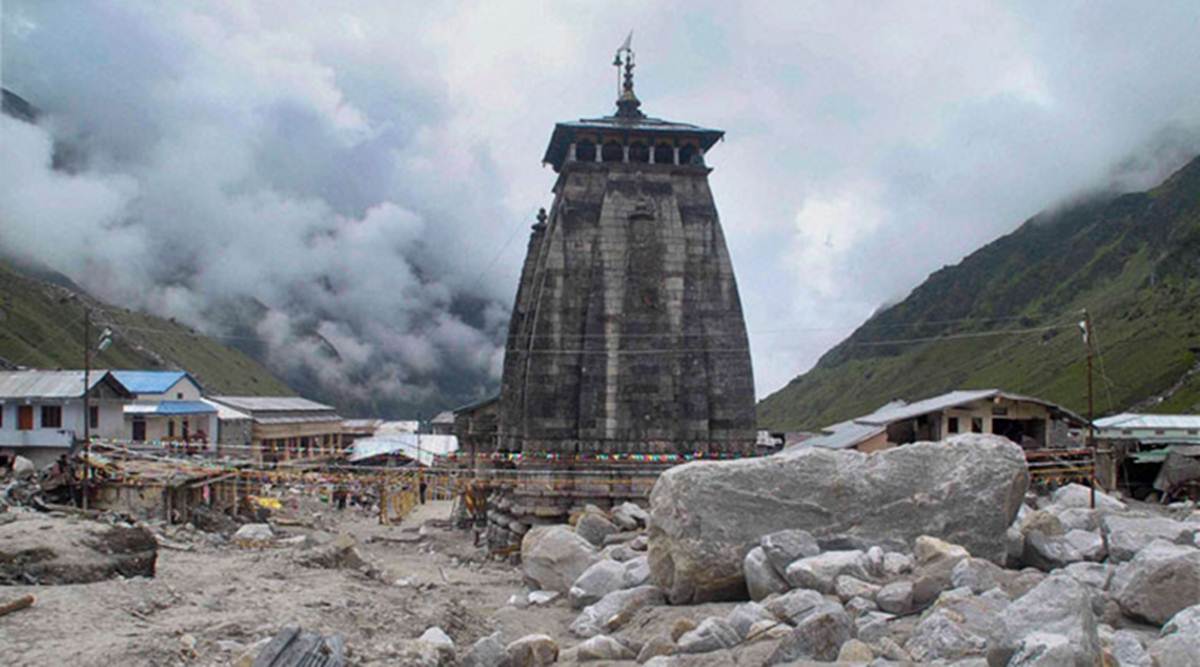
In Uttarakhand, between 13 June to 17 June, the stated received immense of rainfall which led to melting in the Chorabari glacier and the eruption of the Mandakini river. The flood even affected the boundaries of the state of Himachal Pradesh and Western Nepal in huge amount. The heavy rainfall caused massive flash floods and landslides resulting in the death of residents and tourists as well as extensive damage to property. Reportedly the worst hit was the Kedarnath valley popular for the 8th century temple dedicated to Lord Shiva. The flood left behind a death toll of more than 5000. Ecologist Chandra Prakash Kala notes in a report that “the approximate cost of damaged bridges and roads was $285 million, dam projects worth $ 30 million and loss to state tourism worth $195 million.”
Thousands of pilgrims visit the place every year, it is a holy place for both hindus and sikhs, the temples of kedarnath, badrinath, yamunotri are of great importance. Hemkund Sahhib Ji the holy place for sikhs is a sacred place which invites many tourists and pilgrims every year. The upper Himalayan regions of Himachal Pradesh and Uttarakhand are difficult to access due to the difficult snow-clad terrain. But a good number of pilgrims make the trip every year due to these religious sites. Despite the natural causes for this flood, also the unplanned and haphazard construction, mismanaged tourism and related activities including intensive mining in this fragile ecosystem are some of the reasons that made to name this natural disaster partly as man-made that increased the intensity and magnitude of damages.In order to meet with the rising demands of religious tourism, the state government built an intricate network of roads, hotels, lodges and carried out other construction activities into the remote mountainous regions of the Himalayas. However, it is also true that the unexpected timing of the rainfall and the unusual amount of it also did not leave enough time for the pilgrims to evacuate, thereby increasing the magnitude of the impact.
After this tragedy, Indian Air Force (IAF) resuced almost 50,000 people from the valley. 5748 people died in the floods and 4550 villages were affected including Himachal Pradesh and Western Nepal. 3,886 people are still listed as missing and authorities assume that they were swept away and drowned.

However, the state government was forced to cancel it on account of the damage caused to roads and bridges. After 100 days of deafening silence the pilgrimage route to Kedarnath was finally opened on October 5, but only a small number of pilgrims were allowed at a time. However, religious tourism continued to remain affected for the next couple of years. It is worth noting though that despite the damage caused and the fear instilled by the floods, faith of the pilgrims was restored when they realised that though most parts of Kedarnath town had undergone a catastrophe, what remained untouched was the Shiva temple built in the 8th century AD.

 Eduindex