

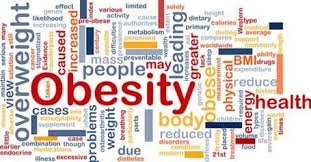
Obesity is a major health challenge worldwide. Apart from known health hazards such as heart disease and diabetes, it can also prevent sexual intimacy and may ruin your social life, experts say. India is home to the third-highest number of obese and overweight people, according to recent reports.
Obesity is categorised on the basis of BMI, which is defined as the body mass divided by the square of the body height and is universally expressed in units of kg/m2, resulting from mass in kilograms and height in metres.
Further, apart from the physical intimacy, obesity may also affect the social life, as overweight or obese people are more prone to being bullied, humiliated or ostracised. They are also more likely to engage in bullying behaviour.
The fear of bullying may also lead them to exercise less and stay indoors.
Obesity creates a negative self-image. An individual feels demotivated and there’s lack of self-confidence. Such people are unable to accept their weight and their size can leave them sleeping single in a double bed,” Deep Goel, Director (Department of Bariatrics) and Gastrointestinal Onco Surgeon, BLK Super Speciality Hospital, told IANS.

Human beings are social animals, and the tenor of someone’s social life is one of the most important influences on their mental and physical health. Without positive, durable relationships, both minds and bodies can fall apart.

As humans, social interaction is essential to every aspect of our health. Research shows that having a strong network of support or strong community bonds fosters both emotional and physical health and is an important component of adult life. Over the years, there have been a number of studies showcasing the relationship between social support and the quality of physical and psychological health.
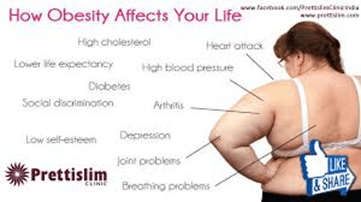
Obesity is a social issue. An overweight person may worry about what others think. When people judge you unfairly, it can make you feel like it’s your fault. Well-meaning parents, siblings, or friends can sometimes make things worse by making “suggestions” about food or exercise. These good intentions may come across as criticism. Some teens that are overweight are teased or bullied.
Teasing and bullying can make you feel sad or embarrassed. Fear of being judged or rejected might make you shy away from people. You may stop doing things you enjoy. But the best thing to do is to take your mind — and other people’s — off your weight and back onto you as a person. The most common way to determine if a person is overweight or obese is to calculate body mass index (BMI). BMI is an estimate of body fat based on comparing a person’s weight to his or her height.
So it clearly shows that weight discrimination is a part of the obesity problem and not the solution. So, everyone, including doctors, should stop blaming and shaming people for their weight and offer support, and where appropriate, treatment because when confidence fades and self-esteem takes a beating, it’s harder to stick with a weight loss program.
Discriminating against slim, overweight or obese, people does not help them to lose weight. In fact, the embarrassment, humiliation and stress they feel from such discrimination are likely to cause them to gain weight not to lose weight.
Previous research has shown that people who are stigmatized for being overweight are more likely to engage in behaviour that promote obesity, including problematic eating, avoidance of physical activity and a refusal to restrict their food intake.
conclusion
Obesity can lead to sudden death, heart attack, diabetes and may unwanted illnesses. Stop it by making healthy choices.
serious measures are to be taken to fight against this dreadful phenomenon that is spreading its wings far and wide. Giving proper education on benefits of staying fit and mindful eating is as important as curbing this issue. Utmost importance must be given to healthy eating habits right from the small age so that they follow the same until the end of their life.
References
1.enwikipedia.org
2.www.tegonity.com

 Eduindex
You must be logged in to post a comment.