

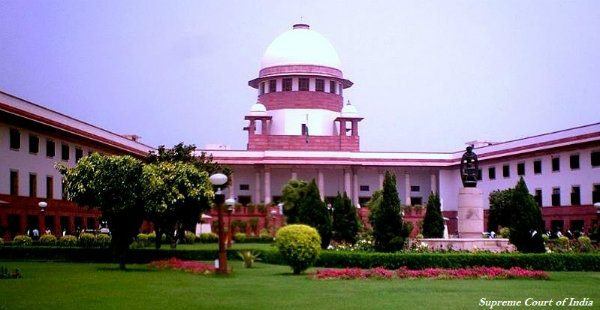
The Supreme Court of India is the highest authority of the judiciary.
The Judiciary is the third organ of the government. It has the responsibility to apply the laws to specific cases and settle all disputes. The real ‘meaning of law’ is what the judges decide during the course of giving their judgements in various cases. From the citizen’s point of view, Judiciary is the most important organ of the government because it acts as their protector against the possible excesses of legislative and executive organs. Role of Judiciary as the guardian-protector of the constitution and the fundamental rights of the people makes it more respectable than other two organs.
Functions of Judiciary and Its Importance:
1. To Give Justice to the people:
The first and foremost function of the judiciary is to give justice to the people, whenever they may approach it. It awards punishment to those who after trial are found guilty of violating the laws of the state or the rights of the people.
The aggrieved citizens can go to the courts for seeking redress and compensation. They can do so either when they fear any harm to their rights or after they have suffered any loss. The judiciary fixes the quantity and quality of punishment to be given to the criminals. It decides all cases involving grant of compensations to the citizens.
2. Protection of Rights:
The judiciary has the supreme responsibility to safeguard the rights of the people. A citizen has the right to seek the protection of the judiciary in case his rights are violated or threatened to be violated by the government or by private organisations or fellow citizens. In all such cases, it becomes the responsibility of the judiciary to protect his rights of the people.
3. Guardian of the Constitution:
judiciary acts as the guardian of the Constitution. The Constitution is the supreme law of the land and it is the responsibility of the judiciary to interpret and protect it. For this purpose the judiciary can conduct judicial review over any law for determining as to whether or not it is in accordance with the letter and spirit of the constitution. In case any law is found ultra vires (unconstitutional), it is rejected by the judiciary and it becomes invalid for future. This power of the court is called the power of judicial review.
4. Advisory Functions:
Very often the courts are given the responsibility to give advisory opinions to the rulers on any legal matter. For example, the President of India the power to refer to the Supreme Court any question of law or fact which is of public importance.
5. To Conduct Judicial Inquiries:
Judges are very often called upon to head Enquiry Commissions constituted to enquire into some serious incidents resulting from the alleged errors or omissions on the part of government or some public servants. Commissions of enquiry headed by a single judge are also sometimes constituted for investigating important and complicated issues and problems.
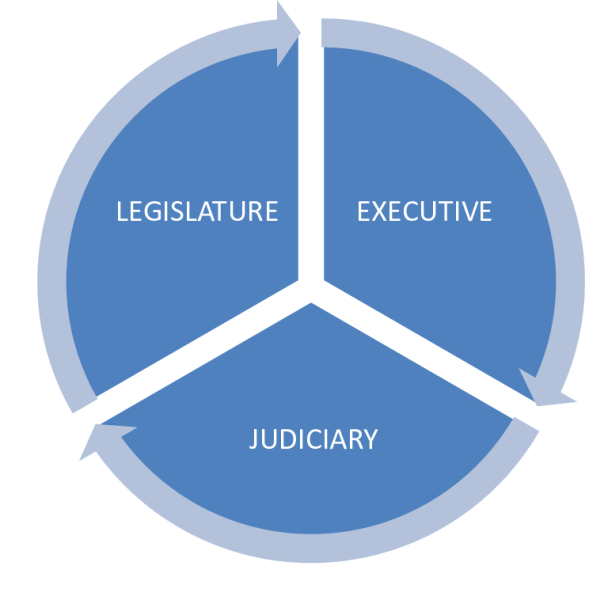
Independence of Judiciary led by Supreme Court
The Indian Constitution protects the citizens from any partial judgment. And, this gives the power to the judiciary to make decisions based on the rules of the law, in case of any dispute. Due to such authority, the judiciary of the country is an independent body. The courts of India are not controlled by the government and do not represent any political authority. Such independence allows the judiciary to ensure that there is no misuse of power by any section of the government.
The independence of judiciary calls for ‘separation of powers’. This basically means that both the legislature and the executive branches of the government, cannot interfere with the functions and decisions of the judiciary. So, in order to successfully execute their independent authority, the judges of both high courts and the Supreme Court must be appointed without any influence or interference from other branches of the government. Also, it is very difficult to remove a judge from his/her office, once appointed by the judiciary.

 Eduindex
You must be logged in to post a comment.