

Product counterfeiting is a form of consumer fraud: a product is sold, purporting to be something that it is not. Counterfeit is illegally made products that resemble the genuine goods but are typically of lower quality in terms of performance, reliability or durability.
There is a need to learn as much as possible about the counterfeit market and the luxury good’s market, as well as learning about the customers of both of these markets. A large number of counterfeits are purchased online as the customer relies only in the information provided by the seller that is easy to manipulate.
The Internet makes it possible for counterfeiters to sell fake goods without prior consumer inspection. Thus, if the presentation of the product online is elaborated and advanced, it would influence the user’s perceptions of the authenticity of products in a positive way, which leads to an increase in the user’s willingness to buy online.
Counterfeiting has emerged as a major problem for global marketers. As long as the demand is thriving, counterfeiters will always find new ways to serve customers. As to managerial implications, consumers cherish and value brands (particularly Adidas). So if they had money and would have the trust in the sales outlet they choose to buy an original not a fake, they would select the original.
Therefore, selling original brands through authorized dealers AND keeping tight control of them would in still confidence in consumers. Health concerns were quite prominent in our interviews, offering another starting point for a communication campaign of brand manufacturers to counter fakes in these markets.
While consumers cherish the German origin of Adidas, they at the same time realize that Adidas products are made in China etc. (as are the fake Adidas products). This undermines their confidence in the brand promise and may decrease their brand loyalty to the original. Go through these tell-tale signs that can help you identify an original from a counterfeit, and make sure you are not taken for a ride.
Unreal discount: If you buy something, especially online, at a fraction of the price, or the deal is too good to be true, it usually is. Know how much discount is typically available on branded or luxury items and if the offer is unrealistically low, say, 70-80% of the MRP, then you are definitely buying a fake. Flimsy packaging: This is a dead giveaway as good brands and businesses take a lot of care and spend a lot of money on packaging.
If the item is shabbily packed, doesn’t fit properly in the box, uses substandard material like cheap plastic or sagging cardboard, take it as a sign of counterfeiting.
Similarly, if you get a product without any packaging at all, know it to be a fake. Grammatical & spelling mistakes: Counterfeit products can be easily identified through wrong spelling (an extra or a missing letter) or grammatical errors. For instance, Hewlett Packard will be written as Hew let, or Louis Vuitton may be spelt as Viton.
While these mistakes in brand names are deliberate to lure the careless customer, those in the product information or instruction manual reflects the fraudsters’ lack of education. So read carefully for this clear give away… Fake websites: If you are shopping online, one easy way to counter the purchase of fake items is to check the authenticity of websites.
If the site is fake, so are the products. Confirm the URL and ensure that the site is safe by looking for ‘https’ (instead of http) and the lock sign. You can also verify the site’s authenticity by pasting the website address on http://www.scamadviser.com and http://whois. domaintools.com/. These let you know whether it’s a reliable site. Poor quality of products: The quality of counterfeit products is usually suspect, with cheap alternatives used in place of the original. The material can be tacky plastic, fake leather, cheap glass, poor quality cloth, old or used parts in electronic appliances and gadgets.
Even the shape of the containers can be slightly different. If the product has a course, used feel to it, do not buy it. Omissions & mismatch: The Company prints several features like codes, serial or model numbers, trademark, and patent information on the package or product. Typically, fake products miss out on a few details while copying the information.
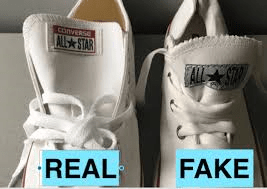
You can also crosscheck the numbers with the original products online, especially for electronic items or appliances. Flawed fonts, logos: Much like the spellings, it is easy to detect fake logos, brand names and trademarks, if you are paying attention. If you are observant and know the original logos well, you can catch even the smallest variation.
If this is difficult for you, take a picture of the product you think is fake, and compare it with the original online. The font could be slightly different or of the wrong size. Even the colouring could be faded or altered minutely from the orb… No contact details: If the manufacturer’s physical address, e-mail, phone number or contact details are not listed on the product or package, it should be cause for concern.
This implies you have no means of contacting anyone for grievance redressed. It is best to avoid such products. If the contact details are mentioned, try to verify these on the website or call to confirm before you make a purchase. Missing accessories: Make sure that all the supplementary parts and accessories that have been mentioned on the package are present in the box.
If the instruction manual, warranty card, wires, plugs or other items are missing, get back to the retailer immediately. Better still, open the box and check it in the store before buying. In case of an online purchase, make a video recording of the unboxing while taking delivery. Unauthorised centres: It’s best to buy electronic items, appliances, gadgets and branded ware from authorised retailers, licensed sellers and genuine brand outlets.
If you are getting a good discount elsewhere, check the store’s address by going online and make sure you have genuine contact details. The company prints several features like codes, serial or model numbers, trademark, and patent information on the package or product. Typically, fake products miss out on a few details while copying the information. You can also crosscheck the numbers with the original products online, especially for electronic items or appliances.

 Eduindex
You must be logged in to post a comment.