


“He remembers those vanished years. As though looking through a dusty window pane, the past is something he could see, but not touch. And everything he sees is blurred and indistinct.”
In the Mood for Love
If you are familiar with Wong Kar Wai’s work you know by now from the above dialogue what I’m talking about. And the reason I started this article with a dialogue from this movie because it symbolizes something and that is the style of Wong Kar Wai’s cinema whose prominent theme are often about time and inevitability. Often capturing a distinct separation or a missed opportunity.
Being a perfectionist, Wong Kar-wai has only directed a few films in his long career. But it is safe to say that he is one of the few filmmakers who have never made a bad film.
Here is the list of Wong Kar Wai’s movies that you must watch. Let’s start off the list with his magnum opus:
In the Mood for Love (2000)
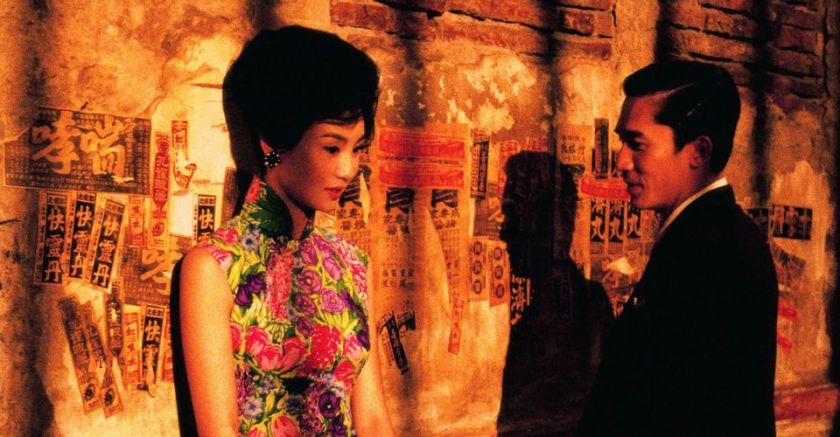
Set in Hong Kong in 1962, “In the Mood for Love” stars Tony Leung as Chow Mo-Wan and Maggie Cheung as Su Li-Zhen. This is a film about a possible affair between two neighbors who discover their spouses are sleeping together. But it’s also, and perhaps more importantly, a film about the aftereffects of an affair that’s already occurred and is still occurring off-screen. In the Mood for Love is a complete work of art that is both dreamy and grounded in every sense.
Chungking Express (1994)
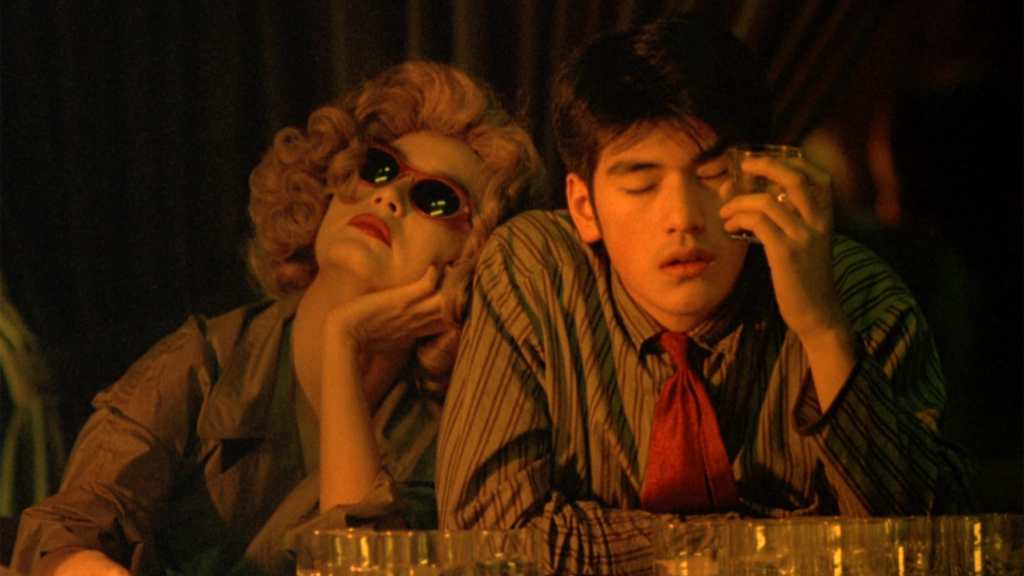
This 1994 masterpiece, a two-sided view of life in Hong Kong in the 1990s that would become one of the defining works of its era, was Wong Kar Wai’s international breakthrough. Chungking Express is more of a love letter to Hong Kong than a traditional romance which is told in two parts. Takeshi Kaneshiro and Tony Leung play Hong Kong cops looking for love and connection in one of the world’s busiest cities. Even though for some reason people prefer the second part of the movie, but it’s safe to say that neither halves would be so good without the other. Both halves of “Chungking Express” are required to provide a complete vision of a city in which people can be close enough to feel at home but too far away to touch. Chungking Express is one of those films that you can watch again and again, but still can’t get enough of it.
Fallen Angels (1995)
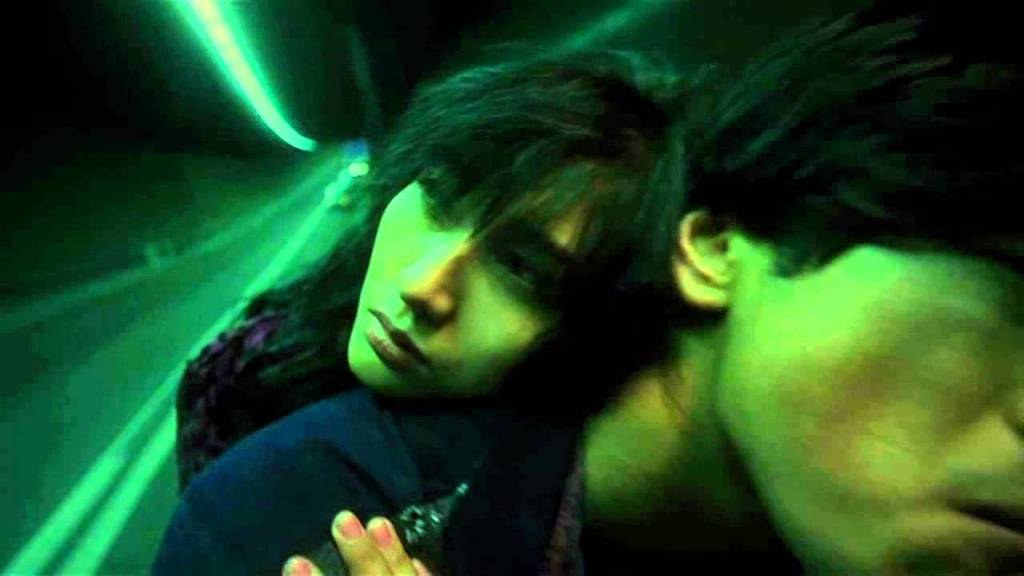
Fallen Angels is sort of a spiritual sequel to his 1994 masterpiece ‘Chungking Express’. Even he suggested the mentioned movies can watched as a double feature and experience will remain the same. In this movie, Wong Kar Wai explores with overlapping storytelling once more, but this film is renowned more for its visuals flair, a frenzied, wide-lensed experience that drew analogies to 1990s music video culture. In the end, “Fallen Angels’” messiness is what makes it most satisfying; the film’s tangled turmoil allows its survivors to discover a sense of hope in one another.
Happy Together (1997)
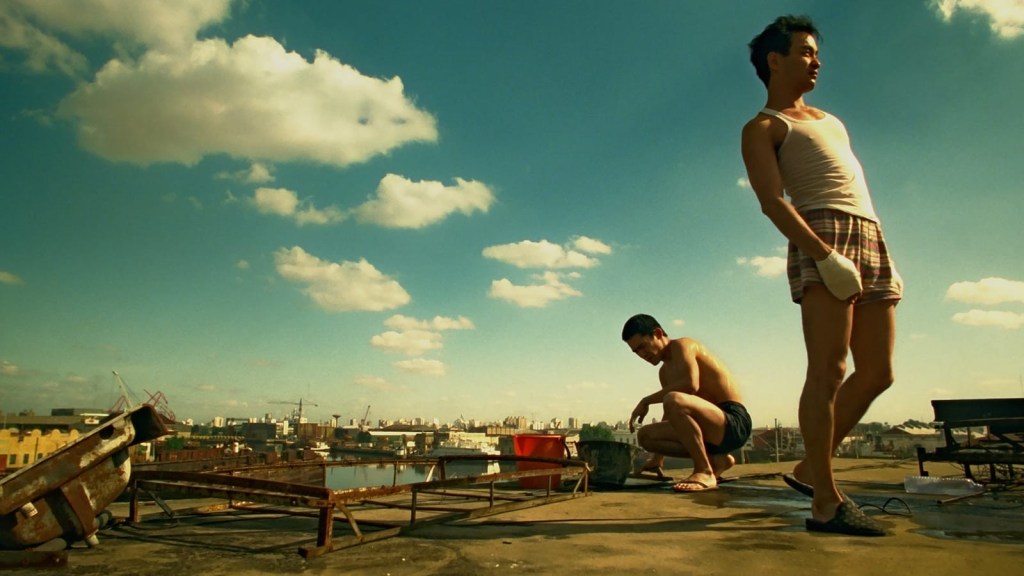
If some audiences found Wong Kar Wai’s “Fallen Angels” a touch too detached, he followed it up in 1997 with one of his most emotionally powerful films, a romance starring Tony Leung and Leslie Cheung as a couple travelling across Argentina. A relationship between the sensible, calm Lai and the disruptive, non-monogamous Ho, on the other hand, is doomed to fail. Wong Kar Wai brings beauty to a tragic story of a troubled relationship between dissimilar personalities in a way only he can, using a non-linear, disconnected storyline combined with his unique styling. Everything about Happy Together is familiar to fans of Wong’s earlier films, and yet everything is also different.
2046 (2004)
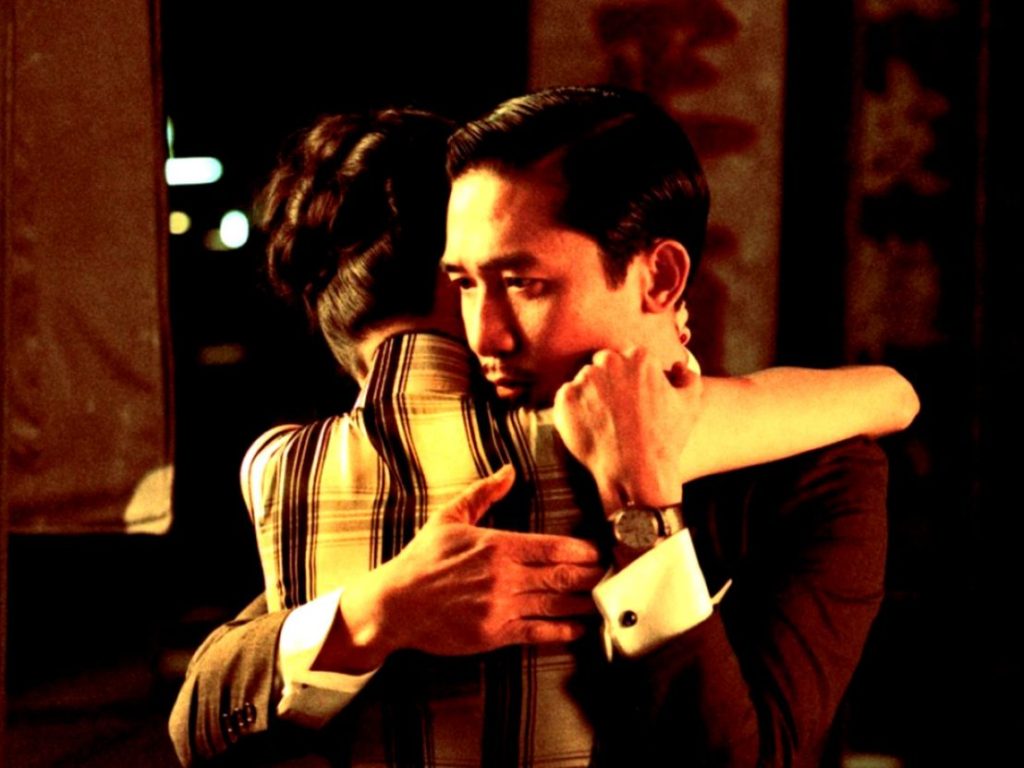
A lonely author writes novels about a train departing for 2046, a destination where people go to relive their lost experiences. Except for the writer, no one has ever returned from the location. “Love is all a matter of timing,” says a film in which time is deceptive, elliptical, and continuously calls back and forth. Nothing is more beautiful than something that has never been fully realized. Every time you see this film, it just makes you feel that you are a part of it, you feel the nostalgia, the pain and the unrequited love.
Enjoy your Wong Kar Wai movie marathon.

 Eduindex
You must be logged in to post a comment.