

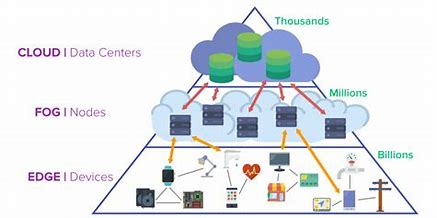
Cloud computing facilitates in the analysis and storing of the data, allowing companies to get the most out of their IoT infrastructure.
Businesses may get a lot of resources from the Cloud, so they don’t have to spend a lot of money building up their infrastructure. The IT team is more focused on day-to-day upkeep operations in the absence of on-site systems, hardware, and software, which is frequently an obvious benefit of the Cloud.
Even in the face of unexpected crises, cloud computing can keep organisations functioning. There is no immediate threat to the private data because it is stored on extra independent servers, making the Cloud a vital aspect of Internet-based companies.
Features of Cloud Computing
- Resources Pooling
- It indicates that the Cloud provider used a multi-tenant architecture to draw computing resources to deliver services to many clients.
- Various physical and virtual resources are assigned and reassigned based on the needs of the client.
- The client has little control or information about where the given resources are located, but can define location at a higher level of abstraction.
- On-Demand Self-Service
It is one of the most essential and valuable elements of Cloud Computing since it allows the user to keep track of the server’s uptime, capabilities, and network storage allocation. This function also allows the user to keep track of the computer’s capabilities.
- Easy Maintenance
The servers are simple to manage, and downtime is minimal, if not non-existent in some situations. Every time a new version of Cloud Computing is released, it improves steadily. The upgrades are more compatible with devices and work quicker than previous versions, as well as having problems repaired.
- Large Network Access
With the assistance of a device and an internet connection, the user may view the cloud’s data or upload data to the cloud from anywhere. These capabilities are available throughout the network and may be accessed over the internet.
- Availability
The Cloud’s capabilities may be customised for the user and can be vastly expanded. It evaluates storage utilisation and, if necessary, allows the user to purchase more Cloud Storage for a nominal fee.
- Automatic System
At some level of service, cloud computing automatically analyses the data required and facilitates metering. We can track, manage, and report on consumption. It will give both the host and the client with transparency.
- Economical
It is a one-time expense since the firm (host) must purchase storage and just a portion of it can be shared among numerous companies, saving the host money on a monthly or annual basis. Only a small portion of the money is spent on basic maintenance and a few other little costs.
- Security
One of the most appealing aspects of cloud computing is its security. It takes a snapshot of the data saved so that it doesn’t be lost if one of the servers is destroyed. The data is kept on storage devices that cannot be hacked or accessed by unauthorised individuals. The storage service is efficient and trustworthy.
- Pay as you go
In cloud computing, the user only pays for the services or storage space that they use. There are no hidden or additional fees to be paid. The service is reasonably priced, and most of the time some space is made available for free.

 Eduindex
You must be logged in to post a comment.