

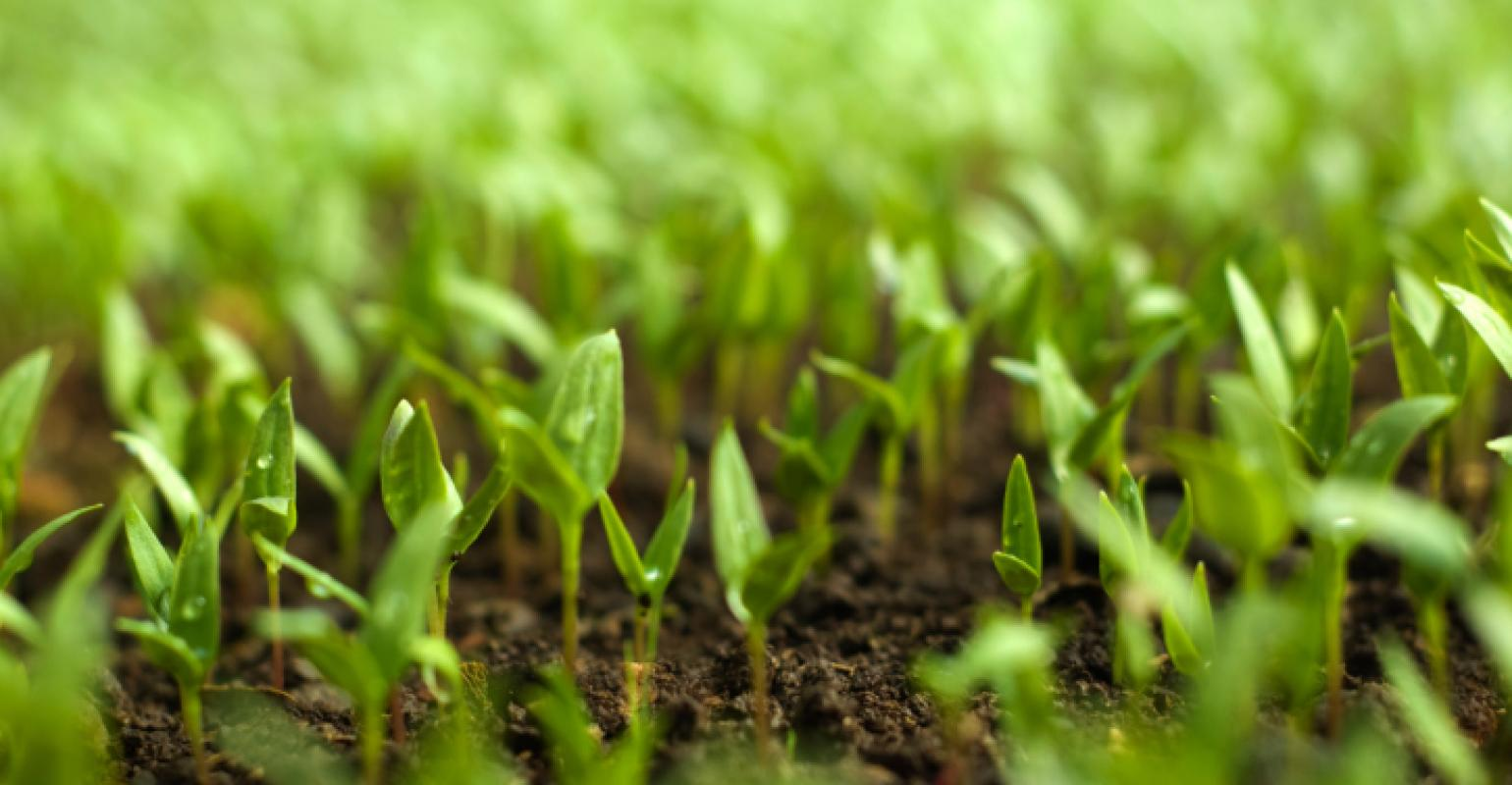
” With wrong farming methods, we turn fertile land into desert. Unless we go back to organic farming and save the soil, there is no future” Today more and more people across the globe are accepting and practicing organic farming. What is Organic farming exactly? Well Organic farming is a agriculture method which is done without using any chemicals like fertilizers and pesticides, it was introduced in the world in 20th century. As we know that by 20th century our world became more advanced in technology and started using chemicals in agriculture to increase the production rate. But as the time went by people realized that these chemicals were actually degrading the quality of soil and the food crops. Also, people were tired of eating food which was full of chemicals, they were not getting any nutrients from the food. Hence, the idea of Organic Farming originated in the west which was accepted by people across the globe with open arms. The basic idea of Organic Farming was to provide food products with maximum nutritious value and minimum dangerous ingredients.
Big Misconception about Organic Farming : There is a big misconception that organic foods are relatively expensive. The truth is they are actually cheaper because they don’t require the application of expensive pesticides, insecticides, and weedicides. In fact, you can get organic foods direct from the source at really reasonable prices.
BENEFITS OF ORGANIC FARMING:-1. To Accrue the Benefits of Nutrients Foods from organic farms are loaded with nutrients such as vitamins, enzymes, minerals and other micro-nutrients compared to those from conventional farms. This is because organic farms are managed and nourished using sustainable practices.
2. Natural and Better Taste Those that have tasted organically farmed foods would attest to the fact that they have a natural and better taste. The natural and superior taste stems from the well balanced and nourished soil. Organic farmers always prioritize quality over quantity.
3. Direct Support to Farmers Purchasing food items from organic farmers is a surefire investment in a cost-effective future. Conventional farming methods have enjoyed great subsidies and tax cuts from most governments over the past years. This has led to the proliferation of commercially produced foods that have increased dangerous diseases like cancer.
Four Principles of Organic Farming 1. Principle of Health Organic agriculture must contribute to the health and well being of soil, plants, animals, humans and the earth. It is the sustenance of mental, physical, ecological and social well being. For instance, it provides pollution and chemical-free, nutritious food items for humans.
2. Principle of Fairness Fairness is evident in maintaining equity and justice of the shared planet both among humans and other living beings. Organic farming provides good quality of life and helps in reducing poverty. Natural resources must be judiciously used and preserved for future generations.
3. Principle of Ecological Balance Organic farming must be modeled on living ecological systems. Organic farming methods must fit the ecological balances and cycles in nature.
4. Principle of Care Organic agriculture should be practiced in a careful and responsible manner to benefit the present and future generations and the environment. As opposed to modern and conventional agricultural methods, organic farming does not depend on synthetic chemicals. It utilizes natural, biological methods to build up soil fertility such as microbial activity boosting plant nutrition. Secondly, multiple cropping practiced in organic farming boosts biodiversity which enhances productivity and resilience and contributes to a healthy farming system.

 Eduindex
You must be logged in to post a comment.