

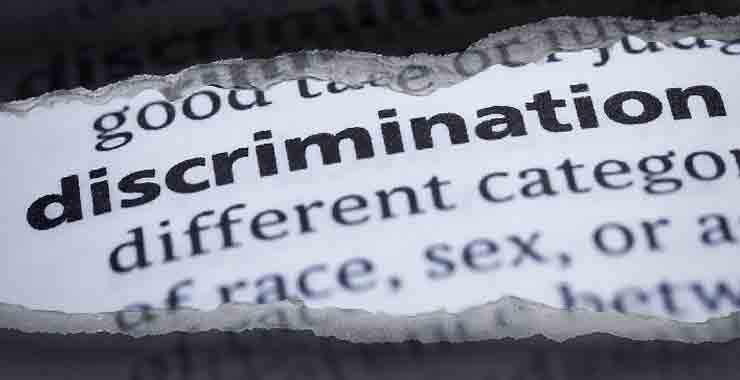
What is Discrimination?
People in India are discriminated against based on caste, religion, sex, color, and whatnot. Some people hear so much from a society that they cannot survive or come out of it.
It has been seen in different places on different accounts.
I have seen in my school where one of my friends was discriminated against based on color. She wasn’t provided with equal opportunities like us. Even fellow students treated her as if she is not normal like us. They used to talk about her, about her family.
People are discriminated against on different terms, whether caste, religion, gender, or whatnot? They just need something to discriminate against others. During the British rule Indians were discriminated against. They were not treated equally, all of their rights were taken away.
Stress and Health
Discrimination is a public health issue. According to the 2015 Stress in America Survey, people who say they have faced discrimination rate their stress levels higher, on average, than those who say they have not experienced discrimination. That’s true across racial and ethnic groups.
Chronic stress can lead to a wide variety of physical and mental health problems. Indeed, perceived discrimination has been linked to issues including anxiety, depression, obesity, high blood pressure, and substance abuse.1
Discrimination can be damaging even if you haven’t been the target of overt acts of bias. Regardless of your personal experiences, it can be stressful just being a member of a group that is often discriminated against, such as racial minorities or individuals who identify as lesbian, gay, bisexual, or transgender (LGBT).
Who are the most vulnerable to discrimination?
Bisexuals, Gays, Lesbians, Transgenders, People living under Minority, Lower class, and Backward classes people are most vulnerable to discrimination.
What do we need to do?
People who are dark in complexion are beautiful too. Who says they aren’t? And most importantly, who gives them the right to speak unnecessarily about anyone.
Actually, we are the only one who permits and allows them. If we start taking our stands against this, we start taking actions, we start raising our voice no one would be able to speak about us unnecessarily.
No one will even think about saying bad things about everyone.
Discrimination, big, and small
Laws are in place to protect people from discrimination in housing and employment.
The Fair Housing Act prohibits discrimination in the sale, rental, and financing of dwellings based on race, color, national origin, religion, sex, familial status, and disability. The Civil Rights Act, the Age Discrimination in Employment Act, and the Americans with Disabilities Act prohibits discrimination in employment based on race, color, sex, ethnic origin, age, and disabilities.
Unfortunately, discrimination still occurs. According to Stress in America Survey results, issues related to employment are the most commonly reported experiences of major discrimination across ethnic groups.
Dealing with discrimination
Finding healthy ways to deal with discrimination is important, for your physical health and your mental well-being.
Focus on your strengths. Focusing on your core values, beliefs, and perceived strengths can motivate people to succeed, and may even buffer the negative effects of bias. Overcoming hardship can also make people more resilient and better able to face future challenges.
Seek support systems. One problem with discrimination is that people can internalize others’ negative beliefs, even when they’re false. You may start to believe you’re not good enough. But family and friends can remind you of your worth and help you reframe those faulty beliefs.
Family and friends can also help counteract the toll that microaggressions and other examples of daily discrimination can take. In a world that regularly invalidates your experiences and feelings, members of your support network can reassure you that you’re not imagining those experiences of discrimination. Still, it’s sometimes painful to talk about discrimination. It can be helpful to ask friends and family how they handle such events.
Your family and friends can also be helpful if you feel you’ve been the victim of discrimination in areas such as housing, employment, or education. Often, people don’t report such experiences to agencies or supervisors. I lack reporting because people often doubt themselves: Was I actually discriminated against, or am I being oversensitive? Will I be judged negatively if I push the issue? Your support network can provide a reality check and a sounding board to help you decide if your claims are valid and worth pursuing.
Get involved. Support doesn’t have to come from people in your family or circle of friends. You can get involved with like-minded groups and organizations, whether locally or online. It can help to know other people have had similar experiences to yours. And connecting with those people might help you figure out how to address situations and respond to experiences of discrimination in ways you haven’t thought of.

 Eduindex