


Nike was initially founded as Blue Ribbon Sports. It was almost named Dimension Six. Later the company was named Nike, after the Greek winged goddess of victory. Nike is a name that is easily recognizable by consumers, describes the premium quality, and fits with a global linguistic audience.
Nike’s marketing strategy is an important component for the sports giant’s success. It positions as a premium brand, selling well-designed and expensive products. Their products are considered highly effective and comfortable to the athletes. Nike shoes are designed for professional athletes and the craze for extreme sports and the fantasy towards sports personalities have been growing.
Brand Strategy

Nike has an iconic slogan JUST DO IT which resonates with just about everyone. It creates a relationship between their customers and the brand. The catchphrase has spread from fitness world to everyday life. Nike empowers their target audience especially women. They advertise their brand through women with the same amount of power as men with so much inspiration. Nike reminds everyone that women too are powerful, competitive and passionate.
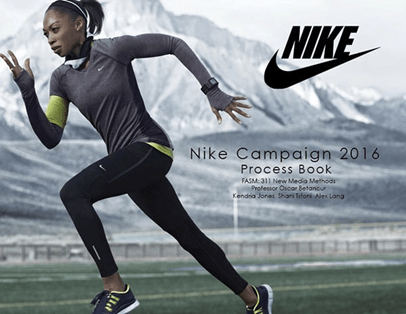
Nike makes fewer commercials but has it balanced out by heavily focusing on digital marketing. The company is without a doubt ahead of its competitors when it comes to social engagement. The brand has the most number of followers and subscribers on all social media channels.
Here’s a detailed breakdown of Nike’s social media engagement.

Nike has mastered the art of creating amazing content that reflects its empowering branding online.
Pricing
- Value based pricing strategy
Nike uses value-based pricing strategy to set its prices according to its consumer perceptions about the value of their products. The company focuses on delivering the highest quality products at the right price to ensure the best customer experience.
- Price leadership strategy
This strategy is suitable for an oligopolistic market. Nike determines its product prices, uses competitive prices, and sets attractive prices for different market segments according to its market dominance.
- Premium pricing strategy
Nike makes has its products priced higher than the ones offered by its competitors based on their product quality. The company owners and the employees know that these prices will not only reflect the quality of their company’s products but also the image which will be portrayed by the consumers who wear the Nike logo.
- Skimming pricing strategy
Nike uses this strategy whenever it produces expensive products especially when they are limited editions. The company tries to skim money from the customers who want the product and are willing to purchase it at that price. After a newly designed product has been out in the market for a while, Nike lowers the price of those products.
Marketing campaigns
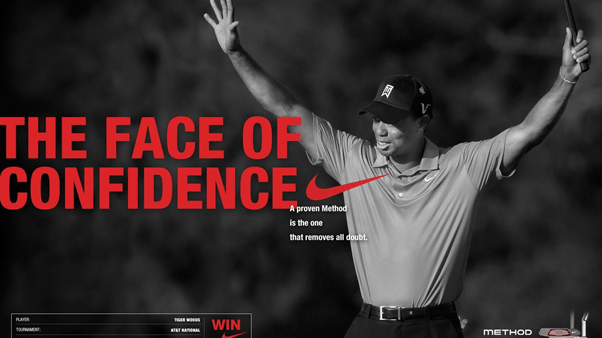
Nike’s audience are versatile. It consists of rockers and rappers, artists and thinkers, entrepreneurs, athletes and other individuals.
Nike’s ad campaigns uses a voice to which their consumers are likely to respond.
Nike : Find Your Greatness, a campaign which highlighted unlikely individuals showing their true capabilities.
Nike ads have promoted well known athletes such as Serena Williams, Lebron James and regular, everyday people to show their skills.
Nike-Dream Crazy. A powerful quote “don’t ask if your dreams are crazy, ask if your dreams are crazy enough. ”
Marketing plan and budget
Nike has positioned itself in the mind of its target customers as a leader in sports shoes. They have enhanced athletic lifestyle in the consumers. They have an appealing style and a positive attitude along with their unique quality level of their valuable products.
| Year | Nike Marketing expenses ($million) |
| 2020 | $3,590 |
| 2019 | $3,753 |
| 2018 | $3,577 |
| 2017 | $3,341 |
| 2016 | $3,278 |
| 2015 | $3,213 |
Nike spends the same amount of money on marketing that Under Armour makes in sales.
Business development
Nike embraces new technologies. The company developed a shoe that will auto lace when you put your heel in the shoe. They have done things to make the shoe lighter and sturdier such as the flyknit.
Nike provides a wide variety of products to large number of sports to capture a great market share. In addition to shoes they provide apparels and accessories. They value the consumer and the importance of providing quality product. The product quality and durability are critical parts of their strategy to be able to command high prices for their products.
Nike also buys out competing sports product brands.

Nike owns 48% of the athletic footwear market in the United States. Their sales revenue in 1996 was $6.4 billion and has grown to $39.11 billion.
Nike stays ahead of its competitors. The brand was the first sports brand to launch a website and to utilize social media.

 Eduindex News
You must be logged in to post a comment.