

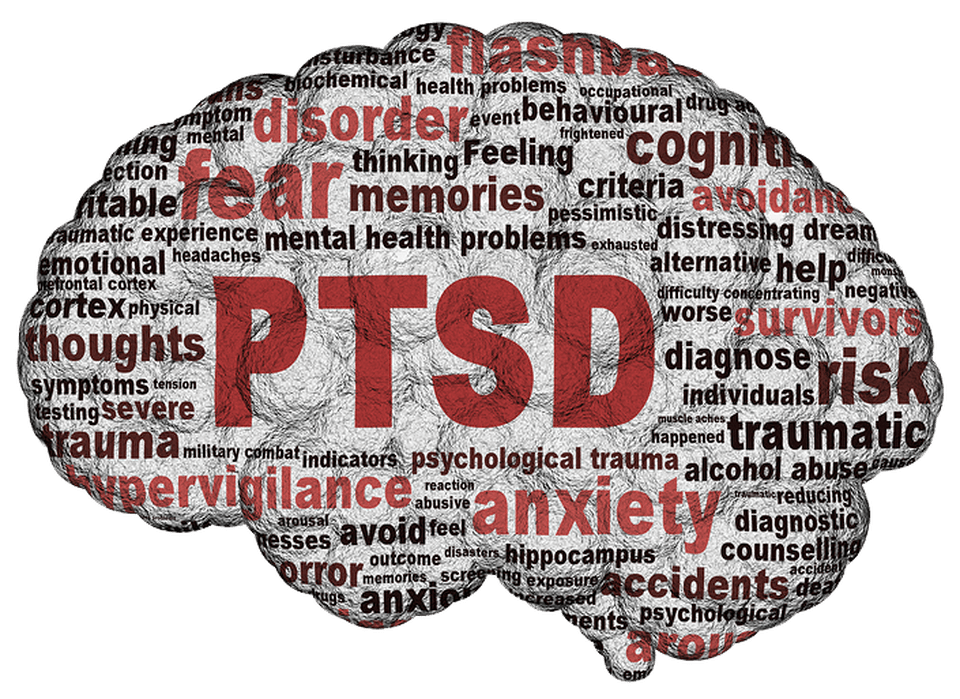
Always remember, if you have been diagnosed with PTSD, it is not a sign of weakness; rather, it is proof of your strength, because you have survived!.
People who have encountered or seen a traumatic incident such as a natural catastrophe, a major accident, a terrorist attack, war/combat, or rape, or who have been threatened with death, sexual assault, or significant injury, may develop posttraumatic stress disorder (PTSD). PTSD affects approximately 3.5 percent of U.S. adults every year. Women are twice as likely as men to have the disorder problem. Latinos, African Americans and American Indians are disproportionately affected by the disease. It Is estimated that one in 11 people will be diagnosed with PTSD in their lifetime. People with this disorder have intense, disturbing thoughts and feelings related to their traumatic event that last long after the traumatic event has ended. People with PTSD may avoid situations or people that remind them of the traumatic experience. They may feel detached or estranged from other people. The symptoms include flashbacks, sadness, fear and anger. PTSD is a form of post-traumatic stress disorder. Symptoms can last for more than a month and cause significant distress or problems in daily functioning. Many individuals develop symptoms within three months of the trauma, but symptoms may persist for months and sometimes years. PTSD often occurs with depression, substance use, memory problems and other physical and mental health problems.
Symptoms:-
- Intrusion:- Repetitive, involuntary recollections; unpleasant nightmares; or flashbacks to the traumatic incident are examples of intrusive thoughts. People may have flashbacks that are so vivid that they believe they are reliving or witnessing the terrible event.
- Alterations in arousal and reactivity:- Being impatient and having furious outbursts; acting recklessly or in a self-destructive manner; being too attentive of one’s surroundings in a suspicious manner; being easily startled; or having difficulty focusing or sleeping are all examples of arousal and reactive symptoms.
- Alterations in cognition and mood:- A person who has suffered a traumatic experience is unable to remember or express the negative thoughts and feelings leading to ongoing and distorted beliefs about oneself or others (e.g., “I am bad,” “No one can be trusted” are symptoms of post traumatic stress disorder.
- Avoidance:- Avoiding people, places, activities, items, and circumstances that may trigger painful memories is one way to prevent reminders of the traumatic experience. People may strive to forget or avoid recalling the unpleasant experience. They may be adamant about not discussing what occurred or how they feel about it.
Treatment:-
Not everyone who experiences trauma develops PTSD requires psychiatric treatment. The earlier a person gets treatment, the better chance of recovery. Post Traumatic Stress Disorder (PTSD) can be treatable and treatable with professional help.Psychiatrists and other mental health professionals use various effective (research-proven) methods to help people recover from PTSD. Both talk therapy and medication provide effective evidence-based treatments for PTSD. The most effective is cognitive behavior therapies (CBT), which is very effective.
- Cognitive Processing Theory:- Focuses on altering unpleasant negative feelings (such as shame, guilt, and others) and beliefs (such as “I have failed”; “the world is unsafe”) that have arisen as a result of the trauma. Therapists assist the individual in confronting such upsetting memories and feelings.
- Medication:- Can aid in the management of PTSD symptoms. Furthermore, the symptom alleviation that medicine offers helps many patients to participate in psychotherapy more successfully. The basic symptoms of PTSD are often treated with antidepressants. Other medicines may be used to treat post-traumatic stress disorder (PTSD) patients’ nightmares and sleep issues, as well as to reduce anxiety and physical agitation.
- Stress Inoculation Therapy:- Attempts to provide the individual with the required copying abilities to effectively fight against stressful triggers by exposing them to lower amounts of stress, similar to how a vaccination prevents infection following exposure to a disease.
- Prolonged Exposure Therapy:-Utilises safe, controlled exposures to symptom “triggers” or repeated, vivid imaginings of the trauma to help a person face and acquire control of anxiety and discomfort and learn to cope. Virtual reality programmes, for example, have been utilised to assist PTSD patients re-experience the battlefield in a safe and therapeutic way.
- Group Therapy:- Invites survivors of comparable horrific situations to talk about their feelings and experiences in a safe, non-judgmental environment. Members of the group assist one another in realising that many others would have reacted in the same way and had the same feelings. Because the behaviour and discomfort of the individual with PTSD can influence the entire family, family counselling may be beneficial.Interpersonal, supportive, and psychodynamic treatments, for example, focus on the emotional and interpersonal elements of PTSD. These might be beneficial for those who don’t want to be reminded of their experiences.
- Other treatments including complementary and alternative therapies:- Are also becoming more widely utilised to assist persons suffering from post-traumatic stress disorder (PTSD). These methods of treatment are used outside of traditional mental health clinics and may involve less talking and disclosure than psychotherapy. Acupuncture and animal-assisted therapy are two examples.

 Eduindex
You must be logged in to post a comment.