

Cashews are delicious. When we’re in the mood for a nutty snack, cashews are hard to resist. The only problem is, they can really hurt your wallet over time, especially when compared with other nuts.Cashews are not a cheap indulgence. No wonder gorging on roasted, salted or plain cashews is pure bliss, but what makes this rich, crunchy, silky nut so expensive?
The reason behind the expensive cashew nuts is their growing climates. Cashew can only be harvested in tropical climates such as India, Vietnam, Brazil, and some African countries. It grows in a single nut attached to the bottom of a fruit called cashew apple which takes two to three months to develop.
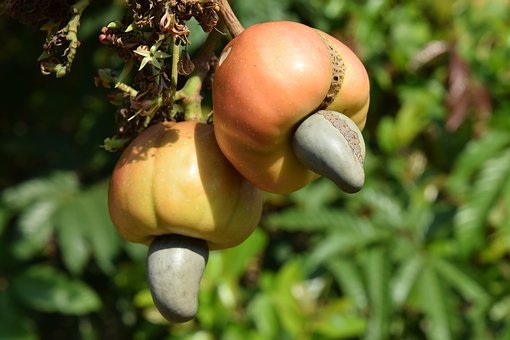
Cashews are in high demand and supply is limited. That is the primary reason for their high price.
The seed is removed from the apple. The cashew seeds have to be steamed and then dried for 24 hours to make it easier to remove the outer shell. Cashew seeds are cracked individually by hand. Cashews need proper processing in order to make them edible, but most of the extraction and processing is done manually, which makes this task tough!

The cashews have a toxic substance under the shell similar to poison ivy, therefore workers oil their hands to protect them. The shell’s oils cause damage to the skin of the workers responsible for processing the seeds. Roasting the cashew nuts to destroy the toxins is dangerous as well, as the toxins are released into the air. After the toxins are removed, the cashews must be graded and sorted. The entire process is labor-intensive as well as hazardous, which helps explain part of why cashews are so expensive. Cashews are then dried to reduce the moisture content making it easier for peeling. Lastly the kernel is carefully peeled one by one to reveal the final product!
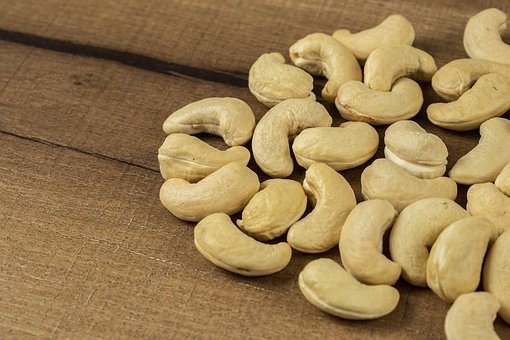
I was amazed at the long labour intensive techniques involved in bringing cashew nuts to our table. This made me realise the reason behind the high price tag of the cashew nuts I love.

 Eduindex
You must be logged in to post a comment.