

Definition of Culture
The study of culture can be collocated along two tenacious and prominent themes: Diversity and Change. A person’s upbringing, and living environment is what makes them diverse from others. It is the differences between all cultures and sub-cultures of the worlds regions. People’s need to adapt and alter to physical, biological and cultural aspects to survive is the pivot of the second theme, change. Culture usually changes for these two reasons: selective transmission or to stand the test of changing needs. This means that when there is a dearth of a food source, we change the way we live. There could be forced redistribution of, or relocation from ancestral domains due to external and/or internal forces.
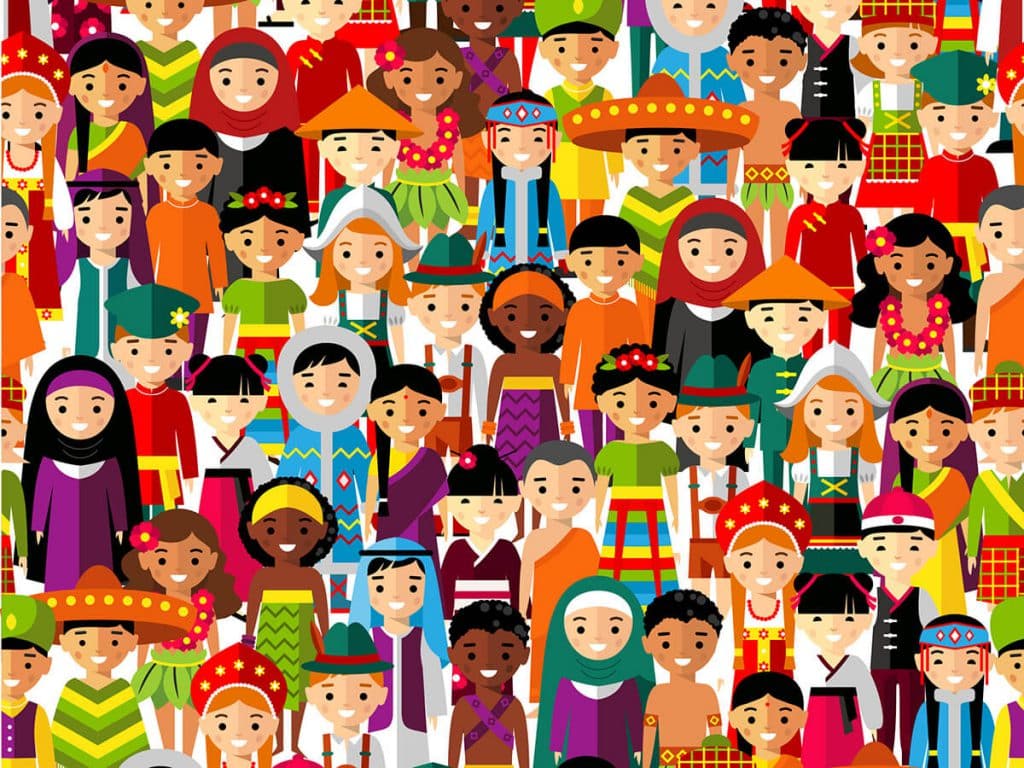
Culture is the framework for our emotive and behavioural norms. Our culture can ascendant neural activity during various cognitive functions. The Cultural neuroscience of the self report by Shinobu Kitayama and Jiyoung Park suggests that culture “both constructs and is constructed by the mind and its underlying brain pathways”. According to this report, the mechanism has to do with the brain’s pliability (its ability to adapt to long-lasting engagement and have pre-formulated behavior stores as muscle memory. The capacity of our brains to undergo structural changes from recurrent daily tasks is commendable. A link to the research has been attached below.
Many neuroscience researches are spreading knowledge on how culture shapes our functional anatomy, prejudices our brains, controls our neural activity, and even impacts the way we represent ourselves and others in our minds. That being said, culture is learned, dynamic, symbolic, shared ad systematic. Edgar Schein right said, “Culture consists of the shared beliefs, values, and assumptions of a group of people who learn from one another and teach to others that their behaviors, attitudes, and perspectives are the correct ways to think, act, and feel.” Attached below is a link to an article about his culture triangle.
Cultural exchange must be viewed as a form of cross-pollination of the society. Culture and language are reflections of one another, for better and worse, and so we must take great care with the impact of our words.

 Eduindex