OBESITY

MEANING

In simple words, obesity refers to a body state that is excessively beyond the ideal Body Mass Index. In adults, obesity is defined as having a BMI of 30 or more, according to the Centres for Disease Control and Prevention. Obesity has become a very serious issue among youngsters in these modern times.

CAUSES OF OBESITY

When a person consumes more calories than they use as energy, their body will store the extra calories as fat. This can lead to obesity. Also, some foods and beverages — especially those that are high in fats and sugars — are more likely to lead to weight gain

Items that tend to increase the risk of weight gain include:• fast foods• fried foods, such as french fries• fatty and processed meats• many dairy products• foods with added sugar, such as baked goods, ready made breakfast cereals, and cookies• foods containing hidden sugars, such as ketchup and many other canned and packaged food items

Many people lead a much more sedentary lifestyle than their parents and grandparents did.Some examples of sedentary habits include:• working in an office rather than doing manual labor• playing games on a computer instead of doing physical activities outside• going to places by car instead of walking or cyclingSome medications can also lead to weight gain.• hypoglycemia medications, such as tolbutamide• glucocorticoids for rheumatoid arthritis• some antidepressants

COMPLICATIONS OF OBESITY

Obesity has been linked to a number of health complications,

• type 2 diabetes• heart disease• high blood pressure• certain cancers (breast, colon, and endometrial)• stroke• gallbladder disease• fatty liver disease• infertility

DIAGNOSIS OF OBESITY

Certain tests to help diagnose obesity-related health risks include

• blood tests to examine cholesterol and glucose levels• liver function tests• a diabetes screening• thyroid tests• heart tests, such as an electrocardiogram (ECG or EKG)• screening tests, such as ultrasounds, CT scans, and MRI scans

OBESITY PREVENTION TIPS

PREVENTION OF OBESITY IN CHILDREN

Gradually work to change family eating habits and activity levels rather than focusing on a child’s weight

• Be a role model. Parents who eat healthy foods and participate in physical activity set an example so that a child is more likely to do the same.

• Keep the refrigerator stocked with fat-free or low-fat milk, fresh fruit, and vegetables instead of soft drinks and snacks high in sugar and fat

.• Serve at least 5 servings of fruits and vegetables daily.

• Encourage children to drink water rather than beverages with added sugar. These include soft drinks, sports drinks, and fruit juice drinks.

PREVENTION OF OBESITY IN ADULTS

• Choose whole grain foods, such as brown rice and whole wheat bread. Don’t eat highly processed foods made with refined white sugar, flour, high-fructose corn syrup and saturated fat

.• Weigh and measure food to be able to learn correct portion sizes. For example, a 3-ounce serving of meat is the size of a deck of cards. Don’t order supersized menu items.

• Learn to read food nutrition labels and use them, keep the number of portions you are really eating in mind.

• Simply reducing portion sizes and using a smaller plate can help you lose weight.

• Aim for an average of 60 to 90 minutes or more of moderate to intense physical activity 3 to 4 days each week. Examples of moderate intensity exercise are walking a 15-minute mile, or weeding and hoeing a garden. Running or playing singles tennis are examples of more intense activities.

CONCLUSION

Recognition is increasing that overweight and obesity are not only problems of individuals, but also societywide problems of populations. Acting on this recognition will require multifaceted, population-based changes in the socioenvironmental variables that influence energy intake and expenditure.“Obesity is very easy to catch but they cannot run so fast”.

EDUCATION- A TOOL FOR EMPOWERMENT

Empowerment means moving from enforced powerlessness to a position of power. Education is an essential means of empowering women with the knowledge, skills and self-confidence necessary to fully participate in the development process. Sustainable development is only possible when women and men enjoy equal opportunities to reach their potential.Women and girls experience multiple and intersecting inequalities.

Structural barriers in the economic, social, political and environmental spheres produce and reinforce these inequalities. Obstacles to women’s economic and political empowerment, and violence against women and girls, are barriers to sustainable development and the achievement of human rights, gender equality, justice and peace.Across much of the world, either by law or custom, women are still denied the right to own land or inherit property, obtain access to credit, attend school, earn income and progress in their profession free from job discrimination.Women are significantly under-represented in decision-making at all levels.

While the economic benefits of educating girls are similar to those of educating boys, recent findings suggest the social benefits are greater.Women have the potential to change their own economic status and that of their communities and countries in which they live yet usually women’s economic contributions are unrecognized, their work undervalued and their promise undernourished.

Unequal opportunities between women and men hamper women’s ability to lift themselves from poverty and secure improved options to improve their lives. Education is the most powerful instrument for changing women’s position in society.Investing in women’s and girls’ education is one of the most effective ways to reduce poverty.In line with the Millennium Development Goals and the objectives established by the international community, MASHAV, Israel’s Agency for International Development Cooperation, at Israel’s Foreign Ministry, consistently promotes the empowerment of women, considering women’s education a critical component of development policy and planning, and central to sustainable development.

Following important changes in the international development landscape in recent years MASHAV adopted a dual approach to development: We engage in active development policy dialogues and development diplomacy, thus contributing to and shaping policy at a higher, multilateral level.

And, through professional programs, we maintain an active and effective presence at the field level.One of MASHAV’s earliest affiliate training institutions, The Golda Meir Mount Carmel International Training Center (MCTC), has addressed the connection between gender, poverty reduction and sustainable development for over five decades.MCTC places education at the core of women’s ability to contribute to all activities, working to enhance knowledge, competency and skills, including in the development process and in their contributions to civil society.

Guided by this mindset, MASHAV, together with MCTC, the UN Development Program and UN Women is organizing the 28th International Conference for Women Leaders on “The Post-2015 and Sustainable Development Goals Agenda: Ensuring the Centrality of Gender Equality and Women’s Empowerment in the Next Framework.”

Education is important for everyone, but it is a critical area of empowerment for girls and women. This is not only because education is an entry point to opportunity but also because women’s educational achievements have positive ripple effects within the family and across generations.Education is much more than reading and writing. It is an essential investment countries make for their futures, a crucial factor in reducing poverty and achieving sustainable development.

Experience has shown that the relationship between education and empowerment is not as simple as it may first appear; while education is undoubtedly a key element contributing to empowerment, the two do not necessarily go hand in hand.

Many educational programmes will focus on students’ acquisition of formal knowledge and training, and will often equip them with the technical skills necessary to take up paid employment in a specific sector. For adolescent girls, this can mean being formally trained in an activity traditionally seen as “women’s work”, such as sewing, the small-scale production and commercialisation of food products, artisanal production or secretarial skills for the more literate.

While it is often important that girls receive this vocational training as part of their education, a more holistic approach that places a strong emphasis on enabling girls to develop a wider awareness of themselves and the external context in which they live is also vital. Having the opportunity to develop an awareness of their own social situation, as well as to gain confidence and self-esteem, means not only that girls are in a better position to deal with the multiple challenges that entry into the labour market can pose, but also are increasingly empowered to define and act upon their ambitions.

Education is a powerful tool. It has the power to transform lives. Education has empowered the women and due to education women all over the world are starting to become more active in all areas like political , administrative, judiciary etc. Women have taken up big responsibilities and delivered great results.

COVID-19 IMPACT ON MENTAL HEALTH

INTRODUCTION

Since anyone of any gender and sociodemographic status can be infected, it is understandable, that increasing mental health issues such as anxiety or depression resulting in erratic behaviour among people amidst infectious outbreaks is a not-uncommon phenomenon. Outbreaks can have a profound and broad spectrum of psychological impact on people. At an individual level, new psychiatric symptoms in people without mental illness can precipitate, or aggravate the condition of those with pre-existing mental illness and cause distress to the caregivers of affected persons. Individuals may experience fear and anxiety of falling sick or dying, helplessness, or blame of other people who are ill, potentially triggering off a mental breakdown, regardless of their exposure.

Many people have lost their jobs or are working reduced hours. Due to the enormity of this pandemic and the global shut down the sense of normality has been turned upside down. The uncertainty over what even the near future holds will make sustained attention a challenge. A lot of people have to teach or take care of their children at home who used to be at school, kindergarten or childcare. Some people are struggling to figure out how they should pay rent or buy groceries, and are experiencing that the businesses or careers they’ve spent years building have no meaning anymore. Some individuals have health conditions that make them anxious (and vulnerable) about catching the virus.

Significant psychiatric conditions could be found varying from depression, anxiety, panic attacks, somatic symptoms, and post-traumatic stress disorder symptoms, to delirium, psychosis and even suicidality, which could be associated with younger age and increased self-blame. For persons grieving from the traumatic and sudden loss of loved ones from the outbreak, the inability to gain closure can result in additional stresses, anger and resentment. According to a study on 1210 Chinese citizens in China in the first two weeks following the outbreak conducted by Wang et al, females were reported to experience a higher degree of the psychological impact of the outbreak, such as stress, anxiety, and depression. This finding concurred with previous epidemiological studies that found women to be at an elevated risk of depression, which could possibly be due to their unique biological and socioeconomic factors

Persons who are sick or quarantined may experience shame, guilt, or stigma. Studies reported a high prevalence of psychological distress with longer duration of quarantine which was associated with an increased prevalence of post-traumatic stress disorder symptoms correlating with symptoms of depression. Foreigners under quarantine or in isolation in hospitals are at increased risk of psychiatric issues, as they are deprived of their social supports and risk uncertainty for repatriation, thereby necessitating practical and emotional support for them.

At the community level, there could be distrust towards other individuals in terms of disease spread and the government and healthcare services in terms of their capability to manage the outbreak. With the closure of community services and the collapse of industries negatively impacting the economy, a lot of people face financial losses and risk unemployment, which will be intensifying the negative emotions experienced by individuals. 

CHILDREN’S MENTAL HEALTH

In difficult times it is normal for children and other family members may have strong reactions like sadness, being irritable or confused. Sleeping disorders, physical reactions and fear of the unknown could take place. Everyone reacts differently. Some parents perhaps immediately develop a new home routine, some others may struggle in balancing their work and home duties. As a reaction to these new situations children can experience intense sadness or anger, others may be withdrawn or behave as if nothing has happened.

When schools close it means that children and adolescents who have mental health needs, do not have access to the resources they usually have through schools. For young people with mental health problems, the routine of school helps them have an anchor in life the closure means that their symptoms could relapse. Adolescents in racial and ethnic minority groups, having a low family income, or with public health insurance already have less access to mental health services without school closures.

Children who have special education needs like those in the autism spectrum or other disabilities are also at risk. When their daily routines are disrupted they can become frustrated and short-tempered. Parents could create a schedule for their children to reduce anxiety induced by uncertainty. Furthermore suspended therapy sessions of children with special needs could decrease their chance to develop essential skills

TIPS TO OVERCOME STRESS DURING COVID-19

Exercise Regularly

Exercising helps release endorphins within your system, which play a vital role in elevating your mood and keeping a positive attitude. Stretching exercises and yoga also help keep you fit and your mind calm.

Take a Break

The constantly negative news can be a lot to handle. Decide the amount of exposure to the news that works for you. Especially if there are children involved, make sure you expose them to only age-appropriate material. Ever so often disconnect physically and mentally from anything to do with the Coronavirus coverage. Play with puzzles, read a book, reorganize or clean instead.

Maintain a Healthy Diet

Unnecessary stress can cause you to overeat or eat unhealthy, adversely affecting your metabolism. Avoid emotional eating by identifying trigger factors and keeping away from the urge. Keep healthy snacks around you such as fruit bowls, nuts or even granola bars. Keeping your blood sugar levels stable throughout the day helps regulate your mood and emotions. Good nutrition also keeps your immune system healthy.

Find Ways to Express Yourself

Whether by putting pen to paper, capturing videos, scrapbooking, keeping a journal or by blogging, expressing yourself helps to cope with your feelings. You can either write extensively or just a line a day, as long as you find a hobby that works best for you. This keeps the stress away and gives you something to look forward to every day.

Offer to Help People when You Can

If you need help with groceries or medications for someone at home, do not hesitate to ask for help. Similarly, if you are stepping out, you can take a list of errands from elderly or sick people who cannot get out. Helping people out gives you a sense of fulfillment and calms the restless mind.

THE DEADLY BLACK FUNGUS

INTRODUCTION

Mucormycosis is a very rare infection. It is caused by exposure to mucor mould which is commonly found in soil, plants, manure, and decaying fruits and vegetables. It affects the sinuses, the brain and the lungs and can be life-threatening in diabetic or severely immunocompromised individuals, such as cancer patients or people with HIV/AIDS.

Doctors believe mucormycosis, which has an overall mortality rate of 50%, may be being triggered by the use of steroids, a life-saving treatment for severe and critically ill Covid-19 patients.

Steroids reduce inflammation in the lungs for Covid-19 and appear to help stop some of the damage that can happen when the body’s immune system goes into overdrive to fight off coronavirus. But they also reduce immunity and push up blood sugar levels in both diabetics and non-diabetic Covid-19 patients.

It’s thought that this drop in immunity could be triggering these cases of mucormycosis.

WHY BLACK FUNGUS HITS COVID-19 PATIENTS?

Mucormycosis can occur any time after COVID-19 infection, either during the hospital stay or several days to a couple of weeks after discharge.

The COVID-19 causes favourable alteration in the internal milieu of the host for the fungus and the medical treatment given, unwittingly also abets fungal growth. COVID-19 damages the airway mucosa and blood vessels. It also causes an increase in the serum iron which is very important for the fungus to grow. Medications like steroids increase blood sugar. Broad-spectrum antibiotics not only wipe out the potentially pathogenic bacteria but also the protective commensals. Antifungals like Voriconazole inhibit Aspergillosis but Mucor remains unscathed and thrives due to lack of competition. Long-term ventilation reduces immunity and there are speculations of the fungus being transmitted by the humidifier water being given along with oxygen. All the above make for a perfect recipe for mucormycosis infection.

SYMPTOMS OF BLACK FUNGUS

Nasal blockage, bleeding, discharge from the nose are initial features of mucormycosis. On endoscopic visualization of the nasal cavity an unmistakable black eschar (slough or dead tissue) coated masses will be present which gives away the diagnosis. As the disease progresses the palate may be destroyed as a large black necrotic mass may be seen on opening the mouth. When the orbit is involved there will be proptosis (protrusion of eyeball), loss of movements of the eyeball with consequent double vision. Eye pain, redness with blindness can follow. If the brain is invaded due to blood vessel blockage there will be strokes, hemorrhages, and even death. Patients can also have headaches, drowsiness, limb weakness, seizures and even death.

In lung mucormycosis clinical features are similar to COVID-19 with fever, cough, shortness of breath, making clinical diagnosis difficult. Suspicion of fungal infection must be considered when a patient despite getting appropriate medications is not improving or was improving and has unexplained deterioration. CT chest helps in diagnosis by revealing additional lung lesions. Diagnosis is by microscopic evaluation of the bronchopulmonary lavage aspirate.

TREATMENT OF BLACK FUNGUS

Once a clinical and radiological diagnosis is made, endoscopic evaluation of the nasal cavity can confirm a fungal lesion. Immediate surgical debulking is a must. The surgery can be radical and disfiguring but is acceptable considering the existential crisis of leaving behind any residual tissue. The entire nasal cavity needs to be scoured and all fungal, necrotic tissue needs to be removed. If the orbit is involved surgeries as drastic as exenteration of the eye socket contents may be required. Intracranial decompression may be required if the infection has spread to the brain. Surgical intervention should be undertaken a couple of hours after diagnosis.

In tandem, medical management with antifungal drugs, namely injection Liposomal amphotericin-B needs to be instituted. Older form amphotericin deoxycholate is significantly nephrotoxic. However, the liposomal cousin is safe and effective. Posaconazole tablets/ suspension and intravenous forms are available and are used in lieu of amphotericin if the latter is not tolerated by the patient. Following several weeks of intravenous medication depending on the response the patient is put on oral posaconazole sustained release tablets for several months. Isavuconazole is also an alternative drug that can be used. Drugs are stopped after clinical and radiological clearance of the disease.

During treatment, judicious use of steroids (keeping blood sugar levels under control), antibiotics, and other antifungal drugs need to be done.

PREVENTION OF BLACK FUNGUS

Prevention is always better than cure.

In hospital:

*Maintenance of good hygiene and cleanliness is a must. Regular oral hygiene care with mouthwash, povidone-iodine gargles must be done.
*While administering oxygen, water for humidification must be sterile and there should be no leakage from the humidifier.
*Steroid usage must be limited to no more than necessary with strict blood glucose control.
*Unnecessary use of broad-spectrum antibiotics, antifungals should not do as this removes the normal commensal flora resulting in the growth of unwanted organisms due to lack of competition.

Once discharged:

*Stay indoors as much as possible
*Regular exercises
*Control of blood sugars
*At home, the surroundings must be clean and free from dust and dampness
*Maintain oral and nasal hygiene
*While going out always wear an N-95 mask
*Avoid construction areas, fields, grounds.
*Soil and plants are the areas that abound with fungi. Hence better to avoid working with soil, gardening. If unavoidable, masks, rubber gloves, and boots are a must.

The key take-home messages are opportunistic fungal infections are occurring in COVID-19 patients, awareness among health care providers and the public is important, early diagnosis and aggressive treatment are paramount for improving outcomes in an otherwise dismal disease, together we can definitely win this battle against COVID 19 and mucormycosis

NATIONAL EDUCATION POLICY 2020

INTRODUCTION

  • The NEP 2020 aims at making “India a global knowledge superpower”.
  • The Cabinet has also approved the renaming of the Ministry of Human Resource Development to the Ministry of Education.
  • The NEP cleared by the Cabinet is only the third major revamp of the framework of education in India since independence.
    • The two earlier education policies were brought in 1968 and 1986

KEY POINTS

  • School Education:
    • Universalization of education from preschool to secondary level with 100% Gross Enrolment Ratio (GER) in school education by 2030.
    • To bring 2 crore out of school children back into the mainstream through an open schooling system.
    • It will bring the uncovered age group of 3-6 years under school curriculum, which has been recognized globally as the crucial stage for development of mental faculties of a child.
  • It will also have 12 years of schooling with three years of Anganwadi/ pre schooling.
  • Class 10 and 12 board examinations to be made easier, to test core competencies rather than memorised facts, with all students allowed to take the exam twice.
  • School governance is set to change, with a new accreditation framework and an independent authority to regulate both public and private schools.
  • Emphasis on Foundational Literacy and Numeracy, no rigid separation between academic streams, extracurricular, vocational streams in schools.
  • Vocational Education to start from Class 6 with Internships.
  • Teaching up to at least Grade 5 to be in mother tongue/regional language. No language will be imposed on any student.
  • Assessment reforms with 360 degree Holistic Progress Card, tracking Student Progress for achieving Learning Outcomes
  • A new and comprehensive National Curriculum Framework for Teacher Education (NCFTE) 2021, will be formulated by the National Council for Teacher Education (NCTE) in consultation with National Council of Educational Research and Training (NCERT).
  • By 2030, the minimum degree qualification for teaching will be a 4-year integrated B.Ed. degree.

EDUCATION IN INDIA

  • Constitutional Provisions:
    • Part IV of Indian Constitution, Article 45 and Article 39 (f) of Directive Principles of State Policy (DPSP), has a provision for state-funded as well as equitable and accessible education.
    • The 42nd Amendment to the Constitution in 1976 moved education from the State to the Concurrent List.
      • The education policies by the Central government provides a broad direction and state governments are expected to follow it. But it is not mandatory, for instance Tamil Nadu does not follow the three-language formula prescribed by the first education policy in 1968.
    • The 86th Amendment in 2002 made education an enforceable right under Article 21-A.
    • Related Laws:
    • Right To Education (RTE) Act, 2009 aims to provide primary education to all children aged 6 to 14 years and enforces education as a Fundamental Right.
    • It also mandates 25% reservation for disadvantaged sections of the society where disadvantaged groups
    • Government Initiatives:
    • Sarva Shiksha Abhiyan, Mid Day Meal Scheme, Navodaya Vidyalayas (NVS schools), Kendriya Vidyalayas (KV schools) and use of IT in education are a result of the NEP of 1986.

WAY FORWARD

  • A New Education Policy aims to facilitate an inclusive, participatory and holistic approach, which takes into consideration field experiences, empirical research, stakeholder feedback, as well as lessons learned from best practices.
  • It is a progressive shift towards a more scientific approach to education. The prescribed structure will help to cater the ability of the child – stages of cognitive development as well as social and physical awareness. If implemented in its true vision, the new structure can bring India at par with the leading countries of the world.

ANCIENT INDIAN ARCHITECTURE

A PEEK INTO THE HARAPPAN CIVILISATION

Indus valley civilization or Harappan civilization is the earliest known urban culture of the Indian subcontinent. A major hallmark of the Harrapan civilisation was the advanced and well-planned drainage system in place. Main street drains were covered with bricks and stones, and there were tertiary drains. Second storeys had drains built inside walls that ended just above the street drains. There were man-holes and soak pits with covers for removing solid waste.

Harappan era houses were of different sizes; had many rooms for different purposes; a courtyard; were sometimes double storeyed with staircases leading to the second floor; the floors were either tiled, or plastered, or covered with clay and sand. The Harappans had provisions for a separate bathroom and toilet in each house. Sometimes  a group of houses would have a separate common bathroom. Bathrooms had bathing platforms with sloping floors to drain off the water into the drain. Toilets in Harappan sites would generally be a hole over a cesspit. 

Harappan sites show an elaborate system of water management for collection and distribution of potable and bathing water.  There were separate channels for freshwaters, rainwater collection, and wastewater drainage. They also had systems for collecting/harvesting rain waters as evident from the numerous reservoirs, cisterns, and wells.

THE ANCIENT INDIAN ARCHITECTURAL TEXTS

In the Indian context, the term architecture is included within the realms of Silpasastra; a treatise. Indian architecture, known as Vastu Sastra, is seen as a part of a subdivision of the Silpasastras. Vastu-sastra would include, besides the basic architecture, all kinds of buildings being built it would also cover laying of parks and gardens; town planning; marketplace designing; digging drains, sewers, wells, and tanks; building dams, bathing ghats, walls and embankments.

Furthermore, it would also be a part of designing furniture suitable for the houses built. Besides these, Vastu Sastra also includes designing of clothing and accessories, such as headgear and various ornaments. Carving of sculptures of deities and famous people are also a part of Vastu Sastra. Even basics, such as selecting a site, testing the soil of the site, and ascertaining the cardinal directions of the site are all part of this ancient science of architecture better known as Vastu Sastra. Vastu Vidya or Vastu Sastra is so comprehensive and broad in its discourses that it is almost co-extensive with the Silpasastras. 

ARCHITECTURE IN BUDDHIST TEXTS

In Buddhist literature, there are plenty of references to high walls, ramparts and buttresses, gates, watchtowers and moats alluding to the fortification of towns and cities. Mentions are made of houses opening directly to the streets, thus hinting at a lack of enclosed spaces like gardens in front. These mostly talk of a large group of houses clumped together around narrow lanes, of sacred groves, and vast expanses of rice fields beyond.  The Jataka talks of individual houses that remain separate from villages and towns.

There are detailed descriptions of arama griha (rest houses) for people who liked to lead a quiet life and stay a little away from the hustle-bustle of the towns. As per the books, such houses should be located not too far or too close to the towns, the compounds are to be surrounded by three types of walls (stone, brick, and wooden fencing), and further surrounded by bamboo fences, thorn hedges, and moat-like ditches.

Houses should have living rooms, resting rooms, storerooms, halls for services, halls attached to bathrooms, closet rooms, cloisters, open-faced mandapas, and ponds. The inner chambers are to be divided into three parts:  square halls (Sivika garbha), rectangular halls (Nalika garbha) and dining halls (Harmya garbha). Verandas or alindas were essential for these houses, and were also present in prasada or storeyed houses, which were referred to as a veranda supported on pillars with elephant heads (Chullavagga, VI). Details of doors, windows, stairs, rooms and jaalis on them, and seven storeyed buildings (satta-bhumika-prasada) are frequently found in various Buddhist texts. There is another very interesting structure mentioned in the Vinaya texts.

These are the hot-air baths, which are described in great details; structures similar to the later period Turkish baths. Digha Niyaka also speaks of ornamented open-air bathing tanks. Such ancient baths have been found in fairly preserved conditions among the Anuradhapura (Sri Lanka) ruins.

ARCHITECTURE IN EPICS AND PURANAS

The Epics abound in the descriptions of cities, large palatial mansions, storeyed buildings, verandas, porches, victory arches, tanks with masonry stairs, prakara or walls, and various other structures which are all indicative of a well developed and flourishing architecture. The city plan of Ayodhya as given in the Ramayana, is found to be similar to the town-plan guidelines as laid down in the Manasara, which included beautiful devayatana (temples), gardens, alms-houses, assembly halls, and mansions. 

Ramayana also gives a detailed description of the beautiful city of Lanka in its Lanka-kandaMahabharata provides us with short but vivid descriptions of the cities of Mithila, Indraprastha, Dwaraka, among many others. Sabha-parvan provides us with a detailed description of different assembly halls, using examples of Indra sabha, and halls of  Varuna, Kubera, Yama, and the Pandavas. In both the epics there are details of lofty buildings (mostly painted in white) and large balconies; windows with lattices; comfortable rooms; king’s palaces; separate mansions for princes, ministers, army officers, and chief priests; smaller houses for common people; assembly halls; courts; and shops.

The Puranas deal with the topic of architecture in a more serious manner than the casual descriptions as found in the epics. Matsyapurana has 8 chapters with detailed discussion on architecture and sculptures.  Skanda purana has three extensive chapters that discuss the planning of laying of a large city. 

The other Puranas that extensively talk on architectural science are the GarudaPurana, Agnipurana, NaradaPaurna, VayuPurana, and BhavisyaPurana. Brihat-samhita composed by Varahamihira also devotes 5 chapters to architecture and sculpture and gives the subject a thorough and masterly treatment. From a definition of the science of architecture to choosing sites, soil testing, plan of buildings, to elaborate and comparative measurements of storeys and doors, carvings. etc., all are dealt with great details in this treatise.  Kautilya Artha-sastra has 7 chapters on the science of architecture, with a focus on structural details. Interestingly, this book gives detailed descriptions of forts and fortified cities, palaces with underground tunnels or surang, military and residential buildings within the scope of town planning.

The Solar Family

The universe is a big place. We have been granted a family in this vast dark nothingness- our solar system. So, what is so cool about it? There are thousands of such systems, but how is ours special? It is special since we ‘live’ here. It is the only known place to have life so far. 

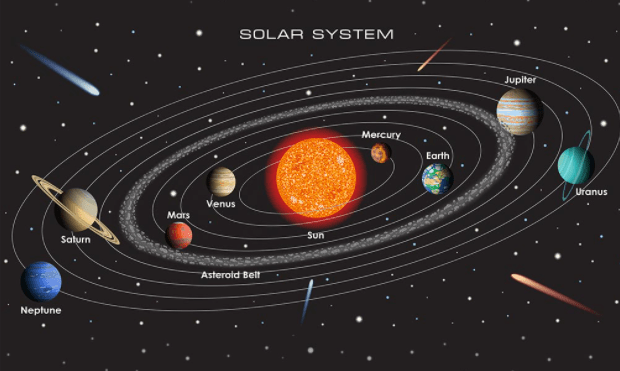
The solar system contains the sun, eight planets, many dwarf planets, comets, moons and asteroids. The Sun is our star. It is the source of energy and heat. It makes up 99.8 percent of the solar system’s entire mass, yet it is not that big of a star.

What is a planet?

The early sky gazers called planets as ‘planetes’ (wanderers). So, is a planet just a round object orbiting around the sun? Or perhaps is it an object having moons and  a large size? The definition of planets is a little more complex than that. A planet is defined by the International Astronomical Union (IAU) as a celestial body that has its primary orbit around the Sun, has sufficient mass for its own gravity to mold it into a round shape, and has cleared the neighborhood around its orbit by sweeping up all the planetesimals, which means that it’s the only body of its size in its orbit (got me breathless there).This complex definition excludes comets, asteroids, and smaller worlds that aren’t rounded by their own gravity. The IAU also defined another class called dwarf planets. These are objects that meet the first two criteria for planets but have not yet cleared their orbits. 

Inner solar system 

The area surrounding the sun, and bounded by the asteroid belt is the inner solar system. Here lie the first four planets of the solar system- Mercury, Venus, Earth and Mars. These planets are also referred to as “terrestrial” planets from the word ‘terra’ which is Latin for ‘earth’. It indicates that these planets have a similar rocky composition to Earth.

Asteroid belt

It is a collection of rocky objects (asteroids) of various sizes orbiting the Sun, located roughly between the orbits of the planets Jupiter and Mars.

Outer solar system

It lies beyond the asteroid belt. It consists of the gas giants- Jupiter, Saturn, Uranus and Neptune. These planets consist mostly of small rocky cores buried deep within massive spheres of liquid metallic hydrogen and some helium, covered by cloudy atmospheres. Neptune and Uranus are sometimes called as ‘ice giants’ as they contain significant amounts of super cold oxygen, carbon, nitrogen, sulphur and possibly some water. Each gas giant has a set of rings. Saturn’s is the most extensive and beautiful.

Kuiper belt

It extends from the orbit of Neptune out to a distance of well beyond 50AU from the sun. Think of it as a very distant and much more extensive version of the asteroid belt. It contains the dwarf planets- Pluto, Haumea, Makemake and Eris – as well as many other smaller icy worlds.

Oort cloud

The entire solar system is surrounded by a shell of frozen bits of ice and rock called the Oort cloud. It stretches out to about a quarter of the way to the nearest star. 

The solar system is about 4.6 billion years old and will continue to remain for another 1 or 2 billion years. Till then, this is our family, a huge one but is a family after all.

https://solarsystem.nasa.gov/
http://en.wikipedia.org/wiki/Solar_System

Ikea -history

In 1943, Ingvar Kamprad founded IKEA as a mail-order sales business, and began to sell furniture five years later.[25] The first store was opened in ÄlmhultSmåland, in 1958, under the name Möbel-IKÉA (Möbel means “furniture” in Swedish). The first stores outside Sweden were opened in Norway (1963) and Denmark (1969).[26] The stores spread to other parts of Europe in the 1970s, with the first store outside Scandinavia opening in Switzerland (1973), followed by West Germany (1974).[26]

Map of countries with IKEA stores
Legend:  Current market locations  Planned market locations  No current or planned market locations

In 1973, the company’s West German executives accidentally opened a store in Konstanz instead of Koblenz[how?].[25] Later that decade, stores opened in other parts of the world, such as Japan (1974), Australia, Canada (1975),[27][28] Hong Kong (1975), Singapore and The Netherlands (1978).[29] IKEA further expanded in the 1980s, opening stores in countries such as France and Spain (1981), Belgium (1984),[30] the United States (1985),[31] the United Kingdom (1987),[32] and Italy (1989).[33][29] Germany, with 53 stores, is IKEA’s biggest market, followed by the United States, with 51 stores. The first IKEA store in Latin America opened on 17 February 2010 in Santo DomingoDominican Republic.[34] IKEA has announced that the opening of a 65,000 m2 (699,654.2 sq ft) store in PasayPhilippines by the third or fourth quarter of 2021 is on track. Once opened, it will be the largest IKEA store in the world.[35] In April 2021, IKEA opened its first store in Mexico in Mexico City.

MAKE IN INDIA

Make in India is a Government of India scheme launched by Prime Minister Narendra Modi in 2014 intended to boost the domestic manufacturing sector and also augment investment into the country. The government wants to revive the lagging manufacturing sector and spur the growth of the economy. The GOI also intends to encourage businesses from abroad into investing in the country and also manufacture here, by improving the country’s ‘Ease of Doing Business’ index. The long-term vision is to gradually develop India into a global manufacturing hub, and also boost employment opportunities in the country.

Make in India is a very important government programme that has under its wing, many other sub-schemes, and programmes. The Make in India logo is a lion. It is a lion’s silhouette filled with cogs. This symbolizes manufacturing, national pride, and strength.

MAKE IN INDIA- OBJECTIVES

There are several targets aimed by the Make in India mission. They are:

Increase in the manufacturing sector’s share in the GDP to 25% by 2022.

Create 100 million additional jobs in the manufacturing sector by 2022.

Creating required skill sets among the urban poor and the rural migrants to foster inclusive growth.

A rise in the domestic value addition and technological depth in the manufacturing sector.

Augmenting the global competitiveness of the Indian manufacturing sector

MAKE IN INDIA- ADVANTAGES

Generating employment opportunities.

When FDI inflows become more, the rupee will be strengthened.

When countries invest in India, they will also bring with them the latest technologies in various fields.

Due to the various initiatives taken under the Mission, India has moved up the ranks in the EoDB index.

Setting up manufacturing centres and factories in rural areas will foster the development of these areas as well.

Increasing the GDP by expanding economic growth.

MAKE IN INDIA- INITIATIVES

For the first time, the sectors of railways, insurance, defense, and medical devices have been opened up for more Foreign Direct Investment (FDI).

There is an Investor Facilitation Cell that assists investors from the time of their arrival in India to their departure from the country. This was created in 2014 for giving services to investors in all phases such as the pre-investment phase, execution, and also after delivery services.

The Shram Suvidha Portal, eBiz portal, etc. have been launched. The eBiz portal offers single-window access to eleven government services connected with starting a business in India.

Other permits and licenses required to start a business have also been relaxed. Reforms are being undertaken in areas like property registration, payment of taxes, getting power connection, enforcing contracts, and resolving insolvency.

The government hopes to improve physical infrastructure chiefly through the PPP mode of investment. Ports and airports have seen increased investment. Dedicated freight corridors are also being developed.

The government has taken steps to improve India’s ‘Ease of Doing Business’ rank. India climbed 23 points in the Ease of Doing Business index to 77th place in 2019, becoming the highest-ranked in South Asia in this index.

MAKE IN INDIA- SCHEMES

STARTUP INDIA

The main idea behind this programme is to build an ecosystem that fosters the growth of startups, driving sustainable economic growth, and creating large-scale employment.

SKILL INDIA

This mission aims to skill 10 million in India annually in various sectors. Make in India to turn into a reality, there is a need to upskill the large human resource available. This is important because the percentage of formally skilled workforce in India is only 2% of the population.

DIGITAL INDIA

This aims to transform India into a knowledge-based and digitally empowered economy. To know more about Digital India, click on the linked page.

Pradhan Mantri Jan Dhan Yojana (PMJDY)

The mission envisages financial inclusion to ensure access to financial services, namely banking savings & deposit accounts, remittances, credit, insurance, pension in an affordable manner.

SMART CITIES

This mission aims to transform and rejuvenate Indian cities. The goal is to create 100 smart cities in India through several sub-initiatives.

MAKE IN INDIA- CHALLENGES

India has about 60% of cultivable land. The thrust on manufacturing is said to affect agriculture negatively. It can even cause a permanent disruption of arable land.

It is also believed that the rapid industrialization can lead to a depletion of natural resources.

A fallout of inviting large-scale FDI is that local farmers and small entrepreneurs may not be able to face the competition from international players.

The campaign, with all its focus on manufacturing, can cause pollution and environmental side-effects.

There are serious lacunae in the physical infrastructure facilities in the country. For the campaign to be successful, it is necessary to build up the infrastructure available in the country and also reduce problems like corruption at the lowest levels.

BOOK REVIEW- I AM MALALA

I AM MALALA is the remarkable story of a family uprooted by global terrorism, of the fight for girls education and of the deep love of Malala’s parents for their daughter in a society that wants only sons. It makes us believe in the power of a person’s voice to inspire and bring the needed change in the world.

When the Taliban took control over the Swat valley, one girl spoke out with immense courage. Malala Yousafzai refused to be silent and fought for her right to education. She was born in a poor family with two brothers younger than her. On Tuesday, 9th of October 2012, she paid the ultimate price. She was shot point blank while returning home from school in a bus. She was not expected to survive. Instead, her miraculous recovery took her from a remote village Swat in Northern Pakistan to the United States of America. At sixteen years, she has become a global symbol for peaceful protest and she won the Youngest Nobel Prize for Peace.

Her goal is to raise her voice on behalf of millions of girls who are denied the right of education and realize their potential. She has constituted the Malala Fund which believes that every child has the power to change the world. All that they need is a chance.

The fund will help local communities to develop innovative solutions to build traditional approaches when the girl children will find an audience to their voice and thereby create a better tomorrow. One child, One teacher, One book, One Pen is the motto of the Malala Fund that strives to change the world through education.

The first half of the book Malala describes Pakistan’s history including the history of her ancestors and the northern region of Pakistan, Swat where she lives. Malala also shares stories of her family, giving the reader a glimpse into the culture of Pakistan from a young woman’s perspective. Many of the stories involve Malala’s father Ziauddin Yousafzai. She describes his involvement in local politics, in the community and his vocal support of education for boys and girls.       

There’s no doubt in Malala’s passion and courage to stand-up for women’s rights stems from her father’s actions and character. Ziauddin Yousafzai defied Taliban orders by running a private school that encouraged girls to attend. Malala describes the challenges and frustrations her father faced when starting the school. The motto over the school’s door read “We are committed to build for your the call of the new era”. Her father believed the school’s students could fight the enemy with pens, not swords.

This book ‘I am Malala’ should be used in classes around the world. It is extremely powerful, and Malala is someone we can all learn from. When reading the book, we easily forget that Malala was just a child when most of these events happened. Most of us will not show one hundredth of her courage in our lifetime. She used her grief and her tragic past to build a cause and help solve the problems she sees as the most pressing. The fight is still going on and needs our attention, and Malala’s book is a testament to the power each and every one of us has to make the world a more equal place.

BOOK REVIEW- WINGS OF FIRE

Wings of fire is an autobiography by APJ Abdul Kalam covering his early life and his work in Indian Space Research Organization and missile programs. It is the story of a boy from a humble background who went on to become a key player in ISRO and later became The President of India. The book is very popular and it is translated into multiple languages.

The initial chapters of this book gives a vivid picture of our country during 1930-1950s. Kalam was born in Rameswaram, a southern religious town in Tamil Nadu. Kalam started his career in Aeronautical Development Establishment and was involved in the design of a hovercraft. Later he moved to Indian Space Research Organization. Kalam also went to NASA facility in Maryland, USA as part of a training program on Sound and Rocket Launch techniques.

Kalam is a poet and he is a huge fan of poems. The book itself contains many of his own poems and collection of his favorite poems. The book also contains about twenty-four photos, that are absolutely amazing. One of the things that we learn from this book is Kalam’s positive thinking. He held many high ranking positions in various organizations, yet he continued to be very simple, secular, downtrodden and a humble person. The secret to his success is his ability to ignore the negative things around him. The book gives a clue to his popularity in India.

Abdul Kalam, an optimist, helped India become self sufficient in its space and rocket technology. The book also inspires the youth of India living nationally and internationally that they appreciate the one marvel achieved by their nation’s hero, Abdul Kalam and strive themselves to become strong in every area of their profession and make India prosper for eternity. Abdul Kalam, the man with many names. He is most trusted man in India according to survey, He is also known as ‘the missile man’ of India. Abdul Kalam will be cherished long after he is gone, the man whom India loves.

At the core, the book is about the great Indian dream. A wish that all the founding fathers of a country have, a wish fulfilled by Abdul Kalam.A country which is divided by religion and caste. A country which has a corrupt political system and where money rules, Abdul Kalam still made millions of citizens of India a proud nation.

This book is full of information and is a recommended choice for every student, because this book has the influence and power to motivate a person to stand out in life. “Wings of Fire” is a unique model of accomplishing one’s goals, while fulfilling the promise to its country.

What is the meaning of the thing you are watching?

“Be yourself; everyone else is already taken.”

 Oscar Wilde

Why in different- different situation you take it differently?

Her I am to discuss with you about these two questions which are always in my mind. Whatever it is a song, a book, a quote, n scolding from your elders or anything else it can also be some movie which inspired you to do what you are doing right now at a moment.

We have various kinds of emotions that we deal with every now and then because of the thing happing around us and imagine if suddenly any quote, music or anything you heard. What you will d

Anything you hears only happens to you for some reasons wherever you are  same thing which you heard while you were angry made you more sad but when you were angry it provided you sudden calmness which may last long.

Whenever you are feeling sad you understand the lines deepest massage and you think its made only for

Whenever you are in any other situation you only understand the upper words of the sentence you heard.

Suppose the Quote you heard is

“Be yourself; everyone else is already taken.”
― Oscar Wilde

Now its time for example:-

There is a man name ‘Nobody’

There he was sitting and suddenly many people came to him and started yelling at him he couldn’t understand the reason for it and after the continuous scolding he got so angry that he left the place and when somewhere. There Nobody heard this quote “Be yourself; everyone else is already taken.”

― Oscar Wilde.

He thought that these all people are blaming him for no reason he should response to them that however I am its not there right to yields at me without any reason its me that is. Nobody went and yielded back at the peoples who yielded at him.

Now suppose a different situation where he was just sitting and was in a piece of mind where he can understand why such things are happening. Same as above same people came to him and yield at him again he went to some quiet place there he thought of the answer to his questions why were people yielding at him. Then to get the answer to his question he decided to go to that people and ask them why they were yielding at him. He went and asked them they answered him and told them about a mistake which he did last time which resulted in some sort of mess around them. After hearing the reason, he apologized to them and later the people also calmed down and so Nobody and then he tried to correct his mistake.

It is all about understanding the correct meaning in whichever situation you are in.

Now try to go through various quotes few listed below!

“I’m selfish, impatient and a little insecure. I make mistakes, I am out of control and at times hard to handle. But if you can’t handle me at my worst, then you sure as hell don’t deserve me at my best.”

― Marilyn Monroe   

“A room without books is like a body without a soul.”

― Marcus Tullius Cicero

How to improve yourself

1)Develop Yourself by Learning Something New:

1. Take an Online Course- 

Taking an online course is a great way to learn new skills, expand your mindset, and improve yourself. Whether you want to learn digital marketing, photography, or programming, there are so many amazing free online courses. 

For example, you could learn how to start an online business with Shopify Compass, or check out online course platforms like Udemy, Coursera, and edX.

2. Learn a Language-

Learning a new language is a great way to work on yourself, explore a different culture, and change your way of looking at the world. Plus, learning a new language can open up new travel possibilities and introduce you to many new potential friends.

If that’s not enough, you’ll also get the perfect opportunity to practice valuable life skills, such as patience, perseverance, dedication, and hard work. To get started, check out some free online language courses on Duolingo, edX, and Alison.

3. Learn to Play a Musical Instrument-

Just like languages, music can open you up to a whole new world. Learning an instrument can be a fantastic way to join a dedicated community, find a healthy method of emotional expression, and develop a life-long passion.

So, if you’ve always wanted to play a musical instrument, there’s no time like the present! Plus, there are tons of free tutorials online to get you started. Head over to YouTube to search for free lessons.

4. Start a Business-

Starting a business can provide many of the same benefits of learning a language or instrument. However, there’s a bonus benefit: you can also make money.

There are many different types of businesses you can start such as freelancing, consulting, and teaching online. However, if you’re new to business, consider dropshipping. This business model allows you to start selling products online without any upfront investment.

2)Work on Yourself by Improving Your Habits:

5. Read More-

Do you wish you spent less time on social media, YouTube, or Netflix? Reading is a great alternative. Many of the most successful people in the world value reading as a way to improve themselves every day. For example, Bill Gates reads a whopping 50 books a year – that’s almost one per week.

6. Stick to an Exercise Routine-

There’s a reason why successful people exercise regularly. It boosts our immune systems, gives us more energy, and can regulate our hormones and emotions, which helps us stay focused and motivated. If you want to begin exercising regularly, consider downloading an exercise app, working out with a friend, or setting a daily goal, no matter how small.

7. Eat Healthier-

With so many unhealthy options out there, it can be challenging to eat healthily. However, our diets have a massive impact on our happiness, wellbeing, and success. What we consume can heal us or hurt us. 

There’s an Indian ayurveda proverb that says, “When diet is wrong, medicine is of no use. When diet is correct, medicine is of no need.” When trying to change a bad habit, start small, and focus on consistency. For example, you could start by eating at least three types of fresh fruit and vegetables every day.

8. Watch and Listen to Positive Media-

The saying, “you are what you eat,” also applies to everything we consume, such as the things we listen to and watch.

Every podcast, movie, and social media post that we consume impacts our mental and emotional states. In fact, a new study has proven that social media causes negative effects on wellbeing, and increases feelings of depression and loneliness. One of the best ways to improve yourself is to change what you listen to and watch. So, switch it up and check out some motivational podcasts or watch inspiring and educational TV.

9. Learn to Rest Deeply-

These days, there’s so much to do: Work, study, read books, watch TV, listen to podcasts, catch up on social media, message friends, run errands, clean, travel, shop, cook, exercise…It never stops, right?

What’s more, it’s common to feel like some types of “doing” are “resting,” and others are “work.” For example, work, studying, and cleaning is “work.” And travel, social media, and messaging friends is “rest.” Except, travel, social media, and messaging friends are also tiring! So, try to sit quietly, watch the sunset, and spend time in nature with your wonderful self.

3)Improve Yourself By Increasing Your Focus:

10. Start Meditating-

According to some reputable scientific studies, meditation can help to:

Reduce stress and anxiety

Promote emotional health

Enhance self-awareness

Lengthen attention span

Reduce age-related memory loss

Generate kindness

Help fight addictions

Improve sleep

Control pain

11. Plan Your Goals Then Schedule Time to Work on Them-

Turn your wishes into goals by creating a plan and scheduling time to work on them. To-do list apps can help.

12. Start Journaling-

Journaling provides many health benefits. Research shows that expressing your thoughts and feelings in this way can:

Decrease the symptoms of asthma, arthritis, and other health conditions

Improve cognitive functioning

Strengthen the immune system

Counteract many of the negative effects of stress. 

13. Start a 30-Day Challenge-

The software engineer Matt Cutts said, “If you really want something badly enough, you can do anything for 30 days.”Cutts shared the benefits of doing something for 30 days in a row. He said that time was more memorable, and his self-confidence grew. So, is there something you’ve always wanted to learn or do? 

Whether it’s starting a business, writing a novel, or exercising every day for 30 days, give it a go. The results may surprise you.

4)Develop Yourself by Working on Your Emotions:

14. Confront Your Fear of Failure-

If you want to improve yourself, consider working on overcoming the fear of failure.

15. Observe Your Emotional Reactions-

Our emotions can often overwhelm us and make us behave in ways we’d rather not. That’s why learning to observe your emotions and managing your behavior is a vital part of improving yourself. Try sitting for a few minutes each day and just observe how you feel. You could be surprised by what you discover.

16. Develop a Way to Express Yourself-

How can you express yourself in a healthy way? There are so many ways to express your emotions, such as art, music, writing, and sports. Start developing a healthy outlet.

17. Work with a Licensed Therapist-

Working with a licensed therapist is one of the best ways to improve yourself. These trained professionals can provide guidance and support when it comes to navigating your emotions.

5)Improve Yourself Through Your Relationships:

18. Identify Ways to Grow Relationships-

“Wisdom is the reward you get for a lifetime of listening when you would have rather talked.” Once you’ve identified a way to improve your relationship skills, start practicing.

19. Create Ways to Meet New People-

One of the best ways to improve yourself is to meet new people. Not only will this give you a chance to practice your social skills, but you’ll also be exposed to new ways of looking at the world.

20. Set Your Boundaries-

Another great way to work on yourself is to set boundaries in your relationships. Our boundaries (or lack of boundaries) shape our relationships – and as a result, our lives. “When we fail to set boundaries and hold people accountable, we feel used and mistreated,” said author and psychologist, Brené Brown. “This is why we sometimes attack who they are, which is far more hurtful than addressing a behavior or a choice.”

Child/Human Trafficking

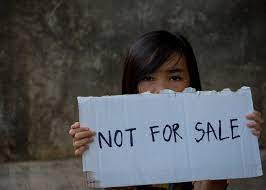
According to the report, the foremost common style of human trafficking (79%) is sexual exploitation. The victims of sexual exploitation area unit preponderantly girls and women. astonishingly, in half-hour of the countries that provided data on the gender of traffickers, girls frame the most important proportion of traffickers. In some components of the planet, trafficking girls is that the norm. Disadvantaged communities – Dalits, tribals, non-secular minorities – area unit most susceptible to trafficking. youngsters from underserved families are unit subject to trafficking within the style of forced kid labour and/or sex trafficking. many youngsters area unit lawlessly used in brick kilns, construction sites and agricultural fields. kid trafficking additionally takes kind once youngsters area unit forcefully engaged in beggary rackets and different such activities. several youngsters area unit sold by their folks to figure in factories and different industries that area unit extremely dangerous with cyanogenetic environments. excluding this, horrific stories emerge daily of young women being forced into the sex trade. folks of those youngsters area unit either betrayed or lured because of the poor socio-economic conditions that eventually compel them to ‘send’ or ‘sell’ their youngsters for ‘better living options’. Most traffickers exploit their lack of awareness, particularly once it involves the uneducated and poor living within the slums and different backward regions within the country. Traffickers promise daily wages to folks of young youngsters and transport them to huge cities wherever they’re typically treated as commodities. Families in dire monetary conditions area unit typically approached by traffickers with a suggestion to shop for their youngsters and with no different escape their pitiful conditions, folks abide by.

A poison called poverty

“Anyone who has struggled with poverty knows how extremely expensive it is to be poor” – James Baldwin
Poverty is a condition where people face actual shortage of resources required for living. Poverty is usually described in economics terms but in reality it is much more than that. It is not merely lack of necessities but it also extends to issues pertaining to deprivation, discrimination and social disadvantage. It can also relate to unequal distribution of wealth in a society.
‘The cycle of poverty’ as they say, explains why poverty continues amongst the same sections of society. Starting with lack of resources, poor people live a life poverty wherein they cannot get proper education. This leads to unemployment and further poverty. Thus it is evident that poverty begets poverty.
Poverty is often associated with deprivation. Here a person feels he/she is not getting what he/she deserves.
Poverty and deprivation have their own impacts on individuals. Poor people have low motivation and low aspirations. They believe in fate or luck and tend to have low self esteem. It’s not an individual way, but a belief system which is formed by their experiences in a life filled with poverty. This is called the ‘culture of poverty’ and it serves as both cause and effect of poverty. It convinces poor people that they will remain poor and this belief is carried over from one generation to the next.
Poverty and deprivation are also linked to social disadvantage. It is very true that certain sections of the society enjoy more privilege than others. As for poor people, they are not allowed to enjoy the same privileges as the rest of the society. Prolonged deprivation effects individuals espacially children. The environment in which a child grows significantly affects his/her development and it is reflected in their task performance. It has been observed that intellectual functioning and task performance of deprived people are lower than those of who are not deprived.

Social disadvantage and discrimination go hand in hand. Once you are a part of disadvantaged section, you are bound to face discrimination at some point of time. Discrimination refers to behaviours or practices that make distinction between rich and poor. Obviously the rich are favoured over poor and disadvantaged.
This discrimination is quite visible in matters of education, employment, social interaction etc. Even if children of poor people have skills and capabilities, they fail to pursue their dreams because they cannot avail the opportunities rest of the society can. Social disadvantage and discrimination together contribute towards preventing the poor people from improving their economic condition. It can be seen that discrimination is the cause and effect of poverty as well.
Some people say that poor people are themselves responsible for poverty and that they lack motivation or abilities to utilise the opportunities that they are given. This view however, is very negative and does not help in making them any better. The economic system is made in such a way that it doesn’t do any good to poor people either. It is therefore safe to say that poverty is like poison and once it enters the lives of the people, it continuously deteriorates them.