

Hibiscus is a genus of flowering plants in the family Malvaceae. The genus is quite large, comprising several hundred species that are native to warm temperate, subtropical and tropical regions throughout the world.
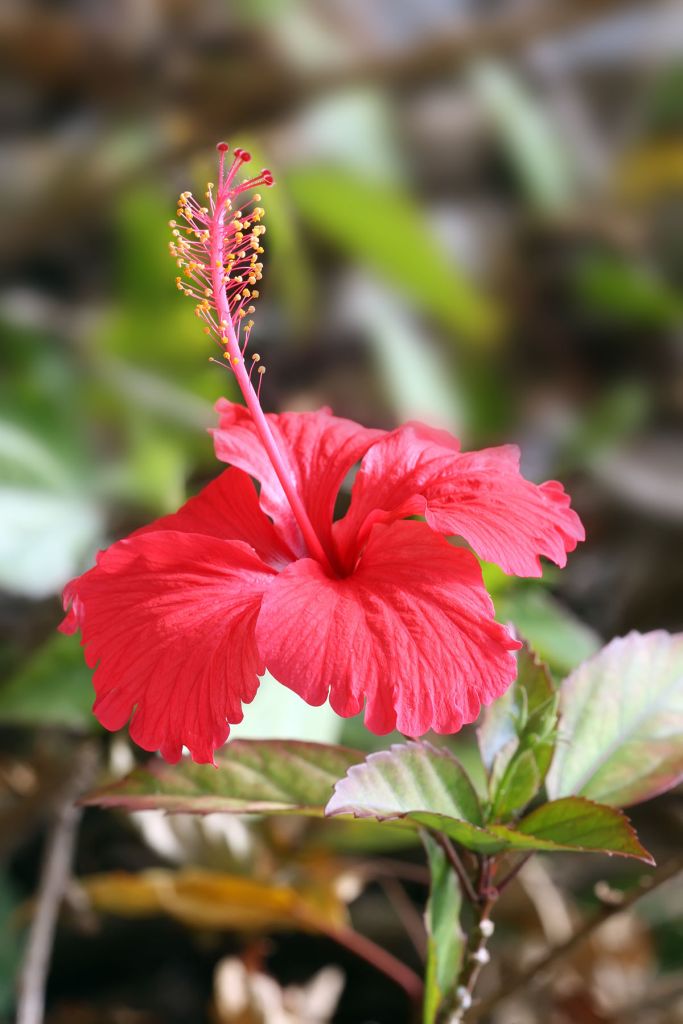
Scientific name: Hibiscus
Family: Malvaceae
Kingdom: Plantae
Order: Malvales
Subfamily: Malvoideae
Colors: Orange, Yellow, Red, Pink, and Multicolor. Purple and white forms are less common.
Height: 7 feet tall

The Parts of a Hibiscus Flower
✓Pistil
✓Petal
✓Stamen
✓Leaf
✓Stem
✓Receptacle
✓Sepal
✓Bract
✓Thalamus
✓Bracteole
✓Pedicel
✓Perianth

PISTIL:
The Pistil is the female reproductive part of a plant. The pistil is made up of the ovary where seeds develop, the stigma that catches pollen and the style that is the tube between the stigma and ovary. The female reproductive organ of a flower is Gynoecium or Pistil. Each member is carpel.

PETAL:
Petals are modified leaves that surround the reproductive parts of flowers. Innermost accessory whorl of flower is corolla. Each member is called Petal.

STAMEN:
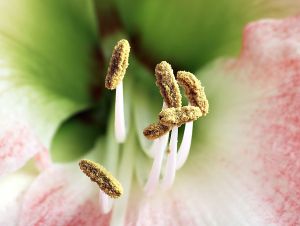
The Stamen is the pollen-producing reproductive organ of a flower. Collectively the stamens form the androecium. Male organ of a flower is androecium. Each member is Stamen.
LEAF:
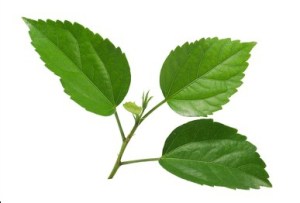
Hibiscus leaves are simple, alternate, auriculate and have ovate stipules. Leaves are between 7 and 15 centimeters long.
STEM:
Hibiscus (Hibiscus rosa-sinensis) is a distinctive shrub valued for its shiny, deep green foliage and huge, exotic blooms. Propagate a new hibiscus by planting stem cuttings in the spring.

RECEPTACLE:
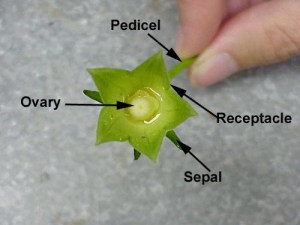
The Receptacle is the point on the stem to which the other structures attach.
SEPAL:
Sepals are small green petal-like structures that cover the petals before they emerge. Outermost whorl of flower is calyx. Each member is called Sepal.
BRACT:
Subtending leaf or leaf like structure of any flower is called Bract.
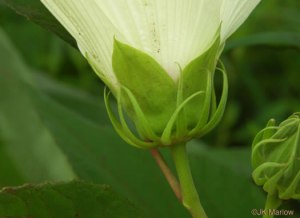
THALAMUS:
The part of the flower on which other floral parts are attached.
BRACTEOLE:
A Smaller bract present on the side of pedicel is called Bracteole or Bractlet.
A whorl of bracteoles at the base of calyx is called epicalyx.
PEDICEL:
Stalk of the flower. Flower is pedicellate or sessile depending upon presence or absence. The flowers with a short, rudimentary pedicel are called subsessile flowers.

PERIANTH (perigonium):
Undifferentiated calyx and corolla. Individual members are called tepal.
Benefits of Hibiscus flowers
✓The flowers and other parts of the plant are used to make medicine.
✓People use hibiscus for high blood pressure, high cholesterol, to increase the production of breast milk, and many other conditions, but there is no good scientific evidence to support most of these uses.
✓Most early research shows that drinking hibiscus tea for 2-6 weeks decreases blood pressure by a small amount in people with normal or high blood pressure.
✓May Help Lower Blood Pressure.
✓May Help Lower Blood Fat Levels.
✓May Boost Liver Health.
✓Make your hair look healthy and lustrous.

 Eduindex
You must be logged in to post a comment.