

A Disaster can be generally defined as “A serious disruption in the society causing widespread material economic, social or environmental losses which exceed the ability of the affected society to cope using its own resources”. Disaster impacts may include loss of life, injury, disease and other negative effects on human Physical, mental and social well-being, together with damage to property, destruction of assets, loss of services, social and economic disruption and environmental degradation.

Two types of disaster. They are
✓Natural disaster
✓Man-made Disaster
NATURAL DISASTERS
A natural disaster is a major adverse event resulting from natural processes of the Earth, examples include firestorms, duststorms, floods, hurricanes, tornadoes, volcanic eruptions, earthquakes, tsunamis, storms, and other geologic processes.

Earthquake
A sudden movement (or) trembling of the earth crust is called as earthquake. The movement of the tectonic plates, mass wasting, landslides, surface fault, etc., causes earthquake.

Effects
Due to a strong earthquake, loss of lives, buildings, roads, bridges and dams are damaged. Earthquake cause floods, tsunami, landslides, fires, break down of water supply and electrical lines. It may change the course of a river too.

Tsunami
When earthquake jolts the ocean floor, the sudden dislocation of the sea bed occurs and the resulting displacement of water can produce one or more huge, destructive waves, known collectively as a Tsunami. The sea waves rise to several meters and may reach the coast within a few minutes.

The word “Tsunami” is derived from the Japanese word. “Tsu” means harbour and “nami” means waves.
Effects
It causes flooding and disrupts transportation, power communication and water supply.

Flood
Sudden overflow of water in a large amount caused due to heavy rainfall, cyclone, melting of snow, Tsunami or a dam burst.

Effects
✓Loss of life and property.
✓Displacement of people.
✓Spread of contagious diseases such as Cholera and Malaria etc.,

Cyclone
A low-pressure area which is encircled by high pressure wind is called a cyclone.

Effects
The main effects of tropical cyclone include heavy rain, strong wind, large storm surges near landfall and tornadoes.

MAN-MADE DISASTERS
Man-made disasters can include hazardous material spills, fires, groundwater contamination, transportation accidents, structure failures, mining accidents, explosions and acts of terrorism

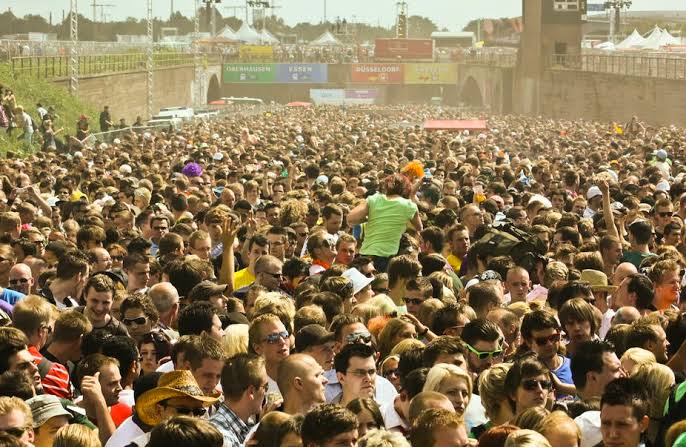
Stampede
The term stampede is a sudden rush of a crowd of people, usually resulting in injuries and death from suffocation and trampling. It is believed that most major crowd disasters can be prevented by simple crowd management strategies. Human stampedes can be prevented by organization and traffic control, such as barriers, following queues and by avoiding mass gathering.
Fire
Fire is a disaster caused due to electrical short circuit, accidents in chemical factory, match and crackers factory.

Fire involves 3 basic aspects
✓Prevention
✓Detection
✓Extinguishing

 Eduindex
You must be logged in to post a comment.