

News
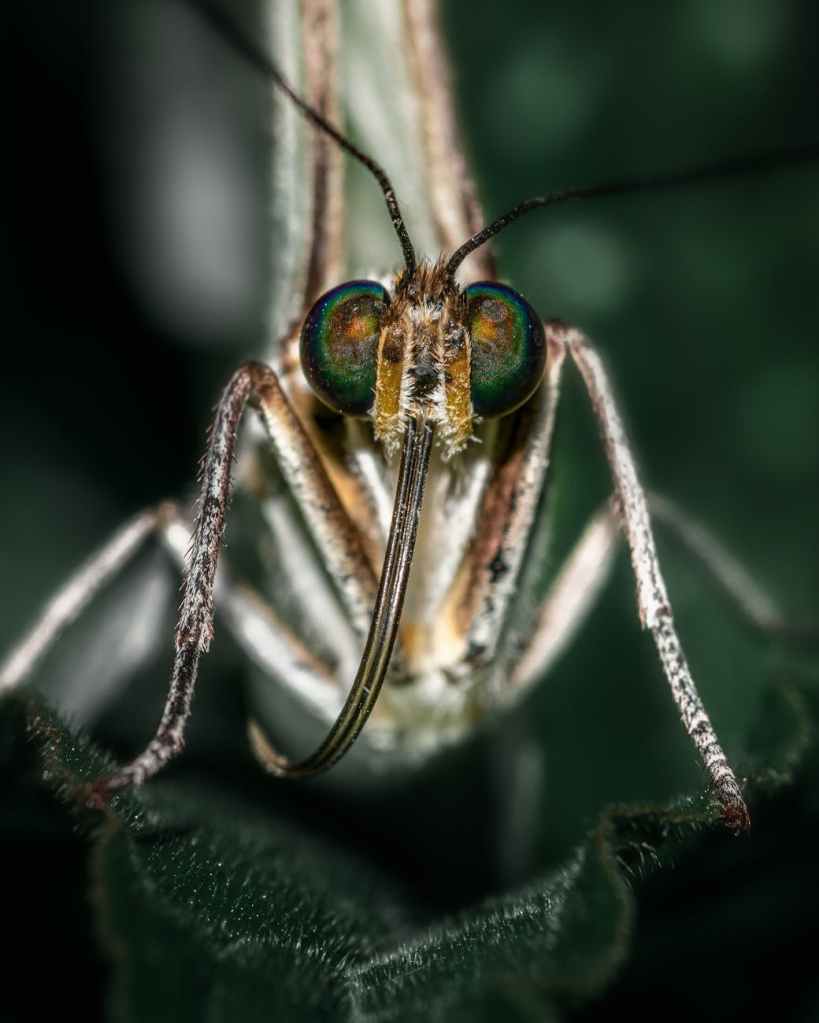
• After a 70-year effort, China has been awarded a malaria-free certification from WHO.
Malaria
• A life-threatening disease caused by Plasmodium
parasites.
• Vector – Mosquito.
• P. falciparum and P. vivax pose the greatest threat.
• 2019: 229 million cases of malaria worldwide.
• Most malaria cases and deaths occur in sub-Saharan Africa.
• Also prevalent in South-East Asia, Eastern Mediterranean, Western Pacific, and the
Americas.
• 40 countries/ territories are malaria-free -WHO.
• China – first country in WHO Western Pacific
Region to be awarded a malaria-free certification in more than 3 decades.
Other countries in the region – Australia (1981), Singapore (1982) and Brunei
Darussalam (1987).
• India is not yet a malaria free country.
China’s Malaria elimination journey
• 1950s: Chinese health authorities worked to locate
and stop the spread of malaria.
Provided preventive antimalarial medicines.
• A major effort to reduce mosquito breeding grounds
- use of insecticide spraying. • 1967: Chinese Government launched the “523 Project”.
- Nation-wide research programme aimed at finding new treatments for malaria.
Led to the discovery in the 1970s of artemisinin.
Core compound of artemisinin-based combination therapies (ACTs) – most effective antimalarial drugs available today.
• 1980s: China – one of the first countries in the world to extensively test the use
of insecticide-treated nets (ITNs). - • 1988: more than 2.4 million nets had been
distributed in China. - • 1990: number of malaria cases in China fell to 1,17,000; deaths were reduced by 95%
- • Funding by the Global Fund to Fight AIDS, Tuberculosis and Malaria, launched in 2002.
- • 2021: China was declared as a Malaria free country.

 Eduindex
You must be logged in to post a comment.