

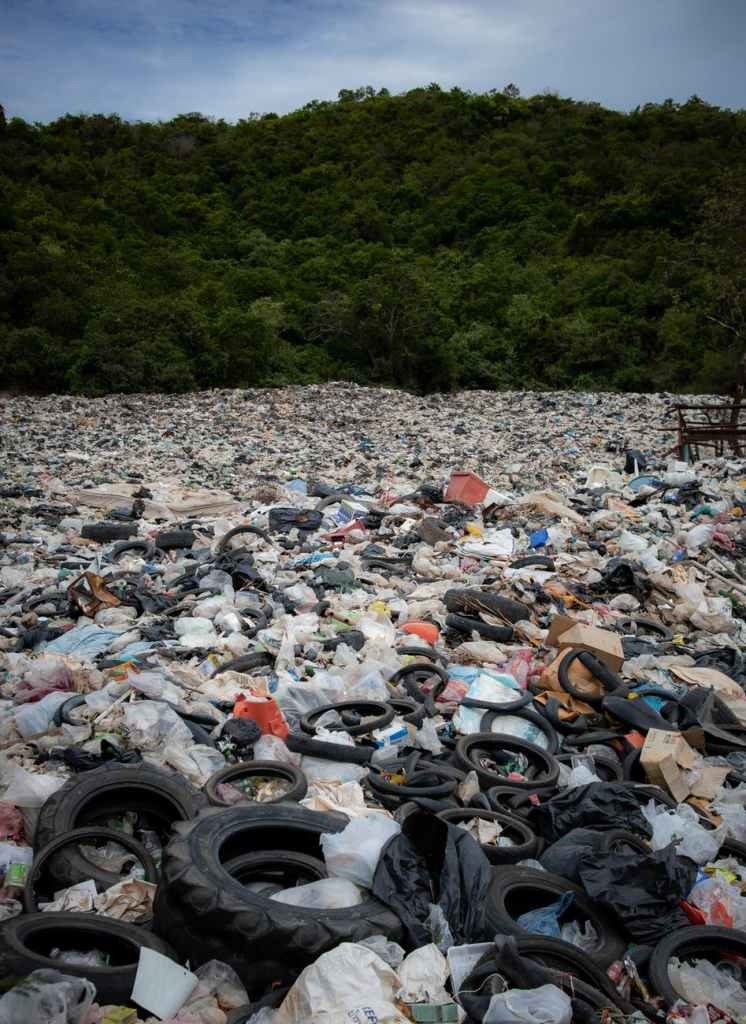
Urban India generates 62 million tonnes of waste (MSW) annually, and it has been predicted that this will reach 165 million tonnes in 2030. 43 million tonnes of municipal solid waste is collected annually, out of which 31 million is dumped in landfill sites and just 11.9 million is treated.
Burying garbage also causes both air and water pollution, and simply transporting it to the sites consumes an increasing amount of valuable fossil fuels, which produces more pollution and other problems. Buried in a landfill, the typical plastic trash bag takes 1,000 years to degrade, giving off toxins as it does.
The reason why most landfill sites are over-flowing is because the current waste disposal system is flawed. Nearly 20% of methane gas emissions in India is caused by landfills. The trash dumped in the landfills are prone to catching fire due to the heat generated by the decomposition of waste.
The amount of rubbish produced by an average household has increased dramatically over the last few decades. This trend is mainly due to consumption and abundance of plastic. … Now they buy packed food from supermarkets which creates a myriad of plastics waste through its packaging.
India faces major environmental challenges associated with waste generation and inadequate waste collection, transport, treatment and disposal. Current systems in India cannot cope with the volumes of waste generated by an increasing urban population, and this impacts on the environment and public health.
Steps we can take to ensure the environment clean —
• Donate Clothes.
• Reduce Food Waste.
• Meal Plan.
• Eat Healthy.
• Save Leftovers for Next Day.
• Buy Things in Bulk with Less Packaging.
• Avoid Food Wrapped In Plastic.
• Bring Your Own Bag.
• Avoid plastic and one time usable plastic
Energy from waste can be used to produce heat or electricity, which might then replace the energy produced using coal or other fuels. Energy recovery of waste can thus help reduce greenhouse gas emissions. Recycling can help even more to lower greenhouse gas emissions and other emissions
Proper waste management helps improve the quality of water and air, as well as reduce the emission of greenhouse gases. … So, when they collect the waste, they are usually salvaged for redistribution, recycling and reuse. By booking a skip bin, you can reduce pollution and lower the demand for producing new materials.

 Eduindex
You must be logged in to post a comment.