

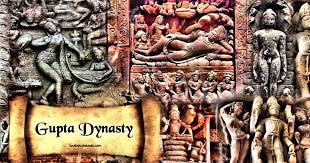
WELCOME TO HISTORIC WORLD
GUPTA EMPIRE
Chandra Gupta I, king of India (reigned 320 to c. 330 c) and founder of the Gupta empire. Prosperity in the Gupta Empire initiated a period known as the Golden Age of India, marked by extensive inventions and discoveries in science, technology, engineering, art, dialectic, literature, logic, mathematics, astronomy, religion, and philosophy. After the Kushanas, the Guptas were the most important dynasty. The Gupta period has been described as the Golden Age of Indian history. The first famous king of the Gupta dynasty was Ghatotkacha’s son Chandragupta I. He married Kumaradevi, the daughter of the chief of the Licchavis. This marriage was a turning point in the life of Chandragupta I. He got Pataliputra in dowry from the Lichhavis. From Pataliputra, he laid the foundation of his empire and started conquering many neighbouring states with the help of the Licchavis. He ruled over Magadha (Bihar), Prayaga and Saketa (east Uttar Pradesh). His kingdom extended from the river Ganges to Allahabad. Chandragupta I also got the title of Maharajadhiraja (King of Kings) and ruled for about fifteen years.
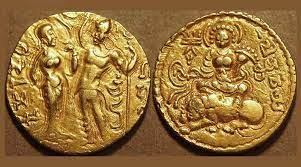
Chandragupta I was succeeded by Samudragupta in about 330 A.D., who reigned for about fifty years. He was a great military genius and is said to have commanded a military campaign across the Deccan, and also subdued the forest tribes of the Vindhya region.
Samudragupta’s successor Chandragupta II, also known as Vikramaditya, conquered the extensive territories of Malwa, Gujarat and Kathiawar. This provided exceptional wealth, which added to the prosperity of the Guptas. The Guptas in this period engaged in sea trade with the countries of the west. It was most probably during his reign that Kalidas, the greatest Sanskrit poet and dramatist, as well as many other scientist and scholars flourished.
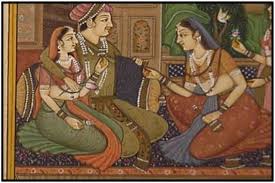
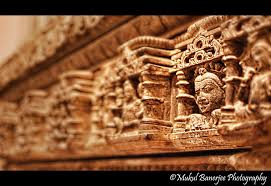
Gupta dynasty, rulers of the Magadha (now Bihar) state in northeastern India. They maintained an empire over northern and parts of central and western India from the early 4th to the late 6th century CE. Historians once regarded the Gupta period as the classical age of India—during which the norms of Indian literature, art, architecture, and philosophy were established—but many of those assumptions have been challenged by more extensive studies of Indian society and culture between the Mauryan and Gupta periods. Among the products traditionally thought to be from the Gupta era were the decimal system of notation, the great Sanskrit epics, and Hindu art, along with contributions to the sciences of astronomy, mathematics, and metallurgy.

 Eduindex
You must be logged in to post a comment.