

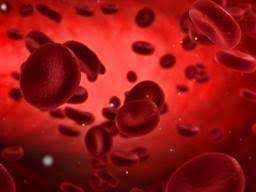
Blood is the main circulatory medium in the human body. It is a red coloured fluid connective tissue.
Components of Blood
The blood consists of two main components. The fluid plasma and the formed elements (blood cells) which are found suspended in the plasma.

Plasma
It is slightly alkaline, containing non-cellular substance which constitutes about 55% of the blood. Organic substances like proteins, glucose, urea, enzymes, hormones, vitamins and minerals are present in the plasma.
Formed Elements of Blood
Blood corpuscles are of three types
✓Red blood corpuscles (RBC) or Erythrocytes.
✓White blood corpuscles (WBC) or Leucocytes.
✓Blood platelets or Thrombocytes.

Red blood corpuscles (Erythrocytes)
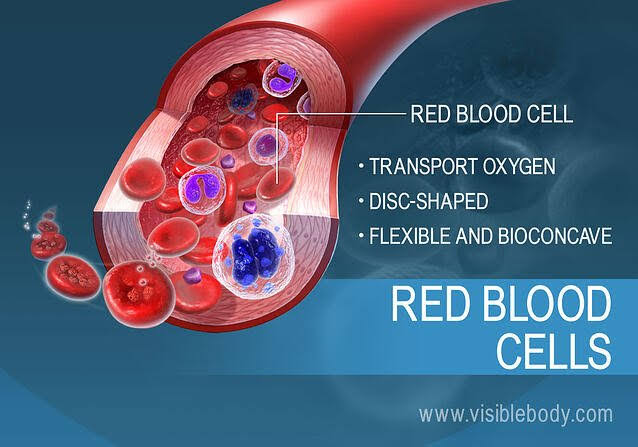
They are the most abundant cells in the human body. RBCs are formed in the bone marrow. The RBCs impart red colour to the blood due to presence of respiratory pigment haemoglobin. Matured mammalian RBCs do not have cell organelles and nucleus. They are biconcave and disc-shaped. Their life span is about 120 days. RBC is involved in the transport of oxygen from lungs to tissues.

White blood corpuscles (Leucocytes)
WBC’s are colourless. They do not have haemoglobin and are nucleated cells. It is found in the bone marrow, spleen, thymus and lymph nodes. They are capable of amoeboid movement.
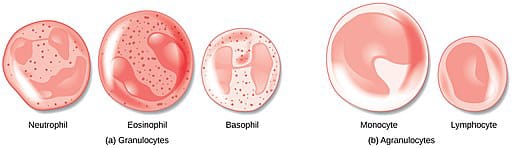
The white blood corpuscles can be grouped into two categories:
✓Granulocytes
✓Agranulocytes

Granulocytes
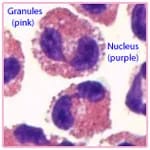
They contain granules in their cytoplasm. Their nucleus is irregular or lobed. The granulocytes are of three types
✓Neutrophils
✓Eosinophils
✓Basophils

Neutrophils
They are large in size and have a 2-7 lobed nucleus. These corpuscles form 60% – 65% of the total leucocytes. Their numbers are increased during infection and inflammation.

Eosinophils
It has a bilobed nucleus and constitute 2% – 3% of the total leucocytes. Their number increases during conditions of allergy and parasitic infections. It brings about detoxification of toxins.
Basophils
Basophils have lobed nucleus. They form 0.5-1.0% of the total leucocytes. They release chemicals during the process of inflammation.

Agranulocytes
Granules are not found in the cytoplasm of these cells. The agranulocytes are of two types:
✓Lymphocytes
✓Monocytes
Lymphocytes
These are about 20-25% of the total leucocytes. They produce antibodies during bacterial and viral infections.

Monocytes
They are the largest of the leucocytes and are amoeboid in shape. These cells form 5 – 6% of the total leucocytes. They are phagocytic and can engulf bacteria.

Blood Platelets or Thrombocytes
These are small and colourless. They do not have nucleus. There are about 2,50,000 – 4,00,000 platelets / cubic mm of blood. Life span of platelets is 8-10 days. They play an important role in clotting of blood. Platelets form clot at the site of injury and prevent blood loss.

Functions of blood
✓Transport of respiratory gases ( Oxygen and CO2).
✓Transport of digested food materials to the different body cells.
✓Transport of hormones.
✓Transport of nitrogenous excretory products like ammonia, urea and uric acid.
✓It is involved in protection of the body and defense against diseases.
✓It acts as buffer and also helps in regulation of pH and body temperature.
✓It maintains proper water balance in the body.

 Eduindex
You must be logged in to post a comment.