

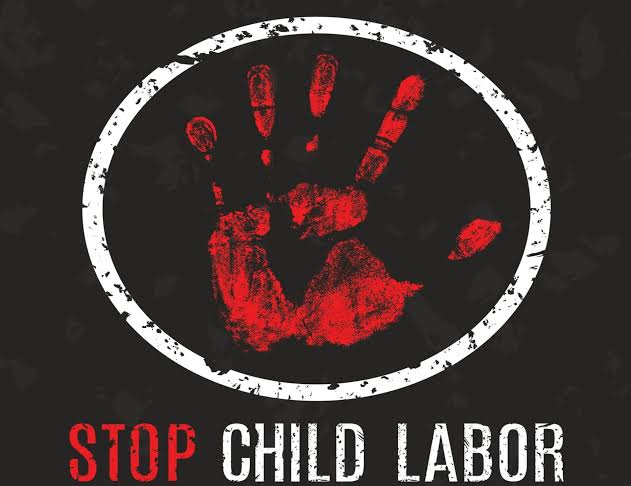
India is a democratic country and a welfare State and it’s children have no security and safety. The sons and daughters of the millions of Indians living under the poverty line in the age group of 5 and 14 are forced to spend a very miserable existence. There is no social security for them as their parents cannot afford to send them to schools. They are subject to various types of exploitations and abuses.
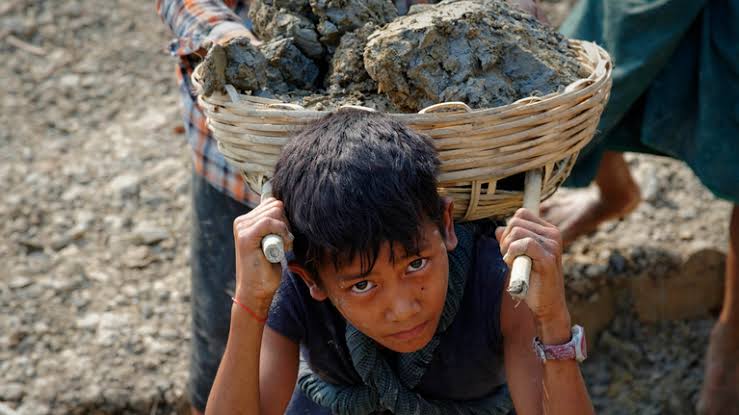
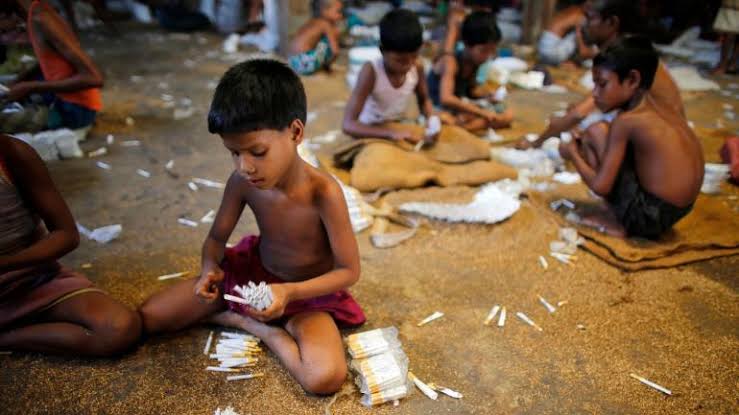
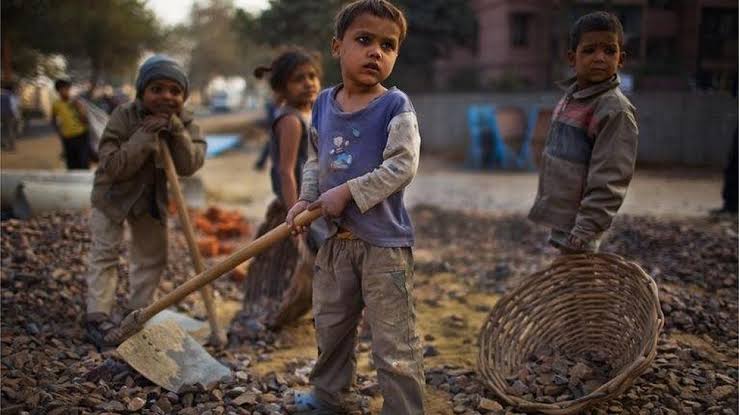
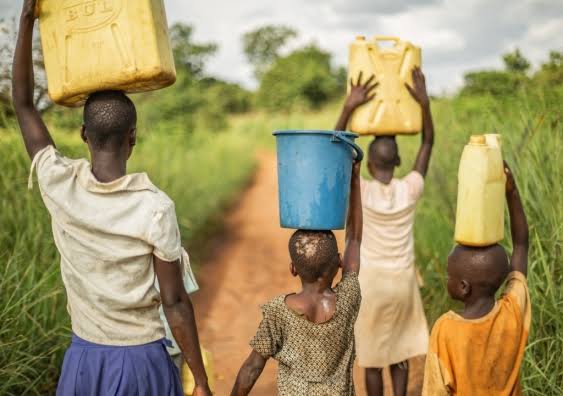
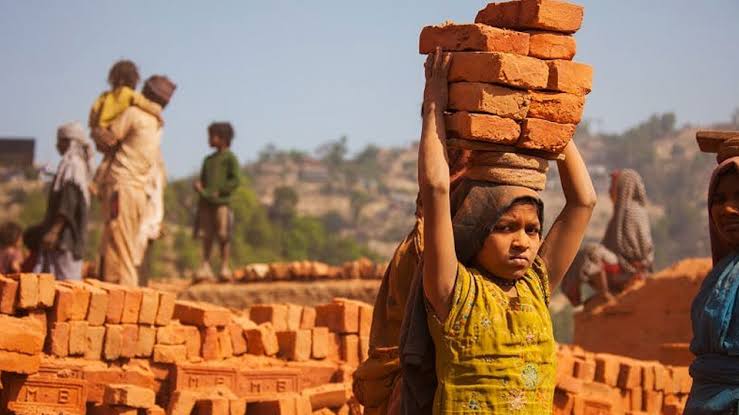
There are estimated to be over 11 million child workers. They are forced to labour hard and for long hours in mills, factories, fields, farms and houses as domestic servants. They have to work in very trying, unhealthy and sometimes dangerous conditions. They belong to the age group of 5 and 14 years and hardly know what is childhood and boyhood and its fun and enjoyments.
These children, who have only one childhood, are obliged to work as labourers in match, knit-wear, silk, carpet, sports goods, construction, fireworks, bangles and such other labour intensive industries. They are also engaged as bidi-rollers, brick kiln workers, shop servants and domestic helps against their wishes and abilities. The figure of 11 million child workers is far too low than the actual number of child labours because the Child Labour Act covers only the 15 percent of the employed children and the rest comprising 85 percent working in unorganised sector have been ignored. There is utter lack of social awareness and accountability in the matter. The children of the weaker sections of the society are being exploited openly and blatantly. There is no effective forum to voice their grievance and protect them against this wide spread exploitation.
The international code of conduct on minimum labour standards is not being implemented in our country. Actually every person under 18 years of age unless, under the law applicable to the child, majority is attained earlier, is a child. According to the Convention of Rights of the Child of 1990, every child has the right to an adequate standard of living and social security. He or she has the right to education. They have the right of protection against any kind of exploitation. They are entitled to protection from involvement in illicit production, trafficking and use of narcotic drugs, protection from sexual exploitation and abuse. But these rights are on papers and the reality is very shocking. They have no opportunity of going to school and develop their skills and abilities. Half the total population of children in India is estimated to be out of schools. Without provision of compulsory, free and universal elementary education, the evil of child labour in India cannot be checked and eradicated. The emancipatory value of education, specially primary education, is very significant.
Social groups, voluntary organisations, reform societies and parents should create public awareness against child labour and make the masses demand free, universal, primary education. Right to education on the elementary level should be one of the fundamental rights. The percentage of allocation on primary education is very low in India. The aim of providing education to all the children is not an easy one. It requires most sincere and concentrated efforts on the part of all concerned. The country cannot afford to neglect it any longer.
The problem of child labour is directly linked with the problem of literacy and poverty alleviation. The poor parents cannot afford to let their children not to work. Unless there is significant improvement in the quality of life and living standards, the eradication of child labour will remain a pipe dream. Children should be respected, their rights restored and their voices heard. They should be rescued from all types of labour and exploitation. Boycott of goods produced with child labour can be one of the effective weapons of fight against child labour. Apart from the government, individuals, organisations, companies and business firms should come forward and adopt poor children and see that those children are given education in a healthy and conducive environment. To stop dropouts, there can be financial and other incentives to children as well as to parents.

 Eduindex
You must be logged in to post a comment.