

The transfer of pollen grains from anther to stigma of a flower is called as pollution.
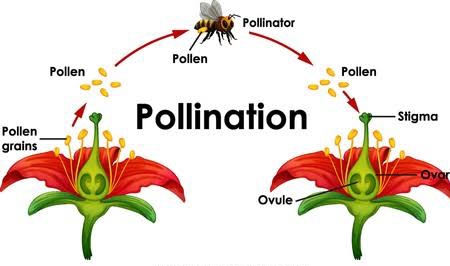
Importance of pollination
✓It results in fertilization which leads to the formation of fruits and seed.
✓New varieties of plants are formed through new combination of genes in case of cross pollination.
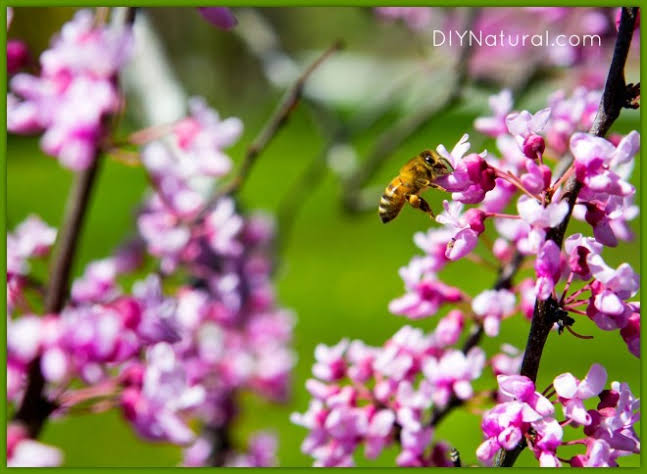
Types of Pollination
✓Self-pollination
✓Cross Pollination
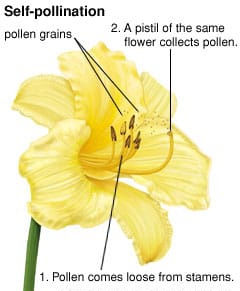
Self-pollination
Self-pollination is also known as autogamy. The transfer of pollen grains from the anther to the stigma of same flower or another flower borne on the same plant is known as self-pollination. E.g. Hibiscus.

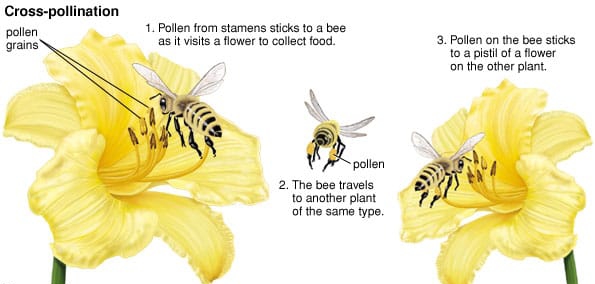
Cross Pollination
Cross Pollination is the transfer of pollen from the anthers of a flower to the stigma of a flower on another plant of the same species e.g.apples, grapes, plum, etc.

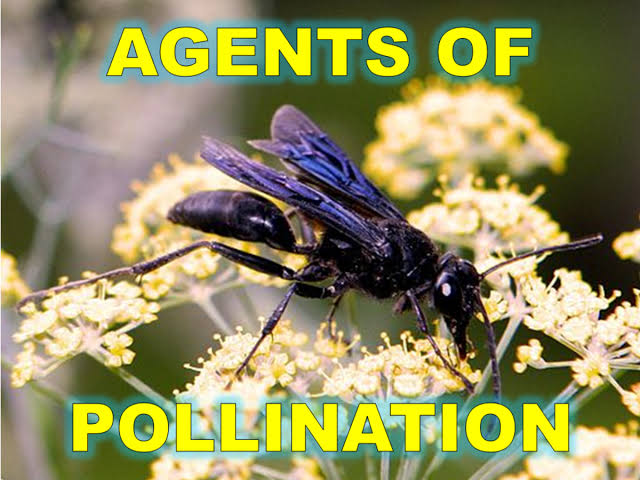
Agents of Cross Pollination
In order to bring about cross pollination, it is necessary that the pollen should be carried from one flower to another of a different plant.
This takes place through the agency of animals, insects, wind and water.
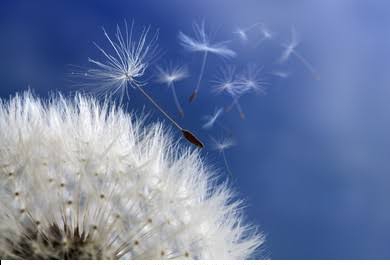
Pollination by wind
The Pollination with the help of wind is called anemophily. The anemophilous flowers produce enormous amount of pollen grains. The pollen grains are small, smooth, dry and light in weight. Pollen of such plants are blown off at a distance of more than 1,000 km. The stigmas are comparatively large, protruding and sometimes hairy to trap the pollen grains. e.g. Grasses and some cacti.
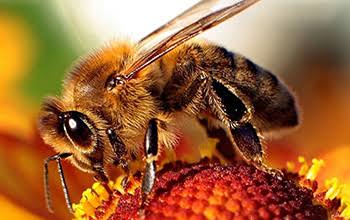
Pollination by insects
Pollination with the help of insects like honey bees, flies are called entomophily. To attract insects these flowers are brightly coloured, have smell and nectar. The pollen grains are larger in size, the exine is pitted, spiny etc., so they can be adhered firmly on the sticky stigma. Approximately, 80% of the pollination done by the insects is carried by honey bees.
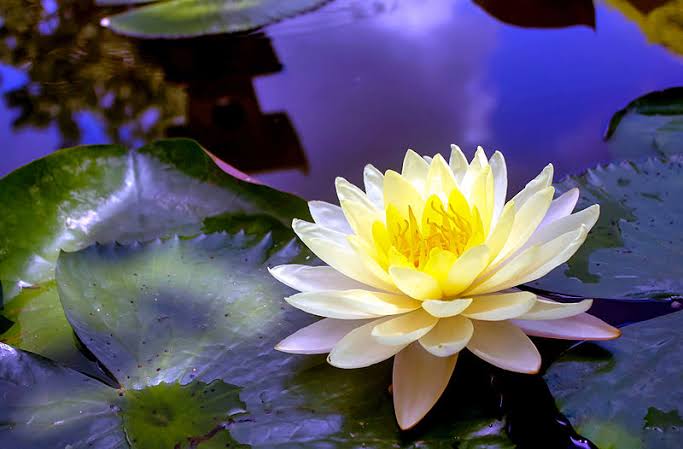
Pollination by water
The pollination with the help of water is called hydrophily. This takes place in aquatic plants.
Pollen grains are produced in large numbers.
Pollen grains float on surface of water till they land on the stigma of female flowers e.g.Hydrilla, Vallisneria.
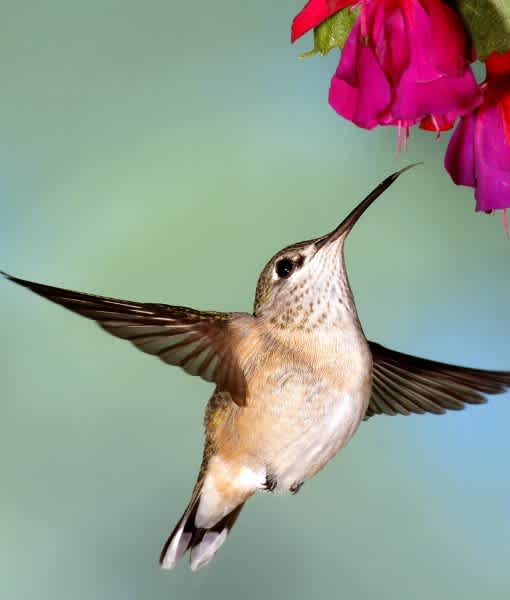
Pollination by Animals
When pollution takes place with the help of animals, it is called Zoophily. Flowers of such plants attract animals by their bright color, size, scent etc. E.g. sun bird pollinates flowers of Canna, Gladioli, etc., Squirrels pollinate flowers of silk cotton tree.

 Eduindex News
You must be logged in to post a comment.