

According to their height, clouds are classified into the following types
☆ High clouds (6-20km Height)
☆ Middle clouds (2.5km-6km Height)
☆ Low clouds (ground surface to 25km height)

These major types of clouds are further divided into different types on the basis of shape and structure.
High clouds
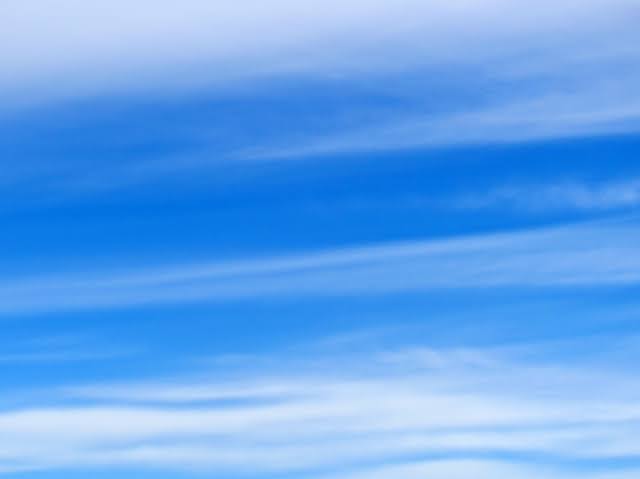
Cirrus
Detached clouds in the forms of white delicate fibrous silky filaments formed at the high sky (8000 meters to 12000 meters) are called Cirrus clouds. These clouds have Ice crystals and are dry and do not give rainfall.

Cirro-cumulus
Whitepatched, sheet or layer like clouds composed of ice crystals.

Cirro-stratus
Smooth milky transparent whitish clouds composed of tiny ice crystals.

Middle clouds

Alto-stratus
Thin sheets of grey or blue coloured clouds in uniform appearance. Consisting of frozen water droplets.
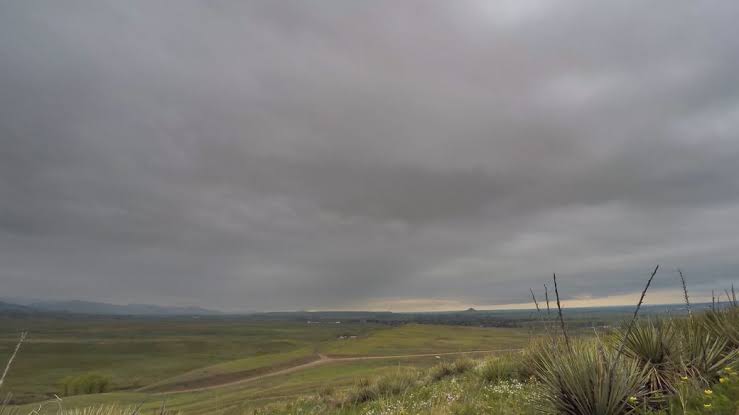
Alto-cumulus
Clouds fitted closely together in parallel bands, called as ‘Sheep clouds’ or wool pack clouds.
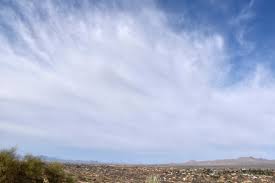
Nimbo stratus
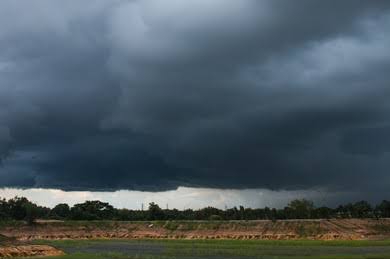
These are clouds of dark colour very close to the ground surface associated with rain, snow or sleet.
Low clouds
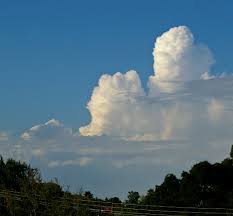
Strato-cumulus
Grey or whitish layer of non-fibrous low clouds found in rounded patches at an height of 2500 to 3000 meters, associated with fair or clear weather.

Stratus
Dence, low lying fog-like clouds associated with rain or snow.

Cumulus
Dome-shaped with a flat base often resembling a cauliflower, associated with fair weather.

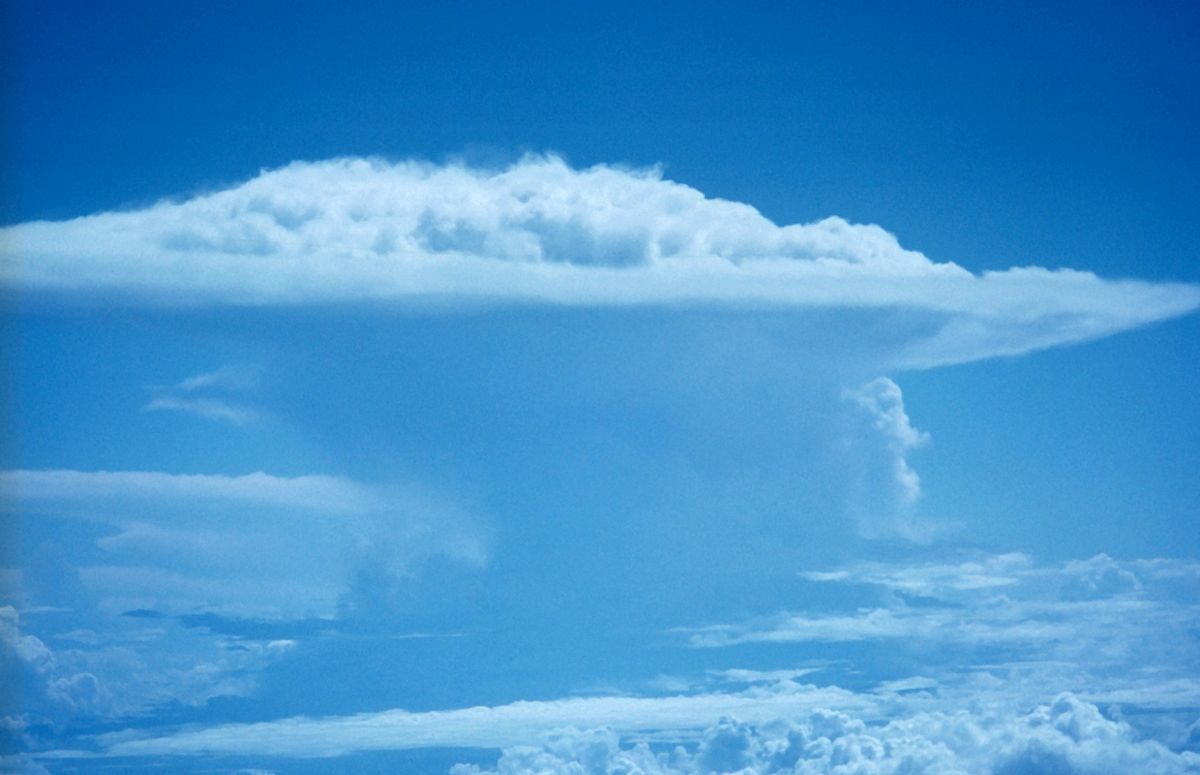
Cumulo-nimbus
Fluffy thick towering thunderstorm cloud capable of producing heavy rain, snow, hailstorm or tornadoes.
Precipitation
Falling down of condensed water vapour in different forms is called Precipitation. When the dew point is reached in the cloud water droplets become saturated and start to fall. Hence, they fall on the earth as Precipitation.

The climatic conditions/factors influencing the forms of precipitation mainly are :
☆ Temperature
☆ Altitude
☆ Cloud type
☆ Atmospheric conditions
☆ Precipitation process
The main forms of precipitation include drizzle, rain, sleet, snow, hail etc.
Drizzle
Falling of numerous uniform minute droplets of water with diameter of less than 0.5 mm is called drizzle from low clouds. Sometimes drizzles are combined with fog and hence reduce visibility.
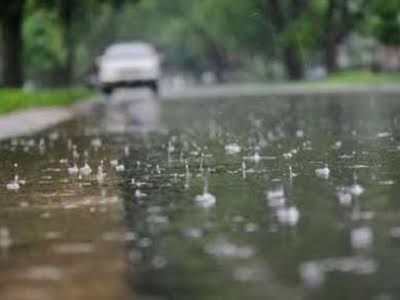
Rain
Rain is the most widespread and important form of precipitation in places having temperature above the freezing point. It occurs only when there is abundant moisture in the air. The diameter of a rain drop is more than 5mm.
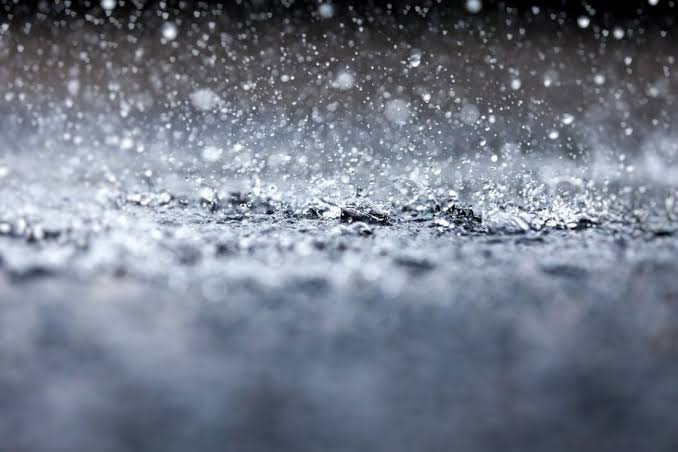
Sleet
Sleet refers to a precipitation, in the form of pellets made up of transparent and translucent ice. This precipitation is a mixture of snow and rain.

Snow
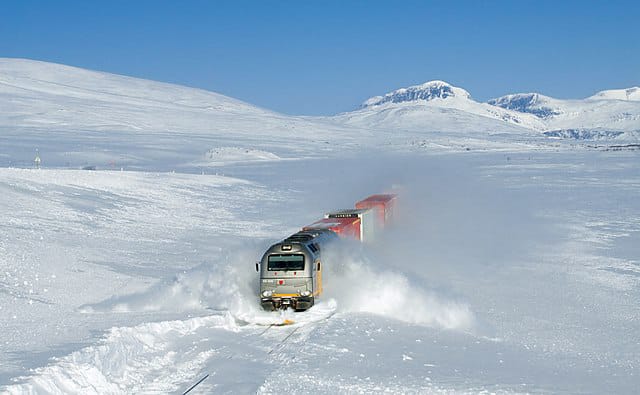
Snow is formed when condensation occurs below freezing point. It is the precipitation of opaque and semi opaque ice crystals. When these ice crystals collide and stick together, it becomes snowflakes.
Hails
Hails are chunks of ice (greater than 2cm in diameter) falling from the sky, during a rainstorm or thunderstorm. Hailstones are a form of solid precipitation where small pieces of ice fall downwards. These are destructive and dreaded forms of solid precipitation because they destroy agricultural crops and human lives.


 Eduindex
You must be logged in to post a comment.