

The difference between poetry and rhetoric
is being ready to kill
yourself
instead of your children.

I am trapped on a desert of raw gunshot wounds
and a dead child dragging his shattered black
face off the edge of my sleep
blood from his punctured cheeks and shoulders
is the only liquid for miles
and my stomach
churns at the imagined taste while
my mouth splits into dry lips
without loyalty or reason
thirsting for the wetness of his blood
as it sinks into the whiteness
of the desert where I am lost
without imagery or magic
trying to make power out of hatred and destruction
trying to heal my dying son with kisses
only the sun will bleach his bones quicker.

A policeman who shot down a ten year old in Queens
stood over the boy with his cop shoes in childish blood
and a voice said “Die you little motherfucker” and
there are tapes to prove it. At his trial
this policeman said in his own defense
“I didn't notice the size nor nothing else
only the color”. And
there are tapes to prove that, too.

Today that 37 year old white man
with 13 years of police forcing
was set free
by eleven white men who said they were satisfied
justice had been done
and one Black Woman who said
“They convinced me” meaning
they had dragged her 4'10'' black Woman's frame
over the hot coals
of four centuries of white male approval
until she let go
the first real power she ever had
and lined her own womb with cement
to make a graveyard for our children.

I have not been able to touch the destruction
within me.
But unless I learn to use
the difference between poetry and rhetoric
my power too will run corrupt as poisonous mold
or lie limp and useless as an unconnected wire
and one day I will take my teenaged plug
and connect it to the nearest socket
raping an 85 year old white woman
who is somebody's mother
and as I beat her senseless and set a torch to her bed
a greek chorus will be singing in 3/4 time
“Poor thing. She never hurt a soul. What beasts they are.”
Power by Audre Lorde is a poem that expresses anger against certain social injustices faced by the people of colour in a predominantly white-privileged society. The poem is said to be a reaction against an unjust trial of a white policeman who shot a black child to death in Queens in 1973. Owing to the title, the poem dabbles with various forms and magnitudes of power and the different ways in which it is made use of.
Lorde has structured the poem into irregular stanzas of five. She begins the poem by putting out two heavy options of poetry and rhetoric, through which one may choose to channel their power. In the second stanza, the poet paints a heart wrenching image of a powerless bleeding black child. She watches helplessly as the child slowly bleeds to death. Here, both the child and the poet are powerless; but the describing colour-contrasted imagery leaves a powerful impact on the readers. The third stanza highlights the power held by a white policeman who, in his trial, fearlessly admits that he fired the shot purely on the basis of colour. The poet then calls out the corrupt jury which exploits and manipulates its powers to set the policeman free. The jury was comprised of eleven white men who clearly held all the power and one token black woman. In the final stanza, Lorde concludes by pointing out that power, if not used right, can either end up corrupt or end up useless. She then draws up a metaphor between electricity to that of the power and anger surging within oneself. Finally, she puts forth a hypothetical situation of an old white woman being raped by a black man to point out the biased double-standards of the society that manipulates power to perpetuate racism.
The poet explains how unlike rhetoric, poetry can be used as a medium to channel one’s anger. She makes clever use of numbers (both spelt out and otherwise) and capitalisation of certain key words to draw attention to the power play within a society. Lorde tries to describe the desperation that comes with being powerless and urges the readers to use their power productively. The poem can be seen as her hopeful attempt at empowering the otherwise powerless black community.
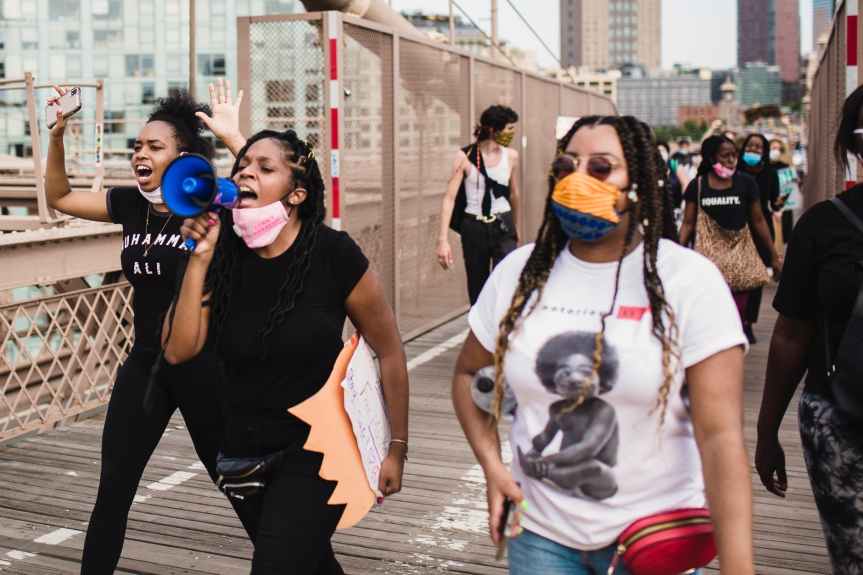
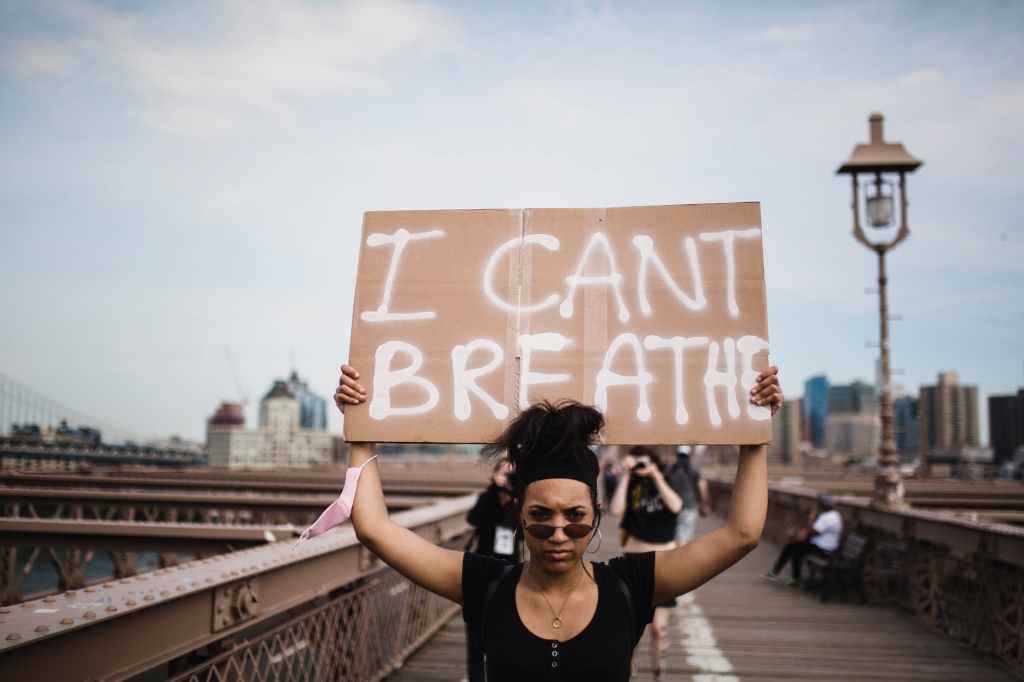
Despite the fact that Power was written in 1978, it holds strong relevance to the power imbalance prevalent in the society even to this date. It resonates with the several incidents of police brutality against certain African-Americans such as George Floyd and Breonna Taylor. This gave way to the strengthening of movements like ‘Black Lives Matter’, amassing strong protestors especially on several social media platforms. Unlike the one in the poem, the white policeman who attacked George Floyd was charged with a second-degree murder owing to the help of the massive number of protestors. Though it is disheartening to see such brutality prevailing after years of struggle, we see that Lorde’s advice on using power in the right way does make a difference.
Reference Link:
https://www.poetryfoundation.org/poems/53918/power-56d233adafeb3

 Eduindex
You must be logged in to post a comment.