

We all know that how the world wars made people life a tragedy during the period 1919-1939. People suffered by many factors that cant be described by words. More than the war the life after the war made an big impact in people who have seen them.
After the beginning of civilization, the world hadn’t seen a war on a large scale as during world war-I. Millions if people died and many countries of Europe were near collapse. At the end of war everyone welcomed the peace treaty which was signed at Versailles in 1919. Britain was one look forward the treaty more eagerly because they are the most affected one. They were not invaded or defeated like France and Germany, but was badly shaken up, she had to repay the great national debt all by herself since her alliez were totally crushed economically.

In 1918, the parliament was selected on an almost universal suffrage. According to the presentation of the people’s act 1918, all men over twenty one and all women over twenty five were given the franchise. Women are no longer be ignored. The end of world war resulted in the demobilisation of the army, this made several hundreds of men unemployed. Employers wished to reduce wages since the profit margin was very narrow. In 1924, the labour party won the election and formed its first government with Ramsay MacDonald as prime minister. It remained in power for just eleven month.
The time between 1924 and 1929 when the conservatives held the reins, was a grim period in England. Trade had declined drastically and the problem of unemployment become more serious. A General strike of all trade unions was declared in 1926. It failed very quickly since the government took steps to provide transport and food. The financial crisis created a panic and the labour government could not deal with the disaster. MacDonald called for a National Government to handle the situation. Drastic measures were adopted by National Government to face the crisis. Gradually, the panic subsided and the economy began to improve. Between 1923 and 1938, certain new industries began to expand. Companies involved in all kinds of electrical work such as writing, cables and lambs grew rapidly.
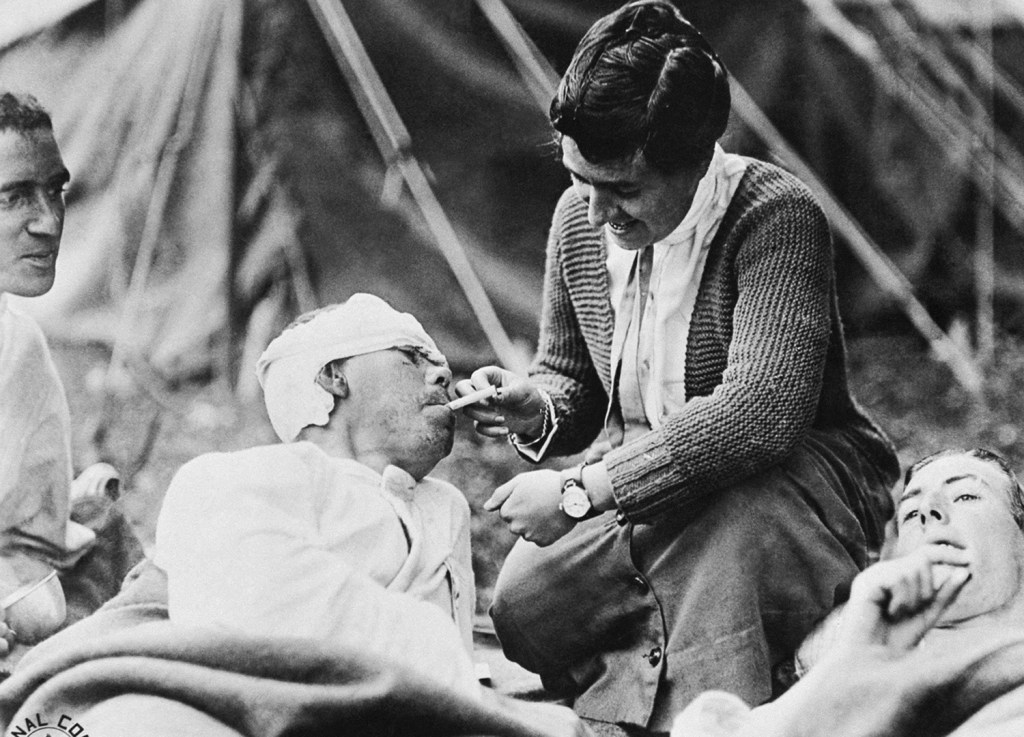
Economic conditions had not improved and to make matters worse, a crash in the new York stick exchange in 1929 led to a depression which engulfed the whole of Europe. The financial crisis created a panic and the Labour government could not deal with the disaster.
Soon after world war-I ended, the Irish problems became explosive. In 1919, the Irish leaders declared Ireland independent. The British police force was nicknamed the Black and Tans because of their khaki uniforms and black helmets. The new dominion was called the Irish free state. Soon after the war came to an end, there was the immediate post war mood of frivolity and gay abandon. People’s expectations of peacetime prosperity were dashed as inflation and unemployment continued to rage. This led them into self-questioning mood. The people were slowly becoming disillusioned with the ideas of empire and democracy.
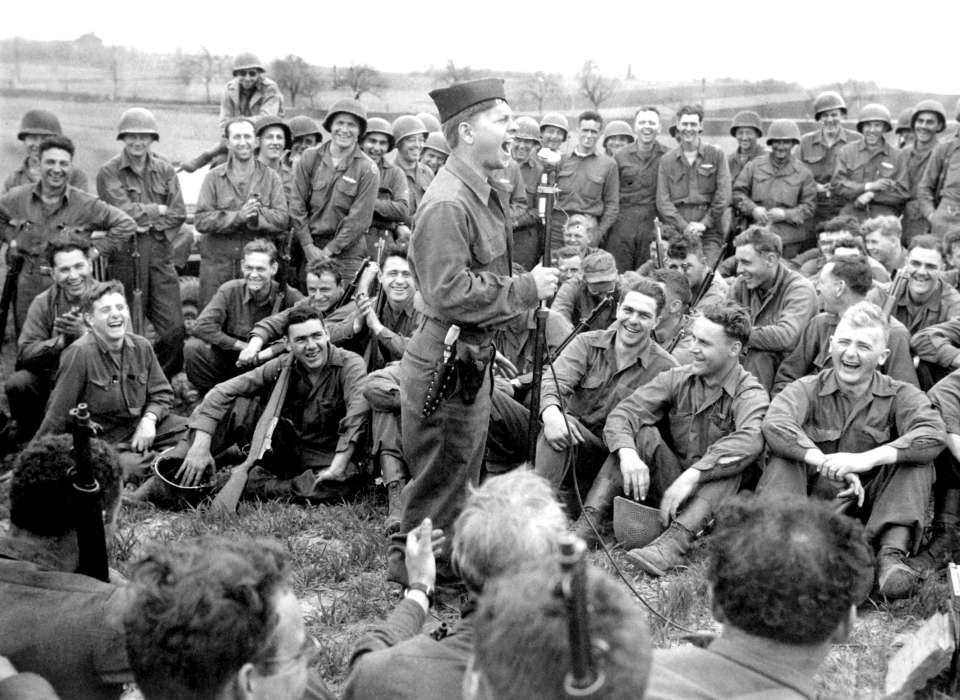
Political enfranchisement went far ahead of education with the result that the man in the street become important politically. The experience of the first world war with its large scale devastations, coloured the thinking of the people.

 Eduindex
You must be logged in to post a comment.