

Phylum porifera
These are multicellular,non – motile aquatic organisms, commonly called as sponges.They exhibit cellular grade of organization.Body is perforated with many pores called Ostia and leads to a canal system.It circulates water throughout the body and carries food, oxygen.The body wall contains spicules,which form the skeletal framework.Reproduction is by both asexual and sexual methods.e.g-Euplectella sycon.

Pore bearers
Phylum coelenterata ( Cnidaria )
Coelenterates are aquatic organisms, mostly marine and few fresh water forms. They are multicellular, radically symmeterical animals with tissue grade of organization. Body wall is diploblastic with two layers. An outer ectoderm and inner mesoderm are separated by non- cellular jelly like substance called mesoglea. It has a central gastrovascular cavity called coelenteron with mouth surrounded by short tentacles.The tentacles bear stinging cells called cnidoblast or nematocyst.

Many coelenterates exhibit polymorphism,which is the variation in the structure and function of the individuals of the same species. They reproduce both asexually and sexually.e.g. Hydra, Jelly fish.
Phylum platyhelminthes (Flat worms)
They are bilaterally symmetrical,triploblastic,acoelomate (without body cavity) animals. Most of them are parasitic in nature. Suckers and hooks help the animal to attach itself to the body of the host. Excretion occurs by specialized cells called flame cells. These worms are hermaphrodites having both male and female reproductive organs in a single individual.e.g – Liverfluke, Tapeworm.
Phylum Aschelminthes ( Round worms )
Aschelminthes are bilaterally symmetrical, triploblastic animals. The body cavity is a pseudocoelum. They exist as free-living soil forms or as parasites. The body is round and pointed at both the ends.It is unsegmented and covered by thin cuticle. Sexes are separate. The most common diseases caused by nematodes in human beings are elephantiasis and ascariasis.e.g – Ascaris, Wuchereria.


Phylum Annelida ( segmented worms )
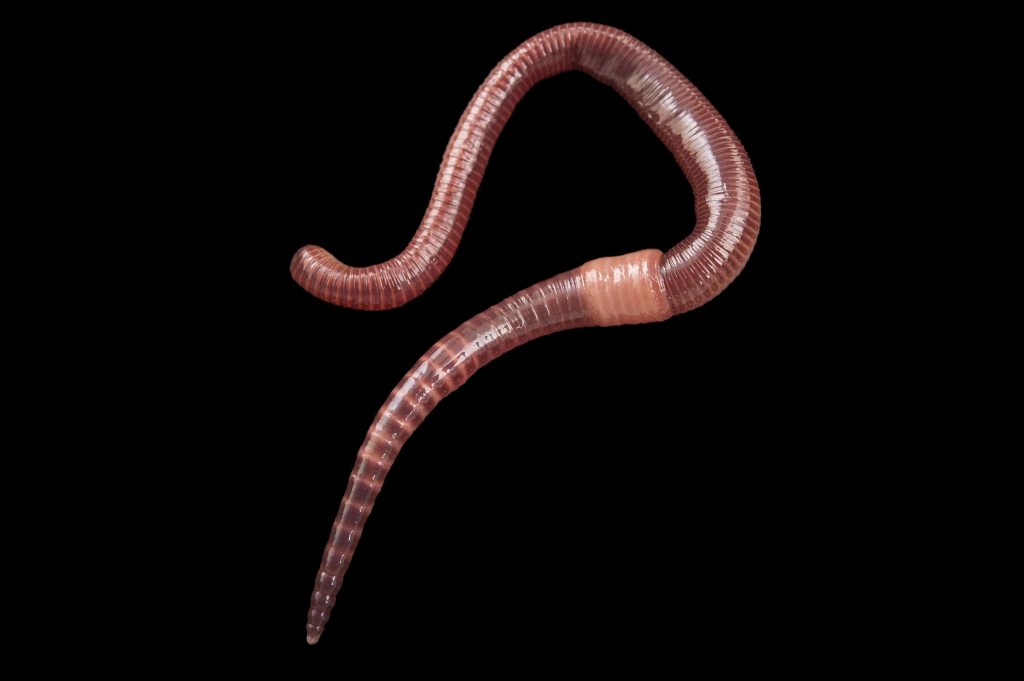
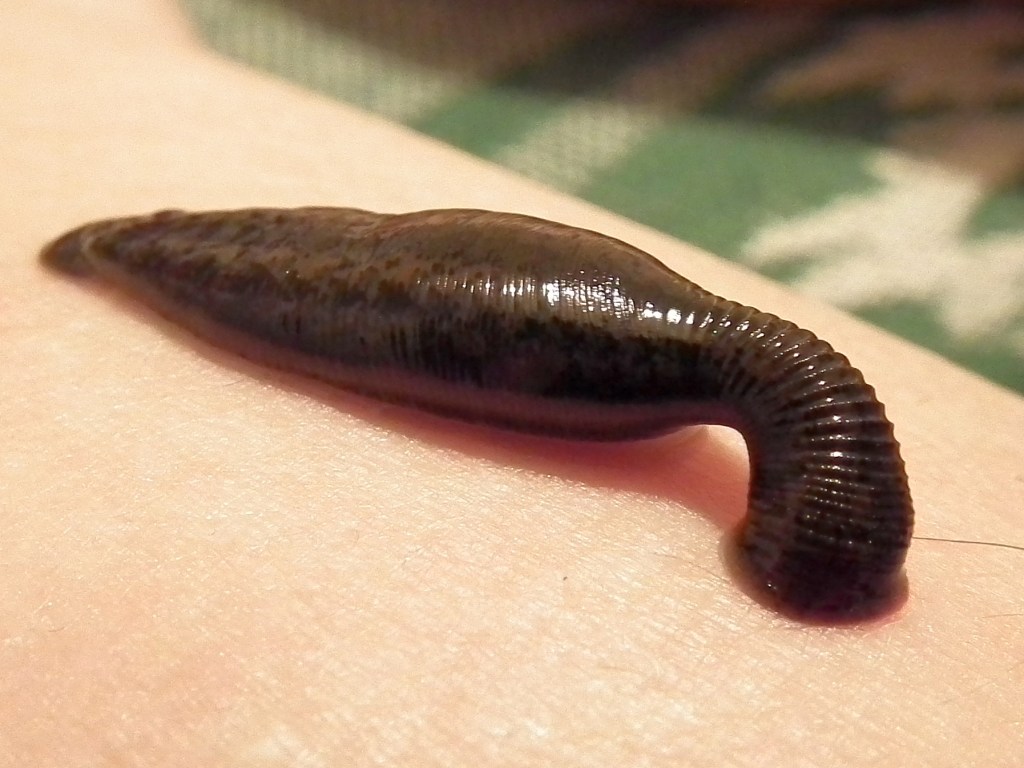
These are bilaterally symmetrical, triploblastic,first true coelomate animals with organ-system grade of organization.Body is externally divided into segments called metameres joined by moist thin cuticle. Setae and parapodia are locomotor organs. Sexes may be separate or United (hermaphrodites).e.g. Nereies, Earthworm,Leech.
Phylum Arthropoda (Animals with jointed legs )
Arthropoda is the largest phylum of the animal kingdom. They are bilaterally symmetrical, triploblastic and coelomate animals. The body is divisible into head,thorax and abdomen.Each segment bears paired jointed legs. Exoskeleton is made of chintin and is shed periodically as the animal grows. The casting off and regrowing of exoskeleton is called moulting.
Body cavity is filled with haemolymph (blood).The blood does not flow in blood vessels and circulates throughout the body (open circulatory system) . Respiration is through body surface,gills or tracheae(air tubes). Excretion occurs by malphigian tubules or green glands.Sexes are separate.e.g., Prawn,Crab, Cockroach,Millipedes, Centipedes,Spider ,Scorpions.


Phylum Mollusca ( soft Bodied Animals )
They are diversified group of animals living in marine,fresh water and terrestrial habitats.Body is bilaterally symmetrical,soft and without segmentation. Is is divided into head, muscular foot and visceral mass. The foot helps in locomotion. The entire body is covered with fold of thin skin called mantle, which secretes outer hard calcareous shell. Respiration is through gills (ctenidia) or lungs or both. Sexex are separate with larval stages during development.e.g.Garden snail, Octopus.

Phylum Echinodermata ( spiny skinned Animals )
They are exclusively free-living marine animals. These are triploblastic and true coelomates with organ-system grade of organization. Adult animals are radially symmetrical. A unique feature is the presence of fluid filled water vascular system. Locomotion is affected by tube feet.Body wall is covered with spiny hard calcareous ossicles.e.g. -Star fish,Sea urchin.

Spiny skinned Animals
Phylum Hemichordata
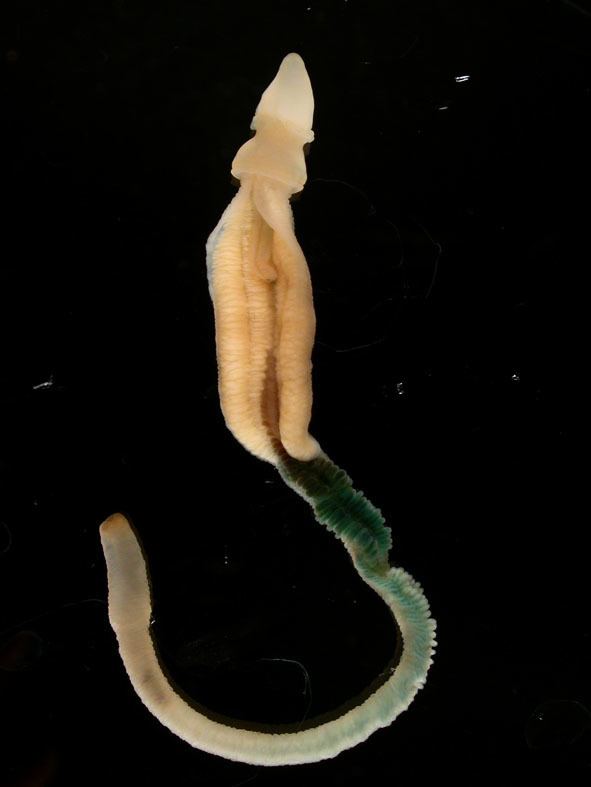
Hemichordates are marine organisms with soft ,vermiform and unsegmented body. They are bilaterally symmetrical, coelomate animals with non-chordate and chordate features. They have gill slits but do not have notochord. They are ciliary feeders and mostly remain as tubiculous forms.e.g.- Balanoglossus(Acron worms).

 Eduindex
You must be logged in to post a comment.