

A country’s growth is usually measured by National income, marked by Gross Domestic Product (GDP). The GDP is the total monetary value of the goods and services produced by that country over a specific period of time, usually one year. The level of economic development also indicated by Human Development Index (HDI), Physical Quality of Life Index (PQLI), and National Happiness Index (GNHI).
Indian economy is the seventh largest economy of the world. Being one of the top listed countries. In terms of industrialization and economic growth, India holds a strong position with an average growth rate of 7%.
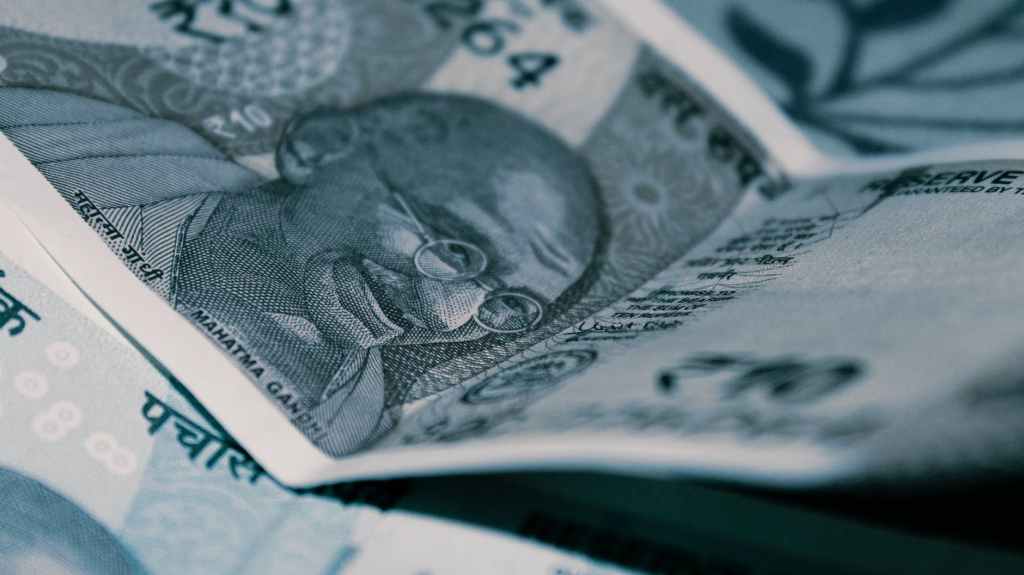
STRENGTHS OF INDIAN ECONOMY:
1. INDIA HAS A MIXED ECONOMY- Indian economy is a typical example of mixed economy. This means both private and public sectors co-exist and function smoothly. Some of the fundamental and heavy industrial units are being operated under the public sectors. The private sectors has gained importance. This makes it a perfect model for public-private partnership.
2. AGRICULTURE-Agriculture being the maximum pursued occupation in India. It plays an important role in its economy as well. Around 60% of the people in India depend upon agriculture for their livelihood. Green revolution and inventions in bio technology have made agriculture self sufficient and also surplus production. The export of agriculture products such as fruits, vegetables, spices vegetable oils, tobacco, animal skin etc.
3. AN EMERGING MARKET- India has emerged as vibrant economy sustaining stable GDP growth rate even in the midst of global down trend. This has attracted significant foreign capital through FDI and FII. This also makes it an emerging market for the world.
4. EMERGING ECONOMY-India bags the seventh position in terms of nominal Gross Domestic Product (GDP) and third in terms of Purchasing Power Parity (PPP). Indian economy has a place among the G20 countries.
5. FAST GROWING ECONOMY-Indian economy is well known for high and sustained growth. It has emerged as the world’s fastest growing economy in the year 2016-17.
6. FAST GROWING SERVICE SECTOR-The service sector, contributes a lion’s share of the GDP in India. The sectors like Information Technology, BPO have contributed to the growth of the economy.
7. LARGE DOMESTIC CONSUMPTION-With the faster growth rate in the economy the standard of living has improved a lot. The standard of living has considerably improved and life style has changed.
8. RAPID GROWTH OF URBAN AREAS- Urbanization is a key ingredient of the growth of any economy. There has been a rapid growth of urban areas in India after independence.
WEAKNESS OF INDIAN ECONOMY:
1. LARGE POPULATION-India stands second in terms of size of population next to China. Population growth rate of India is very high and this is always a hurdle to growth rate. The population growth rate in India is as high as 1.7 per 1000.
2. INEQUALITY AND POVERTY-There exist a huge economic disparity in Indian economy. The proportion of income and assets owned by top 10% of Indian goes on increasing. This has led to an increase in the poverty level in the society.
3. INCREASES PRICES OF ESSENTIAL GOODS-Even though there has been a constant growth in the GDP and growth opportunities in the Indian economy. The continuous rise in prices erades the purchasing power and affects the poor people, whose income is not protected.
4. WEAK INFRASTRUCTURE-Even though there has been a gradual improvement in the infrastructural development in the past few decades, there is still a scarcity of the basic infrastructure like power, transport, storage.
5. UNEMPLOYMENT-With growing youth population, there is a huge need of the employment opportunities. The Indian economy is characterised by jobless growth.
6. OUTDATED TECHNOLOGY- The level of technology in agriculture and small scale industries is still outdated and passed.
CURRENT INDIAN ECONOMY:
In 2019-20, India’s GDP was Rs 146 trillion. In other words, India had produced goods and services worth Rs 146 trillion that year. Then, in the last financial year, that is, in 2020-21, it fell to Rs 135 trillion. That’s the fall of minus 7.3% we were talking about earlier.
“India will be a global player in the digital economy” -Sundar Pichai, CEO Google

 Eduindex
You must be logged in to post a comment.