Hustle culture

More people need to make their own well being a priority.

To some people self care means face masks, bubble baths, and a glass of malbec. To others it means spending more quality time with your family, friends, or pets.

But one thing seems universal: the need to spend less time grinding and more time enjoying.

How do we do this when we are told to idolize “the hustle?” Told to follow the grind wherever it leads us? Told that we are only successful if we put everything we have into our work?

Over the last few years we have fallen victim to what is now being called “hustle culture.” 

Hustle culture does not sleep. Hustle culture does not take lunch breaks. Hustle culture is waking up Saturday morning and making spreadsheets instead of pancakes.

Hustle culture does not take into account what your goals in life really are.

If you have a goal in mind, you need to put your foot on the gas and strategize how you’ll achieve it A S A P., Or else it’s just an idea and a waste of time.

The idea is that we find our value and sense of self in our output or how much work we can get done. So much so that we glamorize the idea of being a “workaholic” and are obsessed with Hyperproductivity.

The bottom line becomes, if you’re not constantly delivering something of perceived value, you’re doing it wrong.

People often admire the “hustle.” “Don’t knock on the hustle,” they say. True enough, in some instances having a hustle culture is a good thing, in a workplace environment the opposite is generally true. Especially in today’s highly competitive and fast-paced lifestyle, hustle culture is becoming the norm for more and more people in the workforce today.

Millennials in particular — especially fresh graduates and singles — are particularly keen on the kind of workaholism that hustle culture perpetuates. It’s all about how “busy” they are, how many million things they’re juggling at the same time. Hustle culture has become the standard for many to gauge things like productivity and performance.

The thing is, hustle culture isn’t really as great as it’s made out to be. It’s dangerous, both to individuals and to a workplace environment in general. It may seem like a good thing on paper, but in practice, there is a lot to at least be extremely cautious about.

In a nutshell, hustle culture (as the name also implies) means constant working. It means devoting as much of your day as possible working — hustling. There is no time out or time in at work. Work is done in the office, outside the office, at home, at coffee shops — anywhere. And in a world constantly on the go and equipped with the tools to achieve that, working constantly on the go is very possible.

Hustle culture is the societal standard that you can only succeed by exerting yourself at max capacity professionally. Everyday.

Hustle Culture pushes the idea that you are only valuable, worthy, or capable of success if you are performing at your maximum capacity at all times.

And it’s a mindset, a philosophy and a life embraced by many, both by individuals and even companies. When you talk of hustle culture, the more you work, the more celebrated you are. Never mind that you miss meals, sleep, and other important events. In hustle culture, taking a break is for the weak. Your brain becomes trained to always be active and always churning out idea after idea after idea.

Hustle culture

More people need to make their own well being a priority.

To some people self care means face masks, bubble baths, and a glass of malbec. To others it means spending more quality time with your family, friends, or pets.

But one thing seems universal: the need to spend less time grinding and more time enjoying.

How do we do this when we are told to idolize “the hustle?” Told to follow the grind wherever it leads us? Told that we are only successful if we put everything we have into our work?

Over the last few years we have fallen victim to what is now being called “hustle culture.” 

Hustle culture does not sleep. Hustle culture does not take lunch breaks. Hustle culture is waking up Saturday morning and making spreadsheets instead of pancakes.

Hustle culture does not take into account what your goals in life really are.

If you have a goal in mind, you need to put your foot on the gas and strategize how you’ll achieve it A S A P., Or else it’s just an idea and a waste of time.

The idea is that we find our value and sense of self in our output or how much work we can get done. So much so that we glamorize the idea of being a “workaholic” and are obsessed with Hyperproductivity.

The bottom line becomes, if you’re not constantly delivering something of perceived value, you’re doing it wrong.

People often admire the “hustle.” “Don’t knock on the hustle,” they say. True enough, in some instances having a hustle culture is a good thing, in a workplace environment the opposite is generally true. Especially in today’s highly competitive and fast-paced lifestyle, hustle culture is becoming the norm for more and more people in the workforce today.

Millennials in particular — especially fresh graduates and singles — are particularly keen on the kind of workaholism that hustle culture perpetuates. It’s all about how “busy” they are, how many million things they’re juggling at the same time. Hustle culture has become the standard for many to gauge things like productivity and performance.

The thing is, hustle culture isn’t really as great as it’s made out to be. It’s dangerous, both to individuals and to a workplace environment in general. It may seem like a good thing on paper, but in practice, there is a lot to at least be extremely cautious about.

In a nutshell, hustle culture (as the name also implies) means constant working. It means devoting as much of your day as possible working — hustling. There is no time out or time in at work. Work is done in the office, outside the office, at home, at coffee shops — anywhere. And in a world constantly on the go and equipped with the tools to achieve that, working constantly on the go is very possible.

Hustle culture is the societal standard that you can only succeed by exerting yourself at max capacity professionally. Everyday.

Hustle Culture pushes the idea that you are only valuable, worthy, or capable of success if you are performing at your maximum capacity at all times.

And it’s a mindset, a philosophy and a life embraced by many, both by individuals and even companies. When you talk of hustle culture, the more you work, the more celebrated you are. Never mind that you miss meals, sleep, and other important events. In hustle culture, taking a break is for the weak. Your brain becomes trained to always be active and always churning out idea after idea after idea.

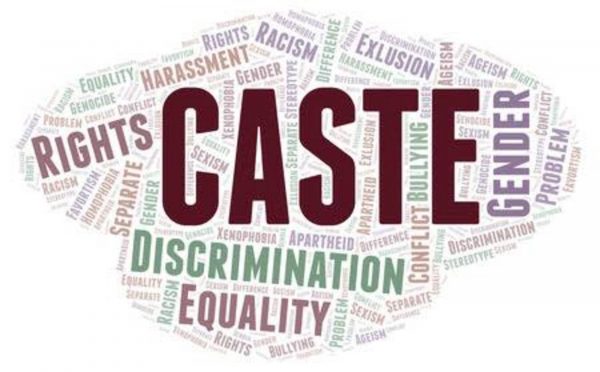
Caste System in India

Indian society is split into several sects and classes. This is due to the existing caste structure in the nation. The origins of the caste system may be traced back to the ancient Vedas, which divided individuals based on varna, or vocation. It has brought about a slew of calamities in society. The government is continuously working to address the system’s flaws and achieve real equality among the people. The caste system is the bane for the Indian society. It divides the Indian society into sectarian groups and classes. Even today, it plays a predominant role in our society despite the growth of culture and civilization.

The official words used in government papers to designate erstwhile untouchables and tribes are ‘Scheduled Castes and Scheduled Tribes’ (SC/ST). However, after noticing that the term ‘Dalit’ was being used interchangeably with the official term ‘Scheduled Castes,’ the National Commission for Scheduled Castes asked state governments to stop using the term ‘Dalit’ in official documents, calling it ‘unconstitutional,’ and to replace it with the term ‘Scheduled Caste’ instead.

The caste system’s origins may be traced back to prehistoric times. While one school of thought distinguishes castes as higher and lower castes based on their origin, another school of thought links the origins of castes to varnas, which classify the caste system based on their roles. Since then, it has been discovered that those with an advantage and a say in the community have taken unfair advantage, resulting in discrimination and exploitation of the group’s weaker members.
People from Scheduled Castes and Scheduled Tribes, sometimes known as “untouchables,” account for one-sixth of India’s population, approximately 160 million people; they face prejudice and segregation.

Evil faces of this system:-

Untouchability:- Many communities are divided by caste, and they are not permitted to cross the line separating them from the upper castes. They may also not drink from the same wells or visit the same tea shops as higher castes.

Discrimination:- In lower caste neighbourhoods, they frequently lack access to power, sanitation, and water pumps. Higher castes are denied access to better education, housing, and medical services.

Division of labour:- They are restricted to certain occupations like sanitation work, plantation work, leather works, cleaning streets, etc.

Slavery:- They are subjected to exploitation in the name of debt, tradition, etc., to work as labourers or perform menial tasks for generations together.

Government Initiatives

The Indian government has passed legislation to abolish untouchability and has implemented several reforms to enhance the quality of life for the poorer parts of society. Among them are the following:

  • Fundamental human rights are guaranteed by the constitution.
  • In 1950, the term “untouchability” was abolished.
  • Act to Prevent Atrocities Against Scheduled Castes and Tribes, 1989.
  • Reservations in locations such as educational institutions, career possibilities, and so forth.
  • Creating social welfare ministries and national committees to look after the interests of scheduled castes and tribes.

The government’s initiatives have provided some assistance to the weakest sectors of society. The metropolitan regions have had a significant influence and have showed some progress. People in rural areas and villages, on the other hand, continue to experience severe prejudice. We still have a long way to go in terms of eradicating and abolishing prejudice based on caste and creed. It now rests on our efforts, and a shift in our attitude will almost certainly result in a permanent shift, bringing equality to all.

Right to Equality

The fundamental fights are guaranteed to protect the basic human rights of all citizens of India and are put into effect by the courts, subject to some limitations. One of such fundamental rights is the Right to Equality. Right to Equality refers to the equality in the eyes of law, discarding any unfairness on grounds of caste, race, religion, place of birth sex. It also includes equality of prospects in matters of employment, abolition of untouchability and abolition of titles. Articles 14, 15, 16, 17 and 18 of the Constitution of India highlight the Right to Equality in detail. This fundamental right is the major foundation of all other rights and privileges granted to Indian citizens. It is one of the chief guarantees of the Constitution of India. Thus, it is imperative that every citizen of India has easy access to the courts to exercise his/her Right to Equality.

Various articles under the Right to Equality are explained as follows:

Equality Before Law :- Article 14 of the Constitution clearly defines equality before the law, ensuring that all citizens are equally protected by the country’s laws. It means that the state would not discriminate against any Indian person based on their gender, caste, creed, religion, or even location of birth. The state cannot deny equality before the law and equal legal defence to any individual on Indian territory. In other words, no one or group of individuals may expect preferential treatment. This privilege pertains not only to Indian nationals, but to all individuals living on Indian territory. The right to social equality and equal access to public areas is explicitly stated in Article 15 of the Indian Constitution, which states that no one should be treated favourably on the basis of colour, caste, creed, language, or other characteristics. Everyone must have equitable access to public sites such as public wells, bathing ghats, museums, and temples. The State, on the other hand, has the authority to make special provisions for women and children, as well as for the development of any socially or educationally disadvantaged class, scheduled castes, or scheduled tribes. This article solely pertains to Indian nationals.

Equality in Matters of Public Employment:- Article 16 of the Indian Constitution states unequivocally that the state must treat all citizens equally in job concerns. In any occupation or position under the State, no citizen must be discriminated against on the grounds of race, caste, religion, creed, descent, or place of birth. Every Indian citizen is eligible to apply for government employment. There are, however, certain restrictions to this right. The Parliament may adopt legislation stating that certain positions can only be filled by individuals who live in a specified area. This qualification is mostly for positions that demand knowledge of the location and language.

Abolition of Untouchability:- Article 17 of the Constitution of India abolishes the practice of untouchability in India. Practice of untouchability is declared as a crime and anyone doing so is punishable by law. The Untouchability Offences Act of 1955 (and now Protection of Civil Rights Act in 1976) states punishments for not allowing a person to enter a place of worship or from taking water from a well or tank.

Abolition of Titles:- Article 18 of the Indian Constitution forbids the state from bestowing any titles. Citizens of India are not permitted to accept titles from other countries. The British administration also eliminated titles such as Rai Bahadurs and Khan Bahadurs. Nonetheless, academic and military awards can be bestowed to Indian nationals. The awards of ‘Bharat Ratna’ and ‘Padma Vibhushan’ cannot be used as a title by the recipient and are not forbidden under the Indian Constitution. Since December 15, 1995, the Supreme Court has upheld the legality of such rewards.

To conclude, the ‘Right to Equality’ should not only remain on papers. This right should be properly exercised; otherwise it will lose its essence if all the citizens of India, especially the weaker and backward classes do not have equal rights and equality before law.


Caste System in India

Indian society is split into several sects and classes. This is due to the existing caste structure in the nation. The origins of the caste system may be traced back to the ancient Vedas, which divided individuals based on varna, or vocation. It has brought about a slew of calamities in society. The government is continuously working to address the system’s flaws and achieve real equality among the people. The caste system is the bane for the Indian society. It divides the Indian society into sectarian groups and classes. Even today, it plays a predominant role in our society despite the growth of culture and civilization.

The official words used in government papers to designate erstwhile untouchables and tribes are ‘Scheduled Castes and Scheduled Tribes’ (SC/ST). However, after noticing that the term ‘Dalit’ was being used interchangeably with the official term ‘Scheduled Castes,’ the National Commission for Scheduled Castes asked state governments to stop using the term ‘Dalit’ in official documents, calling it ‘unconstitutional,’ and to replace it with the term ‘Scheduled Caste’ instead.

The caste system’s origins may be traced back to prehistoric times. While one school of thought distinguishes castes as higher and lower castes based on their origin, another school of thought links the origins of castes to varnas, which classify the caste system based on their roles. Since then, it has been discovered that those with an advantage and a say in the community have taken unfair advantage, resulting in discrimination and exploitation of the group’s weaker members.
People from Scheduled Castes and Scheduled Tribes, sometimes known as “untouchables,” account for one-sixth of India’s population, approximately 160 million people; they face prejudice and segregation.

Evil faces of this system:-

Untouchability:- Many communities are divided by caste, and they are not permitted to cross the line separating them from the upper castes. They may also not drink from the same wells or visit the same tea shops as higher castes.

Discrimination:- In lower caste neighbourhoods, they frequently lack access to power, sanitation, and water pumps. Higher castes are denied access to better education, housing, and medical services.

Division of labour:- They are restricted to certain occupations like sanitation work, plantation work, leather works, cleaning streets, etc.

Slavery:- They are subjected to exploitation in the name of debt, tradition, etc., to work as labourers or perform menial tasks for generations together.

Government Initiatives

The Indian government has passed legislation to abolish untouchability and has implemented several reforms to enhance the quality of life for the poorer parts of society. Among them are the following:

  • Fundamental human rights are guaranteed by the constitution.
  • In 1950, the term “untouchability” was abolished.
  • Act to Prevent Atrocities Against Scheduled Castes and Tribes, 1989.
  • Reservations in locations such as educational institutions, career possibilities, and so forth.
  • Creating social welfare ministries and national committees to look after the interests of scheduled castes and tribes.

The government’s initiatives have provided some assistance to the weakest sectors of society. The metropolitan regions have had a significant influence and have showed some progress. People in rural areas and villages, on the other hand, continue to experience severe prejudice. We still have a long way to go in terms of eradicating and abolishing prejudice based on caste and creed. It now rests on our efforts, and a shift in our attitude will almost certainly result in a permanent shift, bringing equality to all.

Right to Equality

The fundamental fights are guaranteed to protect the basic human rights of all citizens of India and are put into effect by the courts, subject to some limitations. One of such fundamental rights is the Right to Equality. Right to Equality refers to the equality in the eyes of law, discarding any unfairness on grounds of caste, race, religion, place of birth sex. It also includes equality of prospects in matters of employment, abolition of untouchability and abolition of titles. Articles 14, 15, 16, 17 and 18 of the Constitution of India highlight the Right to Equality in detail. This fundamental right is the major foundation of all other rights and privileges granted to Indian citizens. It is one of the chief guarantees of the Constitution of India. Thus, it is imperative that every citizen of India has easy access to the courts to exercise his/her Right to Equality.

Various articles under the Right to Equality are explained as follows:

Equality Before Law :- Article 14 of the Constitution clearly defines equality before the law, ensuring that all citizens are equally protected by the country’s laws. It means that the state would not discriminate against any Indian person based on their gender, caste, creed, religion, or even location of birth. The state cannot deny equality before the law and equal legal defence to any individual on Indian territory. In other words, no one or group of individuals may expect preferential treatment. This privilege pertains not only to Indian nationals, but to all individuals living on Indian territory. The right to social equality and equal access to public areas is explicitly stated in Article 15 of the Indian Constitution, which states that no one should be treated favourably on the basis of colour, caste, creed, language, or other characteristics. Everyone must have equitable access to public sites such as public wells, bathing ghats, museums, and temples. The State, on the other hand, has the authority to make special provisions for women and children, as well as for the development of any socially or educationally disadvantaged class, scheduled castes, or scheduled tribes. This article solely pertains to Indian nationals.

Equality in Matters of Public Employment:- Article 16 of the Indian Constitution states unequivocally that the state must treat all citizens equally in job concerns. In any occupation or position under the State, no citizen must be discriminated against on the grounds of race, caste, religion, creed, descent, or place of birth. Every Indian citizen is eligible to apply for government employment. There are, however, certain restrictions to this right. The Parliament may adopt legislation stating that certain positions can only be filled by individuals who live in a specified area. This qualification is mostly for positions that demand knowledge of the location and language.

Abolition of Untouchability:- Article 17 of the Constitution of India abolishes the practice of untouchability in India. Practice of untouchability is declared as a crime and anyone doing so is punishable by law. The Untouchability Offences Act of 1955 (and now Protection of Civil Rights Act in 1976) states punishments for not allowing a person to enter a place of worship or from taking water from a well or tank.

Abolition of Titles:- Article 18 of the Indian Constitution forbids the state from bestowing any titles. Citizens of India are not permitted to accept titles from other countries. The British administration also eliminated titles such as Rai Bahadurs and Khan Bahadurs. Nonetheless, academic and military awards can be bestowed to Indian nationals. The awards of ‘Bharat Ratna’ and ‘Padma Vibhushan’ cannot be used as a title by the recipient and are not forbidden under the Indian Constitution. Since December 15, 1995, the Supreme Court has upheld the legality of such rewards.

To conclude, the ‘Right to Equality’ should not only remain on papers. This right should be properly exercised; otherwise it will lose its essence if all the citizens of India, especially the weaker and backward classes do not have equal rights and equality before law.
Empathetic Postion in my life.

Empathy
The subject of Empathy is something that I heard throughout my life and had a general understanding of what it was, but definitely one of those things that you things actually don’t understand fully until you experiencing it.

“Empathetic is ability to understand and share the feeling of another.’’

THE IMPORTANCE OF EMPATHY.

The Empathy is one of the most important interpersonal good quality in human. Because it can help you to connect with someone that personaly very easily.

• There is a difference between sympathy and Empathy.

I can see how important this is to you”
“I know this can be frustrating”
“I know this process can be confusing “
“I’m sorry to see that you’re in this situation “
“I’d like to help you if I can”
“let’s see if we can slove this together”

Now lets see the empathetic postion in my life.”

(stranger life Postion)

It is pleasure to begin with an introduction of myself, well, I’m Jacklin, doing my final year UG.I’m just a girl with big dream that I fight for.I would like to take challenge for it because I know that I’m able to attain my dream and that I can take both success&failure in a balanced manner I’m just an introvert sometimes and I love to be alone because I would be positive wheneverd I was alone I could have figured things out better and the best when I was alone. I spread positivity whenever I would be and well, I think that’s my best behavior. I have some hobbies, I love music the most, and I sing well too and I love to plat football.

And now, a friend of mine, she was my classmate too. She had a habit of worrying all the time about her future. Whenever she calls me, she will not disconnected the call without blabbering about her future. The future things like, what I will do? what it will be? is that will make me good or bad bla bla bla…..Yeah, because her basic problem is that she have no plans. That time, I was like what is it? 🙄And why these bla bla…!! I just simply calm her down and tell that. she have to enjoy the pressed moments and work for the present life. And not to worry all the time. “I try to understand her” and try to figure things out in every possible happy ways like cracking jokes and like motivating, boasting her up, also, doing those conversations, I would feel better and motivating her makes me some more confident about myself too….

Yeah here I shared a small postion of Empathetic situation happened in my life.

I always wish to tell the people around in me…. Just speard the Empathy.

“understand others by being socially aware. The first step in social awareness is Empathy”

Empathetic Postion in my life.

Empathy
The subject of Empathy is something that I heard throughout my life and had a general understanding of what it was, but definitely one of those things that you things actually don’t understand fully until you experiencing it.

“Empathetic is ability to understand and share the feeling of another.’’

THE IMPORTANCE OF EMPATHY.

The Empathy is one of the most important interpersonal good quality in human. Because it can help you to connect with someone that personaly very easily.

• There is a difference between sympathy and Empathy.

I can see how important this is to you”
“I know this can be frustrating”
“I know this process can be confusing “
“I’m sorry to see that you’re in this situation “
“I’d like to help you if I can”
“let’s see if we can slove this together”

Now lets see the empathetic postion in my life.”

(stranger life Postion)

It is pleasure to begin with an introduction of myself, well, I’m Jacklin, doing my final year UG.I’m just a girl with big dream that I fight for.I would like to take challenge for it because I know that I’m able to attain my dream and that I can take both success&failure in a balanced manner I’m just an introvert sometimes and I love to be alone because I would be positive wheneverd I was alone I could have figured things out better and the best when I was alone. I spread positivity whenever I would be and well, I think that’s my best behavior. I have some hobbies, I love music the most, and I sing well too and I love to plat football.

And now, a friend of mine, she was my classmate too. She had a habit of worrying all the time about her future. Whenever she calls me, she will not disconnected the call without blabbering about her future. The future things like, what I will do? what it will be? is that will make me good or bad bla bla bla…..Yeah, because her basic problem is that she have no plans. That time, I was like what is it? 🙄And why these bla bla…!! I just simply calm her down and tell that. she have to enjoy the pressed moments and work for the present life. And not to worry all the time. “I try to understand her” and try to figure things out in every possible happy ways like cracking jokes and like motivating, boasting her up, also, doing those conversations, I would feel better and motivating her makes me some more confident about myself too….

Yeah here I shared a small postion of Empathetic situation happened in my life.

I always wish to tell the people around in me…. Just speard the Empathy.

“understand others by being socially aware. The first step in social awareness is Empathy”

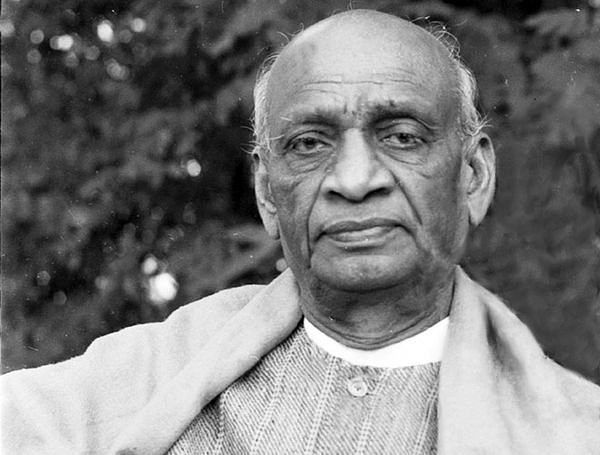
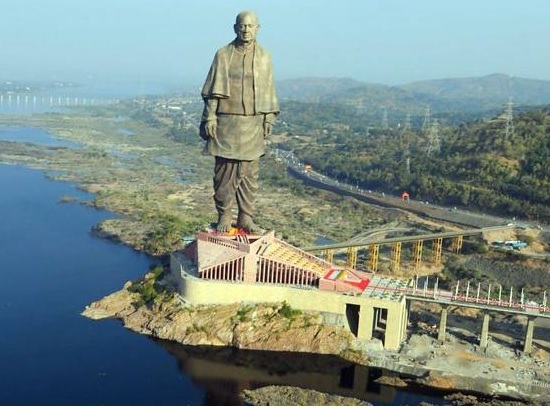
The Iron Man of India!

Do you know who is the iron man of India?

It is Sardar Vallabhbhai Patel

A few Golden traits of Sardar Vallabhbhai Patel

  • A Leader: Sardar Vallabhbhai Patel has set the example of unity by integrating 500 princely states into an independent Indian Union. And this is the reason, Patel’s Birthday is celebrated as “Rashtriya Ekta Divas”- The National Unity Day.
  • Vallabhbhai Patel initiated a movement inspired by Mahatma’s ideology through which he motivated farmers to be the part of this non-violent protest against taxes. As an outcome of the protest, that year the British Government gave them a tax holiday. Hence, Gandhi ji, awarded the title of “Sardar” to Vallabhbhai Patel
  • A Man of his word: During Congress elections in 1946, thirteen out of sixteen states chose Sardar Patel as their president, who was the more popular candidate and would have eventually become the first Prime Minister of independent India. But upon Gandhi’s request, he stepped down as a candidate and endorsed Jawaharlal Nehru instead.
  • Epitome of Sincerity: Sardar Patel was in the court, cross examining a witness when he got the news of his wife’s death. Patel, read the noted, pocketed it and continued the case and won it. This shows his sheer dedication and commitment towards his duties. He was only 33 years old, but he loved her deeply and so, never remarried.
  • A Man of principle: He was offered a job on multiple occasions by British government after his return from England and practice in Ahmadabad. Patel turned down all the offers.
  • A True Friend: Despite the doctor’s instructions, he cared for his friend suffering from Plague. This Bubonic Plague effected Patel too but he survived. The Bubonic Plague swept 12 million lives across India and China.
  • A Man of Determination: Patel wanted to become a lawyer and spent years studying on his own with books borrowed from other lawyers. He cleared his examination within two years. Later, he became one of the most successful barristers of the country.
  • Patron saint for civil servants: As he always thought that being the country of extensive diversity, multiple culture and traditions, numerous languages, India requires a strong bureaucratic service. He played an effective role in the initiation of Indian Administrative Services (IAS).

Our brave freedom fighter, The Iron Man of India Sardar Vallabhbhai Patel died on December 15, 1950 in Mumbai.

Sardar Vallabhbhai Patel was posthumously awarded the Bharat Ratna in 1991.

“Every Indian should now forget that he is a Rajput, a Sikh or a Jat. He must remember that he is an Indian and he has every right in his country but with certain duties,” Patel had famously said.

The Iron Man of India!

Do you know who is the iron man of India?

It is Sardar Vallabhbhai Patel

A few Golden traits of Sardar Vallabhbhai Patel

  • A Leader: Sardar Vallabhbhai Patel has set the example of unity by integrating 500 princely states into an independent Indian Union. And this is the reason, Patel’s Birthday is celebrated as “Rashtriya Ekta Divas”- The National Unity Day.
  • Vallabhbhai Patel initiated a movement inspired by Mahatma’s ideology through which he motivated farmers to be the part of this non-violent protest against taxes. As an outcome of the protest, that year the British Government gave them a tax holiday. Hence, Gandhi ji, awarded the title of “Sardar” to Vallabhbhai Patel
  • A Man of his word: During Congress elections in 1946, thirteen out of sixteen states chose Sardar Patel as their president, who was the more popular candidate and would have eventually become the first Prime Minister of independent India. But upon Gandhi’s request, he stepped down as a candidate and endorsed Jawaharlal Nehru instead.
  • Epitome of Sincerity: Sardar Patel was in the court, cross examining a witness when he got the news of his wife’s death. Patel, read the noted, pocketed it and continued the case and won it. This shows his sheer dedication and commitment towards his duties. He was only 33 years old, but he loved her deeply and so, never remarried.
  • A Man of principle: He was offered a job on multiple occasions by British government after his return from England and practice in Ahmadabad. Patel turned down all the offers.
  • A True Friend: Despite the doctor’s instructions, he cared for his friend suffering from Plague. This Bubonic Plague effected Patel too but he survived. The Bubonic Plague swept 12 million lives across India and China.
  • A Man of Determination: Patel wanted to become a lawyer and spent years studying on his own with books borrowed from other lawyers. He cleared his examination within two years. Later, he became one of the most successful barristers of the country.
  • Patron saint for civil servants: As he always thought that being the country of extensive diversity, multiple culture and traditions, numerous languages, India requires a strong bureaucratic service. He played an effective role in the initiation of Indian Administrative Services (IAS).

Our brave freedom fighter, The Iron Man of India Sardar Vallabhbhai Patel died on December 15, 1950 in Mumbai.

Sardar Vallabhbhai Patel was posthumously awarded the Bharat Ratna in 1991.

“Every Indian should now forget that he is a Rajput, a Sikh or a Jat. He must remember that he is an Indian and he has every right in his country but with certain duties,” Patel had famously said.

Are Electric cars green

With a few exceptions, the majority of research studies conducted in various parts of the world find the answer to this question to be mostly affirmative.
Though electric automobiles appear to be uncharted ground for most people, it’s startling to learn that the first electric car was invented in 1828 by a Hungarian engineer named Anyos Jedlik. Even though there is no evidence to corroborate this, the majority of people believe Nikola Tesla was the one who invented modern electric cars.
Electric cars are partially or fully powered by electricity generated from the grids. The rechargeable batteries installed in these cars store this electricity, to power the electric motor which turns the wheels. even though the initial cost of an electric car is greater in comparison to its fueled counterpart
The situation seems more favorable for the electric owner in the long run. The fact that electrical cars have limited parts and so it doesn’t have a constant replacement, cannot be ignored. The electrical battery usually comes with an 8-10 year guarantee, and also the average operating cost of electric cars is lesser than fossil fuel-enabled automobiles. A study conducted in the US found that the average operating cost of an electric car is 485$ and that of a non-electric car is 1117$. If we look at this from an environmental perspective then one electric car can save up to 1.5 million grams of CO2.
A recent study by the Carbon Brief organization concluded that lifetime emissions of driving a Nissan Leaf EV were three times lower than that of average conventional cars. A recent study in Germany also concluded that emissions from EVs are up to 43 % lower than fueled vehicles.
Now as I mentioned earlier the most important component in the EV would be its batteries which are made up of some rare earth elements including Lithium, Cobalt, Neodymium and they can be extracted through mining in turn causing harm to the fragile ecosystems present in those areas, the Democratic Republic of Congo faced many toxic spills due to Lithium mining, Nickel mining caused heavy pollution in the Arctic. Lithium-ion batteries are expected to make up 90% of the battery market by 2025 this could result in more carbon emissions than fuel-powered cars. The bigger the electric car and its range, the more battery cells would be needed to power it, resulting in more carbon being produced. Though the EV has a higher carbon footprint at the start, it becomes lower once it comes to use.
Another disadvantage would be the fact that very few efforts are undertaken to recycle the used batteries by the countries which cause dumping of the same in landfills and they remain there for years to come. Although companies like Nisan and Volkswagen are upping their efforts to increase their recycling process, newer technologies are being experimented with to make it less tedious and more eco-friendly.
We also need to acknowledge the fact that if managed appropriately these waste batteries can be a secondary source of procuring critically endangered materials. Nevada-based Redwood materials aim to become the world’s top battery recycling company. Li-cycle also has a similar approach in recycling lithium batteries by recovering 95% of minerals found in them.
In a more path-breaking discovery companies like Toyota and Tesla have started using motors that do not require these rare earth metals.
Another major issue that needs to be addressed with EVs is regarding the source of the electricity used in them, this electricity could be generated through coal and other fossil fuel and those emissions could be worse than the non-electrical solution. For example, the majority of china electricity comes from coal, similarly, 60% of electricity in California has generated via fossil fuel also in Germany 40 percent of the energy mix is produced by coal and 30 percent by nonrenewable sources But this problem could be tackled by applying a heavily decarbonized system, adopted by countries like Sweden, France which use large amounts of renewable sources of energy for this purpose. As power generation processes around the world are becoming increasingly sustainable we can safely assume that the EVS market will continue to grow and the Forbes study’s prediction that more than half of the world’s cars could be electric by 2050 has all chances of coming true. Ev cars may not be the perfect flag bearer for the environment but it does surely have the catholicon for a greener pollution-free world. When the manufacturing systems of these cars become sustainable only then we would be able to unlock their true green potential.

Are Electric cars green

With a few exceptions, the majority of research studies conducted in various parts of the world find the answer to this question to be mostly affirmative.
Though electric automobiles appear to be uncharted ground for most people, it’s startling to learn that the first electric car was invented in 1828 by a Hungarian engineer named Anyos Jedlik. Even though there is no evidence to corroborate this, the majority of people believe Nikola Tesla was the one who invented modern electric cars.
Electric cars are partially or fully powered by electricity generated from the grids. The rechargeable batteries installed in these cars store this electricity, to power the electric motor which turns the wheels. even though the initial cost of an electric car is greater in comparison to its fueled counterpart
The situation seems more favorable for the electric owner in the long run. The fact that electrical cars have limited parts and so it doesn’t have a constant replacement, cannot be ignored. The electrical battery usually comes with an 8-10 year guarantee, and also the average operating cost of electric cars is lesser than fossil fuel-enabled automobiles. A study conducted in the US found that the average operating cost of an electric car is 485$ and that of a non-electric car is 1117$. If we look at this from an environmental perspective then one electric car can save up to 1.5 million grams of CO2.
A recent study by the Carbon Brief organization concluded that lifetime emissions of driving a Nissan Leaf EV were three times lower than that of average conventional cars. A recent study in Germany also concluded that emissions from EVs are up to 43 % lower than fueled vehicles.
Now as I mentioned earlier the most important component in the EV would be its batteries which are made up of some rare earth elements including Lithium, Cobalt, Neodymium and they can be extracted through mining in turn causing harm to the fragile ecosystems present in those areas, the Democratic Republic of Congo faced many toxic spills due to Lithium mining, Nickel mining caused heavy pollution in the Arctic. Lithium-ion batteries are expected to make up 90% of the battery market by 2025 this could result in more carbon emissions than fuel-powered cars. The bigger the electric car and its range, the more battery cells would be needed to power it, resulting in more carbon being produced. Though the EV has a higher carbon footprint at the start, it becomes lower once it comes to use.
Another disadvantage would be the fact that very few efforts are undertaken to recycle the used batteries by the countries which cause dumping of the same in landfills and they remain there for years to come. Although companies like Nisan and Volkswagen are upping their efforts to increase their recycling process, newer technologies are being experimented with to make it less tedious and more eco-friendly.
We also need to acknowledge the fact that if managed appropriately these waste batteries can be a secondary source of procuring critically endangered materials. Nevada-based Redwood materials aim to become the world’s top battery recycling company. Li-cycle also has a similar approach in recycling lithium batteries by recovering 95% of minerals found in them.
In a more path-breaking discovery companies like Toyota and Tesla have started using motors that do not require these rare earth metals.
Another major issue that needs to be addressed with EVs is regarding the source of the electricity used in them, this electricity could be generated through coal and other fossil fuel and those emissions could be worse than the non-electrical solution. For example, the majority of china electricity comes from coal, similarly, 60% of electricity in California has generated via fossil fuel also in Germany 40 percent of the energy mix is produced by coal and 30 percent by nonrenewable sources But this problem could be tackled by applying a heavily decarbonized system, adopted by countries like Sweden, France which use large amounts of renewable sources of energy for this purpose. As power generation processes around the world are becoming increasingly sustainable we can safely assume that the EVS market will continue to grow and the Forbes study’s prediction that more than half of the world’s cars could be electric by 2050 has all chances of coming true. Ev cars may not be the perfect flag bearer for the environment but it does surely have the catholicon for a greener pollution-free world. When the manufacturing systems of these cars become sustainable only then we would be able to unlock their true green potential.

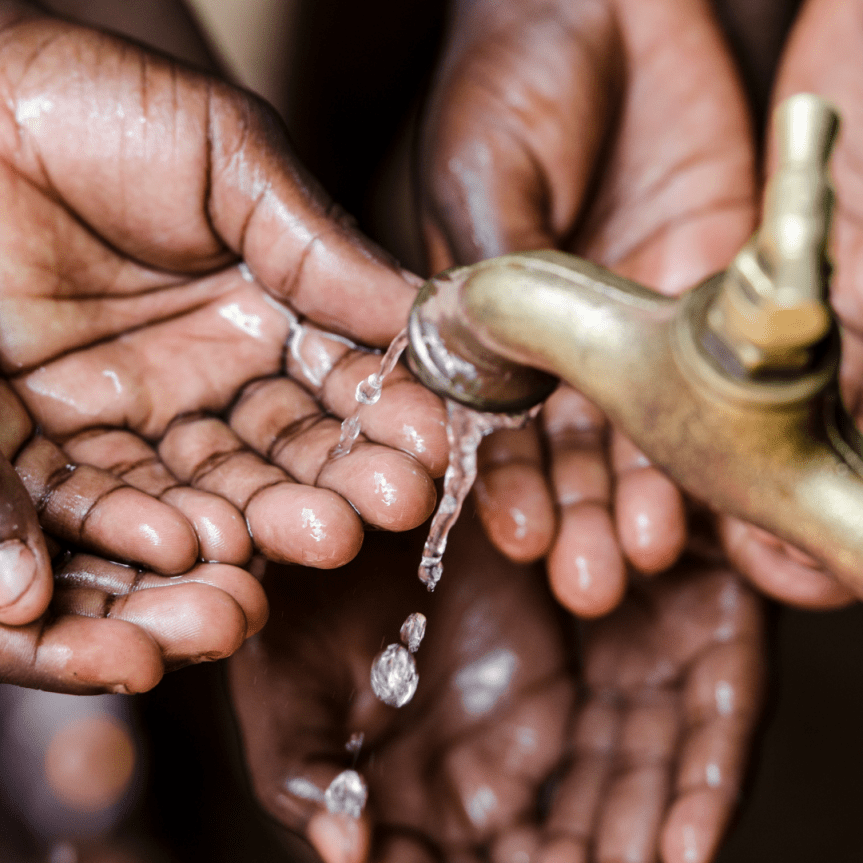
What is water scarcity?

Water scarcity is defined as the lack of freshwater resources to meet the standard demand for water. We are facing a crisis of water in the global scenario, although the earth’s surface is filled with over 75% of water, only around 5-10% of this water is fit for drinking. On top of this, the resources of water are unequally distributed i.e., one part of the globe has surplus resources and the other part has almost no resources. This uneven distribution is mainly caused due to the erratic climate change for which we are solely responsible. Further, the World Economic Forum in 2019, stated that in the coming decade the global risk is due to water. Droughts, famine, floods are going to be the future of our planet.

Major reasons for this everlasting scarcity are the geographic features and the increasing population of the world. Further reasons, can be improvising standards of living, everchanging consumer market and expansion of agriculture. These factors are currently uncontrollable, a government cannot force down people to compromise on their standard of living or control population, one must realize these effects and take up their measures.

There are many types of scarcity like Physical water scarcity, economic scarcity and water stress. Let’s briefly see all these different types of scarcity; Physical scarcity is the type where there isn’t any water to meet the demands of a particular region. This type of scarcity usually occurs due to inadequate sources of water or poor management of the available sources. This can be tackled by constructing projects like dams, canals and irrigation tanks to store water.

Coming to economic scarcity, this type of scarcity usually occurs when the country is going through an economic crisis or war is going on a neighboring nation. Over 20% of the countries in the world are going through an economic scarcity of water. This can be overcome by accepting aids from foreign countries and even taking a loan from the world bank.

Whatever the scenario of a country, whether it is experiencing a scarcity or not. In the coming future, every country will face a crisis if the resources are not maintained and the population is not kept under control. Hence we must stand together in this fight to save water.

What is water scarcity?

Water scarcity is defined as the lack of freshwater resources to meet the standard demand for water. We are facing a crisis of water in the global scenario, although the earth’s surface is filled with over 75% of water, only around 5-10% of this water is fit for drinking. On top of this, the resources of water are unequally distributed i.e., one part of the globe has surplus resources and the other part has almost no resources. This uneven distribution is mainly caused due to the erratic climate change for which we are solely responsible. Further, the World Economic Forum in 2019, stated that in the coming decade the global risk is due to water. Droughts, famine, floods are going to be the future of our planet.

Major reasons for this everlasting scarcity are the geographic features and the increasing population of the world. Further reasons, can be improvising standards of living, everchanging consumer market and expansion of agriculture. These factors are currently uncontrollable, a government cannot force down people to compromise on their standard of living or control population, one must realize these effects and take up their measures.

There are many types of scarcity like Physical water scarcity, economic scarcity and water stress. Let’s briefly see all these different types of scarcity; Physical scarcity is the type where there isn’t any water to meet the demands of a particular region. This type of scarcity usually occurs due to inadequate sources of water or poor management of the available sources. This can be tackled by constructing projects like dams, canals and irrigation tanks to store water.

Coming to economic scarcity, this type of scarcity usually occurs when the country is going through an economic crisis or war is going on a neighboring nation. Over 20% of the countries in the world are going through an economic scarcity of water. This can be overcome by accepting aids from foreign countries and even taking a loan from the world bank.

Whatever the scenario of a country, whether it is experiencing a scarcity or not. In the coming future, every country will face a crisis if the resources are not maintained and the population is not kept under control. Hence we must stand together in this fight to save water.

Directive Principles of State Policy

Part IV of the Constitution under Article -( 36 to 51 ) contains the Directive Principles of State Policy.

Classification of the Directives-

(1) Certain ideals, particularly economic, which according to the framers of the Constitution, the State should strive for.

(2) Certain guidance to the Legislature and the Executive aimed in what counts the State should use their legislative and executive powers.

(3) Certain rights of the citizens which shall not be enforceable by the courts like the “fundamental rights”, but which the State shall nevertheless aim at securing, by regulation of its legislative and administrative policy.

Scope of the Directives– It shall be the duty of the State to follow these principles both in the matters of administration as well as in the making of laws. They embody the object of the State under the Republican Constitution, namely that it is to be a “Welfare State” and not a mere “Police State”. Most of these Directives, it will be seen, aim at the establishment of the economic and social democracy which is pledged for in the Preamble.

The 42nd Amendment- However, it should be noted that the objective of the State has been formulated to live ‘socialist’, by the amendment of the Preamble by the 42nd amendment. By the same amendment, certain other changes have also been introduced they are:

(i) Article 43A has been inserted to ensure the State provides free legal aid to the poor and to take other suitable steps to achieve equal justice for all, given by the Preamble.

(ii) It has been inserted to direct the State to ensure the participation of the workers in the management of industry and other undertakings. This is a positive step in the advancement of socialism in the sense of economic justice.

The 44th Amendment- The Janta Government sought to implement the promise of economic justice and equality of opportunity assured by the Preamble, by inserting a clause (2) in Article 38 by the 44th Amendment Act, 1978 carried– The State shall, in particular, strive to minimize the inequalities in income, and endeavor to eliminate inequalities in status, facilities, and opportunities, not only amongst individuals but also amongst groups of people residing in different areas or engaged in different vocations.

The 86th Amendment- The Constitution 86th Amendment Act, 2002 substituted Article 45 making provision for early childhood care and education to children below the six-year of age provides provision for free and compulsory education until they complete fourteen years of age.

The 97th Amendment- Article 43B in Part IV of the Constitution has been put to promote the voluntary formation of cooperative societies. Article 43B provided that: The State shall endeavor to promote voluntary formation, autonomous functioning, democratic control, and professional management of cooperative societies.

DPSP and Fundamental Rights-

The dpsp has to conform to and run as a subsidiary to the Chapter Fundamental Rights. Nevertheless, in determining the scope and ambit of the Fundamental Rights relied on by or on behalf of any person or body the court may not entirely ignore these Directive Principles of State Policy laid down in Part IV of the Constitution but should adopt the principle of harmonious construction and should attempt to give effect to both as much as possible.

Directive Principles of State Policy

Part IV of the Constitution under Article -( 36 to 51 ) contains the Directive Principles of State Policy.

Classification of the Directives-

(1) Certain ideals, particularly economic, which according to the framers of the Constitution, the State should strive for.

(2) Certain guidance to the Legislature and the Executive aimed in what counts the State should use their legislative and executive powers.

(3) Certain rights of the citizens which shall not be enforceable by the courts like the “fundamental rights”, but which the State shall nevertheless aim at securing, by regulation of its legislative and administrative policy.

Scope of the Directives– It shall be the duty of the State to follow these principles both in the matters of administration as well as in the making of laws. They embody the object of the State under the Republican Constitution, namely that it is to be a “Welfare State” and not a mere “Police State”. Most of these Directives, it will be seen, aim at the establishment of the economic and social democracy which is pledged for in the Preamble.

The 42nd Amendment- However, it should be noted that the objective of the State has been formulated to live ‘socialist’, by the amendment of the Preamble by the 42nd amendment. By the same amendment, certain other changes have also been introduced they are:

(i) Article 43A has been inserted to ensure the State provides free legal aid to the poor and to take other suitable steps to achieve equal justice for all, given by the Preamble.

(ii) It has been inserted to direct the State to ensure the participation of the workers in the management of industry and other undertakings. This is a positive step in the advancement of socialism in the sense of economic justice.

The 44th Amendment- The Janta Government sought to implement the promise of economic justice and equality of opportunity assured by the Preamble, by inserting a clause (2) in Article 38 by the 44th Amendment Act, 1978 carried– The State shall, in particular, strive to minimize the inequalities in income, and endeavor to eliminate inequalities in status, facilities, and opportunities, not only amongst individuals but also amongst groups of people residing in different areas or engaged in different vocations.

The 86th Amendment- The Constitution 86th Amendment Act, 2002 substituted Article 45 making provision for early childhood care and education to children below the six-year of age provides provision for free and compulsory education until they complete fourteen years of age.

The 97th Amendment- Article 43B in Part IV of the Constitution has been put to promote the voluntary formation of cooperative societies. Article 43B provided that: The State shall endeavor to promote voluntary formation, autonomous functioning, democratic control, and professional management of cooperative societies.

DPSP and Fundamental Rights-

The dpsp has to conform to and run as a subsidiary to the Chapter Fundamental Rights. Nevertheless, in determining the scope and ambit of the Fundamental Rights relied on by or on behalf of any person or body the court may not entirely ignore these Directive Principles of State Policy laid down in Part IV of the Constitution but should adopt the principle of harmonious construction and should attempt to give effect to both as much as possible.

SCHOOL LIFE!!!!

I think everyone have the memories of your school life which never fades. The most cherished and enjoyed part of our life would definitely be our school life, right? Though, we go to college or job but the happiness might not be equal to the happiness in school life. Am I right guys? But the children these days do not know the happiness of this school life. This would be a great regret in their life. This pandemic has affected our daily lives. This affected our life greatly. Due to this, the children miss their school life and focussed on the online classes which is the greatest regret of the parents these days. The usage of mobile phone in such a young age may develop the habit of laziness in children. They may have eye problems. Let me tell you about school life now and then. Yes, I will share you how I enjoyed my school life. We were the last batch to complete school life before the pandemic started. We feel lucky for that.

School Life - children off the 60s
School days before Covid-19

As I said, the most unforgettable part in our life is our school days. Yes, school makes one built their character and knowledge of life. The most things can be learnt only in school days. This is a palce where every student tries to be the best in his work and want to use the school life the most to be a successful person. There they learnt to be disciplined and how punctuality matters a lot. Punished for being late teaches them to be a punctual person and this can be applied wherever he goes. Schools shape our character, mold our mental attitudes and fashion the basic principles of life. Most of us would have spent the most happiest days in school only. Think about it.

Are school days the best days of our life? - Quora

The children fight among themselves to prove they are the best in the class. The attention of students towards teachers are very high those days. Though they didn’t do their homework or didn’t work hard, during the time when examination dates are announced they show their strength to the fullest. Yes, the competition to be the first is always a fire in their mind. School teaches us how to respect others and befriendly with everyone. School is the place where we first identify our talents. There were many competitions which encourage them to prove themselves. This brings out dancing ability, singing, etc. Some children are interested in sports and teachers help them to be the best in their sports. To say bluntly, teachers are the pillars of school life.

How Teachers can Help Students Set and Achieve Personal Goals
The best companion of School life

The loyal and life long friends can be made only in your school life. Yes, the school friends are the ones who befriend with you without any expectations. Everyone can’t be able to forget the attrocities done with your friend right? At times, getting punishments together or making your friend a scapegoat and these cannot be forgotten. Sharing food and snacks are the best parts. This teaches us to be friendly and generous to the people around us. In every class, there will always be a group of gang and fight between them for silly things are unforgettable. Possesiveness over your friend and ego clashes between them are the most enjoyable things in school life. But the children these days miss the school days and this pandemic has made the situation worst.

Group Of School Friends Holding Hands With Rear View On White.. Stock  Photo, Picture And Royalty Free Image. Image 79586669.
Friends

Days goes, trend changes. This pandemic has made things difficult for children. They have become lazy and didn’t know about their school at all. They are studing through online class. Will it cultivate all the good habits ? No, puntuality and other things can only be taught in school. They are sure to miss this. Attending classes online may bring health issues and eye problem etc., But we should adjust this and be safe for now. I hope the pandemic will end soon and the children will be able to attend their live classes and cultivate their character. Doctor advices children to hear the online classes rather than seeing the mobile or laptop for the full day.

Education now

Read more;

https://www.iaspaper.net/school-life-short-essay-children/