The Art of Conversation

Among other things, what distinguishes man from other animals is speech and language. The very fact of being man signifies speech and conversation. Conversation as a tool and vehicle of expression of ideas, emotions and experience is of great importance. It lessens pain and suffering, multiplies joy, enjoyment and exaltation and enriches experience. Man can best reveal his mind, intentions, ideas, purpose and personality through words of the mouth or talk. A man is known by his words and talk. A talk reveals a man’s inner being, his thoughts and emotions. A conversation also means participation, cooperation and interaction. This is the best means of communication and expression and also the oldest and the richest. Our oldest and most cherished religious and spiritual works were originally in the form of oral communication, conversation and dialogues. Conversation is essential for success, social interaction, business, learning and education. In a broader and general sense conversation is very comprehensive and includes a talk, lecture and public speech. A lecture or talk may be termed as an extension of conversation. In a conversation a talk is confined to two-three persons but in a speech or lecture it extends to many persons forming a large audience. Moreover, a speech is more or less a one way traffic. While conversation implies intimacy, informality, equal participation, warmth etc. A good and enjoyable conversation is an art in which both heart and mind are involved in an intimate way. It is polite, sweet, intelligent, enjoyable and close.

The art of conversation is essential for influencing people, making friends and achieving success. It can be cultivated and developed. It is a great boon which can be possessed by training, practice, patience and perseverance. One who acquires this art, his labours are fully rewarded. He is welcomed wherever he goes. People like his company and he can become a leader among equals. He will be acceptable and his reputation will acquire wings.

A good conversation is always interesting, polite, warm, relaxed natural, spontaneous, rhythmic and comfortable. A good talker and conversationalist can take his message across successfully, convince the other party and leave long lasting impression. To possess this art one has to be self confident. Self confidence carries conviction, acceptability and popularity. Success in conversation arises from confidence. To attain self confidence read as much as possible, acquire knowledge and then practice talking about it with your friends, neighbours, parents and groups of people around you. Life is full of opportunities to develop this skill. Get yourself involved in others and then get them involved in your sweet, polite, meaningful and relevant talk. There is nothing like practice. Practice makes a man perfect. Any topic is good enough to converse and practice. Make your talk interesting, informative and relevant. Attend lectures, talks and addresses of well known speakers. It will give you a lot of experience, confidence and material to talk about. Be positive, hopeful and always think of the best.

The more you talk with various people, the more you possess knowledge, experience and confidence. Exchange of ideas, experience, emotions, opinions and concepts is likely to prove a great asset in your life and career. Your conversation even with a poor shoemaker , bus conductor, illiterate farmer or an uneducated house helper would not go waste. But talk with a purpose, be conscious of your aim and object and never lose sight of what you want to achieve. Nothing should be half hearted and half bake. Never monopolise the conversation and allow others to speak. Never dictate terms but be friendly, funny, considerate, liberal and polite


The Art of Conversation

Among other things, what distinguishes man from other animals is speech and language. The very fact of being man signifies speech and conversation. Conversation as a tool and vehicle of expression of ideas, emotions and experience is of great importance. It lessens pain and suffering, multiplies joy, enjoyment and exaltation and enriches experience. Man can best reveal his mind, intentions, ideas, purpose and personality through words of the mouth or talk. A man is known by his words and talk. A talk reveals a man’s inner being, his thoughts and emotions. A conversation also means participation, cooperation and interaction. This is the best means of communication and expression and also the oldest and the richest. Our oldest and most cherished religious and spiritual works were originally in the form of oral communication, conversation and dialogues. Conversation is essential for success, social interaction, business, learning and education. In a broader and general sense conversation is very comprehensive and includes a talk, lecture and public speech. A lecture or talk may be termed as an extension of conversation. In a conversation a talk is confined to two-three persons but in a speech or lecture it extends to many persons forming a large audience. Moreover, a speech is more or less a one way traffic. While conversation implies intimacy, informality, equal participation, warmth etc. A good and enjoyable conversation is an art in which both heart and mind are involved in an intimate way. It is polite, sweet, intelligent, enjoyable and close.

The art of conversation is essential for influencing people, making friends and achieving success. It can be cultivated and developed. It is a great boon which can be possessed by training, practice, patience and perseverance. One who acquires this art, his labours are fully rewarded. He is welcomed wherever he goes. People like his company and he can become a leader among equals. He will be acceptable and his reputation will acquire wings.

A good conversation is always interesting, polite, warm, relaxed natural, spontaneous, rhythmic and comfortable. A good talker and conversationalist can take his message across successfully, convince the other party and leave long lasting impression. To possess this art one has to be self confident. Self confidence carries conviction, acceptability and popularity. Success in conversation arises from confidence. To attain self confidence read as much as possible, acquire knowledge and then practice talking about it with your friends, neighbours, parents and groups of people around you. Life is full of opportunities to develop this skill. Get yourself involved in others and then get them involved in your sweet, polite, meaningful and relevant talk. There is nothing like practice. Practice makes a man perfect. Any topic is good enough to converse and practice. Make your talk interesting, informative and relevant. Attend lectures, talks and addresses of well known speakers. It will give you a lot of experience, confidence and material to talk about. Be positive, hopeful and always think of the best.

The more you talk with various people, the more you possess knowledge, experience and confidence. Exchange of ideas, experience, emotions, opinions and concepts is likely to prove a great asset in your life and career. Your conversation even with a poor shoemaker , bus conductor, illiterate farmer or an uneducated house helper would not go waste. But talk with a purpose, be conscious of your aim and object and never lose sight of what you want to achieve. Nothing should be half hearted and half bake. Never monopolise the conversation and allow others to speak. Never dictate terms but be friendly, funny, considerate, liberal and polite

Books to read once.

It’s been said that we are what we read, our thoughts are made at what we are surrounded with , so are some books which are to be read once:

  1. To kill a mocking bird by Harper lee
  2. 1984 by George Orwell
  3. The great Gatsby by F. Scott Fitzgerald
  4. The diary of a young girl, by Anne Frank
  5. The Book Thief, by Markus Zusak
  6. The Hobbit, by J.R.R Tolkien
  7. Jane Eyre , by Charlotte Bronte
  8. Gone with wind , by Margaret Mitchell
  9. Charlotte’s Web, by E.B White
  10. The Kite Runner ,by Khaled Hosseini

Books to read once.

It’s been said that we are what we read, our thoughts are made at what we are surrounded with , so are some books which are to be read once:

  1. To kill a mocking bird by Harper lee
  2. 1984 by George Orwell
  3. The great Gatsby by F. Scott Fitzgerald
  4. The diary of a young girl, by Anne Frank
  5. The Book Thief, by Markus Zusak
  6. The Hobbit, by J.R.R Tolkien
  7. Jane Eyre , by Charlotte Bronte
  8. Gone with wind , by Margaret Mitchell
  9. Charlotte’s Web, by E.B White
  10. The Kite Runner ,by Khaled Hosseini

Magnificent Mary

Born in the Khangati Village of Manipur,where very girl only wished for marriage, Mary Kom dared to dream. It is her dream that keeps her still going. Nicknamed as Magnificent Mary, Mary Kom was born on 24th November 1982

As a kid Mary Kom was always interested in all kind of sports. She played football , volleyball and athletics. She was very fond of marathon and volleyball. But when Dingko Singh, a fellow Manipuri returned with a gold medal from 1998 Bangkok Asian Games, Mary kom took inspiration from him. She was so enthralled that she decided to learn boxing.

At the age of 15, she left her hometown to study at Sports Academy in the state capital , Imphal. After that she won the state level boxing championship. She hid her love for boxing from her father. Her father never supported her for boxing as he was afraid that she might hurt her face and would not find a man to marry. When her father show the picture of Mary Kom on newspaper in 2000 after her win, he was furious. It was only after 3 years later, that he grew to accept Mary Kom’s love for boxing.

Today, Mary Kom is the only female to win the World Amateur Boxing Championship for six times. She is also the only boxer ( male or female) with eight World Championship. She has many titles in her name and has also been ranked no. 1 female light – flyweight by International Boxing Association. She also represented India in Olympics in 2012 and bagged a bronze home . Her list of achievements goes on and on.

Mary Kom was married in 2005 and has 3 children. She is currently representing India in Tokyo Olympics 2020. Many Indian women after being married leave all the dreams behind, but Mary was never one of those. She is inspiration for many, especially women. She is the definition of “Will Power”.

Magnificent Mary

Born in the Khangati Village of Manipur,where very girl only wished for marriage, Mary Kom dared to dream. It is her dream that keeps her still going. Nicknamed as Magnificent Mary, Mary Kom was born on 24th November 1982

As a kid Mary Kom was always interested in all kind of sports. She played football , volleyball and athletics. She was very fond of marathon and volleyball. But when Dingko Singh, a fellow Manipuri returned with a gold medal from 1998 Bangkok Asian Games, Mary kom took inspiration from him. She was so enthralled that she decided to learn boxing.

At the age of 15, she left her hometown to study at Sports Academy in the state capital , Imphal. After that she won the state level boxing championship. She hid her love for boxing from her father. Her father never supported her for boxing as he was afraid that she might hurt her face and would not find a man to marry. When her father show the picture of Mary Kom on newspaper in 2000 after her win, he was furious. It was only after 3 years later, that he grew to accept Mary Kom’s love for boxing.

Today, Mary Kom is the only female to win the World Amateur Boxing Championship for six times. She is also the only boxer ( male or female) with eight World Championship. She has many titles in her name and has also been ranked no. 1 female light – flyweight by International Boxing Association. She also represented India in Olympics in 2012 and bagged a bronze home . Her list of achievements goes on and on.

Mary Kom was married in 2005 and has 3 children. She is currently representing India in Tokyo Olympics 2020. Many Indian women after being married leave all the dreams behind, but Mary was never one of those. She is inspiration for many, especially women. She is the definition of “Will Power”.

Fruits Which Will Cost Your Fortune

I have already written about expensive fruits before ( Here is the link — https://wordpress.com/post/eduindex.org/55706 .Please check it also .) but that was not enough . Apart from Buddha Shaped Pear ,Sembikiya Queen strawberries ,Square watermelons ,Sekai-ichi Apple ,Yubari melon ,Taiyo – No – Tamago Mango , there are some more fruits in the world which can be proudly placed in the list of expensive .Let’s talk about them .

1) Ruby Red Grapes or Ruby Roman : This comes under the species Vitis vinifera .Its color is beautiful ruby red that’s why it is called ruby red grapes .Every grape is as big as a ping pong ball & perfectly round in shape  .These types of grapes are very juicy & sweet in taste .You can only able to buy it from  Ishikawa Prefecture in Japan as it is grown & cultivated in this place . These grapes first appeared in 2008 in Japan . According to a 2019 report , One bunch of a ruby roman costs almost 750000 rupees & one grape costs almost 35000 rupees in Indian currency . The reason for this high price value is the low amount of production of these grapes as only 2400 bunches are harvested per year .

Ruby Roman or Ruby Red Grapes
Ruby Red Grapes in a Japanese store

2) Heligan Pineapple or British Pineapple : Pineapples usually grow in warm weather but the cold weather of Europe, especially the United Kingdom is not very suitable . But these heligan pineapples are exclusively cultivated only in a Victorian garden, The Lost Gardens of Heligan which has existed from the 18th century & situated in Cornwall in UK .This pineapples are grown in utmost care & in special condition .They cost more than $ 1500 or 100000 rupees . Still now the highest price of heligan pineapple is $ 16000 .

Heligan Pineapple
Heligan Pineapple cultivation in Lost Gardens of Heligan

3) Dekopon Orange : Dekopon orange is a hybrid citrus fruit of two citrus species Kiyomi & Ponkan .It was first developed in 1972 in Japan .It is a seedless orange with sweet juicy flesh .It is considered as one of the best & expensive citrus fruit & only sold in Japan . The price of a dekopon orange is $ 80 or 6000 rupees per pack which contains only 6 oranges .

Dekopon Orange
Dekopon Orange

4) Densuke Watermelon : It is one of the most costly watermelons in the world .This watermelon is perfectly round shaped with spotless deep green outer surface .The edible red flesh of this watermelon are much sweeter & juicier than other watermelons .Each piece of watermelon is weight of 11 kg or more than  11 kg . Densuke watermelon are only farmers in the Hokkaido island in Japan & only  can be brought from Sembikiya Flagship store situated in Tokyo , Japan . Only 10000 number of densuke watermelons are produced  per year .It costs almost $ 6000 or 4.4 lakh in Indian currency .

Densuke Watermelon

5) Black Diamond Apple : These apples have a very unique color .The outer shell is of the deep blackish red or purple color ,very different from any other types of apple. They are much sweeter & flavorful than the rest of the apples .It is a scarce breed ,which belongs to the Huaniu apple species . These apples are only produced in Nyingchi provinces in Tibet .It is believed that this unique color is due to the cultivation in high altitude (3500 m or above ) & ultraviolet ray .This apples are not available in Indian market for its low lifetime . It cost almost $ 7 or 500 rupees per piece .

Fruits Which Will Cost Your Fortune

I have already written about expensive fruits before ( Here is the link — https://wordpress.com/post/eduindex.org/55706 .Please check it also .) but that was not enough . Apart from Buddha Shaped Pear ,Sembikiya Queen strawberries ,Square watermelons ,Sekai-ichi Apple ,Yubari melon ,Taiyo – No – Tamago Mango , there are some more fruits in the world which can be proudly placed in the list of expensive .Let’s talk about them .

1) Ruby Red Grapes or Ruby Roman : This comes under the species Vitis vinifera .Its color is beautiful ruby red that’s why it is called ruby red grapes .Every grape is as big as a ping pong ball & perfectly round in shape  .These types of grapes are very juicy & sweet in taste .You can only able to buy it from  Ishikawa Prefecture in Japan as it is grown & cultivated in this place . These grapes first appeared in 2008 in Japan . According to a 2019 report , One bunch of a ruby roman costs almost 750000 rupees & one grape costs almost 35000 rupees in Indian currency . The reason for this high price value is the low amount of production of these grapes as only 2400 bunches are harvested per year .

Ruby Roman or Ruby Red Grapes
Ruby Red Grapes in a Japanese store

2) Heligan Pineapple or British Pineapple : Pineapples usually grow in warm weather but the cold weather of Europe, especially the United Kingdom is not very suitable . But these heligan pineapples are exclusively cultivated only in a Victorian garden, The Lost Gardens of Heligan which has existed from the 18th century & situated in Cornwall in UK .This pineapples are grown in utmost care & in special condition .They cost more than $ 1500 or 100000 rupees . Still now the highest price of heligan pineapple is $ 16000 .

Heligan Pineapple
Heligan Pineapple cultivation in Lost Gardens of Heligan

3) Dekopon Orange : Dekopon orange is a hybrid citrus fruit of two citrus species Kiyomi & Ponkan .It was first developed in 1972 in Japan .It is a seedless orange with sweet juicy flesh .It is considered as one of the best & expensive citrus fruit & only sold in Japan . The price of a dekopon orange is $ 80 or 6000 rupees per pack which contains only 6 oranges .

Dekopon Orange
Dekopon Orange

4) Densuke Watermelon : It is one of the most costly watermelons in the world .This watermelon is perfectly round shaped with spotless deep green outer surface .The edible red flesh of this watermelon are much sweeter & juicier than other watermelons .Each piece of watermelon is weight of 11 kg or more than  11 kg . Densuke watermelon are only farmers in the Hokkaido island in Japan & only  can be brought from Sembikiya Flagship store situated in Tokyo , Japan . Only 10000 number of densuke watermelons are produced  per year .It costs almost $ 6000 or 4.4 lakh in Indian currency .

Densuke Watermelon

5) Black Diamond Apple : These apples have a very unique color .The outer shell is of the deep blackish red or purple color ,very different from any other types of apple. They are much sweeter & flavorful than the rest of the apples .It is a scarce breed ,which belongs to the Huaniu apple species . These apples are only produced in Nyingchi provinces in Tibet .It is believed that this unique color is due to the cultivation in high altitude (3500 m or above ) & ultraviolet ray .This apples are not available in Indian market for its low lifetime . It cost almost $ 7 or 500 rupees per piece .

Smoking Should be Banned

The number of persons who smoke has risen steadily throughout time. Even if they are aware of the dangers of smoking, they continue to do so. It is a very addicting habit and a personal choice. Smokers make the decision to expose themselves to the health hazards associated with smoking. It is not for the government or any other third party to decide whether or not a person may smoke. Smoking, on the other hand, has detrimental consequences on those who do not smoke. It also affects those who live in close proximity to smokers, because when people smoke in public, the smoke spreads throughout the atmosphere, and the harmful effects of this smoke affect all living, breathing animals.As a result, all public locations should prohibit smoking.

Smokers set a negative example by smoking in public. In their growing periods, children are easily influenced. Because infants are unable to distinguish between right and wrong, they copy those around them. As a result, they believe that the activities they witness are as things should be. Furthermore, teenagers who observe others smoking in public view it as a model to follow and begin smoking themselves. People copy the actions of others as they see them in their daily lives, according to the phrase “monkey see, monkey do.” Smoking is considered “cool” by teenagers. It reinforces their sense in the “coolness” of smoking when they observe adults doing it on the streets. Some youngsters believe that smoking is a sign of maturity and adulthood. As a result of seeing other people smoke in public areas, more teenagers are starting to smoke.

Tobacco contains nicotine, which is highly addictive. Smoking is an addiction because of this. As a result, a smoker’s ability to quit is hampered by nicotine. As a result, a person will grow accustomed to nicotine to the point where he or she will need to smoke to feel normal. Smoking should be prohibited for a variety of reasons. It affects nearly all of the body’s organs. Cigarette smoking is responsible for 87 percent of lung cancer fatalities, as well as a variety of other cancers and health issues. Furthermore, smoking is blamed for the mortality of infants born to pregnant women. People who live near smokers, on the other hand, become secondary smokers, inhaling the smoke and developing the same health issues as smokers. Cannabis withdrawal symptoms include despair, insomnia, frustration, anger, anxiety, difficulty concentrating, and restlessness, even though it is not generally smoked.

Smoking prohibitions reduce the number of smokers in general: Every year, smoking causes 700.000 premature deaths in Europe as a result of increased cancer, cardiovascular, and respiratory disease risks. All EU countries have implemented smoke-free environments, as proposed by the European Council in 2009. In the first ten years after the prohibitions were enacted, there were 1.9 million fewer smokers in the UK alone.

Passive smoking is reduced: Toxic vapours are harmful not only to the person who is actively smoking a cigarette, but also to others who are exposed to them. Secondhand smoke kills around 1.2 million people prematurely every year around the world. Nonsmokers are substantially less exposed to hazardous gases in public areas thanks to smoking prohibitions.

Governments will have less tax revenue: Tobacco is subject to high taxes across Europe, albeit the exact rate of taxation varies by member state. Governments make a lot of money this way. If smoking prohibitions result in fewer cigarette sales, governments may see a decrease in tobacco tax revenue.

HEALTH IMPACTS:

The researchers found 35 tobacco compounds in the movie theatre, including recognized carcinogens including benzene, formaldehyde, and acrolein. Although the long-term health effects of breathing in third-hand smoke are unknown, most public health experts agree that there is no such thing as a safe level of cigarette smoke exposure, according to Gentner. According to Gentner, the findings suggest that measures designed to protect non-smokers from second-hand smoke, such as prohibiting people from smoking within certain distances of buildings, should be expanded to protect people from third-hand smoke as well.

Parents who smoke outside their houses to protect their children from hazardous tobacco chemicals should be aware that “the toxins from their cigarettes do not stay totally outside,” according to Gentner, and that parents “remain a source of those chemicals when they come back inside.”

JHANSI RANI LAXMIBAI

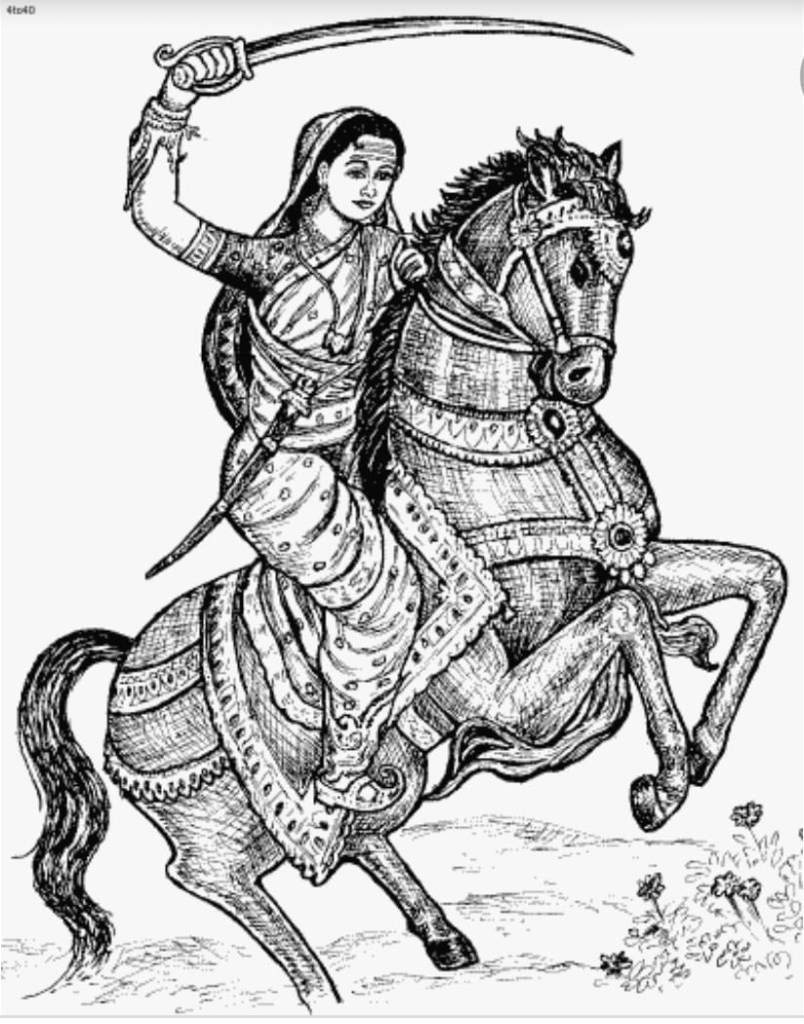
Jhansi ki rani ,the one who fought bravely against the rule of British inspired many women all over the world with her bravery and courage .Her father Monopanth Thambe raised her like a warrior. Even though she was born in a Brahmin family, she can fight like a kshatriya since her childhood. she started to think against slavery from the childhood itself .she always wanted to end the rule of British.

She was born on 19 November 1828 in Varanasi . From childhood she was educated at home ,able to read and write , very independent than others of her age .When she was married to Maharaja Gangadar Rao Newalkar ,she got renamed from Manikarnika to Lakshmi Bai .she helped a lot to her husband to defend the Jhansi from the influence of British. she is the best women warrior i have ever heard . Her thoughts makes every Indian women to stand for themselves and other people who are in need.

she gave birth to a boy child in 1851 and named him as Damodar Rao .He was dead due to the backsliders .Later they adopted a boy named Anand Rao and then renamed as Damodar Rao on the day before the maharaja died . Generally, after the death of husband wife needs to shave her head as a ritual . But ,Manikarnika refused to shave her head and decided to take place of her husband to protect the people of her kingdom to not let the name of her husband down. she wanted to end the attrocities of Britishers .She also encouraged many women to become soldiers and trained them to fight .

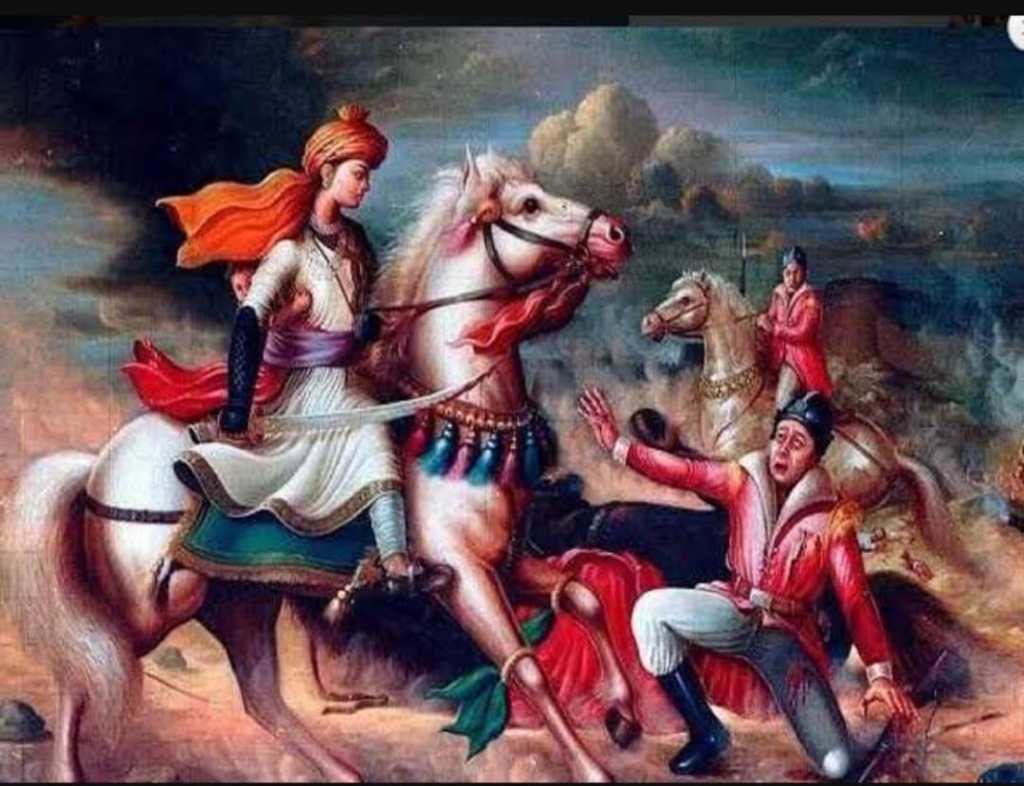
she asked many villagers to help help her in the fight to take the rule of british over them. she even strenghtened her people with her great skillful ambition. she didn’t hesitate to take her child to the war .she tied her son to her back and fought war like a legend . she never showed her back eventhough they have less weapons and soilders than their opponents. Throughout the life she never headed down and maintained her dignity . she also died like a legend in her young age of 30.

whatever her fault in British eyes may have been ,her countrymen will ever remember that she was driven by ill-treatment into rebellion ,and that she lived and died for her country ,we cannot forget her contribution for India. _ COLONEL MALLESON

Hobbies

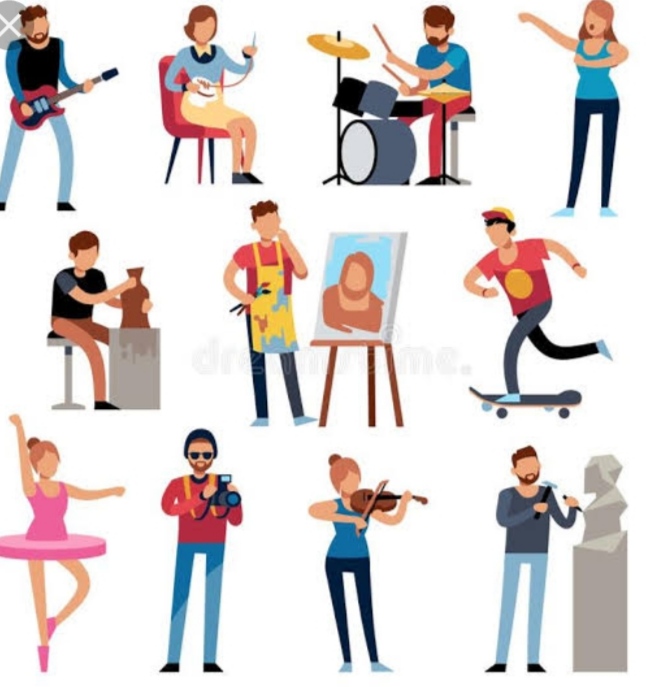
Hobbies are the activities that we do in our spare time. Hobbies are unique to people. Some like gardening, a few like photography, many have book reading as their hobby. While other hobbies are swimming, collecting stamps, playing video games, and many more. People have hobbies not only to pass their free time but also to do something useful . Hobbies help people learn new things, relax after a day of tiring work and to energise their body and mind.

“Whatever you like to do, make it a hobby”.

Writing

Writing is a unique hobby because most people don’t want to exhaust themselves in their spare time. Many feel that writing is tough, but I do not think so. I feel writing is like painting our voice. When I get free time, I pick a pen and a notebook and start painting my ideas in words. I write stories , poems and sometimes, about my feelings. My mind relaxes when I pour my thoughts as words. So, writing energises me. When I write things, my imagination is at its best. I imagine a world with magic and magicians, where I can fly, and birds can talk. Writing helps me completely immerse myself into that world! Sometimes, I sit with small children and entertain them with these stories of mine. The happiness of their faces makes me to write more and better. Although writing is just a hobby for me, yet it is very beneficial. It opens my mind to think beyond the little things with a broader mind. It makes me more passionate about my life. It makes me learn new things and enjoy every moment of my life.

‘Writing is easy. All you have to do is cross out the wrong words”.

JHANSI RANI LAXMIBAI

Jhansi ki rani ,the one who fought bravely against the rule of British inspired many women all over the world with her bravery and courage .Her father Monopanth Thambe raised her like a warrior. Even though she was born in a Brahmin family, she can fight like a kshatriya since her childhood. she started to think against slavery from the childhood itself .she always wanted to end the rule of British.

She was born on 19 November 1828 in Varanasi . From childhood she was educated at home ,able to read and write , very independent than others of her age .When she was married to Maharaja Gangadar Rao Newalkar ,she got renamed from Manikarnika to Lakshmi Bai .she helped a lot to her husband to defend the Jhansi from the influence of British. she is the best women warrior i have ever heard . Her thoughts makes every Indian women to stand for themselves and other people who are in need.

she gave birth to a boy child in 1851 and named him as Damodar Rao .He was dead due to the backsliders .Later they adopted a boy named Anand Rao and then renamed as Damodar Rao on the day before the maharaja died . Generally, after the death of husband wife needs to shave her head as a ritual . But ,Manikarnika refused to shave her head and decided to take place of her husband to protect the people of her kingdom to not let the name of her husband down. she wanted to end the attrocities of Britishers .She also encouraged many women to become soldiers and trained them to fight .

she asked many villagers to help help her in the fight to take the rule of british over them. she even strenghtened her people with her great skillful ambition. she didn’t hesitate to take her child to the war .she tied her son to her back and fought war like a legend . she never showed her back eventhough they have less weapons and soilders than their opponents. Throughout the life she never headed down and maintained her dignity . she also died like a legend in her young age of 30.

whatever her fault in British eyes may have been ,her countrymen will ever remember that she was driven by ill-treatment into rebellion ,and that she lived and died for her country ,we cannot forget her contribution for India. _ COLONEL MALLESON

Hobbies

Hobbies are the activities that we do in our spare time. Hobbies are unique to people. Some like gardening, a few like photography, many have book reading as their hobby. While other hobbies are swimming, collecting stamps, playing video games, and many more. People have hobbies not only to pass their free time but also to do something useful . Hobbies help people learn new things, relax after a day of tiring work and to energise their body and mind.

“Whatever you like to do, make it a hobby”.

Writing

Writing is a unique hobby because most people don’t want to exhaust themselves in their spare time. Many feel that writing is tough, but I do not think so. I feel writing is like painting our voice. When I get free time, I pick a pen and a notebook and start painting my ideas in words. I write stories , poems and sometimes, about my feelings. My mind relaxes when I pour my thoughts as words. So, writing energises me. When I write things, my imagination is at its best. I imagine a world with magic and magicians, where I can fly, and birds can talk. Writing helps me completely immerse myself into that world! Sometimes, I sit with small children and entertain them with these stories of mine. The happiness of their faces makes me to write more and better. Although writing is just a hobby for me, yet it is very beneficial. It opens my mind to think beyond the little things with a broader mind. It makes me more passionate about my life. It makes me learn new things and enjoy every moment of my life.

‘Writing is easy. All you have to do is cross out the wrong words”.

Uniform Civil Code in India

Introduction

India is a very diverse nation having several different cultures, traditions and religions. This diverse nature of India makes it a vibrant and varied country, where it reconciles different religious and cultural views to form one unified nation. However, this also necessitates the need for personal laws that govern each religion and allow their followers to live according to certain religion-specific laws and regulations. For example, Hindus have the Hindu Marriage Act (1955), Muslims have the Muslim Personal Law (Shariat) Application Act (1937), Christians have the Indian Christian Marriage Act (1871), etc. The personal laws are aimed at giving each religion a fair opportunity at following their own customs and traditions. However, many instances in Indian history are evidence to the fact that distributing justice on the basis of religion leads to a multitude of communal issues. Moreover, numerous personal laws have been found to be discriminatory in nature and thereby in derogation of the Fundamental Rights as given in the Indian Constitution. Many a times, these personal laws are regressive in nature and represent ancient societal views that show no congruence to the current, progressive Indian society. It is in view of this that the framers of the Indian constitution, and many other prominent figures during the period of drafting, made efforts to implement a ‘Uniform Civil Code’ in the interest of national consolidation and communal harmony.

The Uniform Civil Code

The Uniform Civil Code refers to a single set of rules or a singular code of law that is applicable to all the citizens of India, regardless of their religious affiliations or which community they belong to. Such a code is the hallmark of a contemporary, progressive nation that has ascended the need for segregation based on religion, caste, race, etc. Article 44 of the Indian Constitution states that a ‘Uniform Civil Code’ is to be implemented for the citizens of India. The Article reads: “The State shall endeavour to provide for its citizens a uniform civil code throughout the territory of India.” Therefore, the idea of a uniform civil code is enshrined in the Indian constitution and stands as a something that the country should strive for. However, it is included as one of the Directive Principles of State Policy, and not as a Fundamental Right or constitutional guarantee. Hence, despite being mentioned in the constitution, there have been no significant steps taken by India to realise such a code.

Goa is the only state in India to have a fully functioning uniform civil code called the Portuguese Civil Code (1867). This code replaces the personal laws based on religion in Goa, and introduces a common law for all its residents regardless of their religion, caste, gender, etc. For example, according to the code, a Muslim man whose marriage is registered in the State of Goa cannot practice polygamy. Although polygamy is a part and parcel of the Muslim personal law, it is nullified in the State of Goa due to the presence of a UCC. Furthermore, a married couple share equal property and divide their assets equally, and succession rights for men and women are similar in Goa. Thus, Goa acts as a contemporary example as to how a uniform civil code works, and what it involves.

Evaluation of the Uniform Civil Code

It can be said that the uniform civil code is a very polarising concept, and that it can bring about both benefits and adversities. It is important to understand these before a solid decision about it can be made. In case it seems like the benefits outweigh the adversities, then it should be implemented, and vice-versa. These can be discussed as:

Pros

  • The application of a uniform code will allow for a much more coherent and efficient system of administration, mitigating a lot of the confusion and conflict created due to the existence of numerous personal laws.
  • A uniform civil code is the hallmark of a secular democracy like India. As mentioned in the Preamble, India is a secular country and does not identify any particular state religion. It is acceptive of all faiths, and gives the freedom to practice and preach any religion its citizens deem suitable for themselves.
  • A common feature seen among most personal laws is discrimination towards women. This is again a reflection of ancient and obsolete beliefs that have no place in modern society. The uniform civil code, however, is devoid of any such discrimination and promotes equal treatment of both genders.
  • Possibly the most important pro is that the implementation of a uniform civil code will infuse the Indian legal system to make it one well-oiled machine. As of right now, the segregation of different personal laws implies different practices in different religions.

Cons

  • Although aiming for communal harmony, the uniform civil code may cause some divisiveness in the Indian society. Communities such Hindus and Muslims have deep-rooted hate against each other, and neither one will be pleased to follow the same code as the other. Hence, the UCC may cause some communal disharmony.
  • It will be a very lengthy and cumbersome process to come up with a uniform civil code that is equitable and non-discriminatory in nature. Realistically, it will take numerous years and make use of many resources, which might not be the best idea considering the many issues India has to focus on in the current times.
  • Most importantly, as mentioned before, people in India have deep emotional ties to their religions. The introduction of such a code that trumps their personal laws is not advisable and can lead to antipathy from the citizens of India.

Conclusion

Ultimately, the debate around the uniform civil code does have valid arguments both for and against it. It boils down to whether it is worth sacrificing some diversity for a stable law and order situation in India. I believe that the UCC could be the need of the hour, and could help in building the egalitarian society India is striving for. India’s long history of communal disputes and discrimination can come to an end, or at least be reduced exponentially, and there can be national integration and unity. However, such a uniform code cannot be suddenly implemented with the hope that it will rectify issues. People should be educated and made aware about it, and a gradual approach should be administered in introducing the UCC.  This will allow it to be effective and accepted in society. Furthermore, each community’s interests should be taken into consideration. In this way, the secular nature of India will be preserved and it will allow for India to progress and grow.

Uniform Civil Code in India

Introduction

India is a very diverse nation having several different cultures, traditions and religions. This diverse nature of India makes it a vibrant and varied country, where it reconciles different religious and cultural views to form one unified nation. However, this also necessitates the need for personal laws that govern each religion and allow their followers to live according to certain religion-specific laws and regulations. For example, Hindus have the Hindu Marriage Act (1955), Muslims have the Muslim Personal Law (Shariat) Application Act (1937), Christians have the Indian Christian Marriage Act (1871), etc. The personal laws are aimed at giving each religion a fair opportunity at following their own customs and traditions. However, many instances in Indian history are evidence to the fact that distributing justice on the basis of religion leads to a multitude of communal issues. Moreover, numerous personal laws have been found to be discriminatory in nature and thereby in derogation of the Fundamental Rights as given in the Indian Constitution. Many a times, these personal laws are regressive in nature and represent ancient societal views that show no congruence to the current, progressive Indian society. It is in view of this that the framers of the Indian constitution, and many other prominent figures during the period of drafting, made efforts to implement a ‘Uniform Civil Code’ in the interest of national consolidation and communal harmony.

The Uniform Civil Code

The Uniform Civil Code refers to a single set of rules or a singular code of law that is applicable to all the citizens of India, regardless of their religious affiliations or which community they belong to. Such a code is the hallmark of a contemporary, progressive nation that has ascended the need for segregation based on religion, caste, race, etc. Article 44 of the Indian Constitution states that a ‘Uniform Civil Code’ is to be implemented for the citizens of India. The Article reads: “The State shall endeavour to provide for its citizens a uniform civil code throughout the territory of India.” Therefore, the idea of a uniform civil code is enshrined in the Indian constitution and stands as a something that the country should strive for. However, it is included as one of the Directive Principles of State Policy, and not as a Fundamental Right or constitutional guarantee. Hence, despite being mentioned in the constitution, there have been no significant steps taken by India to realise such a code.

Goa is the only state in India to have a fully functioning uniform civil code called the Portuguese Civil Code (1867). This code replaces the personal laws based on religion in Goa, and introduces a common law for all its residents regardless of their religion, caste, gender, etc. For example, according to the code, a Muslim man whose marriage is registered in the State of Goa cannot practice polygamy. Although polygamy is a part and parcel of the Muslim personal law, it is nullified in the State of Goa due to the presence of a UCC. Furthermore, a married couple share equal property and divide their assets equally, and succession rights for men and women are similar in Goa. Thus, Goa acts as a contemporary example as to how a uniform civil code works, and what it involves.

Evaluation of the Uniform Civil Code

It can be said that the uniform civil code is a very polarising concept, and that it can bring about both benefits and adversities. It is important to understand these before a solid decision about it can be made. In case it seems like the benefits outweigh the adversities, then it should be implemented, and vice-versa. These can be discussed as:

Pros

  • The application of a uniform code will allow for a much more coherent and efficient system of administration, mitigating a lot of the confusion and conflict created due to the existence of numerous personal laws.
  • A uniform civil code is the hallmark of a secular democracy like India. As mentioned in the Preamble, India is a secular country and does not identify any particular state religion. It is acceptive of all faiths, and gives the freedom to practice and preach any religion its citizens deem suitable for themselves.
  • A common feature seen among most personal laws is discrimination towards women. This is again a reflection of ancient and obsolete beliefs that have no place in modern society. The uniform civil code, however, is devoid of any such discrimination and promotes equal treatment of both genders.
  • Possibly the most important pro is that the implementation of a uniform civil code will infuse the Indian legal system to make it one well-oiled machine. As of right now, the segregation of different personal laws implies different practices in different religions.

Cons

  • Although aiming for communal harmony, the uniform civil code may cause some divisiveness in the Indian society. Communities such Hindus and Muslims have deep-rooted hate against each other, and neither one will be pleased to follow the same code as the other. Hence, the UCC may cause some communal disharmony.
  • It will be a very lengthy and cumbersome process to come up with a uniform civil code that is equitable and non-discriminatory in nature. Realistically, it will take numerous years and make use of many resources, which might not be the best idea considering the many issues India has to focus on in the current times.
  • Most importantly, as mentioned before, people in India have deep emotional ties to their religions. The introduction of such a code that trumps their personal laws is not advisable and can lead to antipathy from the citizens of India.

Conclusion

Ultimately, the debate around the uniform civil code does have valid arguments both for and against it. It boils down to whether it is worth sacrificing some diversity for a stable law and order situation in India. I believe that the UCC could be the need of the hour, and could help in building the egalitarian society India is striving for. India’s long history of communal disputes and discrimination can come to an end, or at least be reduced exponentially, and there can be national integration and unity. However, such a uniform code cannot be suddenly implemented with the hope that it will rectify issues. People should be educated and made aware about it, and a gradual approach should be administered in introducing the UCC.  This will allow it to be effective and accepted in society. Furthermore, each community’s interests should be taken into consideration. In this way, the secular nature of India will be preserved and it will allow for India to progress and grow.