Lessons of life learnt by watching Space Opera !


Often, one
can observe that everyone wants to be successful in life. Everybody has various
diverse goals; while one may want a simple life, the other may want a lavish
one. 


However, we all struggle to achieve our ideal lifestyle. Sometimes, in
order to remove the stress, many wish to escape from the harsh reality and
dwell into the world of fantasy. One may do so by watching films, web series, and
soap operas according to their desirable genre.


While
watching a movie, have you ever wondered that the story which is being portrayed
is similar to your real life? People tend to watch “their world” by watching
their preferred genres. One such genre which is widely appreciated by people is
“Space Opera”.


Space opera according
to Wikipedia is “A subgenre of science fiction that emphasizes space warfare, melodramatic
adventure, interplanetary battles, chivalric romance and risk-taking”. 

 In this genre one can find humans living with
robots or aliens, having extra-terrestrial wars, and doing what is right.
Hypothetically, we might even be a “C-graded project of aliens”!


 There are evidences
that UFO and alien spaceships have been spotted and maybe it can be believed even
our deaths can be caused by aliens when they no longer need us! Space operas
help us to think out of the box by allowing to create our own space theories.


Sometimes, it might happen that we might experience space opera in real life without realizing it !


“Your eyes
can deceive. Don’t trust them”- Obi-Wan Kenobi from Star Wars. It is pretty
evident that this quote applies in our real lives too. We can’t always make crucial
decisions of our lives  on the basis of what we see. It is because sometimes what we see is not the truth and what we don’t see is!


It is possible to commit no errors and still lose. That is
not a weakness. That is life.” — Captain Jean-Luc Picard from Star Trek. In our real
lives also although one may clear several difficult stages of his/her life
easily but still loose at the last hurdle.


There is a way out
of every box, a solution to every puzzle; it’s just a matter of finding
it.” — Captain Jean-Luc Picard. When life becomes too complicated with
our problems and there is no way out, we just have to be calm and find the key
to our lock! 


These are some instances which prove that we actually experience
and live in space opera without even realizing it! We sometimes lose faith, sometimes
get courage to fight like a superhero and defeat the bad people, finding out numerous
keys to unlock the impossible lock and at the end emerging victorious in a
great space war known as ‘Life’.



Dinnerware Patterns

Planning on throwing a big dinner party? Or just having some guests over for the night? Either way, we know what you are looking for. Are you looking for something innovative to do to impress your friends? We got you.

A big party means you need to take out your stock of dinner sets you have hidden in that cabinet. Yes, you read it right. Go on, take them out and think about how to decorate the dining table for the night. Maybe we can help you there. We will show you how to mix and match dinnerware for your party. But what else are you thinking? Flowers? Accessories for the table? Fancy table mats? Or candles maybe? That is nice but what about your precious dinnerware waiting to be showcased. Come on, let’s see what you need to do.

Why Mix and Match?

If you want to throw a big party., you will need a good amount of the same dinner sets. About 20 to 30 plates of the same design with the spoons and bowls too will be needed. No one is that stupid to buy these many dishes of the same design. So what you want is to mix and match your dinner sets to make your table look presentable and great.

How to Mix and Match Dinnerware?

It depends on how you want your table to look. Do you want a bright cheery mood? Or do you prefer a more classic look? Whatever you want, we are here to help you.

Either you decide to order takeout or cook your best dish, it’s always nice to make your table presentable. It sets the right mood for the dinner party. Let us find out how you can make the table a feast for your eyes.

  • Start with deciding a color scheme – The most important thing to keep in mind while setting the table is to devise a color scheme. The base color for the dinner sets. We recommend it to be a plain color. You can take it as bright red large plates with plain white side plates and add some golden metal spoons and forks. Or you can go with a dull color like brown or maybe royal blue with a contrast of silver would be nice.
  • Consider the mood of the gathering – You want to set the mood right for the party. Decide whether you want a formal gathering or a fun friends’ night out. For a formal dinner, you might want to seem classy then put some flowers and candles on the table.
  • Include different items – Your table will look good if it has some different fun items. They may be stemmed glasses for drinks or big fancy soup bowls. Adding napkins going with the color scheme might be a good addition. Set different sizes of spoons for starters and meals.
  • Metals shine bright – Metals make a good addition to the table. They add a bit of sparkle to the setting. There are no restrictions if you want to add some silver, gold, or bronze spoons and forks. They add to the charm of your dining table.
  • Add shapes and textures – Setting your table with different shapes of dishes would be nice and fun. Add two different shapes of glasses for drinks and water. Be bold and imaginative when adding patterns to the set. If a color doesn’t suit your mood then maybe go for more textured plates and dishes. Consider a floral pattern of plates with plain side plates which go with golden spoons.
  • A sense of nature – Bring in some natural materials and add one bright color like blue with classic white plates. Spice it up by giving it a traditional and classy look. Add some flowers too in the vase.
  • Consistency is the key – You need to be consistent. Whatever you selected at the starting, keep it up till the end. Whatever color or pattern you want make it consistent for every seat. Whether it is the color scheme, the flowers, table mats, or the water glasses, try to keep all the items consistent throughout the table. Even if your table is mismatched but is consistent, it will definitely look perfect.
  • Crisp and colorful – You want it to be a cheerful picnic dinner then you can go with solid colors lining your table. Mix it with a contrasting color to make it look colorful and complete. Maybe add some small pattern with the side plates or the glasses.

Some Other Things to Keep in Mind

There are some other different things to keep in mind while setting your table for the big night. We told you all about what to do, now let’s come to what not to do. Some tips for you not to do are mentioned below:

  1. Do not exaggerate the number of items on the table. Keep them less but enough for using easily.
  2. Do not go too bold with the color scheme. You don’t want a simple dinner party to look like a royal dinner, do you?
  3. Try to add patterns but not many. Stick to only one or two patterns.
  4. You can set each seat with different settings but try to keep the color scheme the same throughout the table to ensure consistency.
  5. If you plan on keeping flowers and candles on the table, keep them at a distance from each other. Keep only two vases and three candles for a small table. For a much longer table, keep four vases with five or six candles only.
  6. Keep your focus on decorating the table with your dinnerware and not just the other accessories. Bear in mind to keep the dinner sets the main attraction of the table.

Go ahead enjoy your party now. We told you everything you need to know to host an amazing dinner. Hope you got your answer on how to mix and match dinnerware. Set your table with your creativity and sense of design and woo your guests with beauty on the table. Don’t forget to invite us!

WAKING UP IN AMRIT VELA !

Early risers are often thought of as problem solvers who have the power to lead businesses, organizations, or sometimes even nations. Have you ever wondered how a person in the morning can do so in just 24 hours? Waking up in the morning gives you the start of your day.

Night owls may disagree. They may argue that more work might be done at the end of the day. While this may be true for some, most of us have conditions for being very productive in the early days of the day.

Benefits of Early Waking Up


Before you get into the habit of getting up early, you should know the benefits. If you have already woken up in the morning, you know what the morning brings, besides the good sunrise. However, for those who do not wake up early, here is a list of many benefits.

Advanced Planning Skills
Your morning hours are usually the most productive time of the day because you get time not to be distracted by yourself. You can accomplish any task quickly if you do not face obstacles.

You can use this quiet and quiet time to plan your next day, allocating some time for each of your tasks. Working your day mentally before it starts improves your planning skills, improves productivity.

Eat Healthy Foods
Waking up in the morning gives you time to make a healthy breakfast. It doesn’t have to be anything wide, smoothies, salads, and fruit dishes only need a few minutes to prepare. Early wakeers have time to prepare a simple and healthy breakfast for themselves and their families. If you wake up late, you will probably drink everything else, creating a domino effect. If you arrive late, you will usually take an easy-to-eat breakfast such as a donut or muffin, or skip breakfast altogether.

Breakfast is a very important meal – it can either make or break your day. Skipping this diet will make your body look for energy and end up eating something high in sugar or fat so that you can get full quickly.

Exercise Regularly
Morning exercise is considered good because it gives you the adrenaline rush. Adrenaline improves alertness, helping you to overcome sleep deprivation. In addition, if you are in the morning exercise program, you are less likely to miss out on some of the important work that you consume. For example, if you exercise in the evening there is a high chance of missing out on extra hours at work, meeting friends, or exhaustion.

Go High Traffic Routes
When you get up in the morning, you can leave your home early, hit the high street hours. You do not waste time getting stuck in traffic while on your way to work or leaving children. You will also be on time for all your other appointments throughout the day.

Remain Depressed
Waking up in the morning gives you a chance to plan your day ahead. You don’t rush your day into a haze with a crowded mind. Planning ahead eliminates the stress that comes with rushing things. In addition, when you get up in the morning, you have extra time for some form of leisure activity that puts you at a disadvantage, helping you start your day with a calm and stable mind. You are better equipped to prioritize and solve problems, which is the key to staying calm all day.

Enjoy Quality Sleep
Waking up in the morning usually goes to bed early. You do not have to count the sheep to sleep. If you wake up early, your body feels tired early, leading to quality sleep as soon as you go to bed. You are accustomed to the natural circadian rhythm, which makes you fall asleep faster and wake up faster.

Long waking hours lead to insufficient accumulation of adenosine. Adenosine is a neurotransmitter that induces sleep by inhibiting neuron function. Waking up early leads to a rapid accumulation of adenosine, making you feel sleepy for hours in the evening. Early sleep improves your chances of completing all four stages of sleep with four to six sleep cycles, making you feel more relaxed and refreshed the next morning.

Great Power
Early birds have better sleep quality than night owls because they have a higher chance of completing all stages of the required sleep cycles. They wake up stronger than night owls, often not having enough time to complete all the stages of sleep.

Completing sleep phases and cycles improves physical and mental well-being. Growth hormones, which cause tissue repair and regeneration, are released during deep sleep.

Feel Happy
When you get up early in the morning, you reap the benefits of many good habits, resulting in energy, rest, stress, punctuality, and health. You get a sense of order in life, it makes you feel happy. In fact, according to
A 2012 study by the National Library of Medicine,
healthy adults who woke up early had a better idea than night owls.

Better grades
Getting up in the morning can also improve your chances of obtaining higher grades than others. In a recent study, students who woke up early had better results than those who were late. On average, early birds earned a full high point on their GPA

Dinnerware Patterns

Planning on throwing a big dinner party? Or just having some guests over for the night? Either way, we know what you are looking for. Are you looking for something innovative to do to impress your friends? We got you.

A big party means you need to take out your stock of dinner sets you have hidden in that cabinet. Yes, you read it right. Go on, take them out and think about how to decorate the dining table for the night. Maybe we can help you there. We will show you how to mix and match dinnerware for your party. But what else are you thinking? Flowers? Accessories for the table? Fancy table mats? Or candles maybe? That is nice but what about your precious dinnerware waiting to be showcased. Come on, let’s see what you need to do.

Why Mix and Match?

If you want to throw a big party., you will need a good amount of the same dinner sets. About 20 to 30 plates of the same design with the spoons and bowls too will be needed. No one is that stupid to buy these many dishes of the same design. So what you want is to mix and match your dinner sets to make your table look presentable and great.

How to Mix and Match Dinnerware?

It depends on how you want your table to look. Do you want a bright cheery mood? Or do you prefer a more classic look? Whatever you want, we are here to help you.

Either you decide to order takeout or cook your best dish, it’s always nice to make your table presentable. It sets the right mood for the dinner party. Let us find out how you can make the table a feast for your eyes.

  • Start with deciding a color scheme – The most important thing to keep in mind while setting the table is to devise a color scheme. The base color for the dinner sets. We recommend it to be a plain color. You can take it as bright red large plates with plain white side plates and add some golden metal spoons and forks. Or you can go with a dull color like brown or maybe royal blue with a contrast of silver would be nice.
  • Consider the mood of the gathering – You want to set the mood right for the party. Decide whether you want a formal gathering or a fun friends’ night out. For a formal dinner, you might want to seem classy then put some flowers and candles on the table.
  • Include different items – Your table will look good if it has some different fun items. They may be stemmed glasses for drinks or big fancy soup bowls. Adding napkins going with the color scheme might be a good addition. Set different sizes of spoons for starters and meals.
  • Metals shine bright – Metals make a good addition to the table. They add a bit of sparkle to the setting. There are no restrictions if you want to add some silver, gold, or bronze spoons and forks. They add to the charm of your dining table.
  • Add shapes and textures – Setting your table with different shapes of dishes would be nice and fun. Add two different shapes of glasses for drinks and water. Be bold and imaginative when adding patterns to the set. If a color doesn’t suit your mood then maybe go for more textured plates and dishes. Consider a floral pattern of plates with plain side plates which go with golden spoons.
  • A sense of nature – Bring in some natural materials and add one bright color like blue with classic white plates. Spice it up by giving it a traditional and classy look. Add some flowers too in the vase.
  • Consistency is the key – You need to be consistent. Whatever you selected at the starting, keep it up till the end. Whatever color or pattern you want make it consistent for every seat. Whether it is the color scheme, the flowers, table mats, or the water glasses, try to keep all the items consistent throughout the table. Even if your table is mismatched but is consistent, it will definitely look perfect.
  • Crisp and colorful – You want it to be a cheerful picnic dinner then you can go with solid colors lining your table. Mix it with a contrasting color to make it look colorful and complete. Maybe add some small pattern with the side plates or the glasses.

Some Other Things to Keep in Mind

There are some other different things to keep in mind while setting your table for the big night. We told you all about what to do, now let’s come to what not to do. Some tips for you not to do are mentioned below:

  1. Do not exaggerate the number of items on the table. Keep them less but enough for using easily.
  2. Do not go too bold with the color scheme. You don’t want a simple dinner party to look like a royal dinner, do you?
  3. Try to add patterns but not many. Stick to only one or two patterns.
  4. You can set each seat with different settings but try to keep the color scheme the same throughout the table to ensure consistency.
  5. If you plan on keeping flowers and candles on the table, keep them at a distance from each other. Keep only two vases and three candles for a small table. For a much longer table, keep four vases with five or six candles only.
  6. Keep your focus on decorating the table with your dinnerware and not just the other accessories. Bear in mind to keep the dinner sets the main attraction of the table.

Go ahead enjoy your party now. We told you everything you need to know to host an amazing dinner. Hope you got your answer on how to mix and match dinnerware. Set your table with your creativity and sense of design and woo your guests with beauty on the table. Don’t forget to invite us!

WAKING UP IN AMRIT VELA !

Early risers are often thought of as problem solvers who have the power to lead businesses, organizations, or sometimes even nations. Have you ever wondered how a person in the morning can do so in just 24 hours? Waking up in the morning gives you the start of your day.

Night owls may disagree. They may argue that more work might be done at the end of the day. While this may be true for some, most of us have conditions for being very productive in the early days of the day.

Benefits of Early Waking Up

Before you get into the habit of getting up early, you should know the benefits. If you have already woken up in the morning, you know what the morning brings, besides the good sunrise. However, for those who do not wake up early, here is a list of many benefits.

Advanced Planning Skills
Your morning hours are usually the most productive time of the day because you get time not to be distracted by yourself. You can accomplish any task quickly if you do not face obstacles.

You can use this quiet and quiet time to plan your next day, allocating some time for each of your tasks. Working your day mentally before it starts improves your planning skills, improves productivity.

Eat Healthy Foods
Waking up in the morning gives you time to make a healthy breakfast. It doesn’t have to be anything wide, smoothies, salads, and fruit dishes only need a few minutes to prepare. Early wakeers have time to prepare a simple and healthy breakfast for themselves and their families. If you wake up late, you will probably drink everything else, creating a domino effect. If you arrive late, you will usually take an easy-to-eat breakfast such as a donut or muffin, or skip breakfast altogether.

Breakfast is a very important meal – it can either make or break your day. Skipping this diet will make your body look for energy and end up eating something high in sugar or fat so that you can get full quickly.

Exercise Regularly
Morning exercise is considered good because it gives you the adrenaline rush. Adrenaline improves alertness, helping you to overcome sleep deprivation. In addition, if you are in the morning exercise program, you are less likely to miss out on some of the important work that you consume. For example, if you exercise in the evening there is a high chance of missing out on extra hours at work, meeting friends, or exhaustion.

Go High Traffic Routes
When you get up in the morning, you can leave your home early, hit the high street hours. You do not waste time getting stuck in traffic while on your way to work or leaving children. You will also be on time for all your other appointments throughout the day.

Remain Depressed
Waking up in the morning gives you a chance to plan your day ahead. You don’t rush your day into a haze with a crowded mind. Planning ahead eliminates the stress that comes with rushing things. In addition, when you get up in the morning, you have extra time for some form of leisure activity that puts you at a disadvantage, helping you start your day with a calm and stable mind. You are better equipped to prioritize and solve problems, which is the key to staying calm all day.

Enjoy Quality Sleep
Waking up in the morning usually goes to bed early. You do not have to count the sheep to sleep. If you wake up early, your body feels tired early, leading to quality sleep as soon as you go to bed. You are accustomed to the natural circadian rhythm, which makes you fall asleep faster and wake up faster.

Long waking hours lead to insufficient accumulation of adenosine. Adenosine is a neurotransmitter that induces sleep by inhibiting neuron function. Waking up early leads to a rapid accumulation of adenosine, making you feel sleepy for hours in the evening. Early sleep improves your chances of completing all four stages of sleep with four to six sleep cycles, making you feel more relaxed and refreshed the next morning.

Great Power
Early birds have better sleep quality than night owls because they have a higher chance of completing all stages of the required sleep cycles. They wake up stronger than night owls, often not having enough time to complete all the stages of sleep.

Completing sleep phases and cycles improves physical and mental well-being. Growth hormones, which cause tissue repair and regeneration, are released during deep sleep.

Feel Happy
When you get up early in the morning, you reap the benefits of many good habits, resulting in energy, rest, stress, punctuality, and health. You get a sense of order in life, it makes you feel happy. In fact, according to
A 2012 study by the National Library of Medicine,
healthy adults who woke up early had a better idea than night owls.

Better grades
Getting up in the morning can also improve your chances of obtaining higher grades than others. In a recent study, students who woke up early had better results than those who were late. On average, early birds earned a full high point on their GPA

Do You Know This Indian Professional ‘GOLFER’?

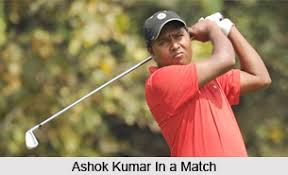
Ashok Kumar.

Rags- to- Riches story of Ashok kumar, who is a Professional Golfer of India.

Ashok Kumar, one of the country’s leading golfers who rose from the ranks of a caddie, remembers his very humble beginnings very distinctly. “The reason I am here in this swanky restaurant of the Oberoi, sipping coffee with you is because of golf. It has brought me name, fame and money and all that I could possibly ask for in life. Without golf, I am a zero ,” said the 27-year-old golfer with rare candour in a chat with Kalyan Ashok, a sports journalist working with Sportstar, one of India’s leading sports weeklies.

India’s No.3 golfer may not exactly be rolling in luxury at the moment, but he definitely leads a comfortable life-a far cry from the days when he used to sleep in a stable. “It’s destiny that brought me to this stage in life and I can’t sav that I deserve it, but it’s God’s gift to me through golf, sald Ashok. Not the one to forget his past, Ashok Kumar keeps reminding himself how he came up in life.

His story is stranger than fiction. Ashok was born into a poor family in Bihar that struggled to make both ends meet. (He has four brothers and two sisters.) In 1988, his parents sent him away with his elder brother to Delhi and he worked as an errand boy at the Jaipur Polo Club.

“I used to work in the day assisting my brother and sleep in the stable at night. The club also had the Air Force golf course and I wandered on to it one day and watched the players and caddies. I thought of becoming a caddie, but I was too young then. I did not get the job, but the club hired me a few years later,” recalls Ashok. It was then that he took to golf. He started practising in the club when no one was around. However, he was caught playing one day and was suspended from his job, as caddies were not allowed to practise golf.

“I was back to square one. Then I went away to help a lorry owner who was transporting sand. I remember the days when I had to pay five rupees to hire a blanket during winter and sleep in Connaught Place,” Ashok said wistfully.

Six months later, when things cooled down, he moved back to the Air Force golt course and became a caddie to Amit Luthra, who was India’s top golfer and an Asian Games gold medallist. “Luthra saab spoke to the club authorities and got me in,” Ashok said with gratitude writ large on his face.

Ashok learnt a lot from Luthra and one day he challenged his mentor to a play-of “I don’t know what got into my head and I told him that I will beat him, to which Luthraji said that if I did that he would waive a month’s caddie fee. We played on the road, but I lost,” Ashok smiled.

Luthra, however, was very impressed with the young man’s talent and got him enrolled at the Delhi Golf Club, which allowed caddies to play. Seizing this opportunity with both hands, Ashok went on to improve his game by leaps and bounds and in 1995, DGC selected him to play in the All India Junior tournament in Kolkata.

Image Source – google.

“I didn’t know where Kolkata was. I thought it was outside the country! I travelled in an unreserved compartment, spending most of the time sitting in the bathroom or just outside as there was no place elsewhere.” In Kolkata, he finished third and in the next two years he became the Junior Champion of the country. In 2000, he moved to the amateur ranks and two years later he became a pro, finishing his first season as India’s No.5 golf player. Riding a wave of success, Ashok held the No.1 spot in 2006 and 2008 and currently (2010) he is ranked No.3.

The moment he cherishes the most as a player is not the time when he won his first major title but when he finished 18th in the Hero Honda-DLF Tournament in 2002. It fetched him a cheque of Rs. 1 lakh. “I never looked back after that,”Ashok remarked.

In the early part of 2010, Ashok’s golfing career got a boost when the Bangalore- based business and software company, Kaseya India, run by golf enthusiast, Mr. Girish Krishnamurthy, decided to sponsor him. “I am a simple guy and with Kaseya around to take care of other things, I can concentrate better on my game now,” Ashok says with determination as well as gratitude. It is his ardent wish that all golf links in the country should support caddies, as he feels that many of them have a lot of inherent talent simply waiting to be tapped.

Ashok has modelled his game on his golfing idol, Tiger Woods. Incidentally, he had met Tiger when he was a caddie to Arjun Atwal in Bangkok a decade ago. “He hugged me when he was introduced by Atwal as a top amateur from India. I asked him for his advice, to which the legendary golfer simply said-‘don’t think of beating others, they should think of beating you,” Ashok’s eyes sparkled when he recalled his meeting with Tiger.

He faithfully follows that advice from the maestro and hopes to play with him one day. “For the moment, I eat, drink and sleep golf. There’s no distraction in my life. I relax with some music and watch CDs of Tiger Woods,” Ashok concluded.

Do You Know This Indian Professional 'GOLFER'?

Ashok Kumar.

Rags- to- Riches story of Ashok kumar, who is a Professional Golfer of India.

Ashok Kumar, one of the country’s leading golfers who rose from the ranks of a caddie, remembers his very humble beginnings very distinctly. “The reason I am here in this swanky restaurant of the Oberoi, sipping coffee with you is because of golf. It has brought me name, fame and money and all that I could possibly ask for in life. Without golf, I am a zero ,” said the 27-year-old golfer with rare candour in a chat with Kalyan Ashok, a sports journalist working with Sportstar, one of India’s leading sports weeklies.

India’s No.3 golfer may not exactly be rolling in luxury at the moment, but he definitely leads a comfortable life-a far cry from the days when he used to sleep in a stable. “It’s destiny that brought me to this stage in life and I can’t sav that I deserve it, but it’s God’s gift to me through golf, sald Ashok. Not the one to forget his past, Ashok Kumar keeps reminding himself how he came up in life.

His story is stranger than fiction. Ashok was born into a poor family in Bihar that struggled to make both ends meet. (He has four brothers and two sisters.) In 1988, his parents sent him away with his elder brother to Delhi and he worked as an errand boy at the Jaipur Polo Club.

“I used to work in the day assisting my brother and sleep in the stable at night. The club also had the Air Force golf course and I wandered on to it one day and watched the players and caddies. I thought of becoming a caddie, but I was too young then. I did not get the job, but the club hired me a few years later,” recalls Ashok. It was then that he took to golf. He started practising in the club when no one was around. However, he was caught playing one day and was suspended from his job, as caddies were not allowed to practise golf.

“I was back to square one. Then I went away to help a lorry owner who was transporting sand. I remember the days when I had to pay five rupees to hire a blanket during winter and sleep in Connaught Place,” Ashok said wistfully.

Six months later, when things cooled down, he moved back to the Air Force golt course and became a caddie to Amit Luthra, who was India’s top golfer and an Asian Games gold medallist. “Luthra saab spoke to the club authorities and got me in,” Ashok said with gratitude writ large on his face.

Ashok learnt a lot from Luthra and one day he challenged his mentor to a play-of “I don’t know what got into my head and I told him that I will beat him, to which Luthraji said that if I did that he would waive a month’s caddie fee. We played on the road, but I lost,” Ashok smiled.

Luthra, however, was very impressed with the young man’s talent and got him enrolled at the Delhi Golf Club, which allowed caddies to play. Seizing this opportunity with both hands, Ashok went on to improve his game by leaps and bounds and in 1995, DGC selected him to play in the All India Junior tournament in Kolkata.

Image Source – google.

“I didn’t know where Kolkata was. I thought it was outside the country! I travelled in an unreserved compartment, spending most of the time sitting in the bathroom or just outside as there was no place elsewhere.” In Kolkata, he finished third and in the next two years he became the Junior Champion of the country. In 2000, he moved to the amateur ranks and two years later he became a pro, finishing his first season as India’s No.5 golf player. Riding a wave of success, Ashok held the No.1 spot in 2006 and 2008 and currently (2010) he is ranked No.3.

The moment he cherishes the most as a player is not the time when he won his first major title but when he finished 18th in the Hero Honda-DLF Tournament in 2002. It fetched him a cheque of Rs. 1 lakh. “I never looked back after that,”Ashok remarked.

In the early part of 2010, Ashok’s golfing career got a boost when the Bangalore- based business and software company, Kaseya India, run by golf enthusiast, Mr. Girish Krishnamurthy, decided to sponsor him. “I am a simple guy and with Kaseya around to take care of other things, I can concentrate better on my game now,” Ashok says with determination as well as gratitude. It is his ardent wish that all golf links in the country should support caddies, as he feels that many of them have a lot of inherent talent simply waiting to be tapped.

Ashok has modelled his game on his golfing idol, Tiger Woods. Incidentally, he had met Tiger when he was a caddie to Arjun Atwal in Bangkok a decade ago. “He hugged me when he was introduced by Atwal as a top amateur from India. I asked him for his advice, to which the legendary golfer simply said-‘don’t think of beating others, they should think of beating you,” Ashok’s eyes sparkled when he recalled his meeting with Tiger.

He faithfully follows that advice from the maestro and hopes to play with him one day. “For the moment, I eat, drink and sleep golf. There’s no distraction in my life. I relax with some music and watch CDs of Tiger Woods,” Ashok concluded.

What is the Biography of Mahatma Gandhi?

I would like to ask you some questions first. What happened in the life of Mahatma Gandhi? How many struggles did he face? How did he passed away? Do you know the answer to all this? We are going to read the answers in this article. Let’s start reading the article.

In this we will see in detail about Mahatma Gandhi who was born as a human being and transformed himself into a ‘Great Man’ in accordance with the words in Tirukkural ” If man you walk the stage, appear adorned with glory’s grace. “

Gandhi’s birth and adolescence 

Gandhi was born on October 2, 1869 in Porbandar, Gujarat. His father’s name was Karamchand Gandhi and his mother’s name was Putlibai. He learned to pay divine feeling and love to his mother. He later earned his title of barrister in England. At the age of 12, he married Kasturba. But then at the age of 19 he went to study barrister.

Gandhi’s mental strength and self-awareness

Anything born as an organism has a kind of mental strength and self-awareness. Time can put it off if desired. Thus many events took place in the life of Gandhiji. He worked as a lawyer in South Africa from 1893 to 1914. He was heartbroken to see that there were racist policies against Indians in British-dominated South Africa. Gandhi was once denied that he could not be given the opportunity to get a ticket to travel in a first class compartment while traveling by train. He was not allowed to sit in the train on another trip when he was so thoughtful about it. But he struggled and eventually sat down with the driver and traveled. When the driver asked him to get off, he refused.

The struggles waged by Gandhiji


He started a “Civil disobedience movement” against the British there because of the many atrocities he witnessed while in South Africa. Gandhi returned to India after 1914 and took the field in the Indian independence struggle. After the demise of Bal Gangadhar Tilak, he assumed the responsibility of leading the Indian freedom fighters. But unlike Tilak, he did not follow extremist methods but followed a non-violent system called moderation. He also accepted Gopal Krishna Gokhale as his guru for his struggle. 

He opposed the laws of England by using the Rowlatt Act in an oral way. He spoke out against not only the British but also the atrocities such as sectarianism, untouchability and feminism that had plagued the Indians at the same time. 

He wore Khadar clothes to support the Swadeshi movement. On March 12, 1930, he launched the Non-Cooperation Movement against the British. On April 6 of the same year he staged a salt satyagraha with 2500 volunteers against the tax on salt. In 1942, he launched the ‘Quit India Movement’ movement.

Victories achieved by struggles

He started the ‘Civil Disobedience Movement’ against the South Africans. So got the rights for Indians in South Africa. August 15, 1947 was declared our Independence Day because of the determination of the British Government to liberate India as a way of fighting ‘Without a knife and without blood’. 

On January 30, 1948, one of us, ‘Godse’, shot and killed our Gandhiji, who loved the Indian nation and people very much and lived for us. Gandhiji even forgave the one who shot himself. One cannot talk about Gandhiji who lost all his body, substance and spirit for others by proving that man can become Mahatma through his activities. But we must try, that we may live in his way. This is the duty we owe him.

CIVIC SENSE

However, humans are born with 6 sense but none are born with civic sense. Callousness and irresponsibility seem to be the order of the day. Its high time that we inculcate strong civic sense in your young generation.

CIVIC simply means social ethics. It reflects personality and responsibility of an individual and shows who the real person is. It is consideration by the people for the unspoken norms of society. Its not only about keeping roads or streets clean. Its more than that. It is abiding with the laws, respecting fellow human being and also maintaining a sort of decorum in the public.

But unfortunately, these days we lack basic civic sense. Modern lifestyle has given birth to different and uncivilized individuals who lack the basic moral behavior. The society is no longer etched with the goodness of people instead people are driven with their own selfishness and individual needs.

WHY CIVIC SENSE IS IMPORTANT?

If basic civic sense is absent in the society it leads to a lot of problems and to avoid these problems civic sense is necessary. It is important because people with high civic sense does not resort to unethical tactics and shortcuts. Civic sense leads to a more cleaner and fresh environment and also results in a high hygienic society. Civic sense leads you to be more social, mature and unbiased when it comes to situations in public.

LACK OF CIVIC SENSE LEADS TO?

Why is there a sense of detachment from the society? Why a person is always self centered? What are the factors that causes Separatism, vandalism, intolerance and racism? Why are people less tolerant now a days? The answer to all these questions are simple and its due to LACK OF CIVIC SENSE.

INCULCATE CIVIC SENSE:

Its high time that we inculcate civic sense. We can do so by inculcating young minds about the importance of civil sense at a very young age. Civic education should be made mandatory in school. One can also spread awareness about civic sense through rallies, educational programs, medias etc. Strict laws must be enforced. Penalties and stricter punishment’s should be considered if violated.

All these adds up to the society. If all these are followed properly and if people get to know the importance of civic sense then society will be a better place to live.

CIVIC SENSE

However, humans are born with 6 sense but none are born with civic sense. Callousness and irresponsibility seem to be the order of the day. Its high time that we inculcate strong civic sense in your young generation.

CIVIC simply means social ethics. It reflects personality and responsibility of an individual and shows who the real person is. It is consideration by the people for the unspoken norms of society. Its not only about keeping roads or streets clean. Its more than that. It is abiding with the laws, respecting fellow human being and also maintaining a sort of decorum in the public.

But unfortunately, these days we lack basic civic sense. Modern lifestyle has given birth to different and uncivilized individuals who lack the basic moral behavior. The society is no longer etched with the goodness of people instead people are driven with their own selfishness and individual needs.

WHY CIVIC SENSE IS IMPORTANT?

If basic civic sense is absent in the society it leads to a lot of problems and to avoid these problems civic sense is necessary. It is important because people with high civic sense does not resort to unethical tactics and shortcuts. Civic sense leads to a more cleaner and fresh environment and also results in a high hygienic society. Civic sense leads you to be more social, mature and unbiased when it comes to situations in public.

LACK OF CIVIC SENSE LEADS TO?

Why is there a sense of detachment from the society? Why a person is always self centered? What are the factors that causes Separatism, vandalism, intolerance and racism? Why are people less tolerant now a days? The answer to all these questions are simple and its due to LACK OF CIVIC SENSE.

INCULCATE CIVIC SENSE:

Its high time that we inculcate civic sense. We can do so by inculcating young minds about the importance of civil sense at a very young age. Civic education should be made mandatory in school. One can also spread awareness about civic sense through rallies, educational programs, medias etc. Strict laws must be enforced. Penalties and stricter punishment’s should be considered if violated.

All these adds up to the society. If all these are followed properly and if people get to know the importance of civic sense then society will be a better place to live.

THE LUXIRIOUS LOTUS SILK

Lotus silk is one of the world’s most exquisite and rare fabrics, made exclusively in Myanmar, Cambodia, Vietnam, and parts of Manipur. Lotus silk can ultimately cost ten times as much as regular silk.       

LOTUS SILK possesses incredible features such as lightweight, soft-touch, breathability, Crease-resistant, pilling resistance, tear-resistant, Cellulosic fibre, stiffness, neatness, moisture absorption, Antibacterial, Self-cleaning and tensile strength. The stems of lotus flowers are used to produce this silk thread. As a result, this fibre is free of animal cruelty.

Vietnamese weaver, Phan Thi Thuan checking the quality of natural raw material from a lotus stem to be processed into silk, at a pond in Hanoi.

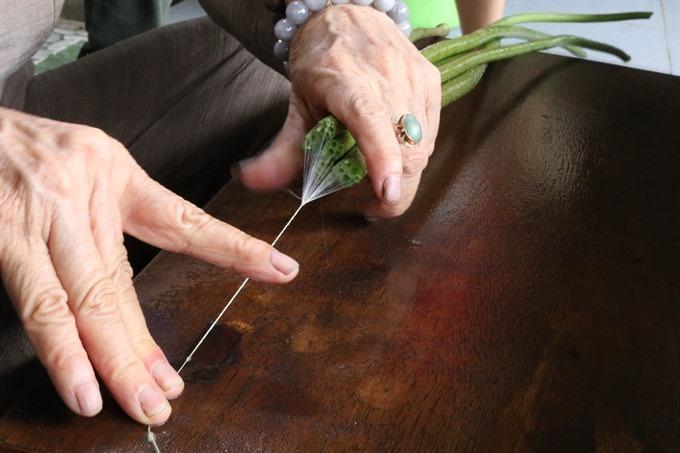
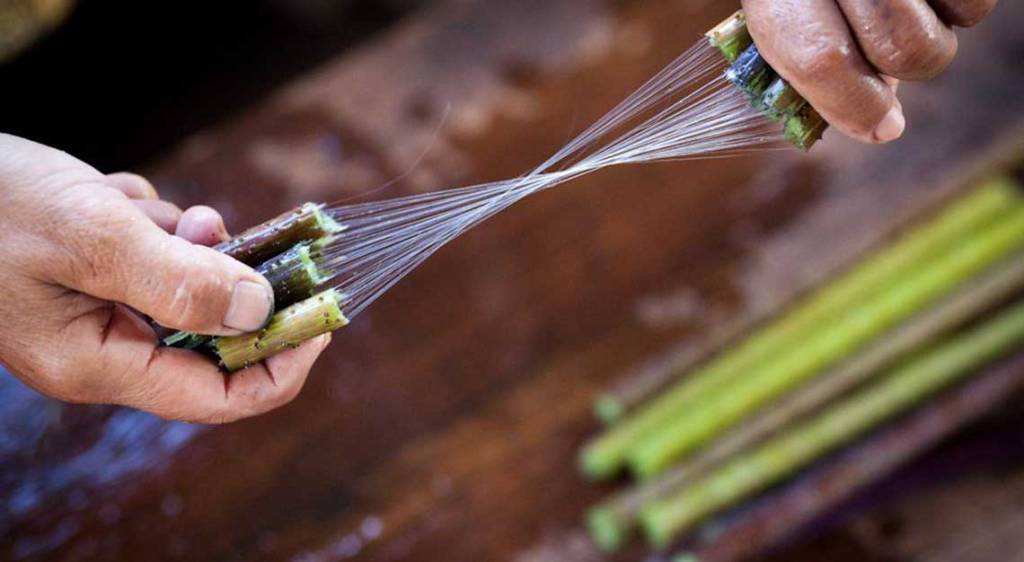
Lotus stems first cut in small portions. A single lotus stem contains a tiny quantity of fine, sticky fibre which is twirled and pulled to reveal a web of thin filaments. The filament is placed on a wooden surface and kept damp by intermittent water splashes. The artisan rolls the wet fibre together to create a denser and stronger thread as the practice occurs with new stems. A new length is welded on to the last to form a continuous thread. dried off together.

To preclude fibre degradation the lotus fabric must be woven in 24 hours. These parched yarns would then be weighed carefully, skillfully hand-crafted, and put into the loom at last. The natural fibre is delicate at this stage but, it can be just as workable as traditional silk once woven.

Lotus fibre is manufactured entirely by hand and is only obtained by a few skilled craftsmen worldwide.  It also takes a lot of time. To extract one kilogram of fibre, it can take up to two months. In addition, only a minuscule amount of fabric can be produced.

STEP 1- Gathering

Lotus plant stems for the production of fibre are collected from the lake. The lotus flower is ideally expected to flower in full when the stem is collected. the deep pink flowers make the best lotus fibres.

Step 2- Extraction of lotus fibre

5-6 Lotus plant stems are gleaned with a shallow knife, sliced, tore and contorted to reveal 20-30 fine white filaments of fibre. These stalks are cut with a low cube and the 5-6 stalks are simultaneously snapped, revealing 20-30 fine white fibre filaments.

Step 3- Yarn production process

Prepared skeins are placed on the bamboo spinning frame and then relocated to winders for the warping phase. Yarn is coiled in plastic bags to mitigate tangling. The weft yarn is wound on bamboo bobbins. Crude lotus threads are a creamy colour, and coloration is usually done with natural dyes.

Step 4 – weaving

To weave the material in an outfit, strands of 120,000 lotus stalks are required. In a single day, a spinner can produce a thread of up to 250 metres. Around 30 kg of stems is required to produce 250 metres of thread. A skilled weaver could weave one metres of lotus fabric daily.

THE LUXIRIOUS LOTUS SILK

Lotus silk is one of the world’s most exquisite and rare fabrics, made exclusively in Myanmar, Cambodia, Vietnam, and parts of Manipur. Lotus silk can ultimately cost ten times as much as regular silk.       

LOTUS SILK possesses incredible features such as lightweight, soft-touch, breathability, Crease-resistant, pilling resistance, tear-resistant, Cellulosic fibre, stiffness, neatness, moisture absorption, Antibacterial, Self-cleaning and tensile strength. The stems of lotus flowers are used to produce this silk thread. As a result, this fibre is free of animal cruelty.

Vietnamese weaver, Phan Thi Thuan checking the quality of natural raw material from a lotus stem to be processed into silk, at a pond in Hanoi.

Lotus stems first cut in small portions. A single lotus stem contains a tiny quantity of fine, sticky fibre which is twirled and pulled to reveal a web of thin filaments. The filament is placed on a wooden surface and kept damp by intermittent water splashes. The artisan rolls the wet fibre together to create a denser and stronger thread as the practice occurs with new stems. A new length is welded on to the last to form a continuous thread. dried off together.

To preclude fibre degradation the lotus fabric must be woven in 24 hours. These parched yarns would then be weighed carefully, skillfully hand-crafted, and put into the loom at last. The natural fibre is delicate at this stage but, it can be just as workable as traditional silk once woven.

Lotus fibre is manufactured entirely by hand and is only obtained by a few skilled craftsmen worldwide.  It also takes a lot of time. To extract one kilogram of fibre, it can take up to two months. In addition, only a minuscule amount of fabric can be produced.

STEP 1- Gathering

Lotus plant stems for the production of fibre are collected from the lake. The lotus flower is ideally expected to flower in full when the stem is collected. the deep pink flowers make the best lotus fibres.

Step 2- Extraction of lotus fibre

5-6 Lotus plant stems are gleaned with a shallow knife, sliced, tore and contorted to reveal 20-30 fine white filaments of fibre. These stalks are cut with a low cube and the 5-6 stalks are simultaneously snapped, revealing 20-30 fine white fibre filaments.

Step 3- Yarn production process

Prepared skeins are placed on the bamboo spinning frame and then relocated to winders for the warping phase. Yarn is coiled in plastic bags to mitigate tangling. The weft yarn is wound on bamboo bobbins. Crude lotus threads are a creamy colour, and coloration is usually done with natural dyes.

Step 4 – weaving

To weave the material in an outfit, strands of 120,000 lotus stalks are required. In a single day, a spinner can produce a thread of up to 250 metres. Around 30 kg of stems is required to produce 250 metres of thread. A skilled weaver could weave one metres of lotus fabric daily.

Alcohol Addiction in Teenagers

ALCOHOL ADDICTION IN TEENAGERS


This topic is an essential part of the present society and touches almost all sections of the society, including parents, teenagers, school administrations, and churches. There has been a notable increase in the level of moral decadence especially among the young generation. This has been as a result of the lack of sufficient parenting techniques and inadequate monitoring of the movements of teenage children, both at schools and home. This paper examines the current situation of alcohol addiction among teenagers, the factors that facilitate early exposure and addiction to alcohol. It also takes a look at the efforts that various institutions are making to control the situation, and the challenges that hinder the effective control of the social vice (Biddulph, 2003).

One can define addiction to alcohol as a continuous urge and desire to consume alcoholic drinks at all times of the day. An addict is an individual who cannot survive without the commodity, to which he has an addiction. On several occasions, the individual will experience certain side effects as a result of not consuming the commodity or service. For example, an individual who has an alcohol addiction is likely to suffer from anxiety and restlessness if he or she does not take alcohol regularly. Addiction to alcohol manifests itself in different ways, depending on the body set up of the individual suffering from the addiction. Alcohol remains to be the most abused drug among teenagers in most countries, notably, in the United States. According to recent findings, approximately a half of the junior and senior high school students consume alcoholic drinks on a monthly basis. In addition, approximately 14 percent of teens in the USA have been under intoxication at least once in the past year. The most alarming trend that is arising is that these teens drink a wide variety of the alcoholic drinks, which increases the damage on their health. Other specialists have defined alcohol addiction as the negative pattern of alcohol use that leads to several health problems. Some of the problems include the urge for additional alcohol to experience intoxication, difficulties that occur when the impacts of the alcohol wears off from the individual, and other social problems that come as a result of consuming alcohol (Castillo, 2009).

Causes and Risk Factors of Alcohol Addiction among Teenagers

There are certain elements that encourage the progress of an alcoholic behavior among teenagers. Most of these factors usually comprise of family factors that occur in the homes of these teenagers. First, low levels of supervision and communication from the parents to teenage children is likely to foster a drinking habit in a teenager. Children in the teenage years are in a period of experimentation, and it is at this time that they need adequate attention from the parents. When parents fail to stay close to their children at this stage in life, there is a tendency that these children may fall victims of peer pressure, and start consuming alcohol (Essau, 2002).

Family conflicts also contribute massively towards alcohol addiction among the teens. Young children are not proficient at dealing with problems in their families. The most notable family conflict in families is that of marital misunderstandings between the mother and father. Teenagers tend to keep their minds off the misunderstandings between parents by consuming drugs, mostly alcohol. Persistent conflicts in the family will lead to the development of the drinking habit in such a young person, leading to addictiocauen (Monti, 2012).

Family History of Alcohol Addiction

Some teenagers tend to drink alcohol because some members of the family were heavy drinkers. This is most common in a situation where these past family drinkers were successful in life at some point. Thus, a teenager will look at alcohol as a positive effect on someone’s potential and success. This continued exposure to alcohol will eventually lead to addiction at a tender age.

Exposure to alcohol at a tender teen age is likely to lead to heavy alcoholism in the later years of an individual. For instance, teens that start drinking at an age of 14 to 16 years have a high tendency of suffering from alcoholism during their maturity age (Stewart, 2009).


<

p style=”background-color: white;color: #444d7d;font-family: arial, helvetica, sans-serif;font-size: 14px;margin: 0px 0px 10px;text-align: justify”>

WATER CYCLE

Water cycle or hydrological cycle is the continuous movement of water on earth. In this process, water moves from one reservoir to another by processes such as evaporation, sublimation, transpiration, condensation, precipitation, surface runoff and infiltration, during which water converts itself to various forms like liquid, solid and vapour.

Evaporation

Evaporation is a type of vaporization, where liquid is converted to gas before reaching its boiling point. Water evaporates from the surface of the earth and water bodies such as the oceans, seas, lakes, ponds and rivers.

Sublimation

Sublimation is conversion of solid to gas, without passing through the intermediate liquid phase. Ice sheets and ice caps from north and south poles, and icecaps on mountains, get converted into water vapour directly, without converting into liquid.

Transpiration

Transpiration is the process by which plants release water vapour into the atmosphere through stomata in leaves and stems.

Condensation

Condensation is the changing of gas phase into liquid phase and is the reverse of vaporisation. At higher altitudes, the temperature is low. The water vapour present there condenses to form very tiny particles of water droplets. These particles come close together to form clouds and fog.

Precipitation

Due to change in wind or temperature, clouds combine to make bigger droplets, and pour down as precipitation (rain). Precipitation includes drizzle, rain, snow and hail.

Run off

As the water pours down, it runs over the surface of earth. Runoff water combines to form channels, rivers, lakes and ends up into seas and oceans.

Infiltration

Some of the precipitated water moves deep into the soil. Then it moves down and increase the ground water level.

Percolation

Some of the precipitated water flows through soil and porous or fractured rock.

Infiltration and percolation are two related but different processes describing the movement of water through soil.

Human impacts on water cycle

Major human activities affecting the water cycle on land are urbanisation, dumping of plastic waste on land and into water, polluting water bodies and deforestation.

WATER CYCLE

Water cycle or hydrological cycle is the continuous movement of water on earth. In this process, water moves from one reservoir to another by processes such as evaporation, sublimation, transpiration, condensation, precipitation, surface runoff and infiltration, during which water converts itself to various forms like liquid, solid and vapour.

Evaporation

Evaporation is a type of vaporization, where liquid is converted to gas before reaching its boiling point. Water evaporates from the surface of the earth and water bodies such as the oceans, seas, lakes, ponds and rivers.

Sublimation

Sublimation is conversion of solid to gas, without passing through the intermediate liquid phase. Ice sheets and ice caps from north and south poles, and icecaps on mountains, get converted into water vapour directly, without converting into liquid.

Transpiration

Transpiration is the process by which plants release water vapour into the atmosphere through stomata in leaves and stems.

Condensation

Condensation is the changing of gas phase into liquid phase and is the reverse of vaporisation. At higher altitudes, the temperature is low. The water vapour present there condenses to form very tiny particles of water droplets. These particles come close together to form clouds and fog.

Precipitation

Due to change in wind or temperature, clouds combine to make bigger droplets, and pour down as precipitation (rain). Precipitation includes drizzle, rain, snow and hail.

Run off

As the water pours down, it runs over the surface of earth. Runoff water combines to form channels, rivers, lakes and ends up into seas and oceans.

Infiltration

Some of the precipitated water moves deep into the soil. Then it moves down and increase the ground water level.

Percolation

Some of the precipitated water flows through soil and porous or fractured rock.

Infiltration and percolation are two related but different processes describing the movement of water through soil.

Human impacts on water cycle

Major human activities affecting the water cycle on land are urbanisation, dumping of plastic waste on land and into water, polluting water bodies and deforestation.