Social media’s co-relateion with anxiety.

Individuals utilize online media with fluctuating amount, enthusiastic, and social attachment that might have differential relationship with mental wellbeing results. In this examination, we tried to distinguish unmistakable examples of web-based media use (SMU) and to survey relationship between those examples and despondency and nervousness indications.

In October 2014, a broadly agent test of 1730 US grown-ups ages 19 to 32 finished an online overview. Group examination was utilized to distinguish examples of SMU. Discouragement and uneasiness were estimated utilizing individual 4-thing Patient-Reported Outcome Measurement Information System (PROMIS) scales. Multivariable calculated relapse models were utilized to survey relationship between bunch enrollment and sorrow and anxiety.The online media stage Instagram stood out as truly newsworthy last year for stifling preferences with an end goal to check the examinations and hurt sentiments related with joining prevalence to sharing substance. However, do these endeavors battle mental medical problems, or would they say they are just applying a bandage to an injury?

It’s a little positive development, an analyst at McLean Hospital who works with youth who experience uneasiness problems, about Instagram’s new limitation. “Regardless of whether you eliminate the preferences, there keep on being openings for examinations and input. Individuals actually can contrast themselves with others, individuals actually can post comments.”

To help confidence and feel a feeling of having a place in their groups of friends, individuals post substance with the expectation of getting good criticism. Couple that happy with the design of possible potential compensation, and you get a formula for continually checking stages.

While assessing others’ social movement, individuals will in general make correlations, for example, “Did I get however many preferences as another person?,” or “For what reason didn’t this individual like my post, yet this other individual did?” They’re looking for approval on the web that fills in as a replacement for significant association they may somehow make, all things considered.

FOMO—dread of passing up a major opportunity—likewise assumes a part. In the event that every other person is utilizing online media locales, and in the event that somebody doesn’t participate, there’s anxiety that they’ll miss jokes, associations, or solicitations. Missing encounters can make uneasiness and sorrow. At the point when individuals look on the web and see they’re avoided from a movement, it can influence contemplations and sentiments, and can influence them truly.

A 2018 British examination tied web-based media use to diminished, upset, and deferred rest, which is related with wretchedness, cognitive decline, and helpless scholastic execution. Web-based media use can influence clients’ actual wellbeing much more straightforwardly. Analysts know the association between the brain and the gut can transform uneasiness and misery into queasiness, cerebral pains, muscle pressure, and quakes.

Social media's co-relateion with anxiety.

Individuals utilize online media with fluctuating amount, enthusiastic, and social attachment that might have differential relationship with mental wellbeing results. In this examination, we tried to distinguish unmistakable examples of web-based media use (SMU) and to survey relationship between those examples and despondency and nervousness indications.

In October 2014, a broadly agent test of 1730 US grown-ups ages 19 to 32 finished an online overview. Group examination was utilized to distinguish examples of SMU. Discouragement and uneasiness were estimated utilizing individual 4-thing Patient-Reported Outcome Measurement Information System (PROMIS) scales. Multivariable calculated relapse models were utilized to survey relationship between bunch enrollment and sorrow and anxiety.The online media stage Instagram stood out as truly newsworthy last year for stifling preferences with an end goal to check the examinations and hurt sentiments related with joining prevalence to sharing substance. However, do these endeavors battle mental medical problems, or would they say they are just applying a bandage to an injury?

It’s a little positive development, an analyst at McLean Hospital who works with youth who experience uneasiness problems, about Instagram’s new limitation. “Regardless of whether you eliminate the preferences, there keep on being openings for examinations and input. Individuals actually can contrast themselves with others, individuals actually can post comments.”

To help confidence and feel a feeling of having a place in their groups of friends, individuals post substance with the expectation of getting good criticism. Couple that happy with the design of possible potential compensation, and you get a formula for continually checking stages.

While assessing others’ social movement, individuals will in general make correlations, for example, “Did I get however many preferences as another person?,” or “For what reason didn’t this individual like my post, yet this other individual did?” They’re looking for approval on the web that fills in as a replacement for significant association they may somehow make, all things considered.

FOMO—dread of passing up a major opportunity—likewise assumes a part. In the event that every other person is utilizing online media locales, and in the event that somebody doesn’t participate, there’s anxiety that they’ll miss jokes, associations, or solicitations. Missing encounters can make uneasiness and sorrow. At the point when individuals look on the web and see they’re avoided from a movement, it can influence contemplations and sentiments, and can influence them truly.

A 2018 British examination tied web-based media use to diminished, upset, and deferred rest, which is related with wretchedness, cognitive decline, and helpless scholastic execution. Web-based media use can influence clients’ actual wellbeing much more straightforwardly. Analysts know the association between the brain and the gut can transform uneasiness and misery into queasiness, cerebral pains, muscle pressure, and quakes.

KARGIL WAR

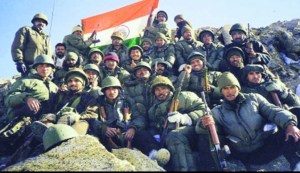
Kargil war was a very difficult time that our country went through. Furthermore, it was a crisis situation that ensued a feeling of nationalism, patriotism, and unity among every Indian. Kashmir is a beautiful region that resides in an extremely mountainous area, containing some of the highest peaks in the world. Unfortunately, this amazing land has remained a constant battleground between the two countries of India and Pakistan.

The dispute began from the First Kargil War in 1947-1948 which led to the establishment of the LOC, line of control. The LOC still divides the land of Kashmir between India and Pakistan. As part of the Simla Agreement in 1972, there was an agreement that neither India nor Pakistan would contest the border by making use of military means. Since the agreement, both countries began guarding the border heavily for the majority of the year. During the exceedingly cold winter months, both the Indian and Pakistani guards abandon their posts, only to return back in the spring.

However, during the winter of 1998-1999, a surprise attack took place from the Pakistan army and it became successful in crossing the LOC and into India’s portion of Kashmir. Moreover, slowly and gradually, they went on capturing one Indian outpost after another and held their position in Kargil.

In February 1999, at the same time as the winter invasion, the Lahore Declaration was being signed between India and Pakistan which was based on peace. After a few months, the Kargil war began between the two countries. Furthermore, a series of bloody battles were fought between the two nations of India and Pakistan.

The battles posed a huge challenge for the Indian forces as they had to fight on difficult mountainous terrain. In spite of this challenge, the Indian soldiers showed amazing bravery. After a long struggle, the Indian army became successful in pushing back the Pakistani forces across the line of control.

RISE OF NATIONALISM

By July 14, 1999, there were heavy causalities on both sides. However, the sacrifice of Indian soldiers was not in vain. This great struggle of the Indian army has carved a place in the heart of every Indian.

The entire Kargil war was a time of tension and nervousness for the Indian people. It infused the spirit of national pride in every Indian. Most noteworthy, it served as an opportunity of unifying all the Indians together irrespective of caste, colour, religion, language etc.

CONCLUSION

The Kargil war has become an unforgettable event in the history of India. Nevertheless, this was an event that brought about feelings of patriotism in the hearts of every Indian like never before. The brave struggle of the Indian soldiers will continue to be an inspiration for all the citizens of this country

KARGIL WAR

Kargil war was a very difficult time that our country went through. Furthermore, it was a crisis situation that ensued a feeling of nationalism, patriotism, and unity among every Indian. Kashmir is a beautiful region that resides in an extremely mountainous area, containing some of the highest peaks in the world. Unfortunately, this amazing land has remained a constant battleground between the two countries of India and Pakistan.

The dispute began from the First Kargil War in 1947-1948 which led to the establishment of the LOC, line of control. The LOC still divides the land of Kashmir between India and Pakistan. As part of the Simla Agreement in 1972, there was an agreement that neither India nor Pakistan would contest the border by making use of military means. Since the agreement, both countries began guarding the border heavily for the majority of the year. During the exceedingly cold winter months, both the Indian and Pakistani guards abandon their posts, only to return back in the spring.

However, during the winter of 1998-1999, a surprise attack took place from the Pakistan army and it became successful in crossing the LOC and into India’s portion of Kashmir. Moreover, slowly and gradually, they went on capturing one Indian outpost after another and held their position in Kargil.

In February 1999, at the same time as the winter invasion, the Lahore Declaration was being signed between India and Pakistan which was based on peace. After a few months, the Kargil war began between the two countries. Furthermore, a series of bloody battles were fought between the two nations of India and Pakistan.

The battles posed a huge challenge for the Indian forces as they had to fight on difficult mountainous terrain. In spite of this challenge, the Indian soldiers showed amazing bravery. After a long struggle, the Indian army became successful in pushing back the Pakistani forces across the line of control.

RISE OF NATIONALISM

By July 14, 1999, there were heavy causalities on both sides. However, the sacrifice of Indian soldiers was not in vain. This great struggle of the Indian army has carved a place in the heart of every Indian.

The entire Kargil war was a time of tension and nervousness for the Indian people. It infused the spirit of national pride in every Indian. Most noteworthy, it served as an opportunity of unifying all the Indians together irrespective of caste, colour, religion, language etc.

CONCLUSION

The Kargil war has become an unforgettable event in the history of India. Nevertheless, this was an event that brought about feelings of patriotism in the hearts of every Indian like never before. The brave struggle of the Indian soldiers will continue to be an inspiration for all the citizens of this country

PARTNERSHIP ACT

INTRODUCTION

The Indian Partnership Act, 1932 came into effect on the 1st day of October 1932 and was passed in 1931. This Act replaces the previous Indian Contract Act, Chapter XI, 1872.

It’s not comprehensive legislation. It is aimed at defining and amending the law of partnership. A partnership arises from a contract and thus the partnership agreement is not only governed by the provisions of The Indian Partnership Act, 1932 in that context, but also by general contract law in cases where no specific provision is made under The Indian Partnership Act, 1932. The Indian Partnership Act, 1932 expressly provides that unrepealed provisions of the Indian Contract Act, 1872, remain in force except in cases where it is inconsistent with express provisions under this Act. The provisions of the Indian Contract Act also apply for a partnership contract, hence the provisions on offer and acceptance, consideration, free agreement, legality, etc. On the other hand, the minor’s position is governed by the provisions of The Indian Partnership Act, 1932, a special provision is contained in Section 30 of the Indian Partnership Act, 1932.

SCOPE OF THE INDIAN PARTNERSHIP ACT

 the scope of a partnership is primarily a matter of partners’ intentions. The application of the powers it chooses to exercise at any time is not restricted except prohibition on illegal, immoral or fraudulent behavior that applies equally to individuals.

  1. If consent is given by the constituent company’s partners, a partner may itself be a member of another company.
  2. If the contract appears to be authorized or ratified by all partners, there usually is no further question as to its validity.

The cases where the partnership contract validity issue arises is where one partner made the contract without specific authority from his co-partners. Their implicit scope of partnerships may be divided into non-trading and commercial classes. Partners of either type can exercise certain powers in partnership. A partner can thus retain a lawyer to safeguard the interests of the company.

ESSENTIAL ELEMENTS OF PARTNERSHIP ACT

he essential elements of a partnership are the features that must be present to validate a partnership:

  • Association of two or more persons

To form a partnership, there must be at least two people. All partners must be contractually competent. Therefore, the company is said to be dissolved if the number of partners in a company is reduced to one.

There are no limitations on the maximum number of companies in The Indian Partnership Act, 1932. Nevertheless, the Indian Companies Act 2013 establishes a limit on the number of  partners in a company as follows:

  • For banking business, partners must be less than equal to 10.
  • For any other enterprise, partners must be less than equal to 20.
  • The partnership becomes illegal if the number of partners exceeds the limit.
  • Agreement among the Partners

Section 5 of The Indian Partnership Act, 1932 states that “The partnership does not arise from the status of the law or the operation of the law but is the result of the agreement”.

The partnership is established by an agreement between two or several persons, i.e. a partnership agreement. An agreement may be either express (oral or written) or implied. Therefore, a partnership does not exist by status but by agreement. Rights and Duties of partners are defined as per agreement.

  • Existence of Business Activity

The business has to be ongoing and legally binding. The partnership’s main motto is to operate and make profits. Partnerships are therefore not considered for people who work together for social or charitable work.

  • Sharing of Profits

The main goal of a company is to earn a profit. These profits are shared in a pre-decided ratio among the partners.

If a person is not entitled to share income, he cannot be called a partner. But a partner is not liable according to an agreement to share the losses.

  • Mutual Agency

Relations with a mutual agency means that all or any partner must conduct a company’s business. A partner is an agent of the other partner and can thus bind another partner through his act. A partner is also principally responsible for the actions of the other partners of the company

  Types of partnership

  • Partnership at Will

If there is no clause to establish a partnership at the expiry of such a partnership, it is referred to as a partnership at will. In accordance with Section 7 of The Indian Partnership Act, 1932, two conditions have to be met for a partnership to be a partnership at will and they are:

  • There is no agreement on a fixed period for the existence of a partnership.
  • No provision is made for establishing a partnership.

If a partnership has been established and continues to operate beyond the fixed period, the partnership will become a partnership at will after the end of that term.

  • Particular Partnership

A partnership can be formed for ongoing business or for a particular purpose. If the partnership is only formed to carry out one company or complete one undertaking, it is known as a particular partnership.

The partnership will be dissolved after the completion of the said venture or activity. The partners may, however, come to an agreement to continue the said partnership. But in the absence of this, when the task is complete, the partnership ends.

  • Partnership for a Fixed Term

Now, during the establishment of a partnership, the partners may agree on the duration of this arrangement. This would mean that the partnership was established for a fixed period of time.

Therefore, such a partnership will not be called a partnership at will, it will be a partnership for a fixed term. The partnership ends after the expiration of such a duration.

However, there may be cases where the partners continue their business even after the expiry of the duration. They continue to share profits and there is a component of a mutual agency. Then in such a case, the partnership will be at will.

  • General Partnership

When the purpose of forming the partnership is to carry out the business in general, it is said to be a general partnership.

Unlike a particular partnership, in a general partnership, the scope of the business to be carried out is not defined, so all the partners are accountable for all the actions of the partnership.

NATURE OF PARTNERSHIP

When two or more people join hands to set up an enterprise and share its gains and losses, they are said to be in partnership. Section 4 of the Indian Partnership Act 1932 states partnership as the ‘association between people who have consented to share the profits of an enterprise carried on by all or any of them acting for all’.

People who have entered into a partnership with one another are independently termed as ‘partners’ and comprehensively termed as ‘firm’. The name under which the trade is carried is called the ‘name of the firm’. A partnership enterprise has no distinct legal entity, apart from the partners comprising it. Hence, the vital features of the partnership are:

  • Two or More Persons: In order to manifest a partnership, there should be at least two persons possessing a common goal. To put it in other words, the minimal number of partners in an enterprise can be 2. However, there is a constraint on their maximum number of people. By the uprightness of Section 464 of the Companies Act 2013, the Central Government is authorised to stipulate a maximum number of partners in an enterprise; however, the number of partners cannot exceed 100. The Central government has stipulated the maximum number of partners in an enterprise to be 50, under Rule 10 of the Companies (Miscellaneous) Rules, 2014. Hence, a partnership enterprise cannot have more than 50 people (partners)
  • Agreement: It is the outcome of an accord between 2 or more people to regulate business and share its gains and losses. The agreement (accord) becomes the basis of the association between the partners. Such an agreement is in the written form. An oral agreement is evenhandedly legitimate. In order to avoid controversies, it is always good if  the partners have a copy of the written agreement.
  • Sharing of Profit: Another significant component of the partnership is, the accord between partners has to share gains and losses of a trading concern. However, the definition held in the Partnership Act elucidates – partnership as an association between people who have consented to share the gains of a business, the sharing of loss is implicit. Hence, sharing of gains and losses is vital.


Drip Irrigation System

Micro Irrigation has gained attention during recent years because of its potential to increase yields and decrease water , fertilizer and labour requirements if managed properly.

Principal characteristics distinguishing the micro Irrigation with other pressurized technologies are:

  • Low flow rate
  • Localized , partial wetting of the soil volume
  • Frequent water application due to the limited wetted volume
  • Low operating pressure ,compared to sprinkler irrigation

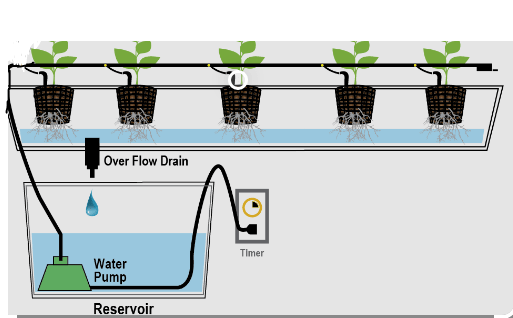
Drip Irrigation involves technology for irrigating plants at the root zone through emitters fitted on a network of pipes( mains ,sub-mains and laterals). The emitting devices could be drippers ,micro sprinklers, mini sprinklers ,micro jets, misters ,fan jets, micro sprayers, foggers and emitting pipes, which are designed upon specific requirements , which may vary from crop to crop . Water requirement, age of plant spacing ,soil type , water quality and availability are some of the factors which would decide the choice of the emitting system .

In cases where the water sources is an open well or tubewell / borewell , then for assessment of water availability and pumping power requirement it is necessary to compute the following:

  • Depth of the water table
  • Discharge of the well
  • Total pumping level
  1. The depth of water level below the ground level, before pumping begins ,is the depth of the water table . It can be measure by a simple procedure using a rope with a stone tied at one end .
  2. The discharge of the well / tubewell is measured after running the pump for a period of 30 minutes to 1 hour . It can be measure by adopting volumetric measure.Under this method , the discharge is emptied into a ditch of container of know dimensions for a certain length of time . the rate of discharge is calculated by dividing the total volume of water discharged by the time taken. This method works for low discharge say upto 5 litres per second. For higher discharges volumetric measurement may be difficult and therefore standard devices like water meter/c.notch/flume may be used.
  3. Total pumping level includes the depth of the water level, drawdown and height of the outlet above the ground level. To measure the drawdown the pump installed over the well/tubewell is run for a period of 30 minutes to one hour so that constant water level is attained in the well/tubewell. The new depth of the water level is measured. The difference between the depth and level above the ground level is also to be measured . Once the total pumping level is determined , the horsepower .

HP= Q*H/75*n

where Q = Discharge ,Ips

H=Total head ,m

n = Efficiency of the pump and motor

Depending up on the water availability and water requirement of the crop (as given in the table ) for the entire area in calculated .Then the piping network and number of sections will be decided accordingly.

PARTNERSHIP ACT

INTRODUCTION

The Indian Partnership Act, 1932 came into effect on the 1st day of October 1932 and was passed in 1931. This Act replaces the previous Indian Contract Act, Chapter XI, 1872.

It’s not comprehensive legislation. It is aimed at defining and amending the law of partnership. A partnership arises from a contract and thus the partnership agreement is not only governed by the provisions of The Indian Partnership Act, 1932 in that context, but also by general contract law in cases where no specific provision is made under The Indian Partnership Act, 1932. The Indian Partnership Act, 1932 expressly provides that unrepealed provisions of the Indian Contract Act, 1872, remain in force except in cases where it is inconsistent with express provisions under this Act. The provisions of the Indian Contract Act also apply for a partnership contract, hence the provisions on offer and acceptance, consideration, free agreement, legality, etc. On the other hand, the minor’s position is governed by the provisions of The Indian Partnership Act, 1932, a special provision is contained in Section 30 of the Indian Partnership Act, 1932.

SCOPE OF THE INDIAN PARTNERSHIP ACT

 the scope of a partnership is primarily a matter of partners’ intentions. The application of the powers it chooses to exercise at any time is not restricted except prohibition on illegal, immoral or fraudulent behavior that applies equally to individuals.

  1. If consent is given by the constituent company’s partners, a partner may itself be a member of another company.
  2. If the contract appears to be authorized or ratified by all partners, there usually is no further question as to its validity.

The cases where the partnership contract validity issue arises is where one partner made the contract without specific authority from his co-partners. Their implicit scope of partnerships may be divided into non-trading and commercial classes. Partners of either type can exercise certain powers in partnership. A partner can thus retain a lawyer to safeguard the interests of the company.

ESSENTIAL ELEMENTS OF PARTNERSHIP ACT

he essential elements of a partnership are the features that must be present to validate a partnership:

  • Association of two or more persons

To form a partnership, there must be at least two people. All partners must be contractually competent. Therefore, the company is said to be dissolved if the number of partners in a company is reduced to one.

There are no limitations on the maximum number of companies in The Indian Partnership Act, 1932. Nevertheless, the Indian Companies Act 2013 establishes a limit on the number of  partners in a company as follows:

  • For banking business, partners must be less than equal to 10.
  • For any other enterprise, partners must be less than equal to 20.
  • The partnership becomes illegal if the number of partners exceeds the limit.
  • Agreement among the Partners

Section 5 of The Indian Partnership Act, 1932 states that “The partnership does not arise from the status of the law or the operation of the law but is the result of the agreement”.

The partnership is established by an agreement between two or several persons, i.e. a partnership agreement. An agreement may be either express (oral or written) or implied. Therefore, a partnership does not exist by status but by agreement. Rights and Duties of partners are defined as per agreement.

  • Existence of Business Activity

The business has to be ongoing and legally binding. The partnership’s main motto is to operate and make profits. Partnerships are therefore not considered for people who work together for social or charitable work.

  • Sharing of Profits

The main goal of a company is to earn a profit. These profits are shared in a pre-decided ratio among the partners.

If a person is not entitled to share income, he cannot be called a partner. But a partner is not liable according to an agreement to share the losses.

  • Mutual Agency

Relations with a mutual agency means that all or any partner must conduct a company’s business. A partner is an agent of the other partner and can thus bind another partner through his act. A partner is also principally responsible for the actions of the other partners of the company

  Types of partnership

  • Partnership at Will

If there is no clause to establish a partnership at the expiry of such a partnership, it is referred to as a partnership at will. In accordance with Section 7 of The Indian Partnership Act, 1932, two conditions have to be met for a partnership to be a partnership at will and they are:

  • There is no agreement on a fixed period for the existence of a partnership.
  • No provision is made for establishing a partnership.

If a partnership has been established and continues to operate beyond the fixed period, the partnership will become a partnership at will after the end of that term.

  • Particular Partnership

A partnership can be formed for ongoing business or for a particular purpose. If the partnership is only formed to carry out one company or complete one undertaking, it is known as a particular partnership.

The partnership will be dissolved after the completion of the said venture or activity. The partners may, however, come to an agreement to continue the said partnership. But in the absence of this, when the task is complete, the partnership ends.

  • Partnership for a Fixed Term

Now, during the establishment of a partnership, the partners may agree on the duration of this arrangement. This would mean that the partnership was established for a fixed period of time.

Therefore, such a partnership will not be called a partnership at will, it will be a partnership for a fixed term. The partnership ends after the expiration of such a duration.

However, there may be cases where the partners continue their business even after the expiry of the duration. They continue to share profits and there is a component of a mutual agency. Then in such a case, the partnership will be at will.

  • General Partnership

When the purpose of forming the partnership is to carry out the business in general, it is said to be a general partnership.

Unlike a particular partnership, in a general partnership, the scope of the business to be carried out is not defined, so all the partners are accountable for all the actions of the partnership.

NATURE OF PARTNERSHIP

When two or more people join hands to set up an enterprise and share its gains and losses, they are said to be in partnership. Section 4 of the Indian Partnership Act 1932 states partnership as the ‘association between people who have consented to share the profits of an enterprise carried on by all or any of them acting for all’.

People who have entered into a partnership with one another are independently termed as ‘partners’ and comprehensively termed as ‘firm’. The name under which the trade is carried is called the ‘name of the firm’. A partnership enterprise has no distinct legal entity, apart from the partners comprising it. Hence, the vital features of the partnership are:

  • Two or More Persons: In order to manifest a partnership, there should be at least two persons possessing a common goal. To put it in other words, the minimal number of partners in an enterprise can be 2. However, there is a constraint on their maximum number of people. By the uprightness of Section 464 of the Companies Act 2013, the Central Government is authorised to stipulate a maximum number of partners in an enterprise; however, the number of partners cannot exceed 100. The Central government has stipulated the maximum number of partners in an enterprise to be 50, under Rule 10 of the Companies (Miscellaneous) Rules, 2014. Hence, a partnership enterprise cannot have more than 50 people (partners)
  • Agreement: It is the outcome of an accord between 2 or more people to regulate business and share its gains and losses. The agreement (accord) becomes the basis of the association between the partners. Such an agreement is in the written form. An oral agreement is evenhandedly legitimate. In order to avoid controversies, it is always good if  the partners have a copy of the written agreement.
  • Sharing of Profit: Another significant component of the partnership is, the accord between partners has to share gains and losses of a trading concern. However, the definition held in the Partnership Act elucidates – partnership as an association between people who have consented to share the gains of a business, the sharing of loss is implicit. Hence, sharing of gains and losses is vital.
Drip Irrigation System

Micro Irrigation has gained attention during recent years because of its potential to increase yields and decrease water , fertilizer and labour requirements if managed properly.

Principal characteristics distinguishing the micro Irrigation with other pressurized technologies are:

  • Low flow rate
  • Localized , partial wetting of the soil volume
  • Frequent water application due to the limited wetted volume
  • Low operating pressure ,compared to sprinkler irrigation

Drip Irrigation involves technology for irrigating plants at the root zone through emitters fitted on a network of pipes( mains ,sub-mains and laterals). The emitting devices could be drippers ,micro sprinklers, mini sprinklers ,micro jets, misters ,fan jets, micro sprayers, foggers and emitting pipes, which are designed upon specific requirements , which may vary from crop to crop . Water requirement, age of plant spacing ,soil type , water quality and availability are some of the factors which would decide the choice of the emitting system .

In cases where the water sources is an open well or tubewell / borewell , then for assessment of water availability and pumping power requirement it is necessary to compute the following:

  • Depth of the water table
  • Discharge of the well
  • Total pumping level
  1. The depth of water level below the ground level, before pumping begins ,is the depth of the water table . It can be measure by a simple procedure using a rope with a stone tied at one end .
  2. The discharge of the well / tubewell is measured after running the pump for a period of 30 minutes to 1 hour . It can be measure by adopting volumetric measure.Under this method , the discharge is emptied into a ditch of container of know dimensions for a certain length of time . the rate of discharge is calculated by dividing the total volume of water discharged by the time taken. This method works for low discharge say upto 5 litres per second. For higher discharges volumetric measurement may be difficult and therefore standard devices like water meter/c.notch/flume may be used.
  3. Total pumping level includes the depth of the water level, drawdown and height of the outlet above the ground level. To measure the drawdown the pump installed over the well/tubewell is run for a period of 30 minutes to one hour so that constant water level is attained in the well/tubewell. The new depth of the water level is measured. The difference between the depth and level above the ground level is also to be measured . Once the total pumping level is determined , the horsepower .

HP= Q*H/75*n

where Q = Discharge ,Ips

H=Total head ,m

n = Efficiency of the pump and motor

Depending up on the water availability and water requirement of the crop (as given in the table ) for the entire area in calculated .Then the piping network and number of sections will be decided accordingly.

SCHOOL LIFE: THE GOLDEN PERIOD OF A CHILDS LIFE

” As a child we always to grow up fast, but now we realize that incomplete homework and broken toys were far better than unfilled dreams and the world outside”. As a child grows so do his tension and responsibilities. Well this cannot define the difference between the school life and collage life but provide us a sufficient outline. We always wanted to grow up fast like our parents so that no one can scold us or instruct us to do anything.

In school life there are tension of studies rather I would suggest that if we take up studies as daily routine like bathing, eating etc. then we would feel relieved of this tension. In school we have teacher to support us like a mother and expects u to be disciplined so that we are on the right path of a bright future. We enjoy a lot under the motherly warmth of our teachers at school.

we always wanted freedom, we used to think it exist. Does it? Yes it does. it exist in the frank discussion with our teacher in school. It exist in the fight over over stupid matter with friends in school. It exist in playing pranks with friends and teachers in school. It exist in passing a lovely smile to teachers for even the gravest mistake in school.

when at school, we feel that we are bound by many rules and regulations and once we will reach college we will be free bird, no teacher will force us to attend classes, no uniforms etc. But no, we are under a false notion. At college we may be misguided and go astray without the supervision of teachers. There the students who care for studies have to keep themselves updated and are bound to attend classes whether they wish to or not because attendance does matter and carries marks! In collage you are best judge of good and bad. The so called freedom is a merge because responsibility of your actions lies in you. I am in college and I know the freedom out here it is illusion.

However it is school life which gives us the real freedom to live in cocoon of care, concern and commitment of our teachers. The best phrase to sum up school life would be free life.

SCHOOL LIFE: THE GOLDEN PERIOD OF A CHILDS LIFE

” As a child we always to grow up fast, but now we realize that incomplete homework and broken toys were far better than unfilled dreams and the world outside”. As a child grows so do his tension and responsibilities. Well this cannot define the difference between the school life and collage life but provide us a sufficient outline. We always wanted to grow up fast like our parents so that no one can scold us or instruct us to do anything.

In school life there are tension of studies rather I would suggest that if we take up studies as daily routine like bathing, eating etc. then we would feel relieved of this tension. In school we have teacher to support us like a mother and expects u to be disciplined so that we are on the right path of a bright future. We enjoy a lot under the motherly warmth of our teachers at school.

we always wanted freedom, we used to think it exist. Does it? Yes it does. it exist in the frank discussion with our teacher in school. It exist in the fight over over stupid matter with friends in school. It exist in playing pranks with friends and teachers in school. It exist in passing a lovely smile to teachers for even the gravest mistake in school.

when at school, we feel that we are bound by many rules and regulations and once we will reach college we will be free bird, no teacher will force us to attend classes, no uniforms etc. But no, we are under a false notion. At college we may be misguided and go astray without the supervision of teachers. There the students who care for studies have to keep themselves updated and are bound to attend classes whether they wish to or not because attendance does matter and carries marks! In collage you are best judge of good and bad. The so called freedom is a merge because responsibility of your actions lies in you. I am in college and I know the freedom out here it is illusion.

However it is school life which gives us the real freedom to live in cocoon of care, concern and commitment of our teachers. The best phrase to sum up school life would be free life.

Weed! A Multi-Billion Business?


Uploading: 222308 of 222308 bytes uploaded.


Weed ,Marijuana are current the most hottest topic on the internet and in the world as we look in Vedic times in India Weed was used as ayurvedic aushadi for treatment of various diseases like panic attacks, seizures as it helps in calming those symptoms,

Cannabis in India

Cannabis in India has been known to be used at least as early as 2000 BCE. In Indian society, common terms for cannabis preparations include charas (resin), ganja (flower), and bhang (seeds and leaves), with Indian drinks such as bhang lassi and bhang thandai made from bhang being one of the most common legal uses.

Then, why it was banned in India, if it has such good benefits??

In India, at the time of Rajiv Gandhi Government, USA Put CBD In the group of artificial drugs which led to total ban of weed all over the world, but as the time passed USA Started to remove restrictions for his own greed. USA Started to legalize weed as medical marijuana and edibles in 18 states of America

Due to which in current time Marijuana revenue in alone 18 states is approx-

And as per reports it’ll skyrocket more than 60% in 10 yrs.

The U.S. cannabis industry is worth $61 billion

Every year, analysts predict what the cannabis industry is worth. And every year that number exceeds expectations.

The U.S. cannabis industry is now projected to be worth $100 billion USD by 2030.

For reference, in 2019, Wall Street’s top cannabis analyst, Cowen Vivien Azer, predicted it’d be $80 billion by 2030

In India

“Magnitude of Substance Use in India 2019” survey found that 2.83% of Indians aged 10–75 years (or 31 million people) were current users of cannabis products in form of Bhaang(prasad of Lord Shiva) or Gaanja 


But why there is such demand of weed,if it is so good why there is no upliftment in ban?

In some research it was stated that consumption of weed in a controlled manner can suppress certain types of cancer, brain damage, bronchitis and also act as stress removal even CBD oil and soaps are available in market as it helps in body relief

*In 2015, the first organised efforts to re-legalise cannabis in India appeared, with the holding of medical marijuana conferences in Bangalore, Pune, Mumbai and Delhi by the Great Legalisation Movement India.[44] Many articles and programs in the popular media have also begun to appear pushing for a change in cannabis laws

*In March 2021, the Chief Minister of Himachal Pradesh, Jai Ram Thakur, said that the state government is coming up with a policy to allow controlled cultivation of hemp or cannabis in the state. The motivation behind this change is reported to be to boost the local economy of Himachal Pradesh.[58][59][60]

*In March 2021, The State Government of Tripura announced it would form an expert panel to examine the viability of legalizing cannabis cultivation.

Improving ‘syllabus’ at school- Part II

“Education is the key to success”. But is it actually providing knowledge to the extent that it makes everyone better off ? Do the lessons taught in schools really matter in our lives ? Is the education system well-established keeping in mind the needs of the times ?

We need to accept that our education system is ruined by some corrupt people hindering the growth and success of the country. Somehow we all know that the training techniques in our schools is old style now and that it requires improvements.

It also becomes a burden for students when they are loaded with tests, assignments and project besides getting regular homework. The classrooms too get filled with only subject-related matter and less care is taken for extra-curriculum.

However there is more scope for extra-curriculum as compared to competitive and corrupt field of academics. It has become corrupt since leverage is being given to some sections or some particular people are being favored in terms of marks(/quotas) or job posts, allocation of funds, etc.

Instead of the regular pattern of teaching, the focus should be made on skill development of students. They acquire more importance in life. Now we see that students lack even the basics of what the corporate world demands of them. From there arises the need to join paid courses after school. You sacrifice peak time for decision making of your life in learning something that should have been the syllabus in the schools! Isn’t it frustrating for someone who holds personal responsibilities and obligations already and had been dreaming of placements and other great opportunities to come on way after education ? Shouldn’t our system be wide enough to support growth and development of individuals, accepting it as their duty towards the nation ?

But the need of the hour is to take action. We can’t continue blaming others’ unless we put forward a step by ourselves. As it has been well said “Be the change you want to see”. The schedule needs to be changed. There is a need for addition of classes for upskilling of students by professionals in the schools itself as there is no time left afterwards, as many say.

There should be attention towards holistic development of a child from the very beginning by arranging music classes, sports period, and other possible skill enhancement classes in schools. This would ensure inclined growth of the child towards his/her area of interest. The students will have knowledge of various fields from the very beginning and this will help them decide early what do they wish to pursue as a career. This is the major problem now-a-days that the youth is not sure of their future goals. They surely have the spark to do wonders but don’t have the correct guidance as to what is best for them or how can they achieve their aims in between the complexities of the world.

The academics should be limited now, to the extent of its feasibility in life and higher studies be offered with a wider choice so that the focus is narrowed upon the future without compromising with present. Knowledge and practical-ability should be given priority over marks and grades. There are innumerable examples of people who were weak in studies but their practical approach proved beneficial for the world. Therefore the students should be taught the practical aspects more than the bookish language and terms.

Coming back to skills, there are a variety of fields where interests of a student can be drawn upon. Painting or sketching, writing, dance and singing, sports(basketball, relay race, badminton), etc. should not be limited to a single period in a week. They should be emphasized as much as academics’ competitions. Training should be provided to those who are keen about such extra activities which are actually, not “extra”.

Improving 'syllabus' at school- Part II

“Education is the key to success”. But is it actually providing knowledge to the extent that it makes everyone better off ? Do the lessons taught in schools really matter in our lives ? Is the education system well-established keeping in mind the needs of the times ?

We need to accept that our education system is ruined by some corrupt people hindering the growth and success of the country. Somehow we all know that the training techniques in our schools is old style now and that it requires improvements.

It also becomes a burden for students when they are loaded with tests, assignments and project besides getting regular homework. The classrooms too get filled with only subject-related matter and less care is taken for extra-curriculum.

However there is more scope for extra-curriculum as compared to competitive and corrupt field of academics. It has become corrupt since leverage is being given to some sections or some particular people are being favored in terms of marks(/quotas) or job posts, allocation of funds, etc.

Instead of the regular pattern of teaching, the focus should be made on skill development of students. They acquire more importance in life. Now we see that students lack even the basics of what the corporate world demands of them. From there arises the need to join paid courses after school. You sacrifice peak time for decision making of your life in learning something that should have been the syllabus in the schools! Isn’t it frustrating for someone who holds personal responsibilities and obligations already and had been dreaming of placements and other great opportunities to come on way after education ? Shouldn’t our system be wide enough to support growth and development of individuals, accepting it as their duty towards the nation ?

But the need of the hour is to take action. We can’t continue blaming others’ unless we put forward a step by ourselves. As it has been well said “Be the change you want to see”. The schedule needs to be changed. There is a need for addition of classes for upskilling of students by professionals in the schools itself as there is no time left afterwards, as many say.

There should be attention towards holistic development of a child from the very beginning by arranging music classes, sports period, and other possible skill enhancement classes in schools. This would ensure inclined growth of the child towards his/her area of interest. The students will have knowledge of various fields from the very beginning and this will help them decide early what do they wish to pursue as a career. This is the major problem now-a-days that the youth is not sure of their future goals. They surely have the spark to do wonders but don’t have the correct guidance as to what is best for them or how can they achieve their aims in between the complexities of the world.

The academics should be limited now, to the extent of its feasibility in life and higher studies be offered with a wider choice so that the focus is narrowed upon the future without compromising with present. Knowledge and practical-ability should be given priority over marks and grades. There are innumerable examples of people who were weak in studies but their practical approach proved beneficial for the world. Therefore the students should be taught the practical aspects more than the bookish language and terms.

Coming back to skills, there are a variety of fields where interests of a student can be drawn upon. Painting or sketching, writing, dance and singing, sports(basketball, relay race, badminton), etc. should not be limited to a single period in a week. They should be emphasized as much as academics’ competitions. Training should be provided to those who are keen about such extra activities which are actually, not “extra”.

The Elephant Rope

As a man was passing the Elephant , He suddenly stopped , confused by the fact that these huge creatures were being held by only a small rope tied to their front leg . No chains, no chains . It was obvious that the elephants could ,at anytime , break away from their bonds but for some reason , they did not. He saw a trainer nearby and asked why these animals just stood there and made no attempt to get away .” Well” , trainer said , “when they are very young and much smaller we use the same size rope to tie them and at that age , it’s enough to hold them. As they Grow up, they are conditioned to believe the rope can still hold them , so they never try to break free .” The man was amazed . These animals could at any time break free from their bonds but because they believed they couldn’t , they were stuck right where they were . Like the Elephants , how many of us go through life hanging onto a belief that we cannot do something , simply because we failed at it once before? Failure is part of learning ; we should never give up the struggle in life . A short motivational and short epic story ………..

The Elephant Rope

As a man was passing the Elephant , He suddenly stopped , confused by the fact that these huge creatures were being held by only a small rope tied to their front leg . No chains, no chains . It was obvious that the elephants could ,at anytime , break away from their bonds but for some reason , they did not. He saw a trainer nearby and asked why these animals just stood there and made no attempt to get away .” Well” , trainer said , “when they are very young and much smaller we use the same size rope to tie them and at that age , it’s enough to hold them. As they Grow up, they are conditioned to believe the rope can still hold them , so they never try to break free .” The man was amazed . These animals could at any time break free from their bonds but because they believed they couldn’t , they were stuck right where they were . Like the Elephants , how many of us go through life hanging onto a belief that we cannot do something , simply because we failed at it once before? Failure is part of learning ; we should never give up the struggle in life . A short motivational and short epic story ………..