

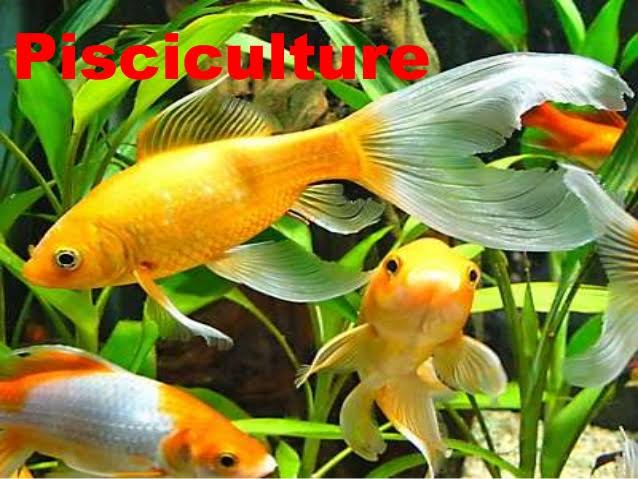
Pisciculture or Fish culture is the process of breeding and rearing of fishes in ponds, reservoirs (dams), lakes, rivers and paddy fields. It is the farming of economically important fishes under controlled conditions.
Types of Fish Culture
Extensive fish culture
Culture of fishes in large areas with low stocking density and natural feeding.

Intensive fish culture
Culture of fishes in small areas with high stocking density and providing artificial feed to increase production.

Monoculture
It is the culture of single type of fish in a water body. It is also called mono species culture.

Polyculture
It is the culture of more than one type of fish in a water body. It is also called composite fish culture.

Integrated fish farming
It is the culture of fishes along with agricultural crops or animal husbandry farming, Rearing of fish along with paddy, poultry, cattle, pig and ducks.
Types of Ponds for Fish Culture
Fish farm requires different types of pond for the various developmental stages of fish growth. They are given below:
Breeding pond
Healthy and sexually mature male and female fishes are collected and introduced in this pond for breeding. The eggs released by the female are fertilized by the sperm and fertilized eggs float in water as frothy mass.

Hatching pits
The fertilized eggs are transferred to hatching pits or hatching hapas for hatching.

Nursery ponds
The hatchlings are transferred from hatching pits after 2 to 7 days. The hatchlings grow into fry and are cultured in these ponds for about 60 days with proper feeding till they reach 2 – 2.5 cm in length.
Rearing ponds
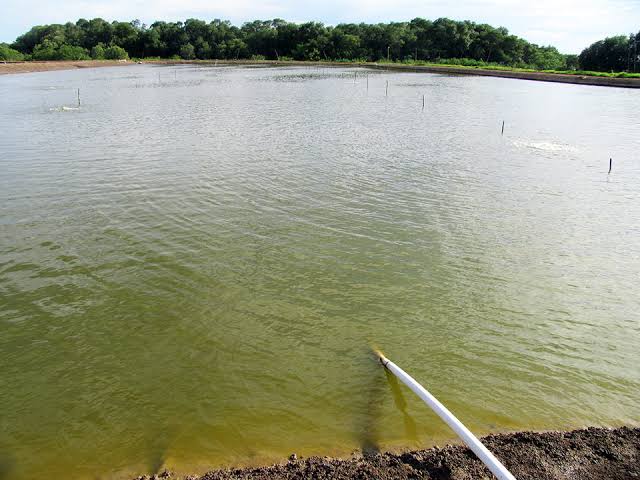
Rearing ponds are used to culture the fry. The fish fry are transferred from nursery pond to rearing ponds and are maintained for about three months till they reach 10 to 15 cm in length. In these rearing ponds the fry develops into fingerlings.

Stocking pond
The stocking pond is also called as culture pond or production pond. These ponds are used to rear fingerlings upto the marketable size.


 Eduindex
You must be logged in to post a comment.