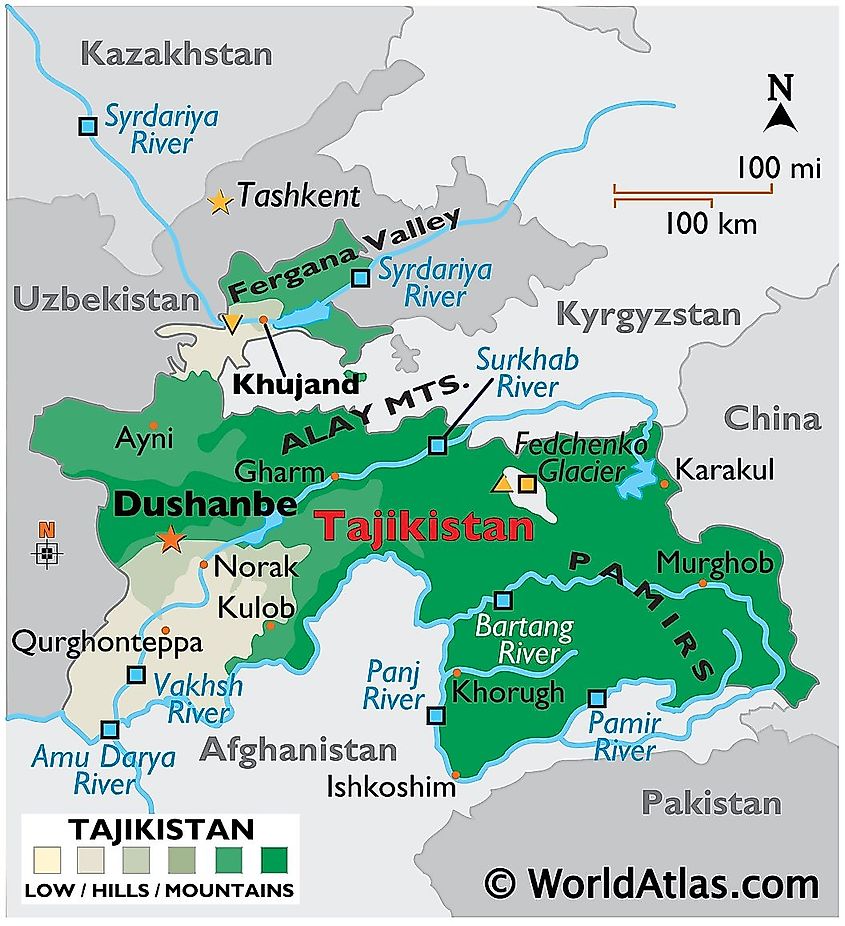
Amongst the World’s highest ranges, the majestic Pamir Mountains are situated between Central Asia, South and East Asia. They are located at the junction of the Himalayas with the Karakoram, Hindu Kush and the Tian Shan ranges.
Geography
The lie mainly in the Gorno-Badakshan autonomous region of Tajikistan. The connect the Tian Shan mountains to the North, along the Alay valley of Kyrgyzstan. To the south, they border the Hindu Kush mountains along Afghanistan’s famous anomaly of a province, the Wakhan corridor. To the east, they extend to the range that includes China’s Kongur Tagh, the Pamir’s highest point, separated by the Yarkand valley from the Kunlun Mountains. The Panj and the Pamir are the major rivers that flow through the ranges.
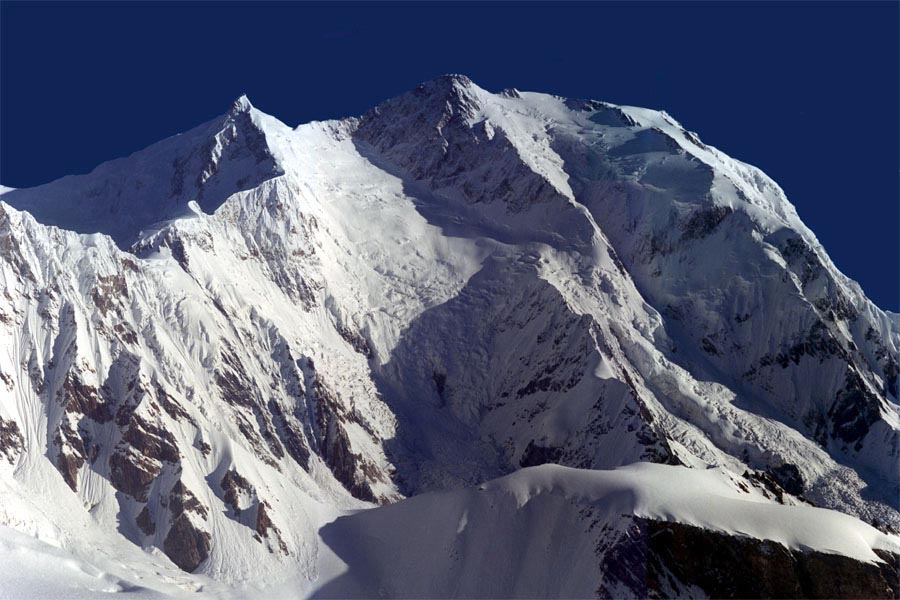
The Pamir in the summer
The three highest mountains in the Pamirs core are the Ismoil Somoni (known from 1932 to 1962 as Stalin Peak, and from 1962 to 1998 as Communism Peak), 7,495 m (24,590 ft), Ibn Sina (still unofficially known as Lenin Peak), 7,134 m (23,406 ft); and Korzhenevskaya ,7,105 m (23,310 ft). Kongur Tagh lies in China in the region known as the ‘Eastern Pamirs’.
Kongur Tagh
There are many glaciers present in the ranges. The 77 km long Fedchenko Glacier is the longest in the former USSR and the longest outside the Polar regions. The majestic lake Karakul is located in the nearby region.
Climate
The ranges are covered in snow throughout the year and has mainly alpine climate, the Pamirs are famous for having long and bitterly cold winters, and short, cool summers. Annual rainfall is about 130 mm (5 in), which supports grasslands but very few types of trees.
History
Historically, the Pamir Mountains were considered a strategic trade route between Kashgar(Xinjiang, China) and Kokand(Uzbekistan) on the legendary Silk Road, a prehistoric route, and had been subject to numerous territorial conquests. The Northern Silk Road connected the ancient Chinese capital of Xi’an over the Pamir Mountains towards the west to emerge in Kashgar before linking to ancient Parthia.
Potential
The region has massive tourism potential and many hiking enthusiasts, travelers, mountaineers and adventure seekers do visit this massive region. The region’s importance will only grow further due its unique strategic location.
On Monday, the Narcotics Control Bureau (NCB) busted an ongoing drug business, which was supplying narcotic drugs-infused cakes and brownies to rev parties.
Sameer Wankhede, the zonal director of NCB, based on a tip raided a bakery-cum-residence in Mazgaon (South Mumbai) on the 12th of July ( Monday). During the raid, a person who is said to be a professional psychologist also got arrested. NCB officials while searching the place found 10 kilograms of Hash-induced brownies, packed and ready to be delivered. They also found 50 grams of Opium and cash worth 1.17 lakhs, during the search.
Sources said that the psychologist who got arrested was running the bakery-cum-drug lab and that person works with a reputed South-Mumbai-based hospital. The person is identified by the name of Rahmeen Charaniya, 25yrs old, and was in the business since his college days. After being interrogated, the accused said he got the idea from an OTT platform-based series based on drug trafficking.
Further, during interrogation, it came up that Charaniya used to make deliveries himself and used to take orders through online platforms. Charaniya also gave the name of his supplier, Ramzan Shaikh (40yrs old), who also got caught by NCB officials in the Crawford market with 50 grams of Hash.
The Zonal Director of NCB also told about different categories of drug-based cakes which were being supplied by Charaniya namely; Rainbow Cake (a mixture of Hash, Charas, and weed with dough), Hash Brownies and Pot Brownies (infused with Marijuana).
Although this is not the first operation where NCB busted a drug-based bakery module. A similar module was busted a month ago in Western Mumbai, but the seizure was 10 percent of the current seizure.
On Monday, the Narcotics Control Bureau (NCB) busted an ongoing drug business, which was supplying narcotic drugs-infused cakes and brownies to rev parties.
Sameer Wankhede, the zonal director of NCB, based on a tip raided a bakery-cum-residence in Mazgaon (South Mumbai) on the 12th of July ( Monday). During the raid, a person who is said to be a professional psychologist also got arrested. NCB officials while searching the place found 10 kilograms of Hash-induced brownies, packed and ready to be delivered. They also found 50 grams of Opium and cash worth 1.17 lakhs, during the search.
Sources said that the psychologist who got arrested was running the bakery-cum-drug lab and that person works with a reputed South-Mumbai-based hospital. The person is identified by the name of Rahmeen Charaniya, 25yrs old, and was in the business since his college days. After being interrogated, the accused said he got the idea from an OTT platform-based series based on drug trafficking.
Further, during interrogation, it came up that Charaniya used to make deliveries himself and used to take orders through online platforms. Charaniya also gave the name of his supplier, Ramzan Shaikh (40yrs old), who also got caught by NCB officials in the Crawford market with 50 grams of Hash.
The Zonal Director of NCB also told about different categories of drug-based cakes which were being supplied by Charaniya namely; Rainbow Cake (a mixture of Hash, Charas, and weed with dough), Hash Brownies and Pot Brownies (infused with Marijuana).
Although this is not the first operation where NCB busted a drug-based bakery module. A similar module was busted a month ago in Western Mumbai, but the seizure was 10 percent of the current seizure.
The Ministry of Defense announced the theaterisation of the Indian Armed forces under the Chief of Armed Forces (currently, Gen Bipin Rawat), the Defense Secretary and the tri-force chief council.
The Insignia of the Indian Armed Forces
Theatres of defense would quite effectively wipe out the existing commands system in which the Indian uniformed forces work. India has 17 armed commands – 7 for the army, 7 for the airforce and 3 for the Navy. These commands are indepednent of each other and have a different officer from the corresponding service to serve as the commander. This model is the traditional one which has been followed for centuries. The British, the French, the Americans have all always had a separate command for the army and for the navy. The Mughal Empire did not have a lot of maritime enemies along its controlled regions in Bengal. However, by the time the Marathas took over, the Portugese and the French had arrived with newer war techniques and a large part of this warfare was at sea. So, the Marathas developed a strong naval force. Even then, the office of the admiral and the office of the Commander of Army were separate. Infact, even in the army, the office of the gun users and those of the cavalry and cannons were separate.
However, the first world war introduced new means of warfare. Trenches, tanks, heavier guns and soldiers – everything together. It was unlike the American Wars before 1860s where the two parties would stand on either side of the rift and shoot on orders and then jump to manual fighting. It was a new way of fighting where all forces of offense and defense needed to work together and several layers of bureaucracy and controls would hinder the effectiveness. Thus was introduced the concept of theatre of war. War office was segregated not based on the uniformed service but on the region to control. That makes orders easier, the need and procurement of weapons is simplified. The second world war only assured that the theatre warfare is better than the conventional war office. There is a commander of the theatre who addresses directly to the council of war or the defense council or the war office (As in World War 2 Britain) or to the chief of Defense forces and Defense Secretary (As in modern day USA).
China entered into the Theatrisation process very recently. Pakistan copied its model. India is probably the last large economy to change to the theatre model of warfare. And it means that Indian warfare should be more synchronized and effective now. So should be the process of weaponisation. There have been instances where the airforce and the army separately ordered jets causing the government to loose a lot on the benifits it could have had received for a bulk order. Similar is the story for missiles to be used by the army, the navy and the air force.
Unfortunately, there is a lot of drama going on in the defense forces headquarters in New Delhi about the theaterisation mechanics. However, all chiefs and the cabinet has shown commitment towards a fast and effective formalization of the new policy.
The Ministry of Defense announced the theaterisation of the Indian Armed forces under the Chief of Armed Forces (currently, Gen Bipin Rawat), the Defense Secretary and the tri-force chief council.
The Insignia of the Indian Armed Forces
Theatres of defense would quite effectively wipe out the existing commands system in which the Indian uniformed forces work. India has 17 armed commands – 7 for the army, 7 for the airforce and 3 for the Navy. These commands are indepednent of each other and have a different officer from the corresponding service to serve as the commander. This model is the traditional one which has been followed for centuries. The British, the French, the Americans have all always had a separate command for the army and for the navy. The Mughal Empire did not have a lot of maritime enemies along its controlled regions in Bengal. However, by the time the Marathas took over, the Portugese and the French had arrived with newer war techniques and a large part of this warfare was at sea. So, the Marathas developed a strong naval force. Even then, the office of the admiral and the office of the Commander of Army were separate. Infact, even in the army, the office of the gun users and those of the cavalry and cannons were separate.
However, the first world war introduced new means of warfare. Trenches, tanks, heavier guns and soldiers – everything together. It was unlike the American Wars before 1860s where the two parties would stand on either side of the rift and shoot on orders and then jump to manual fighting. It was a new way of fighting where all forces of offense and defense needed to work together and several layers of bureaucracy and controls would hinder the effectiveness. Thus was introduced the concept of theatre of war. War office was segregated not based on the uniformed service but on the region to control. That makes orders easier, the need and procurement of weapons is simplified. The second world war only assured that the theatre warfare is better than the conventional war office. There is a commander of the theatre who addresses directly to the council of war or the defense council or the war office (As in World War 2 Britain) or to the chief of Defense forces and Defense Secretary (As in modern day USA).
China entered into the Theatrisation process very recently. Pakistan copied its model. India is probably the last large economy to change to the theatre model of warfare. And it means that Indian warfare should be more synchronized and effective now. So should be the process of weaponisation. There have been instances where the airforce and the army separately ordered jets causing the government to loose a lot on the benifits it could have had received for a bulk order. Similar is the story for missiles to be used by the army, the navy and the air force.
Unfortunately, there is a lot of drama going on in the defense forces headquarters in New Delhi about the theaterisation mechanics. However, all chiefs and the cabinet has shown commitment towards a fast and effective formalization of the new policy.
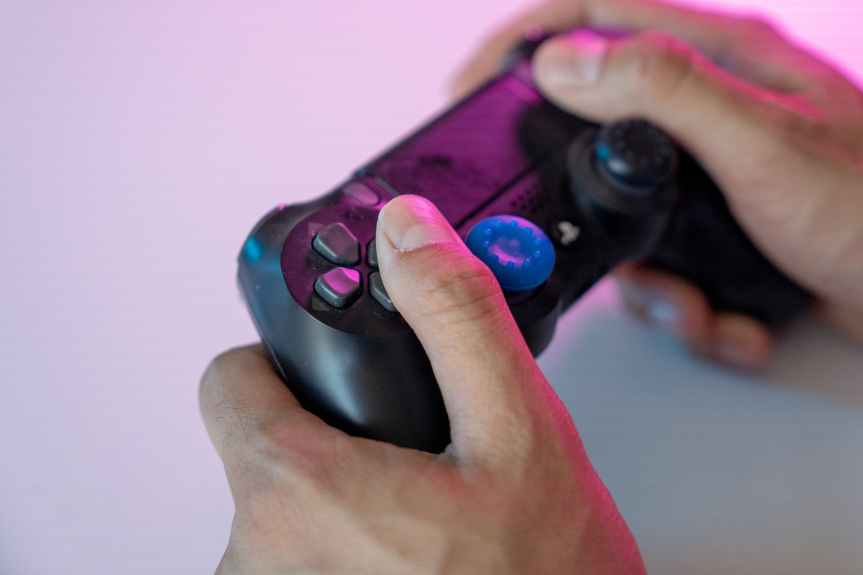
Kids these days are so head over heels into video games, do you ever think what if we are pawns in a video games ourselves, some alien species with the controller?
Rizwan Virk, a computer scientist and video game designer, published a 2019 book, The Simulation Hypothesis, that traces the path from today’s technology to what he calls the “Simulation Point,” the moment at which we could realistically build a Matrix-like simulation.
I know nothing about computer science, but this idea that we’re all characters in an advanced civilization’s video game is, well, kind of awesome.
Pretend I know absolutely nothing about the “simulation hypothesis.” What is the simulation hypothesis?
The simulation hypothesis is the modern equivalent of an idea that’s been around for a while, and it is the idea that the physical world that we live in, including the Earth and the rest of the physical universe, is actually part of a computer simulation.
You can think of it like a high resolution or high-fidelity video game in which we are all characters, and the best way to understand it within Western culture is the movie The Matrix, it’s become a cultural phenomenon now beyond the film industry.
In that movie, Keanu Reeves plays the character Neo, who meets a guy names Morpheus, who is aptly named after the Greek god of dreams, and Morpheus gives him a choice of taking a red pill or a blue pill. And if he takes the red pill, he wakes up and realizes that his entire life, including his job, the building he lived in, and everything else, was part of this elaborate video game, and he wakes up in a world outside of the game, which he did. That is the basic version of the simulation hypothesis.
Are we living in a simulated universe right now?
There are lots of mysteries in physics that are better explained by the simulation hypothesis than by what would be a material hypothesis.
The truth is that there’s much we simply don’t understand about our reality, and I think it’s more likely than not that we are in some kind of a simulated universe. Now, it’s a much more sophisticated video game than the games we produce, just like today World of Warcraft and Fortnite are way more sophisticated than Pac-Man or Space Invaders. They took a couple of decades of figuring out how to model physical objects using 3D models and then how to render them with limited computing power, which eventually led to this spate of shared online video games.
I think there’s a very good chance we are, in fact, living in a simulation, though we can’t say that with 100 percent confidence. But there is plenty of evidence that points in that direction.
Watch season 18, episode 7 of South Park if you haven’t gotten the hint already!
Think of how sometimes when you walk into a room with a purpose but the moment you enter, you forget the reason you walked in for? Who knows some work might have come up so the gamer playing you had to leave? So, you go blank for a few seconds, but when the gamer comes back, you are back on track as well.
Think of how every time you fell down. Who knows that isn’t because the controller from the gamer’s hand maybe because he was balancing his plate of food in his hand while playing?
What if the old people are being played by the gamers with low frame rate and bad internet connectivity?
When I say there are aspects of our world that would make more sense if they were part of a simulation, I mean there are a few different aspects, one of which is quantum indeterminacy, which is the idea that a particle is in one of multiple states and you don’t know that unless you observe the particle.
Probably a better way to understand it is the now-infamous example of Schrödinger’s cat, which is a cat that the physicist Erwin Schrödinger theorized would be in a box with some radioactive material and there was a 50 percent chance the cat is dead and a 50 percent chance the cat is alive. Now, common sense would tell us that the cat is already either alive or it’s dead. We just don’t know because we haven’t looked in the box. We open the box and it’ll be revealed to us whether the cat is alive or dead. But quantum physics tells us that the cat is both alive and dead at the same time until somebody opens up the box to observe it. The cardinal rule is the universe renders only that which needs to be observed.
Isn’t the hypothesis that we’re living in a flesh-and-blood physical world the simpler explanation?
A very famous physicist, John Wheeler, was one of the last physicists who worked with Albert Einstein and many of the great physicists of the 20th century. He said that physics was initially thought to be about the study of physical objects, that everything was reducible to particles. This is what’s often called the Newtonian model.
But then we discovered quantum physics and we realized that everything was a field of probabilities and it wasn’t actually physical objects. That was the second wave in Wheeler’s career.
The third wave in his career was the discovery that at the core level, everything is information, everything is based on bits. So Wheeler came up with a famous phrase called “it from bit,” which is the idea that anything we see as physical is really the result of bits of information. He didn’t live to see quantum computers come into reality, but it’s looking more like that.
So I would say that if the world isn’t really physical, if it’s based on information, then a simpler explanation might in fact be that we are in a simulation that is generated based on computer science and information.
How close are we to having the technological capacity to build an artificial world that’s as realistic and plausible as The Matrix?
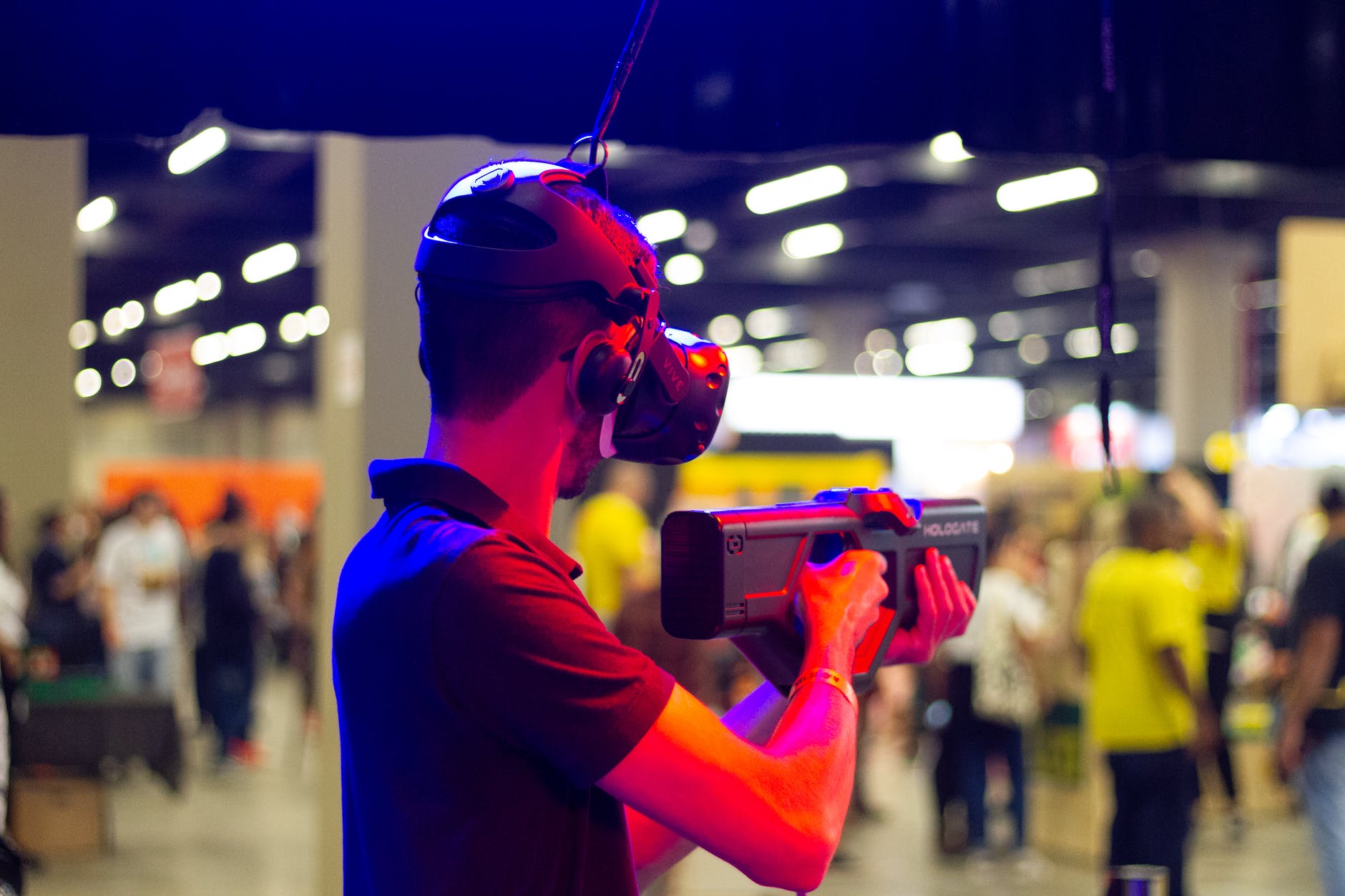
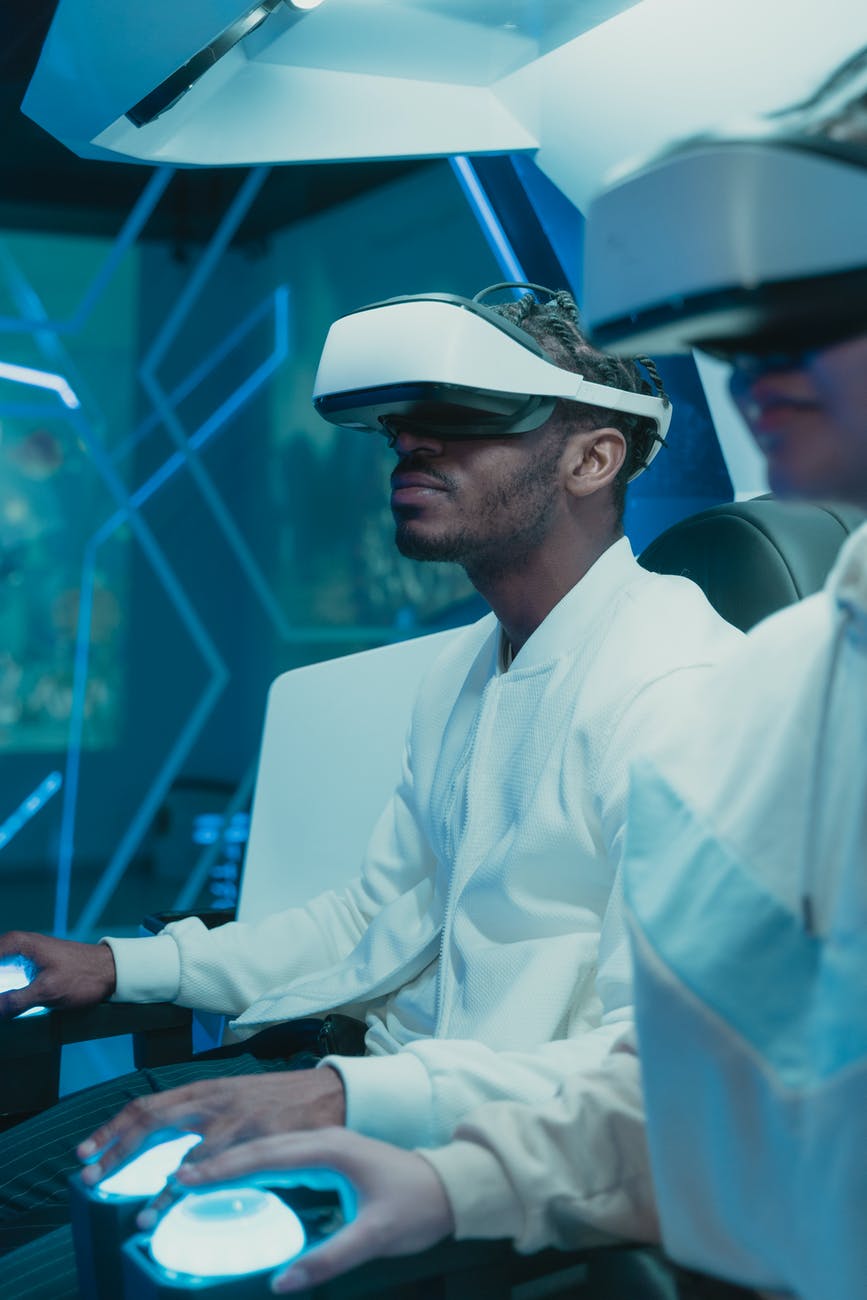
There are 10 stages of technology development that a civilization would have to go through to create a hyper realistic simulation. We’re at about stage five, which is around virtual reality and augmented reality. Stage six is about learning to render these things without us having to put on glasses, and the fact that 3D printers now can print 3D pixels of objects shows us that most objects can be broken down as information.
But the really difficult part — and this is something not a lot of technologists have talked about — is in The Matrix, the reason they thought they were fully immersed was they had this cord going into the cerebral cortex, and that’s where the signal was beamed. This brain-computer interface is the area that we haven’t yet made that much progress in, but we are making progress in it. It’s in the early stages.
So my guess is within a few decades to 100 years from now, we will reach the simulation point.
Kids these days are so head over heels into video games, do you ever think what if we are pawns in a video games ourselves, some alien species with the controller?
Rizwan Virk, a computer scientist and video game designer, published a 2019 book, The Simulation Hypothesis, that traces the path from today’s technology to what he calls the “Simulation Point,” the moment at which we could realistically build a Matrix-like simulation.
I know nothing about computer science, but this idea that we’re all characters in an advanced civilization’s video game is, well, kind of awesome.
Pretend I know absolutely nothing about the “simulation hypothesis.” What is the simulation hypothesis?
The simulation hypothesis is the modern equivalent of an idea that’s been around for a while, and it is the idea that the physical world that we live in, including the Earth and the rest of the physical universe, is actually part of a computer simulation.
You can think of it like a high resolution or high-fidelity video game in which we are all characters, and the best way to understand it within Western culture is the movie The Matrix, it’s become a cultural phenomenon now beyond the film industry.
In that movie, Keanu Reeves plays the character Neo, who meets a guy names Morpheus, who is aptly named after the Greek god of dreams, and Morpheus gives him a choice of taking a red pill or a blue pill. And if he takes the red pill, he wakes up and realizes that his entire life, including his job, the building he lived in, and everything else, was part of this elaborate video game, and he wakes up in a world outside of the game, which he did. That is the basic version of the simulation hypothesis.
Are we living in a simulated universe right now?
There are lots of mysteries in physics that are better explained by the simulation hypothesis than by what would be a material hypothesis.
The truth is that there’s much we simply don’t understand about our reality, and I think it’s more likely than not that we are in some kind of a simulated universe. Now, it’s a much more sophisticated video game than the games we produce, just like today World of Warcraft and Fortnite are way more sophisticated than Pac-Man or Space Invaders. They took a couple of decades of figuring out how to model physical objects using 3D models and then how to render them with limited computing power, which eventually led to this spate of shared online video games.
I think there’s a very good chance we are, in fact, living in a simulation, though we can’t say that with 100 percent confidence. But there is plenty of evidence that points in that direction.
Watch season 18, episode 7 of South Park if you haven’t gotten the hint already!
Think of how sometimes when you walk into a room with a purpose but the moment you enter, you forget the reason you walked in for? Who knows some work might have come up so the gamer playing you had to leave? So, you go blank for a few seconds, but when the gamer comes back, you are back on track as well.
Think of how every time you fell down. Who knows that isn’t because the controller from the gamer’s hand maybe because he was balancing his plate of food in his hand while playing?
What if the old people are being played by the gamers with low frame rate and bad internet connectivity?
When I say there are aspects of our world that would make more sense if they were part of a simulation, I mean there are a few different aspects, one of which is quantum indeterminacy, which is the idea that a particle is in one of multiple states and you don’t know that unless you observe the particle.
Probably a better way to understand it is the now-infamous example of Schrödinger’s cat, which is a cat that the physicist Erwin Schrödinger theorized would be in a box with some radioactive material and there was a 50 percent chance the cat is dead and a 50 percent chance the cat is alive. Now, common sense would tell us that the cat is already either alive or it’s dead. We just don’t know because we haven’t looked in the box. We open the box and it’ll be revealed to us whether the cat is alive or dead. But quantum physics tells us that the cat is both alive and dead at the same time until somebody opens up the box to observe it. The cardinal rule is the universe renders only that which needs to be observed.
Isn’t the hypothesis that we’re living in a flesh-and-blood physical world the simpler explanation?
A very famous physicist, John Wheeler, was one of the last physicists who worked with Albert Einstein and many of the great physicists of the 20th century. He said that physics was initially thought to be about the study of physical objects, that everything was reducible to particles. This is what’s often called the Newtonian model.
But then we discovered quantum physics and we realized that everything was a field of probabilities and it wasn’t actually physical objects. That was the second wave in Wheeler’s career.
The third wave in his career was the discovery that at the core level, everything is information, everything is based on bits. So Wheeler came up with a famous phrase called “it from bit,” which is the idea that anything we see as physical is really the result of bits of information. He didn’t live to see quantum computers come into reality, but it’s looking more like that.
So I would say that if the world isn’t really physical, if it’s based on information, then a simpler explanation might in fact be that we are in a simulation that is generated based on computer science and information.
How close are we to having the technological capacity to build an artificial world that’s as realistic and plausible as The Matrix?
There are 10 stages of technology development that a civilization would have to go through to create a hyper realistic simulation. We’re at about stage five, which is around virtual reality and augmented reality. Stage six is about learning to render these things without us having to put on glasses, and the fact that 3D printers now can print 3D pixels of objects shows us that most objects can be broken down as information.
But the really difficult part — and this is something not a lot of technologists have talked about — is in The Matrix, the reason they thought they were fully immersed was they had this cord going into the cerebral cortex, and that’s where the signal was beamed. This brain-computer interface is the area that we haven’t yet made that much progress in, but we are making progress in it. It’s in the early stages.
So my guess is within a few decades to 100 years from now, we will reach the simulation point.
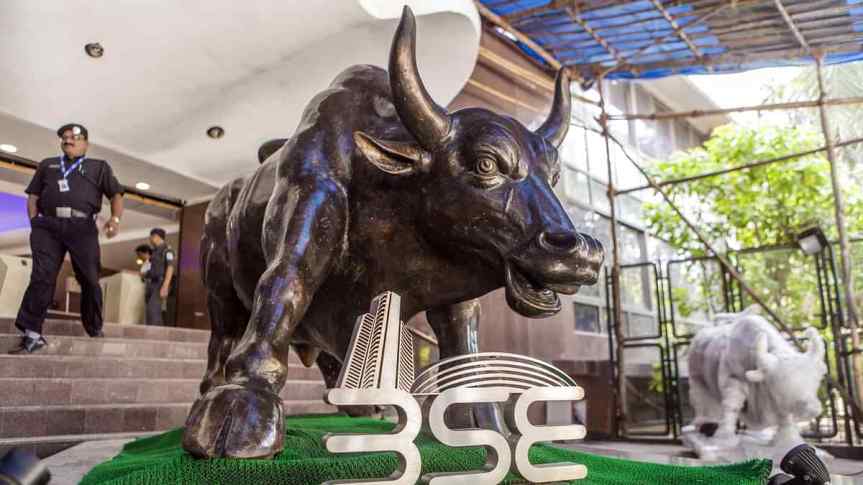
Stock exchange is something about which many people are still unaware, here I am talking specifically about India its stock exchange and other facts related to it. A stock exchange is basically a place where an individual can buy and sell stocks. The oldest stock exchange in India happened in the year 1857 in Bombay (Mumbai) A stock which is also known as an equity lets a common man invest into a corporation and they get a share in companies’ asset and profit depending upon how much share they own. The costliest share in India is approximately seventy-two thousand for one, it is of MRF and the costliest share of the world is Berkshire Hathaway. If we go into the technicality of the topic there are number of concept and terms.
Bull and Bear This concept of Bull and Bear is the most common one it basically reflects the condition of stock market just like the name a bull is considered an active and fierce animal and a bear is lazy, a bull here stands for a purchaser who invest in stocks and earns great profit as he invested at the right time where as a bear is just the opposite, he sells stock. Both resembles different condition.
Rule of 72 Which is a beginner rule, used to calculate the time required to double the capital, the calculation is done by number 72.
In India there are two popular stock exchange venue The Bombay Stock exchange and the national stock exchange. Out of the two BSE is the older one it was established back in 1875 and it is the first ever stock exchange of Asia, apart from this on-line trading was introduced through Bombay stock Exchange, it is the 12th biggest market place for stock exchange in world. Then, there is National Stock exchange, which came in 1992 and bought electronic exchange with it, this changed the traditional style. It is the 10th biggest stock exchange market. It is more advanced as compared to Bombay stock exchange in terms of facilities and both are separate. Both have different value as in capital and enjoy different position in the world and Indian market. There are in total 9 stock exchange in India including Bombay Stock Exchange and National Stock Exchange. A stock market plays a significant role in an economy that is why they exist, it is a platform that links a buyer, a seller, a company and most importantly they reflect the condition of a country’s economy. Stock marked is termed risky because in case the market falls a purchaser will have to face high loss but, if the value of share increases it will lead to profit. But as a responsible citizen we should always be aware about the ongoing trends and condition of stock market even if we don’t want to invest. There is a small population that invest into stock market reason can be many like the risk associated etc. but, at the same time we have great investors like Rakesh Jhunjhunwala and others.
Stock exchange is something about which many people are still unaware, here I am talking specifically about India its stock exchange and other facts related to it. A stock exchange is basically a place where an individual can buy and sell stocks. The oldest stock exchange in India happened in the year 1857 in Bombay (Mumbai) A stock which is also known as an equity lets a common man invest into a corporation and they get a share in companies’ asset and profit depending upon how much share they own. The costliest share in India is approximately seventy-two thousand for one, it is of MRF and the costliest share of the world is Berkshire Hathaway. If we go into the technicality of the topic there are number of concept and terms.
Bull and Bear This concept of Bull and Bear is the most common one it basically reflects the condition of stock market just like the name a bull is considered an active and fierce animal and a bear is lazy, a bull here stands for a purchaser who invest in stocks and earns great profit as he invested at the right time where as a bear is just the opposite, he sells stock. Both resembles different condition.
Rule of 72 Which is a beginner rule, used to calculate the time required to double the capital, the calculation is done by number 72.
In India there are two popular stock exchange venue The Bombay Stock exchange and the national stock exchange. Out of the two BSE is the older one it was established back in 1875 and it is the first ever stock exchange of Asia, apart from this on-line trading was introduced through Bombay stock Exchange, it is the 12th biggest market place for stock exchange in world. Then, there is National Stock exchange, which came in 1992 and bought electronic exchange with it, this changed the traditional style. It is the 10th biggest stock exchange market. It is more advanced as compared to Bombay stock exchange in terms of facilities and both are separate. Both have different value as in capital and enjoy different position in the world and Indian market. There are in total 9 stock exchange in India including Bombay Stock Exchange and National Stock Exchange. A stock market plays a significant role in an economy that is why they exist, it is a platform that links a buyer, a seller, a company and most importantly they reflect the condition of a country’s economy. Stock marked is termed risky because in case the market falls a purchaser will have to face high loss but, if the value of share increases it will lead to profit. But as a responsible citizen we should always be aware about the ongoing trends and condition of stock market even if we don’t want to invest. There is a small population that invest into stock market reason can be many like the risk associated etc. but, at the same time we have great investors like Rakesh Jhunjhunwala and others.
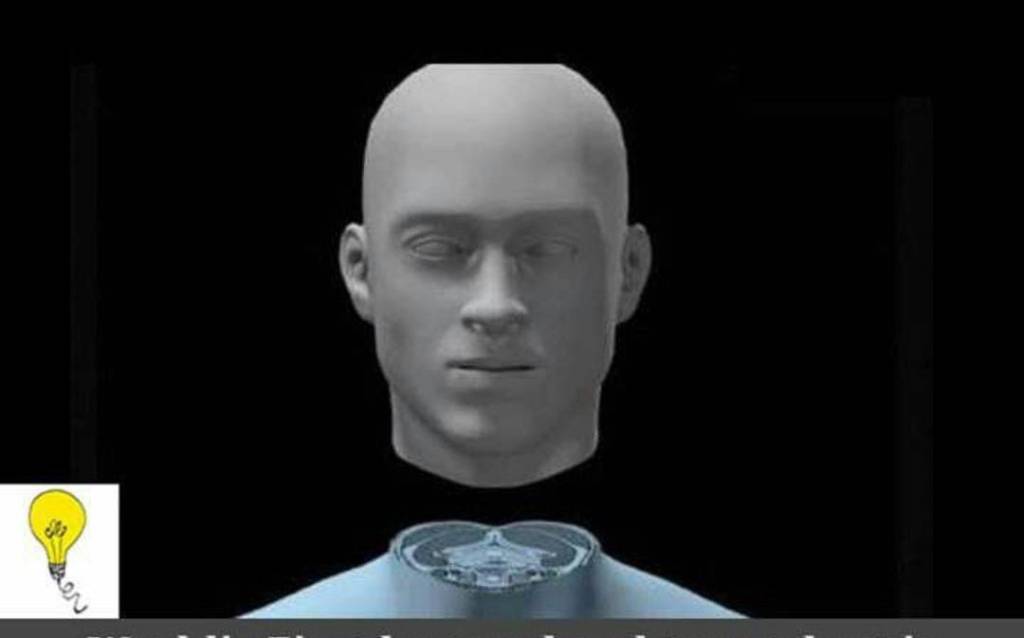
World’s First human head transplant is scheduled this year,Dec 2017.Doctors are planning this for 30 years.It will cost $30 million and will have 150 doctors and nurses and will take 34 hours of time.It succeeds, It will Transform Medical science forever
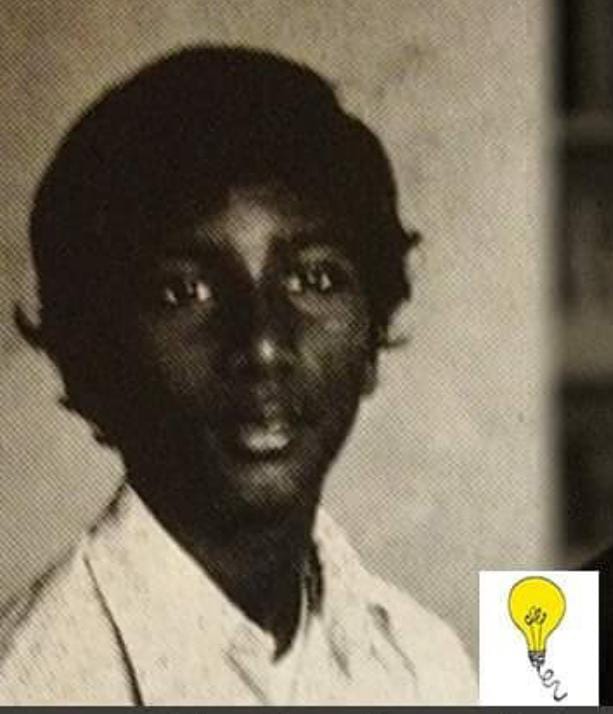
The email was invented by Shiva Ayyadurai – a 14 year old Indian boy,in 1978
The weight of the first ever mobile phone was about 1 kg. The battery was like a brick which gave a talk time of just 30 minutes and took 10 hours to charge.
World’s First human head transplant is scheduled this year,Dec 2017.Doctors are planning this for 30 years.It will cost $30 million and will have 150 doctors and nurses and will take 34 hours of time.It succeeds, It will Transform Medical science forever
The email was invented by Shiva Ayyadurai – a 14 year old Indian boy,in 1978
The weight of the first ever mobile phone was about 1 kg. The battery was like a brick which gave a talk time of just 30 minutes and took 10 hours to charge.
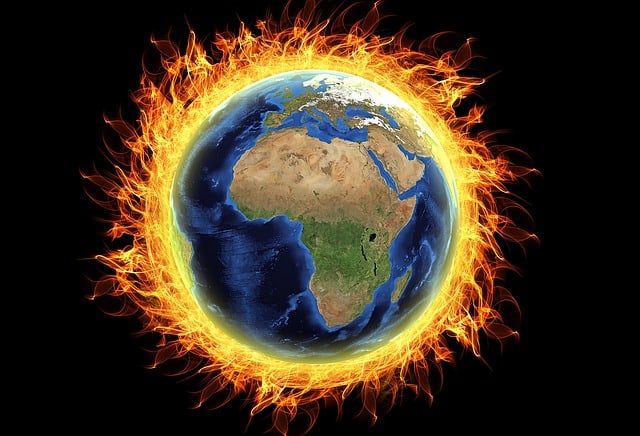
Global warming is the long-term warming of the planet’s overall temperature. Though this warming trend has been going on for a long time, its pace has significantly increased in the last hundred years due to the burning of fossil fuels.
As the human population has increased, so has the volume of fossil fuels burned. Fossil fuels include coal, oil, and natural gas, and burning them causes what is known as the “greenhouse effect” in Earth’s atmosphere.
The greenhouse effect is when the Sun’s rays penetrate the atmosphere, but when that heat is reflected off the surface cannot escape back into space. Gases produced by the burning of fossil fuels prevent the heat from leaving the atmosphere.
These greenhouse gasses are carbon dioxide, chlorofluorocarbons, water vapor, methane, and nitrous oxide. The excess heat in the atmosphere has caused the average global temperature to rise overtime, otherwise known as global warming.
Global warming has presented another issue called climate change. Sometimes these phrases are used interchangeably, however, they are different. Climate change refers to changes in weather patterns and growing seasons around the world.
It also refers to sea level rise caused by the expansion of warmer seas and melting ice sheets and glaciers. Global warming causes climate change, which poses a serious threat to life on earth in the forms of widespread flooding and extreme weather. Scientists continue to study global warming and its impact on Earth.
Global warming is the long-term warming of the planet’s overall temperature. Though this warming trend has been going on for a long time, its pace has significantly increased in the last hundred years due to the burning of fossil fuels.
As the human population has increased, so has the volume of fossil fuels burned. Fossil fuels include coal, oil, and natural gas, and burning them causes what is known as the “greenhouse effect” in Earth’s atmosphere.
The greenhouse effect is when the Sun’s rays penetrate the atmosphere, but when that heat is reflected off the surface cannot escape back into space. Gases produced by the burning of fossil fuels prevent the heat from leaving the atmosphere.
These greenhouse gasses are carbon dioxide, chlorofluorocarbons, water vapor, methane, and nitrous oxide. The excess heat in the atmosphere has caused the average global temperature to rise overtime, otherwise known as global warming.
Global warming has presented another issue called climate change. Sometimes these phrases are used interchangeably, however, they are different. Climate change refers to changes in weather patterns and growing seasons around the world.
It also refers to sea level rise caused by the expansion of warmer seas and melting ice sheets and glaciers. Global warming causes climate change, which poses a serious threat to life on earth in the forms of widespread flooding and extreme weather. Scientists continue to study global warming and its impact on Earth.
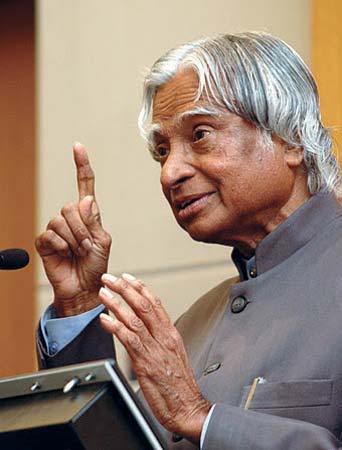
Dr APJ Abdul Kalam was a scientist who later became the 11th President of India and served the country from 2002 to 2007.
He was the most respected person in the country, as he contributed a lot to the country as a scientist and a president.
His contribution to the Indian Space Research Organization is unforgettable.
There were many projects under his leadership such as Rohini-1, Project Devil and the launch of Project Valent, missiles (under Mission Agni and Prithvi), etc.
For his great contribution in increasing India’s nuclear power, he is popularly known as “Missile Man of India”. He has been awarded the highest civilian awards for his dedicated work.
After completing his service to the Government of India as President, he served the country as a visiting professor at various valuable institutions and universities.
HIS CAREER AND CONTRIBUTION:
He was born on 15 October 1931 to Zainuldeben and Aashiyamma. His family’s financial situation was a bit bad, so he started supporting his family financially at an early age.
He started earning money to support his family but never gave up his education.
He completed his graduation from Madras Institute of Technology in 1954 from St. Joseph’s College, Tiruchirapalli and Aerospace Engineering.
After completing his graduation, he joined the Aeronautical Development Foundation of the Defense Research and Development Organization (DRDO) as a leading scientist.
Soon he moved to the Indian Space Research Organization as the Project Director of India’s first indigenous satellite launch vehicle.
He also served as the Chief Executive of the Integrated Guided Missile Development Program, which is involved in the simultaneous development of missiles.
He had also become the Chief Scientific Adviser of the Prime Minister and Secretary of the Defense Research and Development Organization from the year 1992 to 1999.
He was called the “Missile Man of India” after his successful contribution as the Chief Project Coordinator for Pokhran II nuclear tests.
In the fourth match of the series played between Wi and Australia on 14 July. Australia registered a thrilling 4 run win over West Indies in the fourth match played in St Lucia. In this match, Mitchell Marsh played an important role in getting the Kangaroo team their first win in the T20 series. In this series, the West Indies team has already taken an unassailable lead by winning three consecutive matches.
In this match played at Darren Sammy National Cricket Stadium, Australia won the toss and batted first. Start was not good and the first wicket fell for 12 runs. Matthew Wade, came to open the innings, and was dismissed for 5 runs. After that, Mitchell Marsh came out to bat at number three and got Australia out of trouble with captain Aaron Finch with a 114-run partnership. Finch was dismissed for 53 while Marsh scored 75 runs. Alex Carey, Moises Henriques, Ashton Turner could not do much in the middle order. Dan Christian scored 22 runs in the lower order. Australia scored 189 runs for 6 wickets in the stipulated 20 overs in their innings.
The West Indies team, which came out to achieve the target of 190 runs, started strongly. Both the Caribbean team’s openers Lyndle Simmons and Evin Lewis added 62 runs for the first wicket. Lewis was dismissed for 31 while Simmons made 72. After the dismissal of these two batsmen, the middle order of the Caribbean team could not do much.
In the final overs, Andre Russell and Fabian Allen tried their best to win the match for West Indies but failed. Russell remained unbeaten on 24 off 13 balls while Allen was dismissed for 29 off 14 balls. West Indies managed to score 185 runs for 6 wickets and lost the match by 4 runs. Mitchell Starc bowled a superb last over and steal the show.
Mitchell Marsh took the three wickets for Australia and helped his team win first match in this series. For his all-round performance with both bat and ball ( 3 wickets and 75 runs ) ,he was awarded the player of the match award. West Indies now leads the series with 3-1 equation and last match will be played on 16th July.







:format(webp):no_upscale()/cdn.vox-cdn.com/uploads/chorus_asset/file/16000564/simhypothesis_book_large.jpg)






 Eduindex
You must be logged in to post a comment.