It’s common knowledge that you should never use needles more than once. For those of you that are unsure why here’s a brief overview. First of all the tip of a needle is sharp and fine, so that it goes into the skin easily when you inject. Every time you use a needle, it gets blunter and loses sharpness. The more times you use it, the blunter it gets. This makes it harder for the needle to pierce the skin, and thus more painful when you do the injection. This is not only done to avoid painful injections, but to ensure that you avoid infection by using a fresh, clean needle. This also reduces bleeding and bruising. The tip of a needle can also weaken and break off and get stuck under your skin. Most needles are designed to only be used once.
Also needles spread all sorts of diseases like Hepatitis A, Hepatitis B and so many other fatal diseases, so usage of the same needle for saving money is really not worth it.
🌟Software refers to a program that makes the computer to do something meaningful. It is the planned, step-by-step instructions required to turn data into information.
Software can be classified into two categories : 🔹️System Software 🔹️Application Software
🌟System Software consists of general programs written for a computer. These programs provide the environment to run the application programs. System software comprises programs, which interact with the hardware at a very basic level. They are the basic necessity of a computer system for its proper functionality. System software serves as the interface between hardware and the user. The operating system, compliers and utility programs are examples of system software.
🌟The most important type of system software is the operating system. An operating system is an integrated set of specialized programs that is used to manage the overall operations of a computer. It acts like an interface between the user, computer hardware and software. Every computer must have an operating system to run other programs. DOS (Disk Operating System), Unix, Linux and Windows are some of the common operating systems.
🌟The complier software translates the source program (user written program) into an object program (binary form). Specific compliers are available for computer programming languages like FORTRAN, COBOL, C, C++ etc. The utility programs support the computer for specific tasks like file copying, sorting, linking a object program, etc.
🌟An Application Software consists of programs designed to solve a user problem. It is used to accomplish specific tasks rather than just managing a computer system. Application software are inturn, controlled by system software which manages hardware devices.
🌟Some typical examples are : railway reservation system, game programs, word processing software, weather forecasting programs. Among the application software some are packaged for specific tasks. The commonly used Application software packages are word processor, spreadsheet, database management system and graphics.
🌟One of the most commonly used software package is word processing software. Anyone who has used a computer as a word processor knows that it is far more than a fancy typewriter. The great advantage of word processing over a typewriter is that you can make changes without retyping the entire document. The entire writing is transformed by this modern word processing software. This software lets you create, edit, format, store and print text and graphics. Some of the commonly used word processors are MicrosoftWord, WordStar, WordPerfect, etc.
🌟Spreadsheet software packages allows the user to manipulate numbers. Repetitive numeric calculations,use of related formulae and creation of graphics and charts are some of the basic tools. This capacity let’s business people try different combinations of numbers and obtain the results quickly. Lotus 1-2-3, Excel, etc. are some of the famous spreadsheet applications.
🌟A database management system is collection of programs that enable to store, modify and extract information from a database. A database organizes the information internally. Computerized banking system, Automated Teller Machine, Airlines and Railway reservation system etc., are some of the database applications.
It’s common knowledge that you should never use needles more than once. For those of you that are unsure why here’s a brief overview. First of all the tip of a needle is sharp and fine, so that it goes into the skin easily when you inject. Every time you use a needle, it gets blunter and loses sharpness. The more times you use it, the blunter it gets. This makes it harder for the needle to pierce the skin, and thus more painful when you do the injection. This is not only done to avoid painful injections, but to ensure that you avoid infection by using a fresh, clean needle. This also reduces bleeding and bruising. The tip of a needle can also weaken and break off and get stuck under your skin. Most needles are designed to only be used once.
Also needles spread all sorts of diseases like Hepatitis A, Hepatitis B and so many other fatal diseases, so usage of the same needle for saving money is really not worth it.
🌟Software refers to a program that makes the computer to do something meaningful. It is the planned, step-by-step instructions required to turn data into information.
Software can be classified into two categories : 🔹️System Software 🔹️Application Software
🌟System Software consists of general programs written for a computer. These programs provide the environment to run the application programs. System software comprises programs, which interact with the hardware at a very basic level. They are the basic necessity of a computer system for its proper functionality. System software serves as the interface between hardware and the user. The operating system, compliers and utility programs are examples of system software.
🌟The most important type of system software is the operating system. An operating system is an integrated set of specialized programs that is used to manage the overall operations of a computer. It acts like an interface between the user, computer hardware and software. Every computer must have an operating system to run other programs. DOS (Disk Operating System), Unix, Linux and Windows are some of the common operating systems.
🌟The complier software translates the source program (user written program) into an object program (binary form). Specific compliers are available for computer programming languages like FORTRAN, COBOL, C, C++ etc. The utility programs support the computer for specific tasks like file copying, sorting, linking a object program, etc.
🌟An Application Software consists of programs designed to solve a user problem. It is used to accomplish specific tasks rather than just managing a computer system. Application software are inturn, controlled by system software which manages hardware devices.
🌟Some typical examples are : railway reservation system, game programs, word processing software, weather forecasting programs. Among the application software some are packaged for specific tasks. The commonly used Application software packages are word processor, spreadsheet, database management system and graphics.
🌟One of the most commonly used software package is word processing software. Anyone who has used a computer as a word processor knows that it is far more than a fancy typewriter. The great advantage of word processing over a typewriter is that you can make changes without retyping the entire document. The entire writing is transformed by this modern word processing software. This software lets you create, edit, format, store and print text and graphics. Some of the commonly used word processors are MicrosoftWord, WordStar, WordPerfect, etc.
🌟Spreadsheet software packages allows the user to manipulate numbers. Repetitive numeric calculations,use of related formulae and creation of graphics and charts are some of the basic tools. This capacity let’s business people try different combinations of numbers and obtain the results quickly. Lotus 1-2-3, Excel, etc. are some of the famous spreadsheet applications.
🌟A database management system is collection of programs that enable to store, modify and extract information from a database. A database organizes the information internally. Computerized banking system, Automated Teller Machine, Airlines and Railway reservation system etc., are some of the database applications.
It is common knowledge that if a person commits a crime, he is the one who pays for it. That implies that the person responsible for specific wrong conduct will face damages, imprisonment, or punishment of any sort for the same. But is it possible that you can be held liable for the wrongdoings or mistakes of some other person?
It might seem a stupid question, but the matter of fact is that you can. This principle of Vicarious Liability is described under the Law of Torts.
In certain cases, one may be held for the act of the other if there exists a certain kind of relationship between the two persons concerned. But the act under inspection must have been done in connection with that ‘relationship’.
Common examples of such a relationship are
Liability of the principal for the tort of his agent
Liability of partners of each other’s tort
Liability of the master for the tort of his servant.
When an agent, in the course of performance of his duty as an agent, commits a wrongful act, the principal is the person held liable. The principal is made liable ‘vicariously’ because of the principal-agent relationship between the two. The same is the case in a master-servant relationship.
The doctrine followed in the above two conditions is based on the maxim of respondeat superior, which means ‘let the principal be liable’ and it puts the master in the same position as if he had done the act himself.
Does a natural question arise that who is a servant? Is the person in question a servant and should the master (so-called) be held liable?
A servant is a person employed by another to do work under the directions and controls of his master. As a general rule, the master is liable for the tort of his servant but not for the tort of an independent contractor.
Servant and independent contractor distinguished – A servant is an agent who is subject to the control and supervision of his employer regarding how the work is to be done. Whereas the independent contractor is not subject to such control.
An employer is not liable for acts of an independent contractor.
Exceptions-
The general rule that an employer is not liable for the acts of an independent contractor is subject to some exceptions. In the following cases, an employer can be made liable for the wrongs of the independent contractor.
If an employer authorizes the doing of an illegal act or subsequently ratifies the same, he can be made liable for such an act. The real reason for such liability is that the employer himself is a party to the wrongful act, along with the independent contractor, and therefore, he is liable.
An employer is liable for the act of an independent contractor in cases of strict liability. Also, if some hazardous work is engaged in, even then the employer is held liable.
Therefore, it is evident that one can be held liable for the actions of another. Such is the beauty of our law!
It is common knowledge that if a person commits a crime, he is the one who pays for it. That implies that the person responsible for specific wrong conduct will face damages, imprisonment, or punishment of any sort for the same. But is it possible that you can be held liable for the wrongdoings or mistakes of some other person?
It might seem a stupid question, but the matter of fact is that you can. This principle of Vicarious Liability is described under the Law of Torts.
In certain cases, one may be held for the act of the other if there exists a certain kind of relationship between the two persons concerned. But the act under inspection must have been done in connection with that ‘relationship’.
Common examples of such a relationship are
Liability of the principal for the tort of his agent
Liability of partners of each other’s tort
Liability of the master for the tort of his servant.
When an agent, in the course of performance of his duty as an agent, commits a wrongful act, the principal is the person held liable. The principal is made liable ‘vicariously’ because of the principal-agent relationship between the two. The same is the case in a master-servant relationship.
The doctrine followed in the above two conditions is based on the maxim of respondeat superior, which means ‘let the principal be liable’ and it puts the master in the same position as if he had done the act himself.
Does a natural question arise that who is a servant? Is the person in question a servant and should the master (so-called) be held liable?
A servant is a person employed by another to do work under the directions and controls of his master. As a general rule, the master is liable for the tort of his servant but not for the tort of an independent contractor.
Servant and independent contractor distinguished – A servant is an agent who is subject to the control and supervision of his employer regarding how the work is to be done. Whereas the independent contractor is not subject to such control.
An employer is not liable for acts of an independent contractor.
Exceptions-
The general rule that an employer is not liable for the acts of an independent contractor is subject to some exceptions. In the following cases, an employer can be made liable for the wrongs of the independent contractor.
If an employer authorizes the doing of an illegal act or subsequently ratifies the same, he can be made liable for such an act. The real reason for such liability is that the employer himself is a party to the wrongful act, along with the independent contractor, and therefore, he is liable.
An employer is liable for the act of an independent contractor in cases of strict liability. Also, if some hazardous work is engaged in, even then the employer is held liable.
Therefore, it is evident that one can be held liable for the actions of another. Such is the beauty of our law!
In one of my previous article I had talked about cardiac arrest and mentioned that it was different from heart attacks so today I will talk about heart attacks. A heart attack (also known as a myocardial infarction or MI) is the damage and death of heart muscle from the sudden blockage of a coronary artery by a blood clot. Coronary arteries are blood vessels that supply the heart muscle with blood and oxygen
SYMPTOMS
Pain, fullness, and/or squeezing sensation of the chest
Jaw pain, toothache and headache
Shortness of breath
Nausea, vomiting and/or general epigastric (upper middle abdomen) discomfort
Sweating
Heartburn and/or indigestion
Arm pain (more commonly the left arm, but may be either arm)
Upper back pain
General malaise (vague feeling of illness)
No symptoms (Approximately one quarter of all heart attacks are silent, without chest pain or new symptoms. Silent heart attacks are especially common among patients with diabetes mellitus.)
One cannot overemphasize the importance of seeking prompt medical attention in the presence of new symptoms that suggest a heart attack. Early diagnosis and treatment save lives, and delays in reaching medical assistance can be fatal.
In one of my previous article I had talked about cardiac arrest and mentioned that it was different from heart attacks so today I will talk about heart attacks. A heart attack (also known as a myocardial infarction or MI) is the damage and death of heart muscle from the sudden blockage of a coronary artery by a blood clot. Coronary arteries are blood vessels that supply the heart muscle with blood and oxygen
SYMPTOMS
Pain, fullness, and/or squeezing sensation of the chest
Jaw pain, toothache and headache
Shortness of breath
Nausea, vomiting and/or general epigastric (upper middle abdomen) discomfort
Sweating
Heartburn and/or indigestion
Arm pain (more commonly the left arm, but may be either arm)
Upper back pain
General malaise (vague feeling of illness)
No symptoms (Approximately one quarter of all heart attacks are silent, without chest pain or new symptoms. Silent heart attacks are especially common among patients with diabetes mellitus.)
One cannot overemphasize the importance of seeking prompt medical attention in the presence of new symptoms that suggest a heart attack. Early diagnosis and treatment save lives, and delays in reaching medical assistance can be fatal.
Youngsters are now facing the impact of climate change themselves. Many of them have experienced-led disasters such as floods and cyclones, more than their previous generation did.
Second, there is growing awareness on the regulatory requirement and the investor’s demand, said Jagdish Ratnani, a Professor.
Nevertheless, the fact is that many jobs of the future will require hordes of managerial talent who understand ESG. Its a great career opportunity, Aditya Shelar, a student at IIM Lucknow, thinks that business in future will think beyond numbers and they would need people who under- stand a range of issues.
The transition to electric vehicles, higher solar power adoption, green practices in real-estate as well as carbon neutral policies will all require manpower that drive these shifts.
Environment and sustainability will have to be embedded in both corporate thought and actions. Its a requirement for branding, for raising funds, and to capture young and aware consumers. Institutions will increasingly adopt that in the classroom and beyond. It was said by Gopal Sarangi of TERI Institute of Advance Studies.
Some firms want to evaluate if their manpower is conscious about ethical business strategies. Some firms want to evaluate if their manpower is conscious about ethical sourcing, environment reservation, SGD goals like equality at workspace, the side effects of child labour and fair wage.
All this will fuel demand for more courses in B- Schools.
Youngsters are now facing the impact of climate change themselves. Many of them have experienced-led disasters such as floods and cyclones, more than their previous generation did.
Second, there is growing awareness on the regulatory requirement and the investor’s demand, said Jagdish Ratnani, a Professor.
Nevertheless, the fact is that many jobs of the future will require hordes of managerial talent who understand ESG. Its a great career opportunity, Aditya Shelar, a student at IIM Lucknow, thinks that business in future will think beyond numbers and they would need people who under- stand a range of issues.
The transition to electric vehicles, higher solar power adoption, green practices in real-estate as well as carbon neutral policies will all require manpower that drive these shifts.
Environment and sustainability will have to be embedded in both corporate thought and actions. Its a requirement for branding, for raising funds, and to capture young and aware consumers. Institutions will increasingly adopt that in the classroom and beyond. It was said by Gopal Sarangi of TERI Institute of Advance Studies.
Some firms want to evaluate if their manpower is conscious about ethical business strategies. Some firms want to evaluate if their manpower is conscious about ethical sourcing, environment reservation, SGD goals like equality at workspace, the side effects of child labour and fair wage.
All this will fuel demand for more courses in B- Schools.
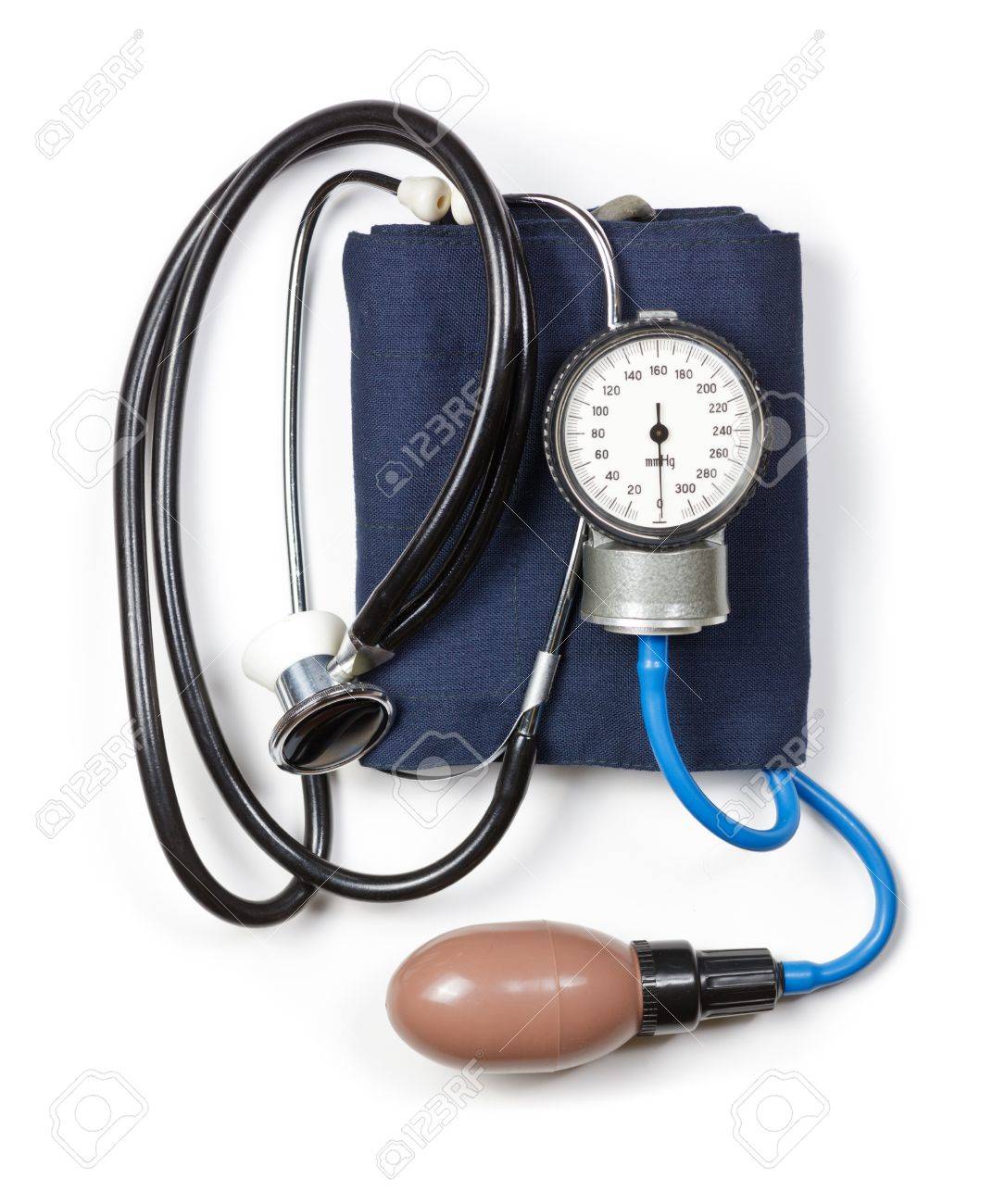
Sphygmomanometer : An instrument for measuring blood pressure, particularly in arteries. The two types of sphygmomanometers are a mercury column and a gauge with a gauge with a dial face.
Sphygmomanometer, instrument for measuring blood pressure. It consists of an inflated rubber cuff, which is wrapped around the upper arm and is connected to an apparatus that records pressure, usually in terms of the height of a column of mercury or on a dial (an aneroid manometer).
An arterial blood pressure reading consists of two numbers, which typically may be recorded as x/y. The x is the systolic pressure, and y is the diastolic pressure.
Systole refers to the contraction of the ventricles of the heart, when blood is forced from the heart into the pulmonary and systemic arterial circulation, and diastole refers to the resting period, when the ventricles expand and receive another supply of blood from the atria.
At each heartbeat blood pressure is raised to the systolic level, and, between beats, it drops to the diastolic level. As the cuff is inflated with air, a stethoscope is placed against the skin at the crook of the arm.
As the air is released, the first sound heard marks the systolic pressure; as the release continues, a dribbling noise is heard. This marks the diastolic pressure, which is department on the elasticity of the arteries.
Based on long- term experience, blood pressure measurement using the mercury sphygmomanometer is regarded as the gold standard method for indirect measurement of blood pressure.
The use of the mercury sphygmomanometer has practical and technical limitations, and requires specific training.
In 1881, Von Basch created the sphygmomanometer and the first non-invasive BP measurements. However, in 1896, Scipione Riva-Rocco developed further the mercury sphygmomanometer, almost as we know it today.
Sphygmomanometer : An instrument for measuring blood pressure, particularly in arteries. The two types of sphygmomanometers are a mercury column and a gauge with a gauge with a dial face.
Sphygmomanometer, instrument for measuring blood pressure. It consists of an inflated rubber cuff, which is wrapped around the upper arm and is connected to an apparatus that records pressure, usually in terms of the height of a column of mercury or on a dial (an aneroid manometer).
An arterial blood pressure reading consists of two numbers, which typically may be recorded as x/y. The x is the systolic pressure, and y is the diastolic pressure.
Systole refers to the contraction of the ventricles of the heart, when blood is forced from the heart into the pulmonary and systemic arterial circulation, and diastole refers to the resting period, when the ventricles expand and receive another supply of blood from the atria.
At each heartbeat blood pressure is raised to the systolic level, and, between beats, it drops to the diastolic level. As the cuff is inflated with air, a stethoscope is placed against the skin at the crook of the arm.
As the air is released, the first sound heard marks the systolic pressure; as the release continues, a dribbling noise is heard. This marks the diastolic pressure, which is department on the elasticity of the arteries.
Based on long- term experience, blood pressure measurement using the mercury sphygmomanometer is regarded as the gold standard method for indirect measurement of blood pressure.
The use of the mercury sphygmomanometer has practical and technical limitations, and requires specific training.
In 1881, Von Basch created the sphygmomanometer and the first non-invasive BP measurements. However, in 1896, Scipione Riva-Rocco developed further the mercury sphygmomanometer, almost as we know it today.
Horticulture is a branch of agriculture that deals with cultivation of fruits, vegetables and ornamental plants. Horticulture is the science and art of the development, sustainable production, marketing and use of high-value, intensively cultivated food and ornamental plants.
They are four main classes of Horticulture ✓Pomology (fruit farming) ✓Olericulture (vegetable farming) ✓Floriculture (flower farming) ✓Landscape gardening
Pomology (fruit farming)
The term pomology is derived from the latin word ‘pomum’ means fruit and ‘logy’ means study. It deals with development, enhancement of fruit quality, cultivation techniques, regulation of production periods and reduction of production cost of fruits.
Olericulture (vegetable farming)
Olericulture is the science of growing vegetables. Vegetable farming can be classified into: ✓Kitchen or Nutrition gardening ✓Commercial gardening ✓Vegetable forcing
Kitchen gardening
Kitchen gardening is growing of vegetables in small scale at household. e.g. Beans, Cabbage, Lady’s finger, Tomato, Brinjal, Carrot, Spinach etc.
Commercial gardening
It is the production of vegetables in large scale to be sold in markets.
Vegetable forcing
It is the method of growing vegetables in buildings, green houses, cold farms or under other artificial growing conditions. It is the most intensive type of vegetable growing. e.g. Cabbage, Tomato, Brinjal etc.
Green House or Poly House
It is a framed structure covered with transparent material to grow crops under partiality or fully controlled environmental conditions to get optimum growth and productivity. It is the fastest growing sector in the agriculture worldwide.
Floriculture (Flower farming)
Floriculture is the art of cultivation of flowering and ornamental plants in garden for beauty of floristry. It is concerned with growing traditional flowers, cut flowers, bedding plants, foliage potted plants, arboriculture trees, turf grass for beautification and value added products like essential oils, pharmaceutical and nutraceutical compounds.
Landscape Gardening
Landscape horticulture is the study of designing and constructing landscapes in homes, business firms and public areas to imitate natural scenery.
Horticulture is a branch of agriculture that deals with cultivation of fruits, vegetables and ornamental plants. Horticulture is the science and art of the development, sustainable production, marketing and use of high-value, intensively cultivated food and ornamental plants.
They are four main classes of Horticulture ✓Pomology (fruit farming) ✓Olericulture (vegetable farming) ✓Floriculture (flower farming) ✓Landscape gardening
Pomology (fruit farming)
The term pomology is derived from the latin word ‘pomum’ means fruit and ‘logy’ means study. It deals with development, enhancement of fruit quality, cultivation techniques, regulation of production periods and reduction of production cost of fruits.
Olericulture (vegetable farming)
Olericulture is the science of growing vegetables. Vegetable farming can be classified into: ✓Kitchen or Nutrition gardening ✓Commercial gardening ✓Vegetable forcing
Kitchen gardening
Kitchen gardening is growing of vegetables in small scale at household. e.g. Beans, Cabbage, Lady’s finger, Tomato, Brinjal, Carrot, Spinach etc.
Commercial gardening
It is the production of vegetables in large scale to be sold in markets.
Vegetable forcing
It is the method of growing vegetables in buildings, green houses, cold farms or under other artificial growing conditions. It is the most intensive type of vegetable growing. e.g. Cabbage, Tomato, Brinjal etc.
Green House or Poly House
It is a framed structure covered with transparent material to grow crops under partiality or fully controlled environmental conditions to get optimum growth and productivity. It is the fastest growing sector in the agriculture worldwide.
Floriculture (Flower farming)
Floriculture is the art of cultivation of flowering and ornamental plants in garden for beauty of floristry. It is concerned with growing traditional flowers, cut flowers, bedding plants, foliage potted plants, arboriculture trees, turf grass for beautification and value added products like essential oils, pharmaceutical and nutraceutical compounds.
Landscape Gardening
Landscape horticulture is the study of designing and constructing landscapes in homes, business firms and public areas to imitate natural scenery.
There are numerous purposes behind singling out children’s rights in a different common liberties Convention . Children are neither the assets of guardians nor of the state, nor are they simple individuals really taking shape; they have equivalent status as individuals from the human family.
Children start life as absolutely dependent creatures , Children should depend on grown-ups for the support and direction they need to develop towards freedom. Such support is undeniably found from grown-ups in children’s families, yet when essential grown-up parental figures can’t address children’s issues, it is up to the State as the essential obligation conveyor to track down an option to the greatest advantage of the child. The activities, or inactions, of government sway children more unequivocally than some other gathering in the public eye . Essentially every space of government strategy – from schooling to general wellbeing – influences children somewhat. Childish policymaking that neglects to consider children adversely affects the fate of all citizenry.
Children’s perspectives ought to be heard and considered in the political interaction , Children by and large don’t cast a ballot and don’t generally partake in political cycles. Without extraordinary thoughtfulness regarding the assessments of children – as communicated at home and in schools, in neighborhood networks and surprisingly in governments – children’s perspectives go unheard on the numerous significant issues that influence them now or will influence them later on. Numerous progressions in the public eye are having an unbalanced, and regularly adverse, sway on children . Change of the family structure, globalization, environmental change, digitalization, mass relocation, moving business designs and a contracting social government assistance net in numerous nations all emphatically affect children. The effect of these progressions can be especially decimating in circumstances of equipped clash and different crises.
The solid improvement of children is essential to the future prosperity of any general public. Since they are as yet creating, children are particularly defenseless – more so than grown-ups – to helpless day to day environments like destitution, insufficient medical services, nourishment, safe water, lodging and ecological contamination. The impacts of infection, hunger and neediness undermine the fate of children and hence the eventual fate of the social orders wherein they live. The expenses for society of bombing its children are colossal
Social examination discoveries show that children’s soonest encounters essentially impact their future turn of events. The course of their improvement decides their commitment, or cost, to society throughout their lives.













 Eduindex
You must be logged in to post a comment.