ENGLISH AS A GLOBAL LANGUAGE

The English language is generally considered as the global language. There are various reasons for the spread of English and its worldwide acceptance. David Crystal in his work titled “English as a Global Language” analyzes the major reasons behind this global status. 

According to David Crystal “ a language achieves a genuinely global status when it develops a special role that is recognized in every country.” This special role is achieved mainly by the use of language in speaking as a mother tongue.As in the case of English in Britain, Canada, U S, Ireland, New zeleand etc. This status is also achieved by other two ways even though it is not used as a mother tongue.Firstly the acceptance of a language as the official language of a country and secondly attaining priority in foreign language teaching even though it has no official status. As in the case of India, the acceptance of English as the official language is an example for this special role. And it can be used as the medium for communication in certain domains such as government, education, law courts, media etc. Other countries like Singapore, Nigeria, Vanuatu and Ghana also accepted English as their official language. It can also be a semi official language by using only in certain domains. The second way for attaining a special role is in the priority in foreign language teaching. The political expediency, desire for commerce, cultural historical contact etc can be considered for choosing foreign language. 

Then arises the question: why do we need a global language? In earlier times translation played a major role in international meetings and conversations. But later it is solved by finding a “lingua- franca” or common language. But there was a geographical limitation for the use of this “lingua – franca” . It can be used only on certain ethnic group of the part of a country as in the case of West Africa. Towards the 1950s various international meetings increased and this led to the need for a single lingua franca. The U N was established in 1945 and other political bodies like UNESCO, UNICEF,WHO established during the second half of the twentieth century. There was a great expense for translation and this strengthened the need for a global language. Apart from these international meetings and travel, with the advancement of technology and the internet people started to communicate to people of various countries simply sitting in their home. This also benefited the growth of the global language. There was a huge development in the second half of the twentieth century in technical, political, social and international domains. The number of countries in the UN increased during this period. So all these are the criteria for the need of a global language.

The use of a global language provides a lot of advantages. This reduces the gap between countries as there is no language or communication barrier. And it forms a strong relationship with nations. Through these relations international trades such as exporting and importing increases and benefits in growth of economy. It also helps in the tourism departments by the communication between people from various countries and natives. Even though there are advantages of having a global language it    has some dangers too. One is Linguistic power. Those who speak a global language as a mother tongue will be automatically in a position of power compared with those who learned this as a second language or official language and this prevents them from carrying out their creative works. Linguistic complacency is the next disadvantage. It happens when a global language threatens to potentially eliminate the motivation for adults to learn other languages. The Linguistic death also happens as a result of a global language. With the emergence of a global language, the disappearance of minority languages occurs and this may cause linguistic death. This mostly occurs when an ethnic community comes to be assimilated within a more dominated society and adopting its language. But nowadays a lot of protests happen for the protection of minority languages and its literature.

English possesses all these qualities to be a global language and it is widely considered as a global language.The cultural and historical factors of English language is the reason behind this. In the history of England we can see that many conquerors came to England and played a significant role in the making of the English language. While other countries invaded neighbouring countries for expanding their power, England being an island began to find new lands and expanded its power. Thus became the biggest empire. This power is the major reason behind the acceptance of English as a global language. They made colonies all over the globe and influenced the culture of these colonies.By the 17th century industrial revolution happened and this paved the way for the spread of the English language. Most of the innovations of the industrial revolution were of English origin. With the advancements in technology , new words have been added to the English lexicon. By the 19th century England also became an economical power. Towards the twentieth century most of the inventions of the society was by England. Pop culture also affected this. This can be the answer to the question of why English is the global language. 

While discussing the future of English as a global language David Crystal says that there are a lot of possibilities for a change in the future of the English language. A significant change in the balance of power can occur and this could affect the standing of other languages. Thus that language becomes more attractive and takes over the position of English. Political factors also make a group of people in a country antagonistic to English. It is evident in the post colonial era. Another factor which may lead to the diminishing of English is the need for expressing the community identity. David Crystal says that the power of English is related to America as it became the dominant element in many of the domains. The US is more involved with international developments and new industrial revolution. Thus the US has more influence in the English language.

So English has played a vital role in many domains all over the globe. Its position and power as the global language is noteworthy. 
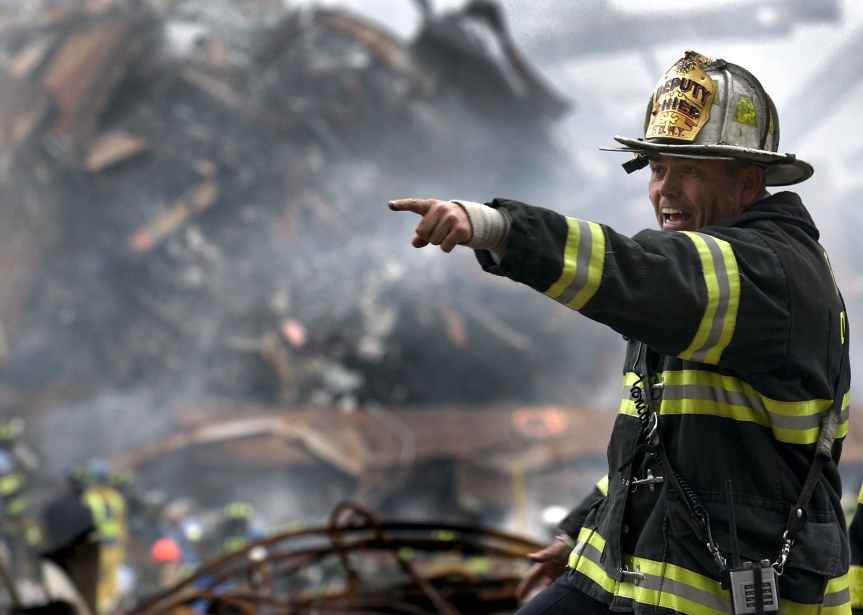
Disaster and disaster management

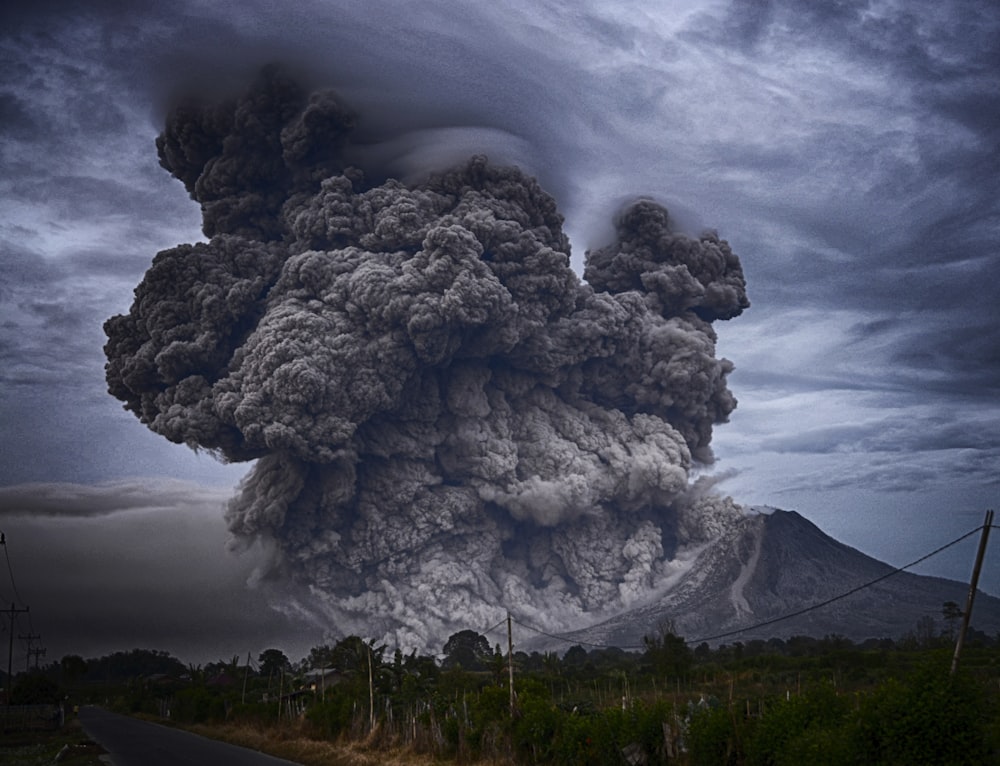
Catastrophe (Disasters) are classified into three types: naturals, man‐made, and hybrid disasters. A natural disaster is a major adverse event resulting from natural processes of the Earth; examples include firestorms, dust storms, floods, hurricanes, tornadoes, volcanic eruptions, earthquakes, tsunamis, storms, and other geologic processes. A normal calamity can cause misfortune of life or harm property, and ordinarily clears out a few financial harm in its wake, the seriousness of which depends on the influenced population’s versatility and on the framework accessible.

A landslide is depicted as an outward and descending slant development of an wealth of slope-forming materials counting shake, soil, manufactured materials, or a combination of these. An seismic tremor is the result of a sudden discharge of vitality within the Earth’s hull that makes seismic waves. At the Earth’s surface, seismic tremors show themselves by vibration, shaking, and in some cases relocation of the ground. Volcanoes can cause far reaching pulverization and resulting catastrophe in a few ways. One danger is the volcanic emission itself, with the constrain of the blast and falling rocks able to cause hurt. Dust storm may be a spread of tidy in dry regions. A manmade disaster is more cascading than a natural disaster an example of natural disaster is Bhopal Gas Tragedy.

Bhopal Gas Tragedy, India : Imagine waking up in the middle of the night in agonizing pain with your eyes and lungs burning. You wonder if you’re going to make it. Many don’t. That was the experience countless residents of Bhopal, India had on December 2, 1984 when the Union Carbide India Limited pesticide plant sprang a gas leak. Over 500,000 people were exposed to methyl isocyanine gas and other chemicals. Thousands of people died within the first hours of the leak, but estimates between 5,000 to upwards of 16,000 deaths resulted from the leak overall.

Deepwater Skyline Oil Spill, Inlet of Mexico It’s difficult to disregard the most noticeably awful and biggest oil spill in human history since it as it were happened less than three a long time prior. It begun on April 20, 2010 when an blast on BP’s Deepwater Skyline oilrig murdered 11 specialists, harmed 17 others, and cleared out the well spouting oil. Initially, BP claimed the spill was fair 1,000 barrels per day, concealing the reality that the well was spilling anyplace from 40,000 to 162,000 barrels a day.

Worldwide Warming, Third Planet from the Sun: Global warming is one of the foremost neglected and continuous man-made fiascos — one that will have the most noteworthy long-term affect on humankind. Over the top sums of nursery gasses, especially CO2, presented into the air have expanded normal worldwide temperatures determining a number of desperate results. Impacts from rising ocean levels, desertification, and harm from strongly super storms like Typhoon Katrina have already created a few of the primary bunches of climate-change outcasts and a few appraise that number to rise to 150 million by 2050.

Hybrid disaster is the third type of disaster. A crossover catastrophe may be a artificial one, when powers of nature are unleashed as a result of specialized disappointment or disrupt. There are disasters that result from both human mistake and normal strengths. These are crossover catastrophes. An case of a crossover disaster is the broad clearing of wildernesses causing soil disintegration, and hence overwhelming rain causing avalanches.

Disaster management is how we deal with the human, material, economic or environmental impacts of said disaster, it is the process of how we “prepare for, respond to and learn from the effects of major failures”

Disaster management has three stages which include disaster prevention, disaster preparedness, and disaster response/relief UNISDR sees Calamity Anticipation as the concept of locks in in exercises which proposed to anticipate or dodge potential unfavorable impacts through activity taken in development, exercises planned to supply security from the event of catastrophes. WCPT so also highlight that whereas not all catastrophes can be avoided, great hazard administration, clearing plans, natural arranging and plan benchmarks can decrease chance of misfortune of life and harm relief. The HYOGO System was one such Worldwide Arrange for common Calamity Hazard Decrease, which was received in 2005 as a 10 year Worldwide Arrange, marked by understanding with 168 Governments which advertised directing standards, needs for activity and viable implies for accomplishing fiasco versatility for defenseless communities.

“The information and capacities created by governments, proficient reaction and recuperation organizations, communities and people to successfully expect, react to, and recoup from, the impacts of likely, inescapable or current danger occasions or conditions” “The provision of emergency services and public assistance during or immediately after a disaster in order to save lives, reduce health impacts, ensure public safety and meet the basic subsistence needs of the people affected”

The lingering effects of unexpected emergencies and disasters are different for everyone. Knowing what to do after an emergency can help reduce stress and aid in a quicker recovery. Recovery is a process the process to repair and restore your life after an emergency or disaster is not easy and takes time, flexibility and patience. Examples of recovery include: removing waste and debris, contacting your insurance company, replacing lost or destroyed documentation, finding a new home, getting mental health support etc.

ONLINE EDUCATION:-

WHAT IS ONLINE EDUCATION:-

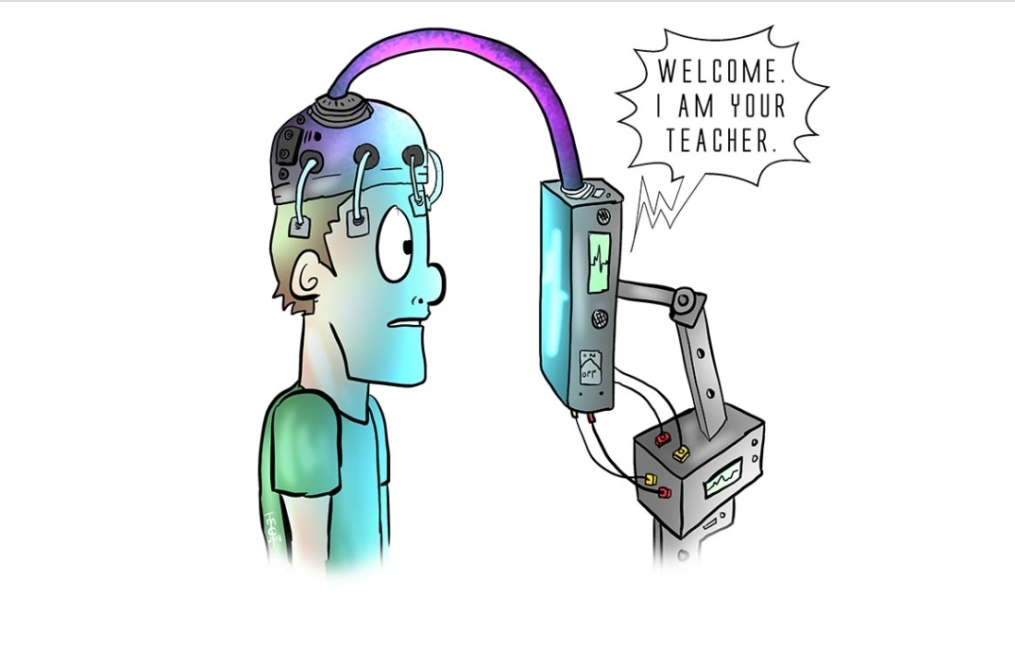
A classroom is method of using cell phones and computers to make teacher and student in connection.This method of education is popularized during the corona.

ONLINE EDUCATION IS EFFECTIVE:-

In my perception online education is not that much effective when compare to the offline classes.Because we started schooling in offline class,Immediate change in method is not acceptable.In offline class we can ask doubts.But in online classes some not get good network.

ADVANTAGES OF ONLINE EDUCATION:-

* It reduce financial costs for students in transportation,meals.

* we can feel more comfortable than offline class.

* Another advantage of online education is that it allows students to attend classes from any location of their choice.

* online lectures can be recorded, archived, and shared for future reference.

DISADVANTAGES OF ONLINE EDUCATION:-

* Little or no face-to-face interaction.

* In online education we have to see screen more time cause headache,damage eyes.

* Another disadvantage is some have network issues unable to ask questions.

* Online courses require more time than on-campus classes.

* Online courses may create a sense of isolation.

HOW WE CAN MAKE ONLINE EDUCATION EFFECTIVE:-

* By Creating shorter content.

* Assign group and pair work.

* Take care in setting up your home environment.

* By giving break or reducing time of class.

* By creating individual learning plans.

IMPORTANCE OF SEX EDUCATION

Sex education is the most important factor which lacks in every individual, especially in India. In India, sex education was considered as some taboo and people were shameful to speak openly about it. But nowadays there is a shift from this norm and now people are free to discuss about sex, sexuality and other related things. Many schools have started teaching students and they give an orientation to children even from a very young age, which include some topics like good touch, bad touch etc.

Sex education involves topics related to human development, relationships, orientation about reproduction sexuality, puberty, gender identity, sexual behavior, sexual health which include knowledge of sexually transmitted diseases, contraception and pregnancy. Sex education also includes the discussion on sexuality in society and culture which include gender roles, diversity etc. WHO defines sex education as “broad program that aims to build a strong foundation for lifelong sexual health by acquiring information and attitude, beliefs and values about one’s identity, relationships and intimacy”.

The importance of sex education increases in this scenario, as the teachers are not willing to take up topics related to sexuality, even though these topics are present in the curriculum and adolescents gather information about sexuality from other ways. This is harmful for them. To tackle this misinformation and ignorance, young students need to get an awareness about sexuality and sexual orientation. They should also be aware about different gender minorities, LGBTQIA, like trans- sexual people, homosexual communities like gay, lesbians etc. They should also respect every gender. Sex education also provides the knowledge to differentiate between ‘sex’ and ‘gender’, as one is the biological aspect and another one is socio cultural to oneself. Gender is the identity one perceives apart from the biological aspect. Sex education is important to know diverse communities and also it enables one to understand about one’s own body. In this way sex education also helps to decrease crimes related to sex.

So sex education is a very important factor in the development of a society. It helps citizens to understand about themselves and others and provides knowledge which helps to decrease many crimes related to sex. As sex is the vital factor in the development of a society, sex education is also vital.

Globalization and Public Administration

There is no denying that globalization has brought about a paradigm shift in the nature and scope of public administration. It has virtually unshackled the discipline from the classical bondage of structure and paved the way for a more flexible, less hierarchical, and accommodative kind of discipline and encouraged a few sceptics and self-styled analysts to proclaim an imminent death of public administration.

However, more than two decades down the line, ever since globalization was first thrust upon nation-states, public administration has not shown absolutely any signs of receding.

On the contrary, rendering those doomsday predictions wrong, public administration has reincarnated in a readjusted form to cope with the new set of challenges.

Traditional notion of public administration

In fact, globalization had increased the urgency of having a more proactive public administration. However, the traditional notion of public administration with a sheltered bureaucracy, rigid hierarchy, and organizational principle no longer exists today. Both structurally and functionally, public administration has experienced a metamorphosis of sorts. Structurally speaking, thanks to the sweeping social – economic – political transformation under globalization, the rigid, hierarchical, and bureaucratic form of governance has given way to a more flexible, dehierarchal, and post – bureaucratic form of governance based on networks and partnership. Similarly, at the functional level, public administration has witnessed a profound transformation in the form of delivery of public goods and services. Until recently, the delivery of goods and services was considered as one of the important functions of public administration. But the onset of globalisation and the eventual rolling back the welfare state ushered in a new collaborative form of public administration, where state administration has had to readjust itself to deliver public goods and services in collaboration with the innumerable other players and NGOs functioning at the societal level.

Hence, public administration in the era of globalisation has been donning a new robe of the ‘enabler’ or ‘facilitator’ by privatizing the substantial part of welfare delivery, namely, contracting out, encouraging private provision, introducing quasimarkets, mobilizing voluntary sectors, and the like.

Reference :
Public Administration in a Globalizing world by Chakrabarty and Kandpal

Web Marketing using the Website Design and Development


What Is Web Marketing?

Marketing that done via the internet (online), is often called as web marketing or online marketing. More people prefer to do web marketing now because it’s less expensive. Some kind of web marketing even free to do. For example, you can start a blog or upload your video on Youtube for free. 

Web marketing is the process of using the Internet to market your business. It includes the use of social media, search engines, blogging, videos, and email. 

Promoting a business takes effort. There are a variety of ways to do it. Designing and developing a website can be one of the methods to promote it. It has been successfully done by https://designlab.net.au/

Traditional advertising in newspapers, on the radio and television, direct mail, and billboards has been around for decades.

It takes your message to the big wide web. You can order website development from us or any online company. 

With tons of people using the internet every day, there are huge opportunities to get your product or service in front of people who need or want it.

Drilling down into it, web marketing takes many forms. 

Banner ads, email promotions, and social media posting are three of the ones you have probably heard about. They, and more, live under the “web marketing” umbrella.


What Are The Benefits Of Web Marketing?

Now that we’ve answered what is web marketing, let’s discuss the benefits. 

Marketing on the web gives you unique benefits that other advertising and promotion avenues don’t.

  1. Cost-effective
  2. Focused
  3. Builds relationships
  4. Easy to adapt and edit
  5. Measurable and easy to determine ROI

What Are The Different Examples Of Web Marketing?

The most common examples of web marketing are SEO, social media, email, PPC, and content but those are not the only ones.

Using the internet to connect with and engage buyers is a smart move. But where do you begin? 

The options are overwhelming, and few companies jump into all of them at once. Here’s a brief overview of your possibilities.

  1. Email Marketing
  2. Social Media Marketing
  3. Content Marketing
  4. Search Engine Optimization
  5. Google Ads or PPC Advertising
  6. Display Ads
  7. Retargeting
Website design and development can play a good role in content marketing and a base for your social media marketing. You cannot take good benefits of PPC and display ads if you don’t have a good website site with good website design and state of the art web hosting services from a good web hosting companies.