

Phobias are outrageous fears of specific items or circumstances.

The term trichophobia comes from the Greek words that signify “hair” (trichos) and “fear” (phobia). An individual who has trichophobia has a constant fear of hair, especially seeing or contacting free hairs on the body, clothing, or somewhere else. This fear can prompt various side effects that might disrupt regular daily existence.
SYMPTOMS
The side effects of trichophobia are different for every individual and fluctuate according to the degree of severity. Likewise with different fears, individuals experience both physical and emotional responses because of the cause of their fears.
| PHYSICAL SYMPTOMS | EMOTIONAL SYMPTOMS |
| Increased heart rate | A need to get away |
| Rapid breathing | A feeling of fear |
| Sweating | Feeling helpless |
| Trembling | Excess tension or panic situation |
| Dizziness | Sensations of falsity |
| Difficulty breathing | feeling you might die |
Children frequently experience an alternate arrangement of side effects with fears. They will most likely be unable to communicate their fear as promptly as grown-ups. Therefore, a youngster might cry, have a fit, or stick to their guardian when apprehensive.
CAUSES
Pinpointing the specific reason for trichophobia might be troublesome. The fear might come on unexpectedly or foster bit by bit over the long run. Some researchers think that it might emerge from:
- stress or nervousness
- depression or other mental health conditions, like trichotillomania
- OCD (obsessive compulsive disorder)
- Other danger elements might make an individual more vulnerable to specific fears. They include:
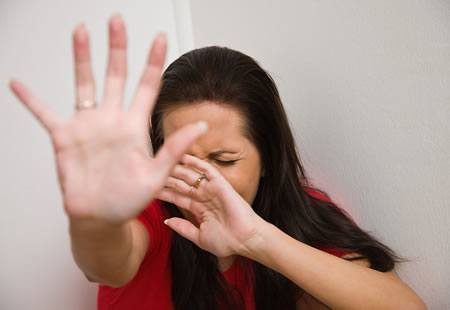
- An individual might have an awful involvement in hair, hair styles, or other traumatic circumstance connected with hair, like patterned hair loss.
- Fears are known to influence youngsters and grown-ups the same. Some might appear as soon as age 10 or have a later beginning.
- Having a direct relation who likewise manages fears or nervousness may likewise put you at higher danger for creating fears yourself. This can be hereditarily acquired or a learned conduct.
- Individuals with more delicate personalities might be at a higher danger of creating fears.
- Individuals may likewise foster fear by learning about or catching wind of awful circumstances that include the feared object.
DIAGNOSIS
In view of the symptoms depicted above, you might have the option to decide whether you have trichophobia. On the off chance that your symptoms are gentle, you may feel like the condition is sensible. For more serious symptoms that are impeding your capacity to work regularly in your day-to-day existence, it is essential to converse with your doctor. While trichophobia isn’t officially perceived by the DSM-5 as a different condition, your primary care physician might determine you to have a particular fear in view of your symptoms. The indicative rules for specific phobias are:

- Absurd, unnecessary fear
- Quick nervousness reaction to the source of the fear (for this situation, hair)
- A critical effect on an individual’s life and capacity to work
- Analysis likewise requires the symptoms to have been available for no less than a half year and not be brought about by another condition.
TREATMENT
For trichophobia, you may start by learning and rehearsing various relaxation methodologies like profound breathing and moderate muscle relaxation. Whenever you have taken in these, you may begin simply by envisioning yourself close to free hair while rehearsing those relaxation methodologies.
Then, you may continue on to a photo of free hair before dynamically working up to definitely seeing free hair or really having it on your skin or apparel. After some time, blending the relaxation reaction with the source of your fear can assist you with figuring out how to deal with your tension at whatever point you experience the feared object.

Cognitive-behavioral therapy (CBT) may likewise be useful to address the fundamental considerations, sentiments, and practices that can add to phobic responses.
While prescriptions are not normally demonstrated in the treatment of explicit fears, they may at times be utilized related to conduct medicines to deal with a portion of the indications of uneasiness.

 Eduindex
You must be logged in to post a comment.