
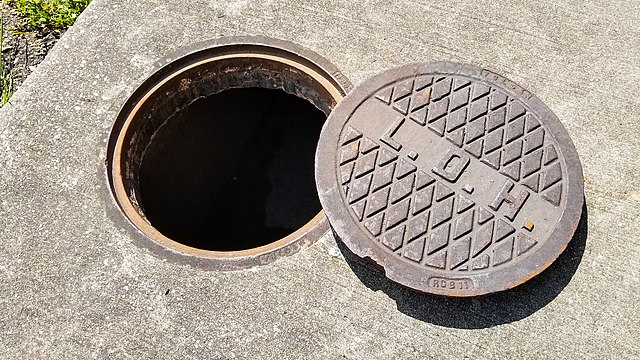
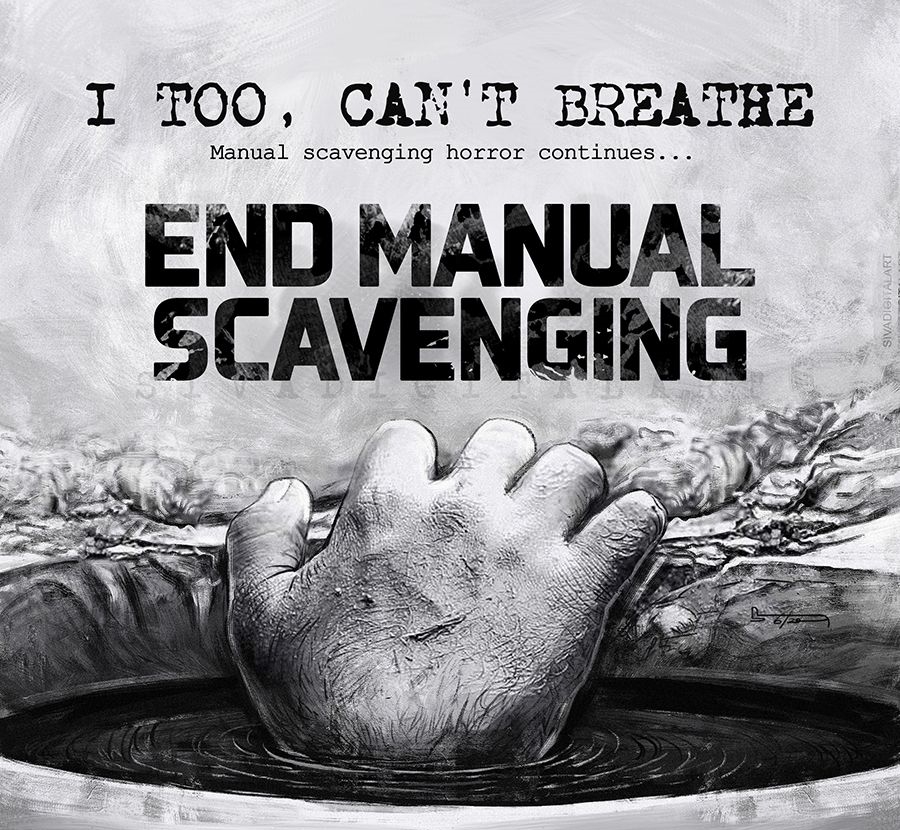
Manual Scavenging: A Dehumanizing Practice

Credit: pin interest

Introduction

The practice of manual scavenging has accursed Indian society since time immemorial. The efforts to abolish this custom have garnered momentum within the state machinery, advocacy groups and academia the last three decades, particularly since the constitution of the Safai Karamchari Andolan (SKA) in 1994. Safaimitra Suraksha Challenge, aims to completely mechanize all septic and sewage tank cleaning operations in 243 cities across India, by April 30, 2021. Officially, the number of manual scavengers dropped to 42,303 in 2018 from 770,338 in 2008. Notwithstanding the said developments, the drastic reduction in the official count in the recent past can be construed as indicative of gross underassessment rather than being reflective of their actual numbers in India.

What is Manual Scavenging?

Manual scavenging is the practice of removing human excreta by hand from sewers or septic tanks. India banned the practice under the Prohibition of Employment as Manual Scavengers and their Rehabilitation Act, 2013 (PEMSR). The Act bans the use of any individual for manually cleaning, carrying, disposing of or otherwise handling in any manner, human excreta till its disposal. In 2013, the definition of manual scavengers was also broadened to include people employed to clean septic tanks, ditches, or railway tracks. The Act recognizes manual scavenging as a “dehumanizing practice,” and cites a need to “correct the historical injustice and indignity suffered by the manual scavengers.”

Why it is still prevalent in India?

The lack of enforcement of the Act and exploitation of unskilled laborers are the reasons why the practice is still prevalent in India. The Mumbai civic body charges anywhere between Rs 20,000 and Rs 30,000 to clean septic tanks. The unskilled laborers, meanwhile, are much cheaper to hire and contractors illegally employ them at a daily wage of Rs 300-500. In 1993, India banned the employment of people as manual scavengers. In 2013, landmark new legislation in the form of the Manual Scavengers Act was passed which seeks to reinforce this ban by prohibiting manual scavenging in all forms and ensures the rehabilitation of manual scavengers to be identified through a mandatory survey. Despite progress, manual scavenging persists in India. According to the India Census 2011, there are more than 2.6 million dry latrines in the country. There are 13,14,652 toilets where human excreta is flushed in open drains and 7,94,390 dry latrines where the human excreta is cleaned manually. Seventy-three percent of these are in rural areas and 27 percent are in urban areas.

Act and its Implementation

The Prohibition of Employment as Manual Scavengers and their Rehabilitation Act, 2013 aims to eliminate insanitary latrines (those not connected to pits/septic tanks/sewage lines) alongside tracking the rehabilitation of manual scavengers in other occupations and conducting periodic surveys. To eliminate this practice, the act has provisions for stringent penalties, for direct or indirect employment of any person in hazardous cleaning of sewers or septic tanks by any person, local authority, or agency. For example, even the first instance of its contravention is punishable with imprisonment up to two years or a fine up to Rs 2 lakh or both. If a worker dies while performing such work, even with safety gear and other precautions, the employer is required to pay compensation of Rs 10 lakh to the family.

Conclusion

The state and society need to take an active interest in the issue and look into all possible options to accurately assess and subsequently eradicate this practice. It also warrants an engagement of all stakeholders for the proper introduction of mechanization and ensuring that it is made available to all those who are forced to engage in this undignified practice.
References

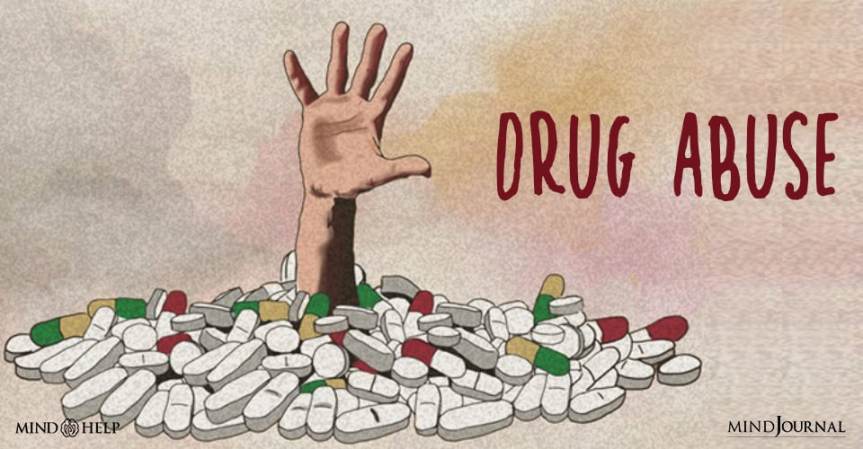
The Crisis of Drug Addiction

Credit: DrugAbuse

Introduction

People from all walks of life can experience problems with their drug use, regardless of age, race, background, or the reason they started using drugs in the first place. Some people experiment with recreational drugs out of curiosity, to have a good time, because friends are doing it, or to ease problems such as stress, anxiety, or depression. However, it’s not just illegal drugs, such as cocaine or heroin, that can lead to abuse and addiction. Prescription medications such as painkillers, sleeping pills, and tranquilizers can cause similar problems. Addiction to opioid painkillers can be so powerful it has become the major risk factor for heroin abuse.

When Drug becomes an Addiction?

Drug abuse is when you use legal or illegal substances in ways you shouldn’t. You might take more than the regular dose of pills or use someone else’s prescription. You may abuse drugs to feel good, ease stress, or avoid reality. But usually, you’re able to change your unhealthy habits or stop using altogether. Addiction is when you can’t stop. Not when it puts your health in danger. Not when it causes financial, emotional, and other problems for you or your loved ones. That urge to get and use drugs can fill up every minute of the day, even if you want to quit. Addiction also is different from physical dependence or tolerance. In cases of physical dependence, withdrawal symptoms happen when you suddenly stop a substance. Tolerance happens when a dose of a substance becomes less effective over time. When you use opioids for pain for a long time, for example, you may develop tolerance and even physical dependence. This doesn’t mean you’re addicted.

Sign and Symptoms of Drug Addiction

Although different drugs have different physical effects, the symptoms of addiction are similar. If you recognize yourself in the following signs and symptoms, talk to someone about your drug use.

  • You’ve built up a drug tolerance: You need to use more of the drug to experience the same effects you used to attain with smaller amounts.
  • You use to avoid or relieve withdrawal symptoms: If you go too long without drugs, you experience symptoms such as nausea, restlessness, insomnia, depression, sweating, shaking, and anxiety.
  • Loss of control over your drug use: You often do drugs or use more than you planned, even though you told yourself you wouldn’t. You may want to stop using, but you feel powerless.
  • Your life revolves around drug use: You spend a lot of time using and thinking about drugs, figuring out how to get them, or recovering from the drug’s effects.
  • You’ve abandoned activities: You used to enjoy such as hobbies, sports, and socializing, because of your drug use.

Warning Signs of Drug Abuse

In recent years, prescription drug abuse has become an escalating problem, most commonly involving opioid painkillers, anti-anxiety medications, sedatives, and stimulants. Many people start taking these drugs to cope with a specific medical problem—taking painkillers following injury or surgery, for example. However, over time, increased doses are needed to achieve the same level of pain relief and some users can become physically dependent, experiencing withdrawal symptoms if they try to quit. One of the earliest warning signs of a developing problem is going through the medication at a faster-than-expected rate. In other cases, people start abusing medication not prescribed to them to experience a high, relieve tension, increase alertness, or improve concentration.

Conclusion

Addiction is a complex problem that affects every aspect of your life. Overcoming addiction requires reaching out for support and making changes to the way you live, deal with problems, and relate to others. Recovery is within your reach but doesn’t try to go it alone; it’s very easy to get discouraged and rationalize “just one more.” Whether you choose to go to rehab, rely on self-help programs, get therapy, or take a self-directed treatment approach, support is essential.

References