

Day: April 17, 2022
Ismat Chughtai: A voice of many Tunes
Ismat Chughtai: A Voice with many Tunes

Ismat Chughtai was most profilic Urdu writer, novelist and filmmaker. She Published Short stories, novels, sketches, plays, radio plays. She wrote extensively on female sexuality, femininity, middle class morality and class conflict. She was born on August 21, 1911 in Badaun, Uttar Pradesh. Ismat Chughtai was born on August 21, 1915, in Badaun, Uttar Pradesh. Her father, Mirza Qasim Beg Chughtai, was a high-ranking government official. She was the youngest of nine siblings, all her sisters had been married until she gained awareness, thus, in her childhood, she only had the company of her brothers, and she continuously challenged their supremacy. Whether it was playing street football and climbing trees, she did everything that girls were forbidden to do at that time.
She studied up to the fourth standard in Agra, and till the eighth standard in Aligarh, but her parents were not in favor of her higher education, instead, they wanted to train her to become a decent housewife. But Ismat wanted to get further educated at any cost, she threatened to run away from home and become a Christian and enter into a missionary school if her education was not continued. Eventually, her father had to kneel in front of her stubbornness and she went to Aligarh and got admission in the tenth standard. Chughtai completed her Bachelor of Arts from Lucknow’s Isabella Thoburn college 1939 where she studied English, Polity and Economics and a teacher training course from Aligarh Muslim University in 1939, In 1941 Chughtai secured a job as a superintendent of Municipal Girls School, Mumbai.
Author’s Writing Guise
Her bold protagonists stood out from the ordinary, her outspoken approach jolted regressive minds & her rebellion themes raised many eyebrows. She is a Icon of women’s empowerment at the same time she was a women who understood the complexities of women’s mind, their surrounding and also their desires all of her writing reflected these complexities in lengths powerful voice of 20th century in Urdu literature, fearlessly talked by feminine sexuality through her powerful writing.
In her writing, we found the great regard to human psychology. She has raised issue of equality between men and women which did not suitable for patriarchal society. Ismat emphasizes on the point that women must treat as human not merely an object of copulation, she has her own physical & emotional needs that needs to be fulfilled and understood. Her writing was realistic with pierce understanding of human life that relentlessly was main component of her artistic consciousness. Through the characters, she depicted the demons of society and tranformed them into joy and gratitude.
Ismat’s Exalted Fabrication of Work
Chughtai most prominent work was Lihaaf that explored the perspective of young girl under the theme of homosexuality. On the contrary, she did not want known by Lihaaf as she mentioned in her memoir, A life in words, Chughtai wrote: I am still labelled as the writer of Lihaaf. The story brought me so much notoriety that I got sick of life and whatever I wrote afterwards got crushed under it’s weights.
Kalyan, Ek Baat, Choten, Do haath, Badan ki khushboo, Amarbel and Aadhi Aurat Aadha khwaab among others. She constantly wrote about women related issues and their oppression they encounter. Her novel Tedhi Lakeer is one of the famous work in Urdu literature; it is Magnus Opus position for her that ensured commentary on the state of the country pre – Independence. Ziddi, saudai, Ajeeb Aadmi were others novels of her. For Garm Hawa the film based on impact of partition she earned filmfare award for best story(that shared with kaifi azmi).
For her remarkable literary services, Ismat received many significant awards and prizes from government and non-government organizations. In 1975, she was awarded the Padma Shri by the Government of India. The Madhya Pradesh government awarded her the Iqbal Samman in 1999, the Ghalib Award and the Filmfare Award. On October 24, 1991, she died in physical form but very much alive forever through her work.
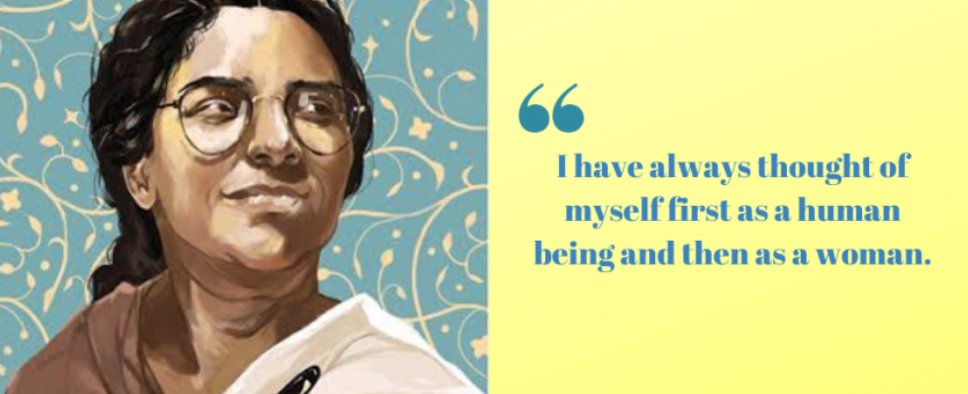
Ismat Chughtai: A Voice with many Tunes
Ismat Chughtai was most profilic Urdu writer, novelist and filmmaker. She Published Short stories, novels, sketches, plays, radio plays. She wrote extensively on female sexuality, femininity, middle class morality and class conflict. She was born on August 21, 1911 in Badaun, Uttar Pradesh. Ismat Chughtai was born on August 21, 1915, in Badaun, Uttar Pradesh. Her father, Mirza Qasim Beg Chughtai, was a high-ranking government official. She was the youngest of nine siblings, all her sisters had been married until she gained awareness, thus, in her childhood, she only had the company of her brothers, and she continuously challenged their supremacy. Whether it was playing street football and climbing trees, she did everything that girls were forbidden to do at that time.
She studied up to the fourth standard in Agra, and till the eighth standard in Aligarh, but her parents were not in favor of her higher education, instead, they wanted to train her to become a decent housewife. But Ismat wanted to get further educated at any cost, she threatened to run away from home and become a Christian and enter into a missionary school if her education was not continued. Eventually, her father had to kneel in front of her stubbornness and she went to Aligarh and got admission in the tenth standard. Chughtai completed her Bachelor of Arts from Lucknow’s Isabella Thoburn college 1939 where she studied English, Polity and Economics and a teacher training course from Aligarh Muslim University in 1939, In 1941 Chughtai secured a job as a superintendent of Municipal Girls School, Mumbai.
Author’s Writing Guise
Her bold protagonists stood out from the ordinary, her outspoken approach jolted regressive minds & her rebellion themes raised many eyebrows. She is a Icon of women’s empowerment at the same time she was a women who understood the complexities of women’s mind, their surrounding and also their desires all of her writing reflected these complexities in lengths powerful voice of 20th century in Urdu literature, fearlessly talked by feminine sexuality through her powerful writing.
In her writing, we found the great regard to human psychology. She has raised issue of equality between men and women which did not suitable for patriarchal society. Ismat emphasizes on the point that women must treat as human not merely an object of copulation, she has her own physical & emotional needs that needs to be fulfilled and understood. Her writing was realistic with pierce understanding of human life that relentlessly was main component of her artistic consciousness. Through the characters, she depicted the demons of society and tranformed them into joy and gratitude.
Ismat’s Exalted Fabrication of Work
Chughtai most prominent work was Lihaaf that explored the perspective of young girl under the theme of homosexuality. On the contrary, she did not want known by Lihaaf as she mentioned in her memoir, A life in words, Chughtai wrote: I am still labelled as the writer of Lihaaf. The story brought me so much notoriety that I got sick of life and whatever I wrote afterwards got crushed under it’s weights.
Kalyan, Ek Baat, Choten, Do haath, Badan ki khushboo, Amarbel and Aadhi Aurat Aadha khwaab among others. She constantly wrote about women related issues and their oppression they encounter. Her novel Tedhi Lakeer is one of the famous work in Urdu literature; it is Magnus Opus position for her that ensured commentary on the state of the country pre – Independence. Ziddi, saudai, Ajeeb Aadmi were others novels of her. For Garm Hawa the film based on impact of partition she earned filmfare award for best story(that shared with kaifi azmi).
For her remarkable literary services, Ismat received many significant awards and prizes from government and non-government organizations. In 1975, she was awarded the Padma Shri by the Government of India. The Madhya Pradesh government awarded her the Iqbal Samman in 1999, the Ghalib Award and the Filmfare Award. On October 24, 1991, she died in physical form but very much alive forever through her work.
The Future of Artificial Intelligence

Introduction
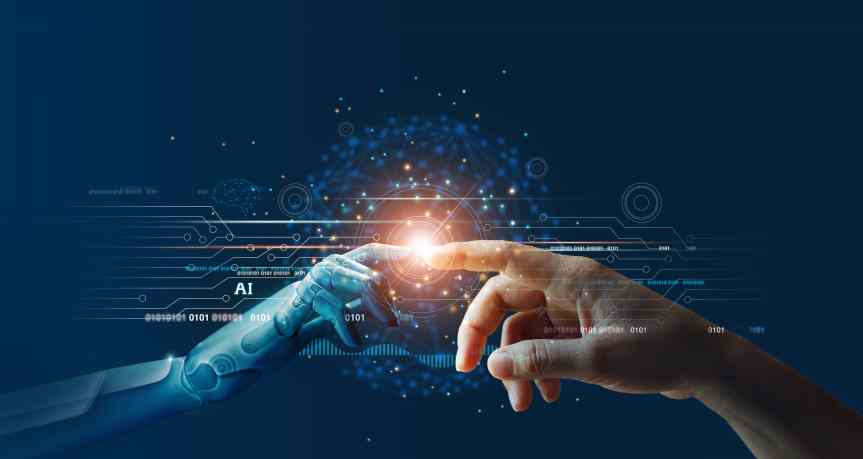
AI research follows two distinct, and to some extent competing, methods, the symbolic (or “top-down”) approach, and the connectionist (or “bottom-up”) approach. The top-down approach seeks to replicate intelligence by analyzing cognition independent of the biological structure of the brain, in terms of the processing of symbols—whence the symbolic label. The bottom-up approach, on the other hand, involves creating artificial neural networks in imitation of the brain’s structure—whence the connectionist label.
What is Artificial Intelligence?
Artificial intelligence (AI), is the ability of a digital computer or computer-controlled robot to perform tasks commonly associated with intelligent beings. The term is frequently applied to the project of developing systems endowed with the intellectual processes characteristic of humans, such as the ability to reason, discover meaning, generalize, or learn from past experience. Since the development of the digital computer in the 1940s, it has been demonstrated that computers can be programmed to carry out very complex tasks—as, for example, discovering proofs for mathematical theorems or playing chess—with great proficiency.
How does AI Work?
Less than a decade after breaking the Nazi encryption machine Enigma and helping the Allied Forces win World War II, mathematician Alan Turing changed history a second time with a simple question: “Can machines think?” Turing’s paper “Computing Machinery and Intelligence” (1950), and its subsequent Turing Test, established the fundamental goal and vision of artificial intelligence. At its core, AI is the branch of computer science that aims to answer Turing’s question in the affirmative. It is the endeavor to replicate or simulate human intelligence in machines. The expansive goal of artificial intelligence has given rise to many questions and debates. So much so, that no singular definition of the field is universally accepted.
Types of Artificial Intelligence
Reactive Machines
A reactive machine follows the most basic of AI principles and, as its name implies, is capable of only using its intelligence to perceive and react to the world in front of it. A reactive machine cannot store a memory and as a result cannot rely on past experiences to inform decision making in real-time.
Limited Memory
Limited memory artificial intelligence has the ability to store previous data and predictions when gathering information and weighing potential decisions — essentially looking into the past for clues on what may come next. Limited memory artificial intelligence is more complex and presents greater possibilities than reactive machines.
Self-awareness
Once Theory of Mind can be established in artificial intelligence, sometime well into the future, the final step will be for AI to become self-aware. This kind of artificial intelligence possesses human-level consciousness and understands its own existence in the world, as well as the presence and emotional state of others.
Evolution of AI
IFM is just one of countless AI innovators in a field that’s hotter than ever and getting more so all the time. Here’s a good indicator: Of the 9,100 patients received by IBM inventors in 2018, 1,600 (or nearly 18 percent) were AI-related. Here’s another: Tesla founder and tech titan Elon Musk recently donated $10 million to fund ongoing research at the non-profit research company OpenAI — a mere drop in the proverbial bucket if his $1 billion co-pledge in 2015 is any indication. And in 2017, Russian President Vladimir Putin told school children that “Whoever becomes the leader in this sphere [AI] will become the ruler of the world.” He then tossed his head back and laughed maniacally.
Future of AI
Some sectors are at the start of their AI journey, others are veteran travelers. Both have a long way to go. Regardless, the impact artificial intelligence is having on our present day lives is hard to ignore:
- Transportation: Although it could take a decade or more to perfect them, autonomous cars will one day ferry us from place to place.
- Manufacturing: AI powered robots work alongside humans to perform a limited range of tasks like assembly and stacking, and predictive analysis sensors keep equipment running smoothly.
- Healthcare: In the comparatively AI-nascent field of healthcare, diseases are more quickly and accurately diagnosed, drug discovery is sped up and streamlined, virtual nursing assistants monitor patients and big data analysis helps to create a more personalized patient experience.
- Education: Textbooks are digitized with the help of AI, early-stage virtual tutors assist human instructors and facial analysis gauges the emotions of students to help determine who’s struggling or bored and better tailor the experience to their individual needs.
Conclusion
Artificial intelligence is impacting the future of virtually every industry and every human being. Artificial intelligence has acted as the main driver of emerging technologies like big data, robotics and IoT, and it will continue to act as a technological innovator for the foreseeable future. AI is projected to have a lasting impact on just about every industry imaginable. We’re already seeing artificial intelligence in our smart devices, cars, healthcare system and favorite apps, and we’ll continue to see its influence permeate deeper into many other industries for the foreseeable future.
References
The Future of Artificial Intelligence
Introduction
AI research follows two distinct, and to some extent competing, methods, the symbolic (or “top-down”) approach, and the connectionist (or “bottom-up”) approach. The top-down approach seeks to replicate intelligence by analyzing cognition independent of the biological structure of the brain, in terms of the processing of symbols—whence the symbolic label. The bottom-up approach, on the other hand, involves creating artificial neural networks in imitation of the brain’s structure—whence the connectionist label.
What is Artificial Intelligence?
Artificial intelligence (AI), is the ability of a digital computer or computer-controlled robot to perform tasks commonly associated with intelligent beings. The term is frequently applied to the project of developing systems endowed with the intellectual processes characteristic of humans, such as the ability to reason, discover meaning, generalize, or learn from past experience. Since the development of the digital computer in the 1940s, it has been demonstrated that computers can be programmed to carry out very complex tasks—as, for example, discovering proofs for mathematical theorems or playing chess—with great proficiency.
How does AI Work?
Less than a decade after breaking the Nazi encryption machine Enigma and helping the Allied Forces win World War II, mathematician Alan Turing changed history a second time with a simple question: “Can machines think?” Turing’s paper “Computing Machinery and Intelligence” (1950), and its subsequent Turing Test, established the fundamental goal and vision of artificial intelligence. At its core, AI is the branch of computer science that aims to answer Turing’s question in the affirmative. It is the endeavor to replicate or simulate human intelligence in machines. The expansive goal of artificial intelligence has given rise to many questions and debates. So much so, that no singular definition of the field is universally accepted.
Types of Artificial Intelligence
Reactive Machines
A reactive machine follows the most basic of AI principles and, as its name implies, is capable of only using its intelligence to perceive and react to the world in front of it. A reactive machine cannot store a memory and as a result cannot rely on past experiences to inform decision making in real-time.
Limited Memory
Limited memory artificial intelligence has the ability to store previous data and predictions when gathering information and weighing potential decisions — essentially looking into the past for clues on what may come next. Limited memory artificial intelligence is more complex and presents greater possibilities than reactive machines.
Self-awareness
Once Theory of Mind can be established in artificial intelligence, sometime well into the future, the final step will be for AI to become self-aware. This kind of artificial intelligence possesses human-level consciousness and understands its own existence in the world, as well as the presence and emotional state of others.
Evolution of AI
IFM is just one of countless AI innovators in a field that’s hotter than ever and getting more so all the time. Here’s a good indicator: Of the 9,100 patients received by IBM inventors in 2018, 1,600 (or nearly 18 percent) were AI-related. Here’s another: Tesla founder and tech titan Elon Musk recently donated $10 million to fund ongoing research at the non-profit research company OpenAI — a mere drop in the proverbial bucket if his $1 billion co-pledge in 2015 is any indication. And in 2017, Russian President Vladimir Putin told school children that “Whoever becomes the leader in this sphere [AI] will become the ruler of the world.” He then tossed his head back and laughed maniacally.
Future of AI
Some sectors are at the start of their AI journey, others are veteran travelers. Both have a long way to go. Regardless, the impact artificial intelligence is having on our present day lives is hard to ignore:
- Transportation: Although it could take a decade or more to perfect them, autonomous cars will one day ferry us from place to place.
- Manufacturing: AI powered robots work alongside humans to perform a limited range of tasks like assembly and stacking, and predictive analysis sensors keep equipment running smoothly.
- Healthcare: In the comparatively AI-nascent field of healthcare, diseases are more quickly and accurately diagnosed, drug discovery is sped up and streamlined, virtual nursing assistants monitor patients and big data analysis helps to create a more personalized patient experience.
- Education: Textbooks are digitized with the help of AI, early-stage virtual tutors assist human instructors and facial analysis gauges the emotions of students to help determine who’s struggling or bored and better tailor the experience to their individual needs.
Conclusion
Artificial intelligence is impacting the future of virtually every industry and every human being. Artificial intelligence has acted as the main driver of emerging technologies like big data, robotics and IoT, and it will continue to act as a technological innovator for the foreseeable future. AI is projected to have a lasting impact on just about every industry imaginable. We’re already seeing artificial intelligence in our smart devices, cars, healthcare system and favorite apps, and we’ll continue to see its influence permeate deeper into many other industries for the foreseeable future.
References
Paternity Leave: Why aren’t more Men taking it?
Introduction
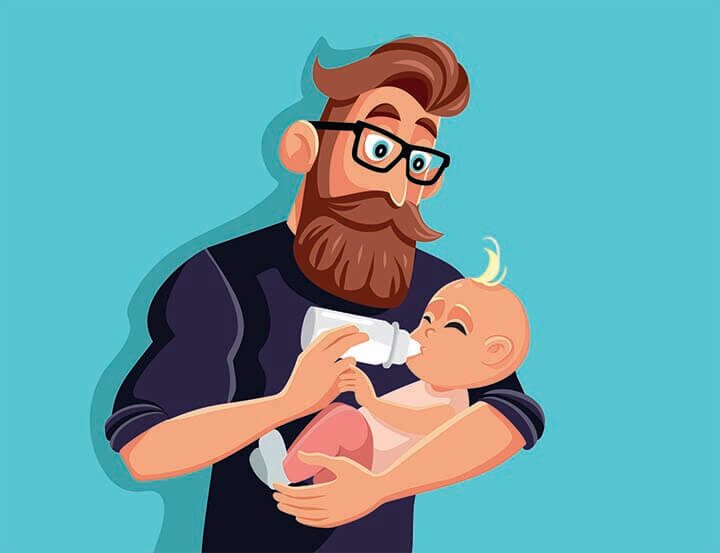
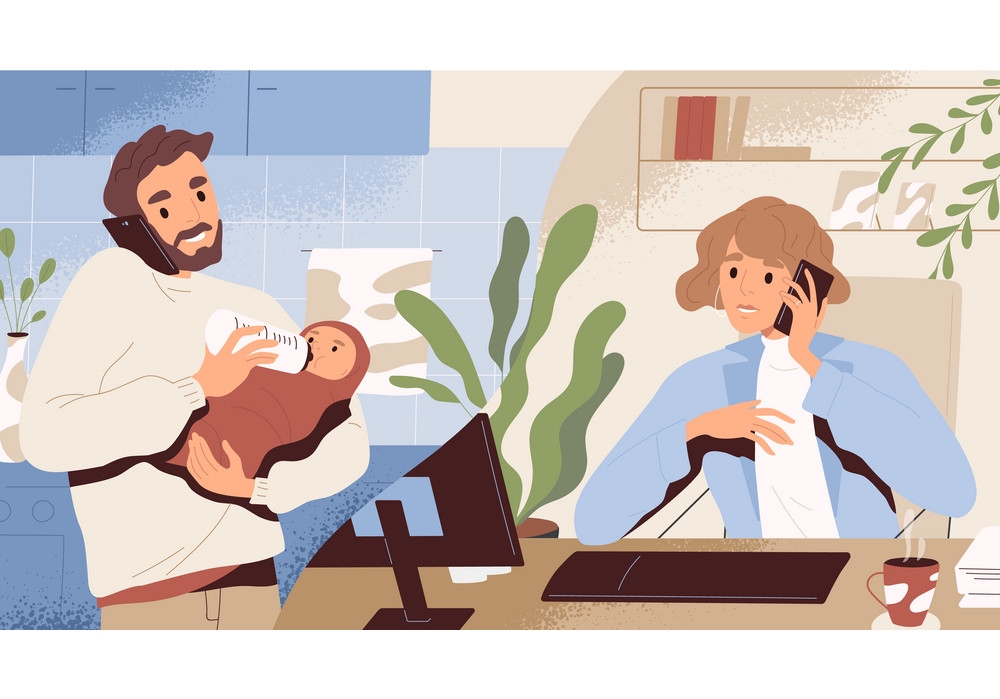
The number of countries where paternity leave is enshrined in law has more than doubled to about 90 in the last 20 years; and globally, at least four out of every 10 organizations are thought to provide paid leave above the statutory minimum. Yet, the proportion of men who take more than a few days off work when their child is born is tiny. Most cite fears of being discriminated against professionally, missing out on pay raises and promotions, being marginalized, or even mocked as reasons for not taking time off. Academics consider these concerns to be the effect of deeply ingrained and highly damaging stereotypes around gender – and suggest that changing this will require significant cultural shifts as well as better institutional provision of paid paternity leave.
What is Paternity Leave?
Parental leave, or family leave, is an employee benefit available in almost all countries. The term “parental leave” may include maternity, paternity, and adoption leave; or may be used distinctively from “maternity leave” and “paternity leave” to describe separate family leaves available to either parent to care for small children. In some countries and jurisdictions, “family leave” also includes leave provided to care for ill family members. Often, the minimum benefits and eligibility requirements are stipulated by law. Unpaid parental or family leave is provided when an employer is required to hold an employee’s job while that employee is taking leave. Paid parental or family leave provides paid time off work to care for or make arrangements for the welfare of a child or dependent family member.
Internalized Stereotype
The number of countries where paternity leave is enshrined in law has more than doubled to about 90 in the last 20 years; and globally, at least four out of every 10 organisations are thought to provide paid leave above the statutory minimum. Yet, the proportion of men who take more than a few days off work when their child is born is tiny. Most cite fears of being discriminated against professionally, missing out on pay rises and promotions, being marginalized or even mocked as reasons for not taking time off. Academics consider these concerns to be the effect of deeply ingrained and highly damaging stereotypes around gender – and suggest that changing this will require significant cultural shifts as well as better institutional provision of paid paternity leave.
Unspoken Norms
Workplace experts are warning that the immense uncertainty created by the Covid-19 pandemic – and specifically anxiety around job security – is only likely to have exacerbated workers’ concerns about taking time off. In one survey of over 500 US fathers conducted at the end of May, about two-thirds of respondents admitted that there was an unspoken rule that men at their jobs should not take full paternity leave – and that taking as little as possible was “a badge of honour”. Ninety percent of those surveyed reported their employer offered less than 12 weeks of paternity leave, but almost two-thirds said that they planned to take less than half of that.
No Role Model
Forbes believes it’s important to have visible “fatherhood champions” at companies, across different sections and departments both to inspire fathers to take leave and also improve their knowledge of leave provisions. “Also, if managers are knowledgeable of the organization’s offering around paternity leave and shared parental leave, this will lead to parents being more aware of what their entitlements are.” Thekla Morgenroth, a research fellow also considers role models to be of paramount importance. “If other men are taking parental leave at a specific company, it shows that taking parental leave is normal and acceptable for men to do,” they explain. “These effects are likely particularly pronounced when men in leadership positions take parental leave because they can act as role models and demonstrate that you can be successful even if you take parental leave.”
Conclusion
In the absence of this kind of comprehensive legislation, however, Banister believes that employers should reduce barriers to taking paternity leave by “normalizing employees taking leave during the first year of their child’s birth or adoption, regardless of the employees’ gender or sexual orientation”. There are more specific considerations too, she says, such as the timing of the leave. Company-subsidized parental leave, if offered, is often restricted to the first few months – when it may suit parents better for the mother to be at home, especially if she is breastfeeding. If employers gave all parents decent pay for some time, regardless of when they take it (and in addition to a period of fully-paid paternity leave around the time of the birth), this would give parents much more flexibility.
References
Paternity Leave: Why aren't more Men taking it?
Introduction
The number of countries where paternity leave is enshrined in law has more than doubled to about 90 in the last 20 years; and globally, at least four out of every 10 organizations are thought to provide paid leave above the statutory minimum. Yet, the proportion of men who take more than a few days off work when their child is born is tiny. Most cite fears of being discriminated against professionally, missing out on pay raises and promotions, being marginalized, or even mocked as reasons for not taking time off. Academics consider these concerns to be the effect of deeply ingrained and highly damaging stereotypes around gender – and suggest that changing this will require significant cultural shifts as well as better institutional provision of paid paternity leave.
What is Paternity Leave?
Parental leave, or family leave, is an employee benefit available in almost all countries. The term “parental leave” may include maternity, paternity, and adoption leave; or may be used distinctively from “maternity leave” and “paternity leave” to describe separate family leaves available to either parent to care for small children. In some countries and jurisdictions, “family leave” also includes leave provided to care for ill family members. Often, the minimum benefits and eligibility requirements are stipulated by law. Unpaid parental or family leave is provided when an employer is required to hold an employee’s job while that employee is taking leave. Paid parental or family leave provides paid time off work to care for or make arrangements for the welfare of a child or dependent family member.
Internalized Stereotype
The number of countries where paternity leave is enshrined in law has more than doubled to about 90 in the last 20 years; and globally, at least four out of every 10 organisations are thought to provide paid leave above the statutory minimum. Yet, the proportion of men who take more than a few days off work when their child is born is tiny. Most cite fears of being discriminated against professionally, missing out on pay rises and promotions, being marginalized or even mocked as reasons for not taking time off. Academics consider these concerns to be the effect of deeply ingrained and highly damaging stereotypes around gender – and suggest that changing this will require significant cultural shifts as well as better institutional provision of paid paternity leave.
Unspoken Norms
Workplace experts are warning that the immense uncertainty created by the Covid-19 pandemic – and specifically anxiety around job security – is only likely to have exacerbated workers’ concerns about taking time off. In one survey of over 500 US fathers conducted at the end of May, about two-thirds of respondents admitted that there was an unspoken rule that men at their jobs should not take full paternity leave – and that taking as little as possible was “a badge of honour”. Ninety percent of those surveyed reported their employer offered less than 12 weeks of paternity leave, but almost two-thirds said that they planned to take less than half of that.
No Role Model
Forbes believes it’s important to have visible “fatherhood champions” at companies, across different sections and departments both to inspire fathers to take leave and also improve their knowledge of leave provisions. “Also, if managers are knowledgeable of the organization’s offering around paternity leave and shared parental leave, this will lead to parents being more aware of what their entitlements are.” Thekla Morgenroth, a research fellow also considers role models to be of paramount importance. “If other men are taking parental leave at a specific company, it shows that taking parental leave is normal and acceptable for men to do,” they explain. “These effects are likely particularly pronounced when men in leadership positions take parental leave because they can act as role models and demonstrate that you can be successful even if you take parental leave.”
Conclusion
In the absence of this kind of comprehensive legislation, however, Banister believes that employers should reduce barriers to taking paternity leave by “normalizing employees taking leave during the first year of their child’s birth or adoption, regardless of the employees’ gender or sexual orientation”. There are more specific considerations too, she says, such as the timing of the leave. Company-subsidized parental leave, if offered, is often restricted to the first few months – when it may suit parents better for the mother to be at home, especially if she is breastfeeding. If employers gave all parents decent pay for some time, regardless of when they take it (and in addition to a period of fully-paid paternity leave around the time of the birth), this would give parents much more flexibility.
References
The Future of Cryptocurrency

Introduction
Cryptocurrencies are digital or virtual currencies underpinned by cryptographic systems. They enable secure online payments without the use of third-party intermediaries. “Crypto” refers to the various encryption algorithms and cryptographic techniques that safeguard these entries, such as elliptical curve encryption, public-private key pairs, and hashing functions. Cryptocurrencies can be mined or purchased from cryptocurrency exchanges. Not all eCommerce sites allow purchases using cryptocurrencies. In fact, cryptocurrencies, even popular ones like Bitcoin, are hardly used for retail transactions.
What is Cryptocurrency?
A cryptocurrency is a digital or virtual currency that is secured by cryptography, which makes it nearly impossible to counterfeit or double-spend. Many cryptocurrencies are decentralized networks based on blockchain technology—a distributed ledger enforced by a disparate network of computers. A defining feature of cryptocurrencies is that they are generally not issued by any central authority, rendering them theoretically immune to government interference or manipulation.
Blockchain Technology
Central to the appeal and functionality of Bitcoin and other cryptocurrencies is blockchain technology. As its name indicates, a blockchain is essentially a set of connected blocks or an online ledger. Each block contains a set of transactions that have been independently verified by each member of the network. Every new block generated must be verified by each node before being confirmed, making it almost impossible to forge transaction histories. The contents of the online ledger must be agreed upon by the entire network of an individual node, or computer maintaining a copy of the ledger.
Types of Cryptocurrency
Bitcoin is the most popular and valuable cryptocurrency. An anonymous person called Satoshi Nakamoto invented it and introduced it to the world via a white paper in 2008. There are thousands of cryptocurrencies present in the market today. Each cryptocurrency claims to have a different function and specification. For example, Ethereum’s ether markets itself as gas for the underlying smart contract platform. Ripple’s XRP is used by banks to facilitate transfers between different geographies. Bitcoin, which was made available to the public in 2009, remains the most widely traded and covered cryptocurrency. As of November 2021, there were over 18.8 million bitcoins in circulation with a total market cap of around $1.2 trillion. Only 21 million bitcoins will ever exist.
Is Cryptocurrency Legal?
Fiat currencies derive their authority as mediums of the transaction from the government or monetary authorities. For example, each dollar bill is backstopped by the Federal Reserve. But cryptocurrencies are not backed by any public or private entities. Therefore, it has been difficult to make a case for their legal status in different financial jurisdictions throughout the world. It doesn’t help matters that cryptocurrencies have largely functioned outside most existing financial infrastructure. The legal status of cryptocurrencies has implications for their use in daily transactions and trading. In June 2019, the Financial Action Task Force (FATF) recommended that wire transfers of cryptocurrencies should be subject to the requirements of its Travel Rule, which requires AML compliance. As of December 2021, El Salvador was the only country in the world to allow Bitcoin as legal tender for monetary transactions. In the rest of the world, cryptocurrency regulation varies by jurisdiction.
Future of Cryptocurrency
A cryptocurrency that aspires to become part of the mainstream financial system may have to satisfy widely divergent criteria. It would need to be mathematically complex (to avoid fraud and hacker attacks) but easy for consumers to understand; decentralized but with adequate consumer safeguards and protection; and preserve user anonymity without being a conduit for tax evasion, money laundering, and other nefarious activities. Since these are formidable criteria to satisfy, is it possible that the most popular cryptocurrency in a few years could have attributes that fall in between heavily-regulated fiat currencies and today’s cryptocurrencies?
Conclusion
The emergence of Bitcoin has sparked a debate about its future and that of other cryptocurrencies. Despite Bitcoin’s recent issues, its success since its 2009 launch has inspired the creation of alternative cryptocurrencies such as Ethereum, Litecoin, and Ripple. A cryptocurrency that aspires to become part of the mainstream financial system would have to satisfy very divergent criteria. While that possibility looks remote, there is little doubt that Bitcoin’s success or failure in dealing with the challenges it faces may determine the fortunes of other cryptocurrencies in the years ahead.
References
The Roots of STEM Talent of India
Introduction
The Information Technology sector in India has built its reputation by providing cost-effective solutions and providing employment to millions of people in the process. However, the full-time research workforce in India was estimated to be just 2,00,000 in 2015 by UNESCO. Are we, as a nation, adequately promoting careers in Science, Technology, Engineering, and Mathematics (STEM) subjects, and are we even able to generate enough talent for our own demand? Are we losing some of our best minds to other countries because of a lack of support and opportunities?
What is STEM?
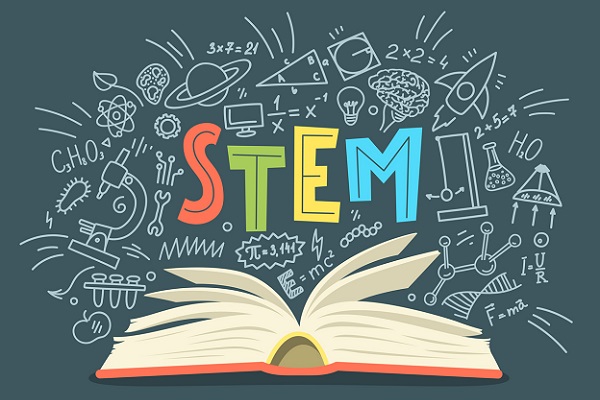
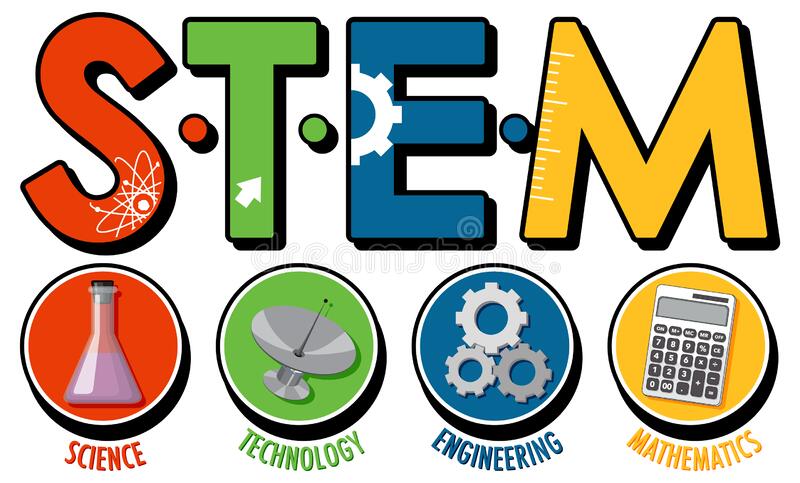
STEM, in full science, technology, engineering, and mathematics, field, and curriculum centered on education in the disciplines of science, technology, engineering, and mathematics (STEM). The STEM acronym was introduced in 2001 by scientific administrators at the U.S. National Science Foundation (NSF). The organization previously used the acronym SMET when referring to the career fields in those disciplines or a curriculum that integrated knowledge and skills from those fields. In 2001, however, American biologist Judith Ramaley, then assistant director of education and human resources at NSF, rearranged the words to form the STEM acronym.
Women in STEM
Under-representation of women and gender pay gaps are well-recognized global challenges in STEM sectors. While Indian Technology firms can still boast of a relatively better female-to-male ratio, according to UNESCO estimates, only 14 percent of the researchers in India are women. Even engineering colleges have skewed gender ratio in favor of male students, and according to a Kelly Global Workforce Insights (KGWI) survey, 81 percent of the women in STEM fields in India have perceived a gender bias during performance evaluation. The annual ‘Girls in Tech’ MasterCard research indicates that while interest in STEM careers is increasing gradually, women are still less likely than men to pursue a STEM career and less likely to remain in the field for their entire career owing to male dominance in the fields.
STEM Sector in India
The focus on building the scientific prowess of the masses, and bet on specialized educational institutions to do the same, institutions like the Indian Institute of Technology (IIT), Indian Institute of Science (IISc), and All India Institute of Medical Science (AIIMS) was founded and promoted to develop the country’s scientific and technical manpower, and in the process help the society and economy prosper. However, with time, these institutes have largely been reduced to stepping stones for a well-paying career. Especially in the last two decades, the relentless quest of students, and their parents, to ensure admission to such premier institutes has given rise to an astronomical coaching classes industry as well. A particular blow to STEM education came when the All India Council for Technical Education (AICTE) liberally allowed the setting up of engineering institutes across the country a few years ago. The move was undertaken in anticipation of a huge demand for engineering studies. However, this not only eroded the value conferred on an engineering degree but also compromised the quality of education and training provided on a fundamental level.
Making STEM a Priority
The first step towards fixing what’s broken is the identification and acknowledgment of the present challenges and understanding the context in which they arise. In other words, the government and the private education sector must make a genuine attempt at understanding their shortcomings, and reflect on why so few Indian institutes are recognized for quality STEM education and training. Establishing global partnerships with countries that have built sophisticated STEM expertise is critical to paving the way for knowledge exchange and skill development. While American and European universities are known for their focus on STEM education, countries in the networks of BRICS and ASEAN could also prove to be beneficial partners. This also needs to be backed by healthy funding to develop independent institutes that focus on research, pure sciences, and other derivatives of STEM subjects. The Indeed survey showed that job seekers in the age group of 21-25 were 12 percent more inclined towards jobs in STEM sectors than in others. Inculcating innovation and creativity in young minds and encouraging them to pursue dedicated courses right from the moment they stepped into the formal education system is essential. However, in the present system, STEM studies might simply be added as an additional layer to the existing curriculum and would increase pressure on students and teachers alike.
References
The Roots of STEM Talent of India
Introduction
The Information Technology sector in India has built its reputation by providing cost-effective solutions and providing employment to millions of people in the process. However, the full-time research workforce in India was estimated to be just 2,00,000 in 2015 by UNESCO. Are we, as a nation, adequately promoting careers in Science, Technology, Engineering, and Mathematics (STEM) subjects, and are we even able to generate enough talent for our own demand? Are we losing some of our best minds to other countries because of a lack of support and opportunities?
What is STEM?
STEM, in full science, technology, engineering, and mathematics, field, and curriculum centered on education in the disciplines of science, technology, engineering, and mathematics (STEM). The STEM acronym was introduced in 2001 by scientific administrators at the U.S. National Science Foundation (NSF). The organization previously used the acronym SMET when referring to the career fields in those disciplines or a curriculum that integrated knowledge and skills from those fields. In 2001, however, American biologist Judith Ramaley, then assistant director of education and human resources at NSF, rearranged the words to form the STEM acronym.
Women in STEM
Under-representation of women and gender pay gaps are well-recognized global challenges in STEM sectors. While Indian Technology firms can still boast of a relatively better female-to-male ratio, according to UNESCO estimates, only 14 percent of the researchers in India are women. Even engineering colleges have skewed gender ratio in favor of male students, and according to a Kelly Global Workforce Insights (KGWI) survey, 81 percent of the women in STEM fields in India have perceived a gender bias during performance evaluation. The annual ‘Girls in Tech’ MasterCard research indicates that while interest in STEM careers is increasing gradually, women are still less likely than men to pursue a STEM career and less likely to remain in the field for their entire career owing to male dominance in the fields.
STEM Sector in India
The focus on building the scientific prowess of the masses, and bet on specialized educational institutions to do the same, institutions like the Indian Institute of Technology (IIT), Indian Institute of Science (IISc), and All India Institute of Medical Science (AIIMS) was founded and promoted to develop the country’s scientific and technical manpower, and in the process help the society and economy prosper. However, with time, these institutes have largely been reduced to stepping stones for a well-paying career. Especially in the last two decades, the relentless quest of students, and their parents, to ensure admission to such premier institutes has given rise to an astronomical coaching classes industry as well. A particular blow to STEM education came when the All India Council for Technical Education (AICTE) liberally allowed the setting up of engineering institutes across the country a few years ago. The move was undertaken in anticipation of a huge demand for engineering studies. However, this not only eroded the value conferred on an engineering degree but also compromised the quality of education and training provided on a fundamental level.
Making STEM a Priority
The first step towards fixing what’s broken is the identification and acknowledgment of the present challenges and understanding the context in which they arise. In other words, the government and the private education sector must make a genuine attempt at understanding their shortcomings, and reflect on why so few Indian institutes are recognized for quality STEM education and training. Establishing global partnerships with countries that have built sophisticated STEM expertise is critical to paving the way for knowledge exchange and skill development. While American and European universities are known for their focus on STEM education, countries in the networks of BRICS and ASEAN could also prove to be beneficial partners. This also needs to be backed by healthy funding to develop independent institutes that focus on research, pure sciences, and other derivatives of STEM subjects. The Indeed survey showed that job seekers in the age group of 21-25 were 12 percent more inclined towards jobs in STEM sectors than in others. Inculcating innovation and creativity in young minds and encouraging them to pursue dedicated courses right from the moment they stepped into the formal education system is essential. However, in the present system, STEM studies might simply be added as an additional layer to the existing curriculum and would increase pressure on students and teachers alike.
 Eduindex
You must be logged in to post a comment.