The Rashomon Effect

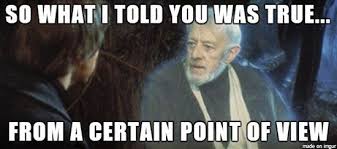
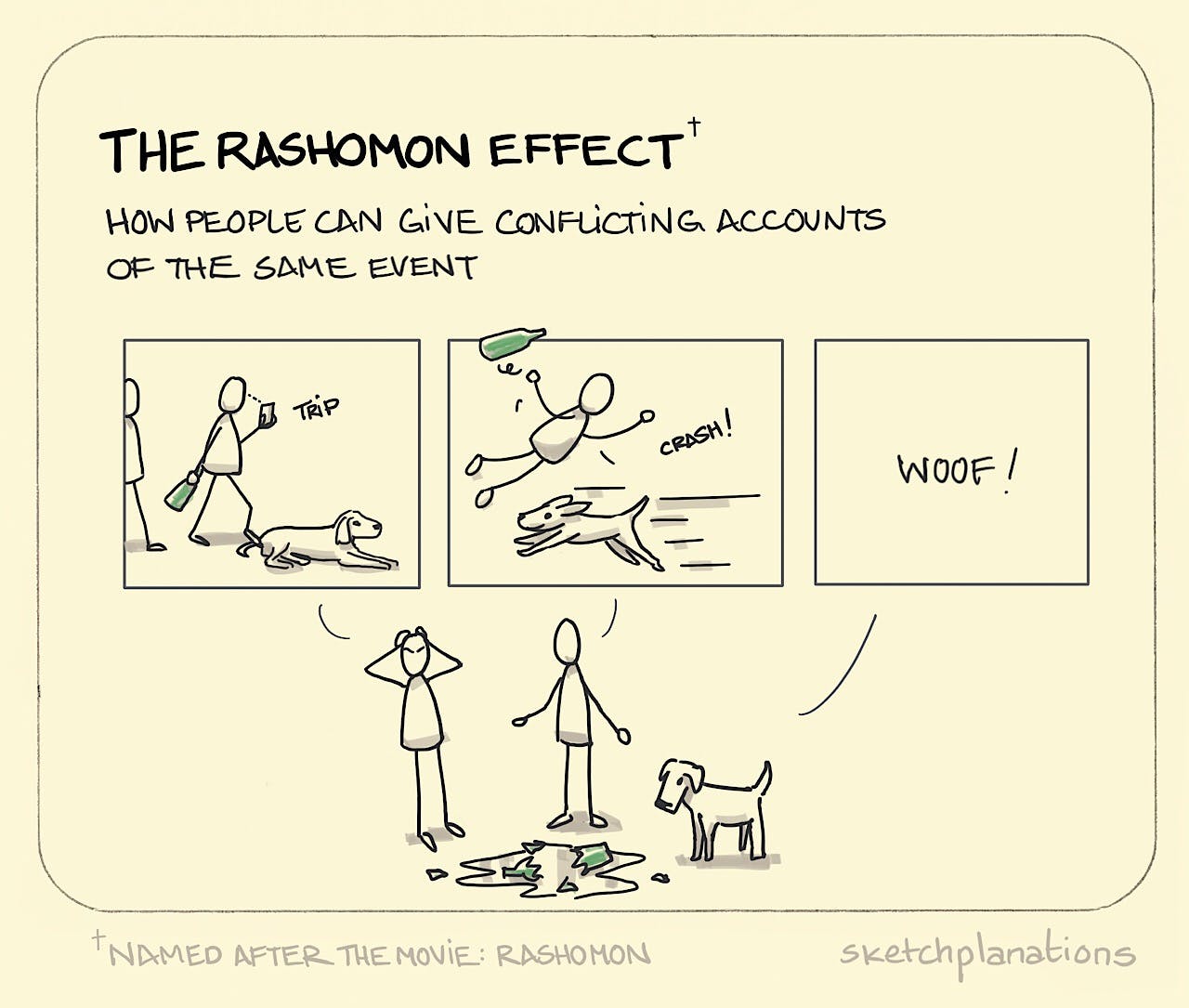
Ever heard multiple sides to a story from eye witnesses and had a tough time deciding which one is true or which to believe? Such a conundrum is brought about by subjective views, observer bias, perspective and memory of the observer. All these parameters can be summed into a single word known as The Rashomon. The Rashomon effect refers to an instance when the same event is described in significantly different (often contradictory) ways by different people who were involved.

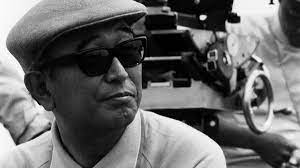
This phenomenon first came to be observed in a book called “in a grove “by Japanese author, Reyonosuke Akutagawa written in the early 1920’s. This was later adapted and made into a movie, by Japanese filmmaker Akira Kurosawa, who directed the 1950 film Rashomon, giving the effect its name. The plot revolves around which four different people provide contradictory accounts of a samurai’s murder, despite all having witnessed the crime. Each witness tale is varied from another, yet so very plausible, that a definite conclusion cannot be drawn, embroiling all of them.

The film explored the issues of the unreliability when depending on witness testimony explores a situation using a similar literary device, wherein the story is told through the viewpoints of different characters who supply conflicting stories. Whether the people’s competing explanations are different because of the fallacy of memory or because of self-serving interests varies. This film became revolutionary with how one understands the human mind, justice and the truth. It since then has become a cultural metaphor and is synonymous with happenings of everyday events as it’s not a sci-fi or an abnormal event, but a very natural course of nature that seems very striking .
Conditions and characteristics.

Not every story will have The Rashomon effect. It mostly occurs when there is no gripping and final evidence but a lot of eyewitnesses and when there is a pressure to achieve closure and coercion to find the truth. In both the movie and the book, no side of a person’s view is given more emphasis and all are shown in an equal scale, each testimony bearing its own truth and plausibility. The script and story writing does tell the audience how to feel or what to believe. The audience had to decide that for themselves making it engaging and deceiving at the same time. Such a premise has conflict as a driving. Conflict in a story drives a plot forward, reveals character, and engages an audience. The Rashomon Effect is based on contradicting reports of the same event and search for the truth through these reports can be a driving force of conflict for a story. The use of an unreliable narrator is another feature, opposed to the presentation from a more objective point of view. This allowed audiences to see the characters as they were and value neutral. To top it off, an ambiguous ending after such a mind boggling series of events, looks like the right justice to this type of storytelling. Our realization that none of the witnesses are reliable leaves us with more questions than answers. While most films at the time had a clear ending, the ending of Rashomon has no clear resolution. This unconventional decision left audiences baffled.  It can be frustrating to some as it subverts from its unorthodox counterparts but , it is not ambiguous for the sake of mystery or confusion, but rather to reiterate themes and larger concepts like the intricacy of the human brain.
Conclusion

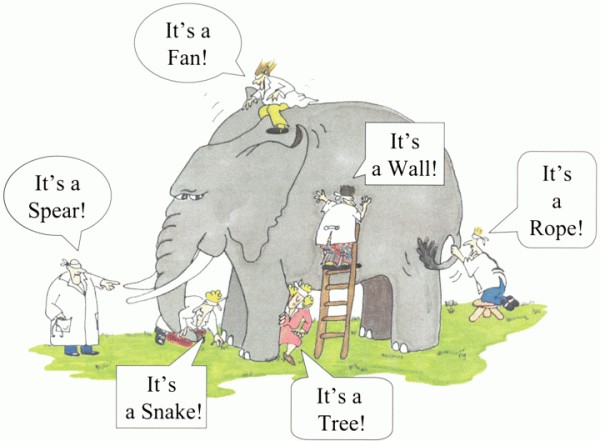
Research studies have found that when people form a memory, a visual experience is often influenced by external cues, internal prejudice and past experiences. While a few are completely individualistic, most are universal. An example of this is egocentrism, i.e., having a positive view on their actions but disregard to the other person . it is a subconscious act , most of the times, and these psychological phenomenon means that the rashomon effect can  pop up anywhere.

The Rashomon effect finally boils down to the minutiae and can range from studies of anthropology and biology to the general public analyzing a historic world event. In conclusion this broke a psychobiological barrier of having the right answer to every crisis and rather shifted the focus to versions of the same event that can tell us about the time, place and people involved, how to go about different mind-sets, backgrounds and biases. It emphasized on the fact that sometimes, the objective truth cannot always be obtained and that it is normal to have an obscure, vague ending, which should be embraced and valued in certain circumstances.

The Rashomon Effect

Ever heard multiple sides to a story from eye witnesses and had a tough time deciding which one is true or which to believe? Such a conundrum is brought about by subjective views, observer bias, perspective and memory of the observer. All these parameters can be summed into a single word known as The Rashomon. The Rashomon effect refers to an instance when the same event is described in significantly different (often contradictory) ways by different people who were involved.

This phenomenon first came to be observed in a book called “in a grove “by Japanese author, Reyonosuke Akutagawa written in the early 1920’s. This was later adapted and made into a movie, by Japanese filmmaker Akira Kurosawa, who directed the 1950 film Rashomon, giving the effect its name. The plot revolves around which four different people provide contradictory accounts of a samurai’s murder, despite all having witnessed the crime. Each witness tale is varied from another, yet so very plausible, that a definite conclusion cannot be drawn, embroiling all of them.

The film explored the issues of the unreliability when depending on witness testimony explores a situation using a similar literary device, wherein the story is told through the viewpoints of different characters who supply conflicting stories. Whether the people’s competing explanations are different because of the fallacy of memory or because of self-serving interests varies. This film became revolutionary with how one understands the human mind, justice and the truth. It since then has become a cultural metaphor and is synonymous with happenings of everyday events as it’s not a sci-fi or an abnormal event, but a very natural course of nature that seems very striking .

Conditions and characteristics.

Not every story will have The Rashomon effect. It mostly occurs when there is no gripping and final evidence but a lot of eyewitnesses and when there is a pressure to achieve closure and coercion to find the truth. In both the movie and the book, no side of a person’s view is given more emphasis and all are shown in an equal scale, each testimony bearing its own truth and plausibility. The script and story writing does tell the audience how to feel or what to believe. The audience had to decide that for themselves making it engaging and deceiving at the same time. Such a premise has conflict as a driving. Conflict in a story drives a plot forward, reveals character, and engages an audience. The Rashomon Effect is based on contradicting reports of the same event and search for the truth through these reports can be a driving force of conflict for a story. The use of an unreliable narrator is another feature, opposed to the presentation from a more objective point of view. This allowed audiences to see the characters as they were and value neutral. To top it off, an ambiguous ending after such a mind boggling series of events, looks like the right justice to this type of storytelling. Our realization that none of the witnesses are reliable leaves us with more questions than answers. While most films at the time had a clear ending, the ending of Rashomon has no clear resolution. This unconventional decision left audiences baffled.  It can be frustrating to some as it subverts from its unorthodox counterparts but , it is not ambiguous for the sake of mystery or confusion, but rather to reiterate themes and larger concepts like the intricacy of the human brain.
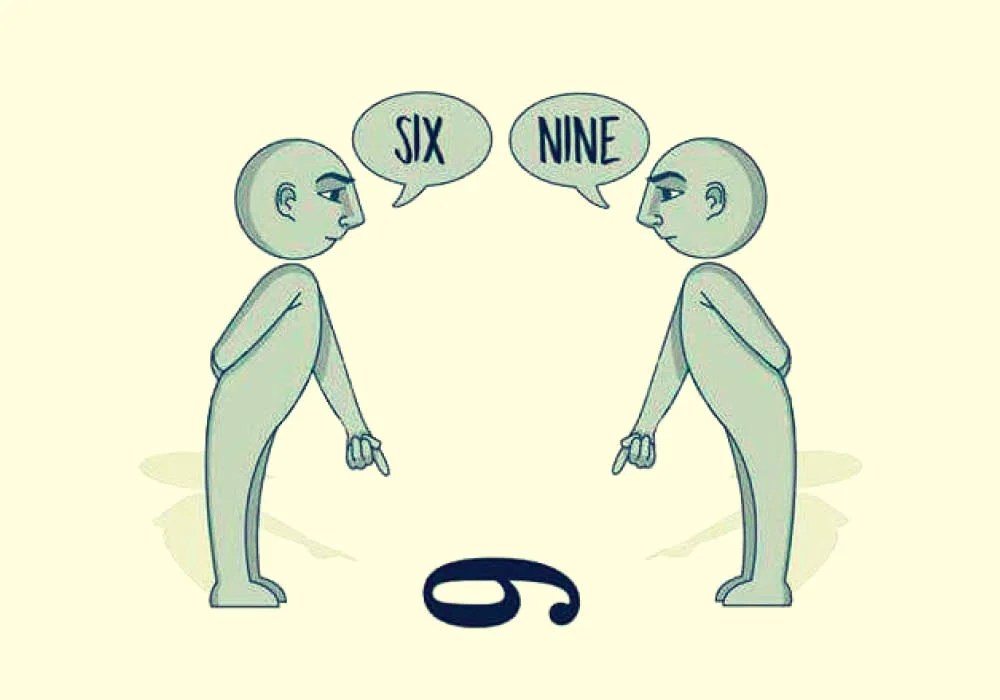
Conclusion

Research studies have found that when people form a memory, a visual experience is often influenced by external cues, internal prejudice and past experiences. While a few are completely individualistic, most are universal. An example of this is egocentrism, i.e., having a positive view on their actions but disregard to the other person . it is a subconscious act , most of the times, and these psychological phenomenon means that the rashomon effect can  pop up anywhere.

The Rashomon effect finally boils down to the minutiae and can range from studies of anthropology and biology to the general public analyzing a historic world event. In conclusion this broke a psychobiological barrier of having the right answer to every crisis and rather shifted the focus to versions of the same event that can tell us about the time, place and people involved, how to go about different mind-sets, backgrounds and biases. It emphasized on the fact that sometimes, the objective truth cannot always be obtained and that it is normal to have an obscure, vague ending, which should be embraced and valued in certain circumstances.
EVOLUTION OF CONTENT DRIVEN CINEMA IN INDIA

Source: Mindscreen

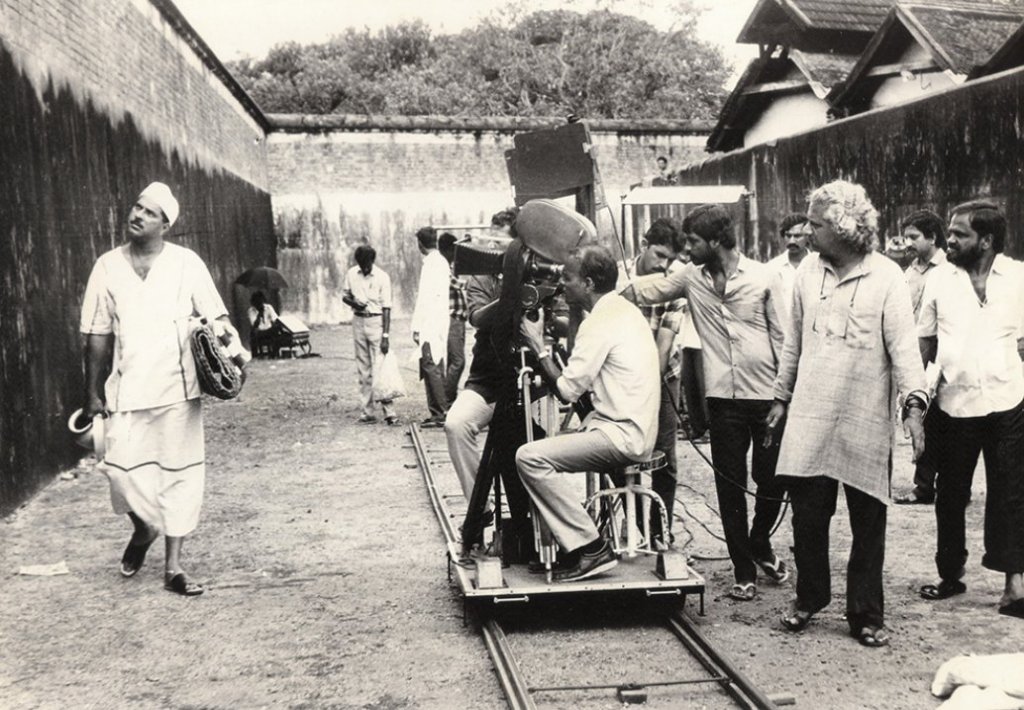
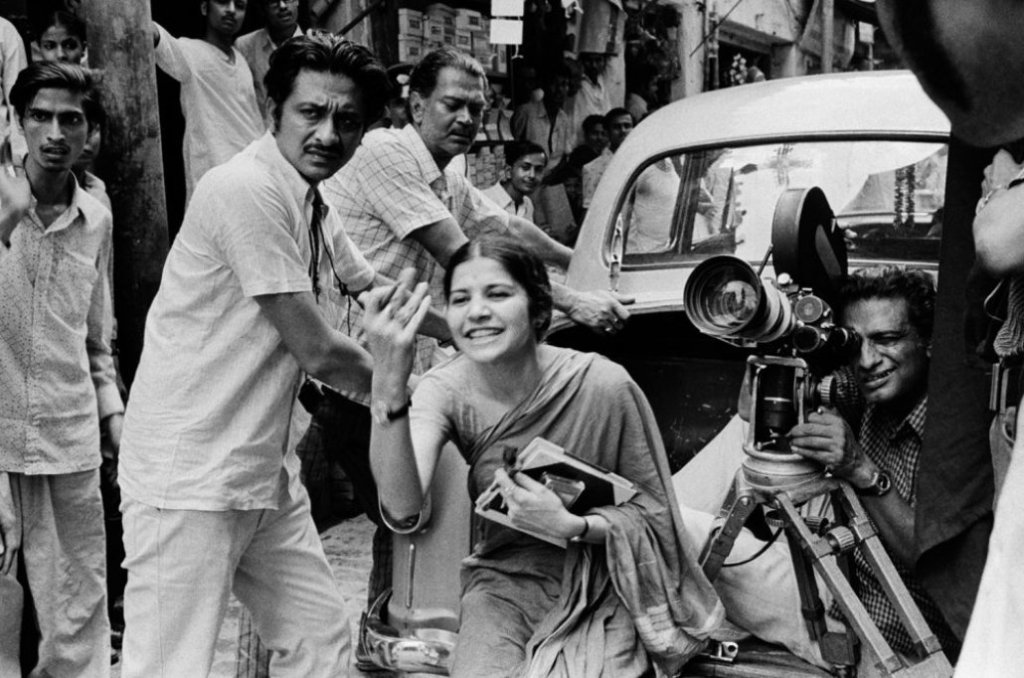
Good content driven movies are not new phenomena in indian cinema. We have already encountered since 60s but like change is part of any civilization or human life same occurred in Indian cinema which eventually turned out only in Bollywood. Firstly we need to understand Bollywood is not sole representer of Indian cinema infact it is just a entity of ocean. Why I am saying content had it’s own long back story with filmmakers like Bimal Roy, hrishikesh Mukherjee, shyam benegal, guru dutt.

We had tendency to watch good cinema but off course how human evolve too fast in peculiar manner as no other species able to do. That’s how ‘Art of filmmaking ‘ appeared to distorted in 80s and 90s.

What is content?
First, we need to track down the meaning of CONTENT that what do we mean by content ?

Information , experience of our surrounding ; expressing through the medium of writing , speech, poster and film. The main components are here – Information and experience. When any filmmaker portraying real life challenges , situations what happens people feel attach to those situations audience ready to believe what writers wants us to believe audience feels like he/she like me it okay not to be okay.

Content is something when filmmaker become successful to build that bond between script and audience which was result of real life experiences.

Golden age of Cinema

60s and 70s was the time when Indian cinema was on it’s peak of content driven script best part was audience love those movie. Let’s talk about few movies from that time – A kannada film Malaikkallu (1954) beautiful love story , Bedara kannapa. Bimal Roy was one of the finest filmmaker in india. He made movies on class struggle, casteism. For instance Do bigha zameen (1953) which was story of misuse of Power, Sujata( 1959), Bandini (1963). Each film has their own questions to the Society. These are not critical claim movies but real entertainment even in 21th century.

Hrishikesh Mukherjee who introduced new blend of entertainment and depicted the real life difficulties beautifully like in Anand (1971), Anari ,Abhimaan (1973) these films has its own substance to deal with filmmaking. If we talk about Abhimaan , Mukherjee was depicted as love, bliss, anger, ago, heartbreak and reunion of love again.

Now, the man who inspires and motivates young filmmakers to work on their ideas makes us all love his movies that is one and only satyajit Ray who changed the entire experience of filmmaking. The Apu trilogy (1955- 59) , The music room (1964) even though these films are in Bengali Language but language couldn’t switch off the impact.

Guru dutt another renowned filmmaker who made such incredible films – pyasa, kagaaz ke phool, chaudhvin ka Chand. Shyam benegal is one of understated filmmaker in modern time and for millennials. He gave Nishant , ankur, manthan( Indian’s first crowdfunded film by farmers who donated 2 rupees each) & terikal. Nishant was emphasize on during the time of feudalism in India, rural elite and sexual exploitation of women. This movie selected for Palme d’or 1976 Cannes film festival. The treatment of movie was so real that appeared very much real even in today’s time.

One element was common in 60s and 70s that filmmaker were not afraid to make good cinema, those makers knows how to write script that turned into great screenplay. Remember this is all happening in 60s where no use of excessive technology or no business Mongols of Bollywood.

Emphasis of Bollywood

From the time of 80s the style of filmmaking was changed or more likely to say distorted. Now, in 90s the explosion of star power corrupted the scripts , producers more inclined towards taking big stars in their movies without thinking about script and screenplay.

In 80s & 90s most common script pattern was “love story” and STARS like we don’t have mind to understand other kind of genres. Movies like – Tezaab, lamhe, raja hindustani , Dil toh pagal hai Chandni and kuch kuch hits hair, Hum aapke hair kon an d Hum sath sath hai etc. Now, we are not saying these were the only type of movies at that point of time exist ; there was also good movies like parinda, arth, sparsh, masoom, ek doctor ki maut, Drishti.

Reign of the good movies

After the gangs of wasseypur (2012) Bollywood discovered new and improved love for content driven cinema. After that Bollywood flooded with good filmmakers but old, rotten content still not vanished but level was decreased.

Queen, gangs of wasseypur, Hindi medium, The lunchbox , Vicky donor, udta Punjab , Shahid, talvar , piku are the movies which got tremendous account of love from audience as well as critical claimed movies. So now happened producers started to invest their money in fresh and fine scripts distributors had to turned their sides.

Let’s talk about web series if we talking about content web series culture changed the whole market for digital media. Where filmmakers are ready to play with screenplay, giving twist and turn. In this process , actors who are talented but put on backfoot now got their fair chance and basically employment.

When Content became Business

Movie business is unknown to commoners but insiders (families of Bollywood) knows really well how this business runs , have their production house. The whole idea is big production house grabs more screens on the basis of big stars only. Distributors are all set to do whatever these big house demands for example Thugs of Hindustan. In terms of box office collection masaan was flop but not literally. Ishqzaade, jab Tak hai jaan , rowdy rathore, ek tha tiger, agneepath, cocktail , Chennai express were all big blockbusters but as far as we see content was in dry and ancient well.

Regional Cinema of India

Regional Cinema has vast variety of exploration , big spectrum of ideas most importantly courage to implement their ideas in better screenplay. Veedu , sairat, chumbak, jogwa naal, aamas , visaranai, baaram all these movies has their different way to deal with society norms which wrapping in entrainment.

Conclusion

We should start praising good movies, audience (we) are everything in show business. If we find bad scripted film good because of stars then we are at the wrong side. We are investing our money at wrong recreation in terms of movies. Now we have to decide what we want in our entrainment list. Create a kind of environment for stars that if they produce and feature in trash films we not going to watch then stars will also take serious measures in the departments of script, writers and audience.

Remember we make them stars so, we are more responsible!!

EVOLUTION OF CONTENT DRIVEN CINEMA IN INDIA

Source: Mindscreen

Good content driven movies are not new phenomena in indian cinema. We have already encountered since 60s but like change is part of any civilization or human life same occurred in Indian cinema which eventually turned out only in Bollywood. Firstly we need to understand Bollywood is not sole representer of Indian cinema infact it is just a entity of ocean. Why I am saying content had it’s own long back story with filmmakers like Bimal Roy, hrishikesh Mukherjee, shyam benegal, guru dutt.

We had tendency to watch good cinema but off course how human evolve too fast in peculiar manner as no other species able to do. That’s how ‘Art of filmmaking ‘ appeared to distorted in 80s and 90s.

What is content?
First, we need to track down the meaning of CONTENT that what do we mean by content ?

Information , experience of our surrounding ; expressing through the medium of writing , speech, poster and film. The main components are here – Information and experience. When any filmmaker portraying real life challenges , situations what happens people feel attach to those situations audience ready to believe what writers wants us to believe audience feels like he/she like me it okay not to be okay.

Content is something when filmmaker become successful to build that bond between script and audience which was result of real life experiences.

Golden age of Cinema

60s and 70s was the time when Indian cinema was on it’s peak of content driven script best part was audience love those movie. Let’s talk about few movies from that time – A kannada film Malaikkallu (1954) beautiful love story , Bedara kannapa. Bimal Roy was one of the finest filmmaker in india. He made movies on class struggle, casteism. For instance Do bigha zameen (1953) which was story of misuse of Power, Sujata( 1959), Bandini (1963). Each film has their own questions to the Society. These are not critical claim movies but real entertainment even in 21th century.

Hrishikesh Mukherjee who introduced new blend of entertainment and depicted the real life difficulties beautifully like in Anand (1971), Anari ,Abhimaan (1973) these films has its own substance to deal with filmmaking. If we talk about Abhimaan , Mukherjee was depicted as love, bliss, anger, ago, heartbreak and reunion of love again.

Now, the man who inspires and motivates young filmmakers to work on their ideas makes us all love his movies that is one and only satyajit Ray who changed the entire experience of filmmaking. The Apu trilogy (1955- 59) , The music room (1964) even though these films are in Bengali Language but language couldn’t switch off the impact.

Guru dutt another renowned filmmaker who made such incredible films – pyasa, kagaaz ke phool, chaudhvin ka Chand. Shyam benegal is one of understated filmmaker in modern time and for millennials. He gave Nishant , ankur, manthan( Indian’s first crowdfunded film by farmers who donated 2 rupees each) & terikal. Nishant was emphasize on during the time of feudalism in India, rural elite and sexual exploitation of women. This movie selected for Palme d’or 1976 Cannes film festival. The treatment of movie was so real that appeared very much real even in today’s time.

One element was common in 60s and 70s that filmmaker were not afraid to make good cinema, those makers knows how to write script that turned into great screenplay. Remember this is all happening in 60s where no use of excessive technology or no business Mongols of Bollywood.

Emphasis of Bollywood

From the time of 80s the style of filmmaking was changed or more likely to say distorted. Now, in 90s the explosion of star power corrupted the scripts , producers more inclined towards taking big stars in their movies without thinking about script and screenplay.

In 80s & 90s most common script pattern was “love story” and STARS like we don’t have mind to understand other kind of genres. Movies like – Tezaab, lamhe, raja hindustani , Dil toh pagal hai Chandni and kuch kuch hits hair, Hum aapke hair kon an d Hum sath sath hai etc. Now, we are not saying these were the only type of movies at that point of time exist ; there was also good movies like parinda, arth, sparsh, masoom, ek doctor ki maut, Drishti.

Reign of the good movies

After the gangs of wasseypur (2012) Bollywood discovered new and improved love for content driven cinema. After that Bollywood flooded with good filmmakers but old, rotten content still not vanished but level was decreased.

Queen, gangs of wasseypur, Hindi medium, The lunchbox , Vicky donor, udta Punjab , Shahid, talvar , piku are the movies which got tremendous account of love from audience as well as critical claimed movies. So now happened producers started to invest their money in fresh and fine scripts distributors had to turned their sides.

Let’s talk about web series if we talking about content web series culture changed the whole market for digital media. Where filmmakers are ready to play with screenplay, giving twist and turn. In this process , actors who are talented but put on backfoot now got their fair chance and basically employment.

When Content became Business

Movie business is unknown to commoners but insiders (families of Bollywood) knows really well how this business runs , have their production house. The whole idea is big production house grabs more screens on the basis of big stars only. Distributors are all set to do whatever these big house demands for example Thugs of Hindustan. In terms of box office collection masaan was flop but not literally. Ishqzaade, jab Tak hai jaan , rowdy rathore, ek tha tiger, agneepath, cocktail , Chennai express were all big blockbusters but as far as we see content was in dry and ancient well.

Regional Cinema of India

Regional Cinema has vast variety of exploration , big spectrum of ideas most importantly courage to implement their ideas in better screenplay. Veedu , sairat, chumbak, jogwa naal, aamas , visaranai, baaram all these movies has their different way to deal with society norms which wrapping in entrainment.

Conclusion

We should start praising good movies, audience (we) are everything in show business. If we find bad scripted film good because of stars then we are at the wrong side. We are investing our money at wrong recreation in terms of movies. Now we have to decide what we want in our entrainment list. Create a kind of environment for stars that if they produce and feature in trash films we not going to watch then stars will also take serious measures in the departments of script, writers and audience.

Remember we make them stars so, we are more responsible!!

DO YOU WHAT IS ZOOLOGY?

Zoology, the branch of biology that studies animals, seeks to understand the sum total of all the properties of animals and animal populations. As a discipline, zoology is similar to others with major subdivisions that include anatomy, physiology, genetics, and interrelation.

JOB FOR AN ZOOLOGY STUDENT:

Photo by David Selbert on Pexels.com

Academic researcherAnimal nutritionistEcologistEnvironmental consultantEnvironmental education officerHigher education lecturerMarine scientistNature conservation officerScience writerZookeeperZoologist

Animal physiotherapist

Environmental managerField trials officerMarine biologistResearch scientist (life sciences)

Toxicologist

Veterinary nurse

Veterinary surgeon

•Not only by studying the subject of zoology make us a zoologist, we have work on that field study about animals and their behaviour, go for the internships Learn how to work gain advance knowledge make us a good zoologist.