NFT’s – All you need to know

Nowadays, NFT’s are in trend. You must be hearing the word ‘NFT’ on social medias, newspapers, news channels and various other sources. But what exactly is an ‘NFT’?

Today, we’ll discuss about NFT’s and understand what they exactly are and what’s going on around them that has created a great hype among the people.

Example of an NFT(Source- Google Images)

The term “NFT” stands for Non-Fungible Tokens. In layman language, NFT is a possession which is unique and one of its kind. If we go deep into the concept of NFT’s then basically they are digital assets that one possess. Each NFT has a specific identification code that distinguishes it from the other.

A NFT works upon the blockchain technology which is the same that is used in cryptocurrencies. It can be sold and traded on various online platforms like Binance NFT Marketplace, crypto.com, WazirX NFT Marketplace etc.

A NFT can be literally anything( manual drawings, graphics, art, animations, music, even real estate). Most of the NFT’s are based upon the cryptocurrency Ethereum(ETH). So now after reading all this, you might be getting an idea about what exactly an NFT is but here comes the main question that “WHY NFT?” So to answer this question, let’s take a simple example. Suppose you have a book and you customized the book with a cover of your own and bordered the pages using tapes. So now, it is one of its kind. And now, if you want to sell that book to a buyer for example at Rs. 500 and if the buyer wants to own the book then there has to be a way to prove that he/she owns it. We considered a physical book as an example but what if it’s an image or a video or a music file that is unique and only one of it’s kind. Then, how do you prove the ownership of that one unique piece? This is done by creating an NFT. That is how NFT’s work.

They are a legitimate way to transfer the ownership of a digital item in such a way that your ownership remains on record and is proven. It cannot be edited or modified. If we consider an image(of a monkey let’s say) then you can find numerous images all over the internet that are openly accessible for downloading and using without any copyright issues. And on the other hand, if I create an image and post it online then there is no legit way to prove that I’m the owner of that thing. Also if I list it for sale online on multiple image selling platforms, then too there is no legitimate proof that I’m the owner and I’m ready to transfer the ownership to someone, whosoever is ready to pay me for my work.

I’d rather create an NFT of the same image and then post it online on certified NFT Marketplaces for sale. This will ensure the ownership of the NFT and also prove it’s uniqueness. If anyone tries to copy my work then I can easily claim a copyright by showing that I’m the valid owner of this NFT.

Bored Ape NFT’s

The above is an image of the collection of the famous “Bored Ape NFTs”. These NFT’s are very expensive and some of the owners of these NFT’s are celebrities like Eminem, Serena Williams, Shaquille O’Neal, Justin Bieber etc.

At last, we come to a conclusion that NFTs are the real game changer and blockchain technology is going to change the entire world because now technology has a way by which you can define ‘Ownership’. In the coming years, NFT Marketplace is going to boom and investors seeking towards investing on NFT’s can definitely consider investing by doing the required research before exploring the NFT Marketplace.
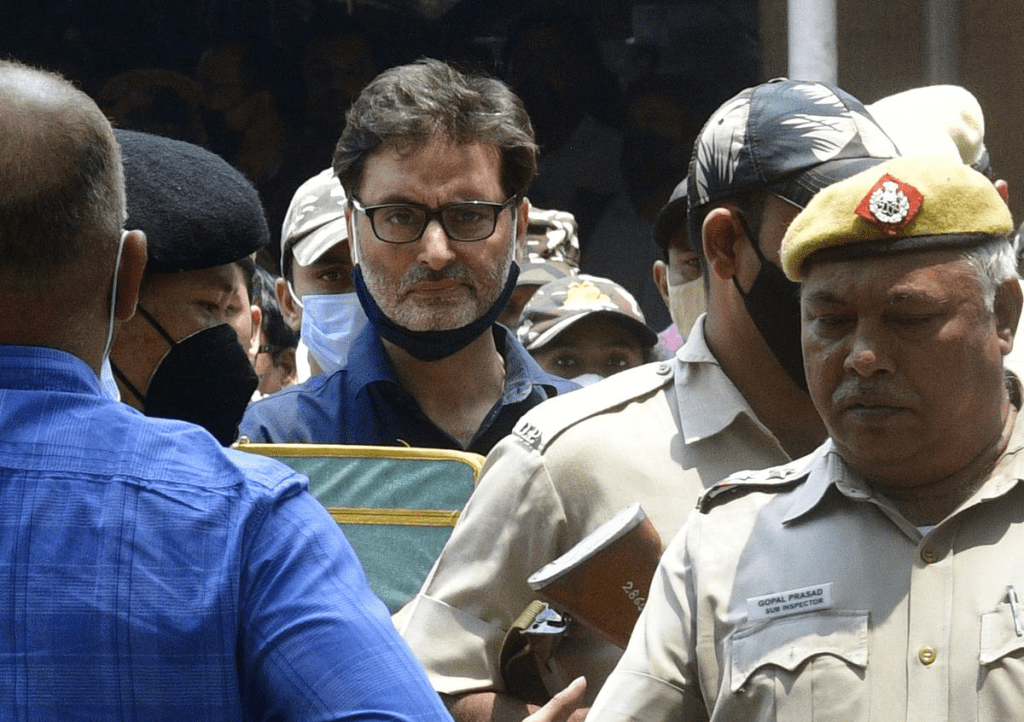
Yasin Malik gets life term in terror funding case

The National Investigation Agency (NIA) had sought death penalty before the Delhi court for Malik, who had earlier pleaded guilty to all the charges, including those under the stringent Unlawful Activities Prevention Act (UAPA).

KLF Leader Yasin Malik being produced amid heavy security at the Patiala House Courts in New Delhi on Wednesday. 

The first rulers of Ancient India

During the entire period of before Independence, India was either ruled by kings or else by the Britishers. There will definitely be some questions regarding the ruling of kings like, when? who? how? why?

In ancient India, one animal was treated as both god and weapon, for one king these beasts were the shock troops of an army and is organized as before or since. Riding a juggernaut these soldiers carved out one of the largest empires in history.

The Mauryan Dynasty

“THE MAURYANS”- The warriors of Elephant

In the war for India a great army of soldiers and Elephants has proven unstoppable. But in the year 260BC they faced their worst enemy. no matter what, Victory lies first in reaching the battlefield intact a battle all its own. The outcome will decide the fate of a kingdom.

The Mauryan Empire was a geographically extensive Iron age Historical power based in Magadha, Ancient India. It was founded in 322BCE by its king ChandraGupta Maurya. This empire was the largest to have ever existed in the Indian subcontinent expanding over 5million square kilometers at its zenith under Ashoka- The great

The capital of Mauryan Empire was Pataliputra which is recent times is called as Patna

History of Mauryan Empire

The foundation of Mauryan empire is ruled for 137years, and was a unique incident in Indian history, given the fact that it was founded shortly after the death of Alexander- The great who led many victorious campaigns in North-West India during 327BC- 325BC

The founding of the Dynasty

Was founded by ChandraGupta Maurya with the advice of his counsellor Chanakya by over throwing the Nanda Dynasty and built one of the largest empires ever on the aindian Subcontinent.

Conquest of Magadha: Historians believed that it was Chanakya or popularly known as Kautilya who provoked ChandraGupta to take over Magadha throne.

Apart from all the controversies that it was the Chanakyas doing out of grudge against nanda dynasty, it was Mauryan empire and ChandraGupta Maurya as the main person to create one of the worlds largest empires in the World and in Indian subcontinent.

ChandraGupta Maurya (321-297 BC)

  • The classical greek writers described Chandragupta as a man of humble origin
  • he was born orphaned and abandoned and is raised as a son by another Pastoral family was recognized and taught by Chanakya- The author of Arthashastra
  • ChandraGupta left everything and became a Jain monk
  • His reign was well recognized as “Economic prosperity”, reforms and expansion of Infrastructure like irrigation, roads and mines.
  • Religions like Buddhism, Jainism and Ajivika gained prominence along with Brahmanism

Bindhusara(297-272BC)

  • He was 22years old when his father ChandraGupta Maurya stepped out of the throne.
  • He extended the empire which he inherited from his father to South India which is now known as Karnataka
  • He maintained friendly relations with the Hellenic west and brought 16new states under Mauryan empire
  • He, almost conquered the entire Indian peninsula and is populary known as the king who conquered the Land between 2 seas.
  • His reign lasted for 28years and he died in 270BCE.

Ashoka- The great(268-232BC)

  • The throne was succeeded by Bindusara son- Ashoka-The great.
  • As a young prince Ashoka was a magnificent commander who crushed revolts in Ujjainand Thakshasila and was given charges of the viceroyship of Ujjain.
  • He was aggressive and ambitious monarch who re-asserted the empires superiority in southern and western parts of India
  • the pivotal event of his life came when he conquered Kalinga in 261BCE and this became a part of Mauryan empire.
  • He died in 232BCE. His death divided the empire into western and eastern halves and 50years of succession of weaker kings

Ashoka’s first son- Mahendra went on to spread Buddhism across the world. His other son Kunal Maurya was blind and didn’t get a chance to ascend the throne.

slowly, the mauryans started loosing their territories and in 180BCE, the last kind Brihadratha was killed by his general Pushyamitra shunga in a military parade, which gave rise or birth to Shunga empire.

Arrival of Dutch in India

The Dutch are the people of Holland (now the Netherlands). The Dutch arrived in India shortly after the Portuguese. The Dutch have long been experts in sea trading. The Dutch government granted the United East India Company of the Netherlands license to trade in the East Indies, including India, in 1602. Dutch India was more of a geographical location than a political authority. In comparison to the Portuguese and the English, the Dutch had the shortest presence in India of all the European colonial powers.

Dutch history in India
The Dutch East India Company was founded in 1602 and signified the Dutch entrance in India. They arrived in Andhra Pradesh’s Masulipatam (now Machilipatnam). From 1605 to 1825, they occupied the Indian subcontinent. Given the growing demand for Indian spices from Asia in Europe, the Dutch arrived to India with the intention of trading. The establishment of the Dutch East India Company marked the beginning of the modern multinational company (MNC). Following a pact between the Zamorin of Calicut and the Dutch chief, Steven Van der Hagen, Dutch trading in India began on November 11, 1604. The goal was to force the Portuguese off the Malabar Coast, but this was never achieved. The Dutch, on the other hand, soon built commercial facilities in various parts of India and traded cotton, textiles, silk, Indigo, and Golconda diamonds. In 1661, the Dutch conquered the Portuguese and took control of all of Malabar. They had now mastered the pepper trade and made tremendous profits selling pepper, which was known in Europe as “Black Gold.” In the 17th century, nothing could stop the Dutch from capturing Pondicherry from the French in 1693. In the East Indies, the Dutch became a large producer of sugar and coffee, as well as a big exporter of spices and textiles. During their time in India, the Dutch tried their hand at currency manufacture as well. They established mints in Cochin, Masulipatam, Nagapatam Pondicherry, and Pulicat as their trade grew. Furthermore, the Pulicat mint issued a gold pagoda with an image of Lord Venkateswara (god Vishnu). The Dutch minted coins that were all based on local coinages.

The Decline of Dutch power The Dutch East India Company began to fade in the mid-eighteenth century. It was characterised by poor corporate practices, corruption, and political upheaval. Martanda Verma, the formidable monarch of Travancore, defeated the Dutch in 1741 and reclaimed control of Malabar. The fourth Anglo-Dutch war, in which the British navy sunk Dutch ships and seized trading ports, resulted to their bankruptcy in 1799. Finally, the Anglo-Dutch Treaty of 1825 ended the Dutch dominance in India by transferring all Dutch assets to the British.

Arrival of Dutch in India

The Dutch are the people of Holland (now the Netherlands). The Dutch arrived in India shortly after the Portuguese. The Dutch have long been experts in sea trading. The Dutch government granted the United East India Company of the Netherlands license to trade in the East Indies, including India, in 1602. Dutch India was more of a geographical location than a political authority. In comparison to the Portuguese and the English, the Dutch had the shortest presence in India of all the European colonial powers.

Dutch history in India
The Dutch East India Company was founded in 1602 and signified the Dutch entrance in India. They arrived in Andhra Pradesh’s Masulipatam (now Machilipatnam). From 1605 to 1825, they occupied the Indian subcontinent. Given the growing demand for Indian spices from Asia in Europe, the Dutch arrived to India with the intention of trading. The establishment of the Dutch East India Company marked the beginning of the modern multinational company (MNC). Following a pact between the Zamorin of Calicut and the Dutch chief, Steven Van der Hagen, Dutch trading in India began on November 11, 1604. The goal was to force the Portuguese off the Malabar Coast, but this was never achieved. The Dutch, on the other hand, soon built commercial facilities in various parts of India and traded cotton, textiles, silk, Indigo, and Golconda diamonds. In 1661, the Dutch conquered the Portuguese and took control of all of Malabar. They had now mastered the pepper trade and made tremendous profits selling pepper, which was known in Europe as “Black Gold.” In the 17th century, nothing could stop the Dutch from capturing Pondicherry from the French in 1693. In the East Indies, the Dutch became a large producer of sugar and coffee, as well as a big exporter of spices and textiles. During their time in India, the Dutch tried their hand at currency manufacture as well. They established mints in Cochin, Masulipatam, Nagapatam Pondicherry, and Pulicat as their trade grew. Furthermore, the Pulicat mint issued a gold pagoda with an image of Lord Venkateswara (god Vishnu). The Dutch minted coins that were all based on local coinages.

The Decline of Dutch power The Dutch East India Company began to fade in the mid-eighteenth century. It was characterised by poor corporate practices, corruption, and political upheaval. Martanda Verma, the formidable monarch of Travancore, defeated the Dutch in 1741 and reclaimed control of Malabar. The fourth Anglo-Dutch war, in which the British navy sunk Dutch ships and seized trading ports, resulted to their bankruptcy in 1799. Finally, the Anglo-Dutch Treaty of 1825 ended the Dutch dominance in India by transferring all Dutch assets to the British.

World Bee Day

About Bees

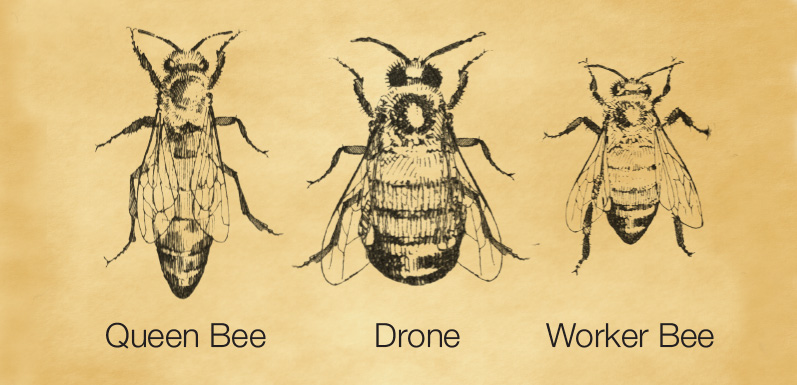
There are almost 20,000 different species of bees in the world. Bees live in colonies and in each colony, there are three types of bees, the queen bee, the worker bee, and the drone. The worker and the queen bee both are females, but only the queen bee can reproduce. All drones are male.

Types of Bees

World Bee Day is celebrated annually on 20th of May. The day marks the birth anniversary of Anton Jansa, a pioneer of modern apiculture. Anton Jansa hailed from a family of beekeepers in Slovenia, where beekeeping is an important agricultural activity with a long-standing tradition. His book ‘Discussion on Bee-keeping’ was also published in German.

Theme for 2022:Bee Engaged: Celebrating the diversity of bees and beekeeping systems.

World bee day – 20 May

Significance of Beekeeping?

Pollinators: Bees are some of the most important pollinators, ensuring food security, sustainable agriculture, and biodiversity.

Contribute to the Mitigation of Climate Change: the protection of bees and the beekeeping sector can help reduce poverty and hunger and preserve a healthy environment and biodiversity.

Sustainable Agriculture and Creating Rural Jobs: By pollinating, they increase agricultural production, thus maintaining diversity and variety in the fields and provide millions of people with jobs.

Status of the Apiculture in India

India is the sixth major natural honey exporting country.

The major export destinations are the USA, Saudi Arab, Canada, and Qatar.

The Indian apiculture market size is expected to reach a value of Rs 33,128 million by 2024, expanding at a CAGR of nearly 12% by 2024.

Related Initiatives

Sweet Revolution

Assistance for Setting up of Processing Units

Adopting Scientific Techniques

PSYCHOLOGY

Psychology has become one of the most popular and important subjects nowadays. It is the study of the mind and behavior, according to the American Psychological Association. The discipline of psychology is broadly divisible into two parts: a large profession of practitioners and a smaller but growing science of mind, brain, and social behavior. The […]

PSYCHOLOGY — Site Title

Carbon Farming

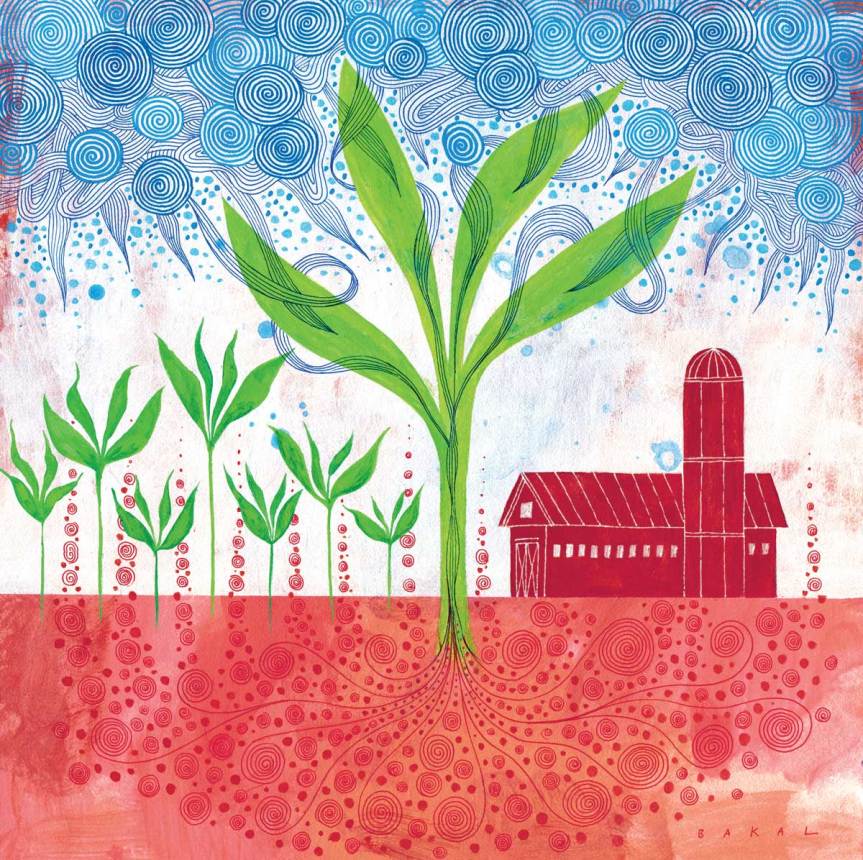
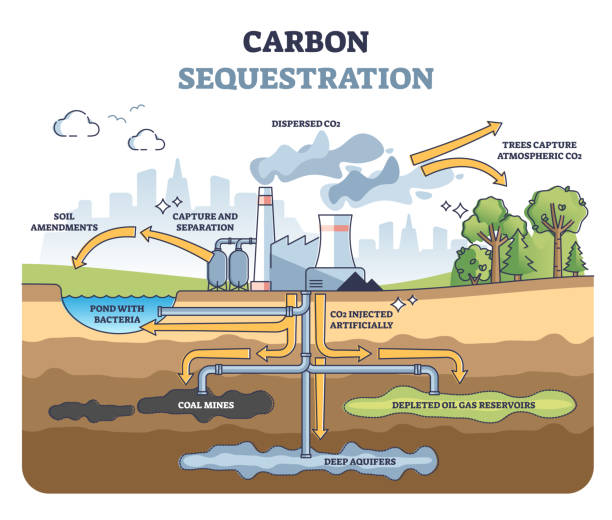
Carbon farming (also known as carbon sequestration) is a system of agricultural management that helps the land store more carbon and reduce the amount of Greenhouse Gases (GHGs) that it releases into the atmosphere. Carbon farming explicitly recognises that it is solar energy that drives farm ecosystem dynamics and that carbon is the carrier of that energy within the farm system.

Agriculture covers more than half of Earth’s terrestrial surface and contributes roughly one-third of global GHG emissions.

According to the Third Biennial Update Report submitted by the Government of India in early 2021 to the UNFCCC, the agriculture sector contributes 14% of the total GHG emissions.

Carbon Farming: a Viable Option

  • Climate Friendly: Carbon farming promises a bold new agricultural business model – one that fights climate change, creates jobs, and saves farms that might otherwise be unprofitable.
  • Optimising Carbon Capture: It is a whole farm approach to optimising carbon capture on working landscapes by implementing practices known to improve the rate at which CO2 is removed from the atmosphere and stored in plant material and/or soil organic matter.
  • Carbon farming can incentivise our farmers to introduce regenerative practices in their agricultural processes helping them shift their focus from improving yields to functioning ecosystems and sequestering carbon that can be sold or traded in carbon markets.
  • Farmer Friendly: It not only improves the health of soil but can also result in improved quality, organic and chemical-free food along with boosted/secondary income from carbon credits for the marginalised farmers.
  • Growth in Carbon Market: The total value of the global carbon markets grew by 20% in 2020 — the fourth consecutive year of record growth — and is well on its way in raising a critical mass of investors.

Carbon thus can effectively prove to be the ‘cash crop’ of the future for farmers

In India, Meghalaya is currently working on a blueprint of a ‘carbon farming’ Act to create a prototype of sustainable agriculture model for the entire North-East region. Sikkim became the first State in the world to become fully organic in 2016.

Steps can be Taken to Encourage Carbon Farming?

Soil is one of the most untapped and underutilised defences against climate change and acts as an efficient carbon sink.

Legal Backing for Carbon Farming: An extensive and pioneering carbon farming Act with a robust transition plan can effectively demonstrate the idea of creating a carbon sink on working land.

Carbon Credits and Carbon Banks: The farmers can be rewarded through globally tradable carbon credits. Carbon banks can also be created that would buy and sell carbon credits from farmers. Paying farmers to restore carbon-depleted soils offers a great opportunity for a natural climate solution and to stabilise global warming below 2°C.