10 Indian YouTube Channels to watch – [PART-2]

Most Popular Indian YouTube Channels to watch

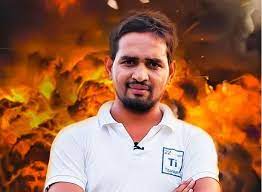
1. Mr Indian Hacker
Dilraj Singh Rawat

Dilraj Singh Rawat, born in 1996, is from Ajmer, Rajasthan. He launched his channel ‘Mr Indian Hacker’ in 2012. “Mr. Indian Hacker” is known for his exciting science experiment videos. He calls his subscribers “titanium army” as he believes we all have titanium in our blood. He always focused on gaining practical knowledge rather than theoretical knowledge. His experiment videos are fun, engaging, and at times even dangerous. Currently he has 25.8 Million Subscribers.

2. Emiway Bantai
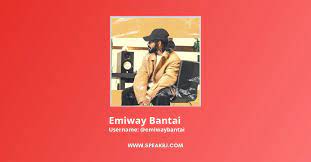
Bilal Shaikh is a Mumbai Based Rap Artist. His songs and raps are super popular with the youth of the country. His street style accent and perfect flow of words made him people’s favourite in no time. His collaboration with another famous rapper, Raftaar, for the song #Sadak was his breakthrough. He launched his channel in 2013. Currently, he has 17.6 Million subscribers.

3. The village cooking channel- VCC
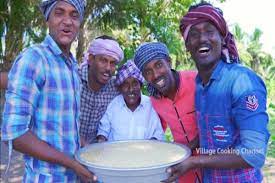
Periyathambi is the face of The village cooking channel. This 83 year old, Tamil Nadu based cook, has gone viral over the net. He has been cooking for the villagers for the past five decades. The channel has 16.7 Million subscribers currently. It was launched in 2018.

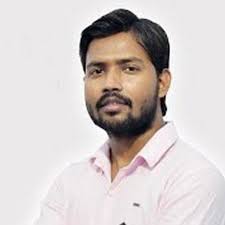
4.Khan GS Research Centre
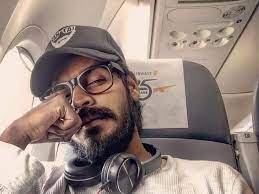
5. Mountain Trekker
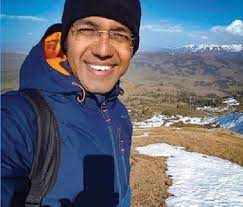
Varun is a travel Vlogger. He posts travel hacks, tips and tricks for an amazing travel experience. He emphasizes on hacks for budget traveling so more and more people can explore the world. His videos are recorded in Hindi and document his thrilling experiences from different corners of the planet. Currently his channel has 1.55 Million subscribers.
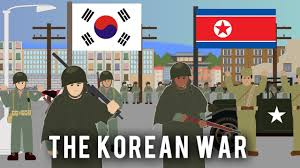
The Korean War! Why?

The Korean War started on June 25,1950 and ended in July 27,1953.

At the end of WorldWar2 in 19545, Korea was freed from Japanese control. North Korea was occupied by the soviets while South Korea was occupied by American forces.

By 1948, the country was divided in half at the 38th parallel with the capitalist south by Syngman Rhee and the communist north by Kim-il-Sung.

The soviet troops withdrew from Korea in 1948 and the US troops withdrew in 1949.

However North and South Korea as enemies of one another would not accept the border between them as permanent. The North Koreans attacked south Korea on June 25th, 1950. Advancing across the 38th parallel. Around 75,000 troops of the North Korean peoples army defeated the Republic of Koreans army with success, capturing the capital city of Seoul, then occupying the whole of South Korea except for Busan.

this was the problem, as the president Truman and the United States wanted to contain the spread of communism by preventing the domino effect i.e., if Korea fell, so would other countries to the ideology

South Korea appealed for support, and the United States pushed a resolution through the United nations Security Council. the USSR didn’t used its VETO power and it was boycotting the council because the new communist China was not accepted. In China’s seat was the pro-U.S Chinese Nationalist Government of Taiwan. An appeal was made by the Security Council for North Korea to withdraw its troops, but was ignored. As a result, approval was granted for UN army made of international force of 16 nations to send help to South Korea , commanded by general MacArthur.

The UN troops composed mainly of Americans, landed in South korea in early july, but were soon pushed back on defense by the North Korean forces, forming a perimeter around Busan to defend the line until reinforcements arrived in August.

On, September 15, the US Marines X Corps launched an amphibious assault at Inchon. The North Korean troops were pushed back on the retreat over the 38th parallel, and soon Seoul was recaptured along with the whole of South Korea by the end of the month.

On, October 12th they captured Pyongyang, the North Korean Capital and the Yalu River, which was the border with the communist China. China retaliated by helping North koreans by sending the Chinese troops. The UN troops were pushed over by the new forces with heavy losses.

Again by January 1951, Chinese and North Korean troops had captured Seoul. In june 1952, more US troops were sent to Korea, eventually driving the North Korea to 38th parallel and stabilizing the front.

in July, peace talks began, but there was no compromising. Meanwhile fighting continued and the American Pilots fought in the air against Soviet pilots using Chinese jet fighters.

General Dwight D Eisenhower took over as a president in early 1953 and sought an end to the war. After 2years of negotiations, and armistice was signed on July 27th, 1953 at Panmunjom, on the 38th parallel

A demilitarized zone was setup which stands till date.

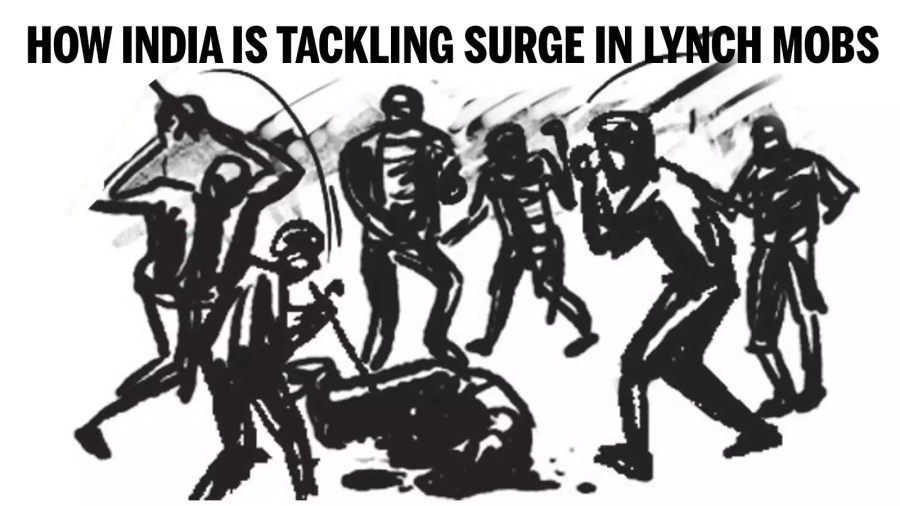
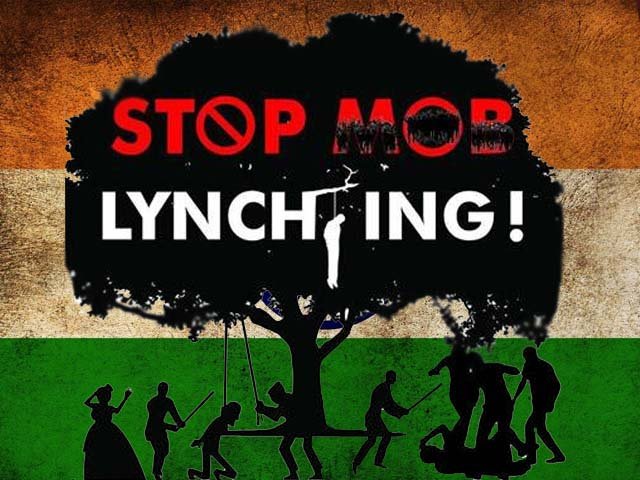
MOB VIOLENCE AND LYNCHING

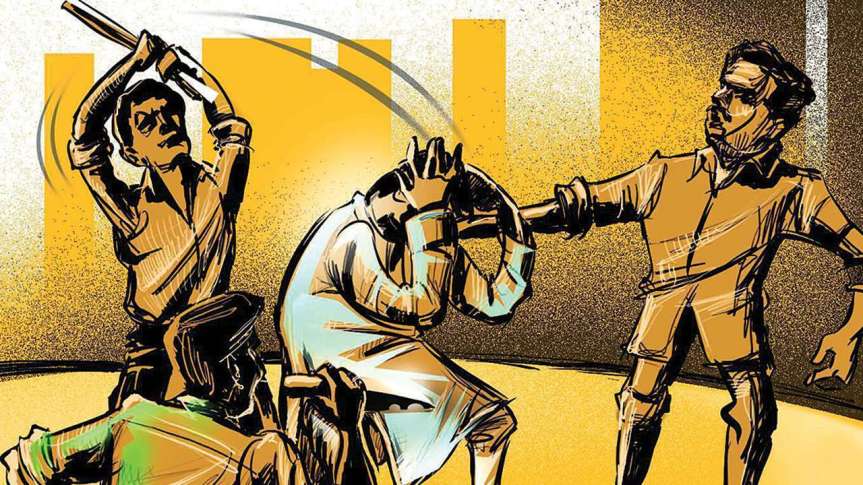
Mob Violence or Lynching is one of the major challenges to State authority. Though it can be done by group of people in rage, typically it involves vigilante group, i.e. self-appointed doer of justice, who keep watch over people and punish them in their own way (Vigilantism). In both forms, it goes against the rule of law and notion of a civilized society due to the destructive expression of emotions in it for immediate gratification.

About Mob Violence/lynching 

Mob Violence or Mob Lynching is defined as targeted homicidal aggression, including killing, against a person/s by a group of people or mob to Punish for a crime actually committed or mere suspicion based on allegations or misinformation.

Fundamentally, it is seen in two ways as- 

  • Defence of society, i.e. protest against anarchy, due to failure of law enforcement agencies in curbing the issues of cow theft, kidnapping, crimes etc. or 
  • Offence against society, i.e. return of anarchy, as it goes against the fundamental principle of law, i.e. what the law provides must be taken by lawful means. Self-appointed people holds no right to undertake law enforcement 

Ethically, it goes against the moral principles like fairness and reasonableness. If it is not controlled, it may give rise to social hatred with increased tendency of mass criminal outburst, ultimately leading to a state of anarchy.

Reasons behind Lynching

  • Religious Beliefs or Principles: Being a multi-religious society, the religious beliefs or principles play an important role with imposition of one’s beliefs on others.
  • Socio-cultural Influences: This includes the historical socio-cultural norms or moral principles which govern a person’s behaviour or attitude towards an action. E.g. From 2000-2012, nearly 2,097 lynching due to witchcraft were reported from 12 states of India. 
  • Feelings of Fear or Hate: Often, the rumours of being kidnappers or actual action of person/s give rise to lynching. E.g. the killing of Sadhus in Palghar on rumour.
  • Lack of trust in the efficacy of laws: Either due to dissatisfaction from implementation of laws or judicial delays, mob justice is seen by non-state actors as a discharge of public duty.

Solution to Lynching 

In Tehseen Poonawalla vs UOI (2018), Supreme Court issued preventive, remedial and punitive guidelines to deal with mob violence and lynching . Calling it a “horrendous act of mobocracy”, the Supreme Court also asked Parliament to establish lynching as a separate offence with punishment. Presently, it is mainly dealt under various sections of IPC with a handful of states taking legal initiatives.

  • Societal Approach: Regulation of social behavior is the first step to stop mob violence and protect rights conferred to the citizens.
  • Governmental Approach: Apart from bringing laws and guiding society on social behaviour, the government should apply emotional intelligence to handle conflicts with equal condemnation of social and political violence to avoid revenge tendencies. 
  • People-centric Approach: As the people make society and government, people must seek true freedom through a life based on reason (objectivity or rational will), self-control and virtues of empathy, compassion, and humanity.

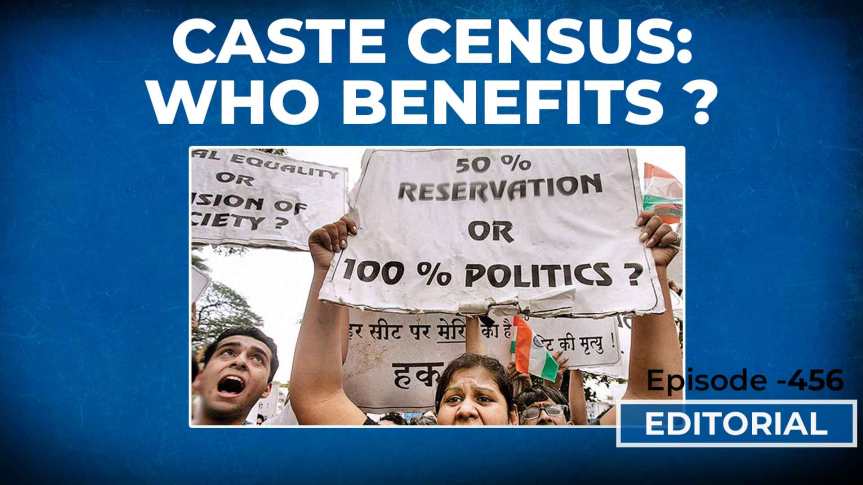
Caste based Census

Bihar government has announced that it will undertake a socio-economic survey of all castes and communities (SECC). The Socio-Economic and Caste Census (SECC) was conducted in 2011 for the first time since 1931. SECC is meant to canvass every Indian family, both in rural and urban India, and ask about their:

  • Economic status, so as to allow Central and State authorities to come up with a range of indicators of deprivation, permutations, and combinations of which could be used by each authority to define a poor or deprived person.
  • It is also meant to ask every person their specific caste name to allow the government to re-evaluate which caste groups were economically worse off and which were better off.
  • SECC has the potential to allow for a mapping of inequalities at a broader level.

The Census provides a portrait of the Indian population, while the SECC is a tool to identify beneficiaries of state support. Since the Census falls under the Census Act of 1948, all data are considered confidential, whereas according to the SECC website, “all the personal information given in the SECC is open for use by Government departments to grant and/or restrict benefits to households.”

Pros

  • Helpful in Managing Social Equity Programmes: India’s social equality programmes cannot be a success without the data and a caste census would help fix that.
  • Due to the lack of data, there is no proper estimate for the population of OBCs, groups within the OBCs and more.
  • Census enumeration would yield a wealth of demographic information (sex ratio, mortality rate, life expectancy), educational data (male and female literacy, ratio of school-going population, number of graduates) and policy relevant information about economic conditions (house-type, assets, occupation) of the OBCs’.
  • A caste-based census could go a long way in bringing a measure of objectivity to the debate on reservations.

Cons:

  • Caste has an emotive element and thus there exist the political and social repercussions of a caste census. There have been concerns that counting caste may help solidify or harden identities.
  • Caste Is Context-specific: Caste has never been a proxy for class or deprivation in India, it constitutes a distinct kind of embedded discrimination that often transcends class. For example:
  • People with Dalit last names are less likely to be called for job interviews even when their qualifications are better than that of an upper-caste candidate.
  • They are also less likely to be accepted as tenants by landlords. Thus, difficult to measure.
  • Marriage to a well- educated, well-off Dalit man still sparks violent reprisals among the families of upper-caste women every day across the country.

10 Popular Indian YouTube Channels to watch- [PART -1]

YouTube is an American online video sharing and social media platform headquartered in San Bruno, California. It was launched on February 14, 2005, by Steve Chen, Chad Hurley, and Jawed Karim. It is owned by Google, and is the second most visited website, after Google Search.

YouTube is a free to use service and a can be a great space for teens to discover things they like. For many young people, YouTube is used to watch music videos, comedy shows, how to guides, recipes, hacks and more. Teens also use the video-sharing service to follow their favourite vloggers (video blogger), subscribe to other YouTubers and celebrities they are interested in.

When YouTube was created in 2005, it was intended for people to post and share original video content. But since then it’s also become both an archive for storing favourite clips, songs and jokes, as well as a marketing site for companies to promote their products.

Most Popular YouTube Channels to Watch

BB KI VINES

1. BB ki Vines

A Maharashtrian born in Vadodara, Gujarat, Bhuvan Bam launched ‘BB ki Vines’ (https://www.youtube.com/c/bbkivines) in 2015. Currently the channel has 25.4 Million subscribers. BB Ki Vines is a channel that chronicles the everyday happenings in the lives of BB and his family members.

TECHNICAL GURUJI

2. Technical Guruji

Ajmer born Gaurav Chaudhary, launched ‘Technical Guruji’ (https://www.youtube.com/c/Technicalguruji) in 2015. Currently the channel has 22.1 Million Subscribers. This is a channel that is for producing YouTube videos concerning technology in Hindi.

Actor Varun

3. Actor Varun

Varun Pruthi launched this channel with aims at making social experiments, inspirational and motivational videos. His channel has 4.21 Million Subscribers currently. (https://www.youtube.com/c/ActorVarun)

Sandeep Maheshwari

4. Sandeep Maheshwari

An Indian entrepreneur, photographer, and motivational speaker, Sandeep Maheshwari is a renowned name among youngsters. He is also the founder and CEO of Imagesbazaar.com, the largest collection of Indian stock images that have made him one of the fastest-growing entrepreneurs in India. Currently, his channel has 22.8 million subscribers. (https://www.youtube.com/c/SandeepSeminars)

Facttechz

5. Facttechz

Rajesh Kumar is a 20-year-old YouTuber who hails from West Bengal and has created over 500+ videos till now. His YouTube channel showcases topics related to mystery theories, culture, astronomy, tech, scientific facts, etc. This channel has 14.1 Million subscribers. (https://www.youtube.com/channel/UCGdPm5Aq081vVD7ih9jZf6Q)

The rest will be uploaded in the next blog…