

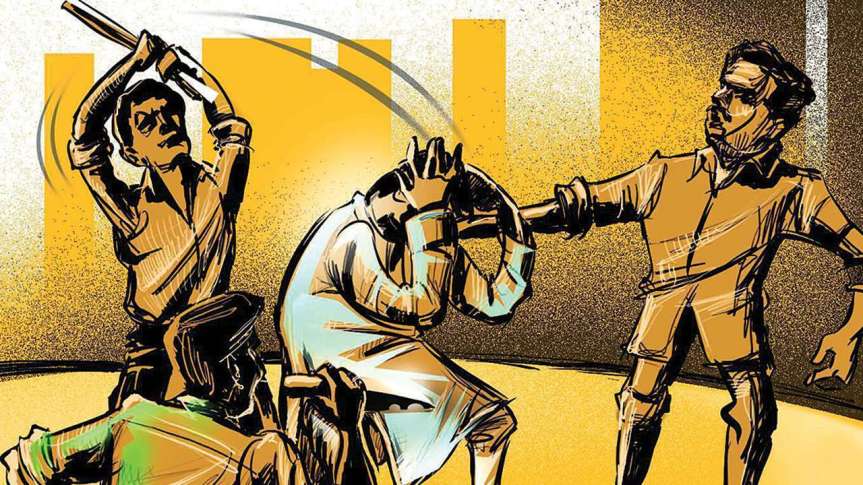
Mob Violence or Lynching is one of the major challenges to State authority. Though it can be done by group of people in rage, typically it involves vigilante group, i.e. self-appointed doer of justice, who keep watch over people and punish them in their own way (Vigilantism). In both forms, it goes against the rule of law and notion of a civilized society due to the destructive expression of emotions in it for immediate gratification.
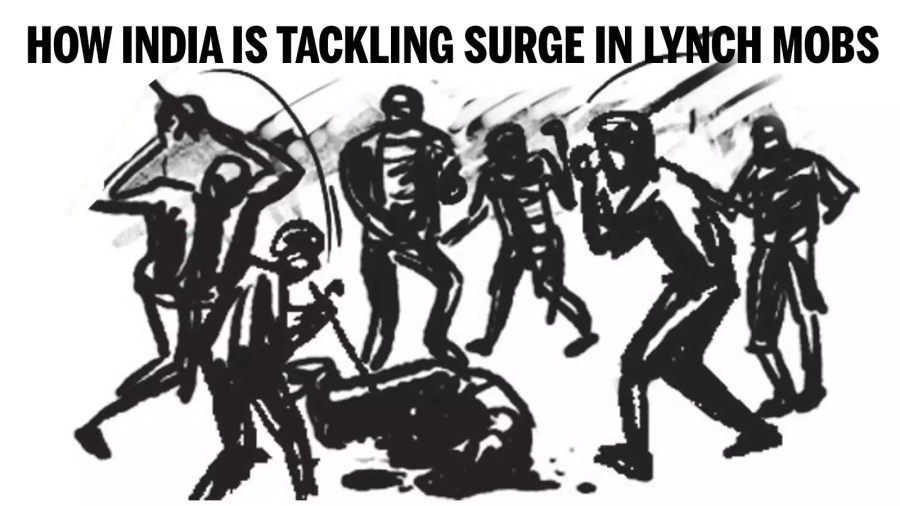
About Mob Violence/lynching
Mob Violence or Mob Lynching is defined as targeted homicidal aggression, including killing, against a person/s by a group of people or mob to Punish for a crime actually committed or mere suspicion based on allegations or misinformation.
Fundamentally, it is seen in two ways as-
- Defence of society, i.e. protest against anarchy, due to failure of law enforcement agencies in curbing the issues of cow theft, kidnapping, crimes etc. or
- Offence against society, i.e. return of anarchy, as it goes against the fundamental principle of law, i.e. what the law provides must be taken by lawful means. Self-appointed people holds no right to undertake law enforcement
Ethically, it goes against the moral principles like fairness and reasonableness. If it is not controlled, it may give rise to social hatred with increased tendency of mass criminal outburst, ultimately leading to a state of anarchy.
Reasons behind Lynching
- Religious Beliefs or Principles: Being a multi-religious society, the religious beliefs or principles play an important role with imposition of one’s beliefs on others.
- Socio-cultural Influences: This includes the historical socio-cultural norms or moral principles which govern a person’s behaviour or attitude towards an action. E.g. From 2000-2012, nearly 2,097 lynching due to witchcraft were reported from 12 states of India.
- Feelings of Fear or Hate: Often, the rumours of being kidnappers or actual action of person/s give rise to lynching. E.g. the killing of Sadhus in Palghar on rumour.
- Lack of trust in the efficacy of laws: Either due to dissatisfaction from implementation of laws or judicial delays, mob justice is seen by non-state actors as a discharge of public duty.
Solution to Lynching
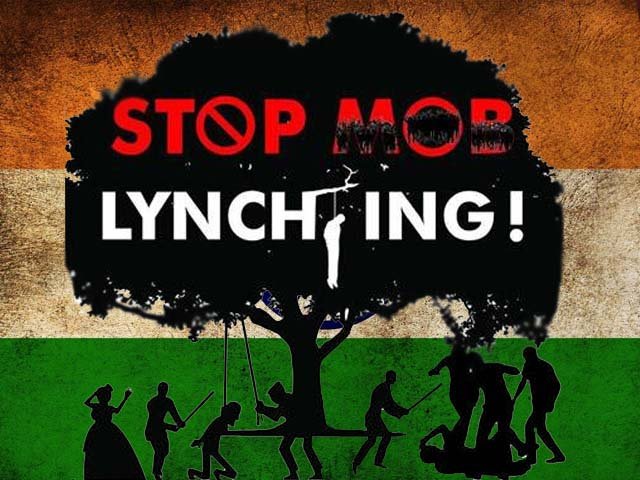
In Tehseen Poonawalla vs UOI (2018), Supreme Court issued preventive, remedial and punitive guidelines to deal with mob violence and lynching . Calling it a “horrendous act of mobocracy”, the Supreme Court also asked Parliament to establish lynching as a separate offence with punishment. Presently, it is mainly dealt under various sections of IPC with a handful of states taking legal initiatives.
- Societal Approach: Regulation of social behavior is the first step to stop mob violence and protect rights conferred to the citizens.
- Governmental Approach: Apart from bringing laws and guiding society on social behaviour, the government should apply emotional intelligence to handle conflicts with equal condemnation of social and political violence to avoid revenge tendencies.
- People-centric Approach: As the people make society and government, people must seek true freedom through a life based on reason (objectivity or rational will), self-control and virtues of empathy, compassion, and humanity.

 Eduindex
You must be logged in to post a comment.