

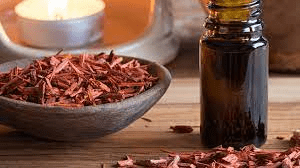
Sandalwood is one of the most expensive woods in the world. But its really one portion of sandalwood log that makes it so valuable. To get it, the workers tirelessly chop away the lighter outer layer of sapwood, until they are left with the dark inner core that makes a kilogram of Indian sandalwood cost $200 today.
This is where the sandalwood uniqueness come from. And when its distilled it’s used in all kinds of products I.e., from bath soaps to luxury brand perfumes.
So, the main question is what makes sandalwood aroma so special? And why the wood is so expensive?
Native to south India, Santalum album or Indian sandalwood was used for hundreds of years before becoming a go to scent for expensive perfumes.
Today it’s also used for wood carvings and medicines and it is even considered a sacred tree in several religions. Once distilled,sandalwood’s sweet, woodsy aroma retains it’s scent for decades.
Hollow heart wood logs are classified as jajpokel I.e., one od the 28 classes of indian sandalwood. Factories can purchase pure heartwood like jajpokel or raw sandalwood logs. But If they buy the raw wood, they will need to break down each log themselves.although machine helps split the sandalwood into more manageable pieces, stripping the logs down to their heartwood core requires the effort of several employees.
In some trees, pure heartwood is easy to extract, because it forms in one circle at the center. In other trees, the heartwood mixes together with sapwood, which impacts the final value of the oil.
A machine breaks down the strips of wood into chips and these are shifted to another area to grab if there are any usable heartwood. Then the pieces are shifted into another machine which makes the wood into powder form. Now distillation can begin. The process is long and it starts injecting steam into distillation stills. After the oil is extracted, it is left with a large pile of matter which emits a mild smell of sandalwood. This leftover powder is again used in preparation of incense sticks, a dhoop or a common form of incense in india.
During the final stages, workers separate the oil from water and purify it until they are left with a totally clean tank of sandalwood oil.
For distilling one metric ton of oil it takes around one week for normal workforce.
The oil later is sent for testing in labs for the quality checks. Later after the checking is done, it is sent to factories where it will be used to make soaps and other items.
One 10gram bottle of sandalwood oil costs around 5500 rupees or about $74.
Out of 10 sandalwood species, Indian sandalwood and australian sandalwood have the largest commercial value. The difference is the Indian species has higher level of alpha and beta santalol, the components in sandalwood responsible for its lasting scent.
India used to dominate the market for sandalwood oil and oil based products. In recent days, the Indian and Australian sandalwood species has gained significant ground in the market.
Since 2018, the species are considered vulnerable- one level above endangered. Another factor that limits supply and increases the price is inherent the way the tree grows. Older trees tend to yield more oil which makes them more preferable for oil production
The Growers will wait around 20years for the tree to mature.

 Eduindex
You must be logged in to post a comment.