Indo-Turkey Relations


There has been regular contact between India and Turkey since medieval times. The Ottoman Empire even sent expeditions to allied kingdoms such as the Zamorin and the Gujarat Sultanate to help them fight against the Portuguese colonization.

The first visit of India’s First Prime Minister *Jawaharlal Nehru * to Turkey was in the year 1960. Bilateral relations have been strengthened by the exchange of visits of leaders of both countries in recent times. These include visits by the then Turkish PM Recep Tayyip Erdogan to India in 2008 and the then Turkish President Abdullah Gul to India in 2010. Prime Minister Shri Narendra Modi attended the G20 Summit held in Antalya on 15-16 November 2015 on the margins of the Summit, Prime Minister had bilateral talks with President Erdogan. PM Modi and President Erdogan held talks in Hangzhou on 5 September 2016 on the sidelines of the G20 Summit. The two leaders interacted with each other on the sidelines of BRICs Plus meeting in Johannesburg on 25-27 July 2018 and met on the sidelines of G-20 in Osaka on 29 July 2019. EAM Sushma Swaraj made a transit halt at Erzurum on 19 February 2019.

Economic relations:


India-Turkey economic and commercial cooperation constitutes an important dimension of the bilateral relationship. The Bilateral Trade Agreement between India and Turkey was signed in 1973. Institutional arrangements in terms of Joint Committee for Economic and Technical Cooperation (JCETC) signed in 1983 and a Joint Business Council (JBC) between Federation of Indian Chambers of Commerce and Industry (FICCI) and Foreign Economic Relations Board of Turkey (DEIK) was set up in 1996. On 6 April 2015, Confederation of Indian Industry (CII) signed an MoU with the Union of Chambers and Commodity Exchanges of Turkey (TOBB) to promote bilateral trade and economic cooperation. CII also signed a MOU with DEIK in March 2018. A cooperating agreement between FICCI and TOBB was also signed for establishing India-Turkey Working Committee and Investment Forums. On 6 August 2015, State Bank of India and Turkey’s Akbank entered into a cooperation agreement to support bilateral trade and investments. An India Business Forum (IBF) was launched in Istanbul by the Ambassador in December 2018 which holds quarterly meetings.

Cultural Relations:

India and Turkey share a historical cultural overlap. Cultural exchanges have grown in recent years, especially after the revival of CEP in 2017. Cultural performances, film shows, exhibitions, seminars, outreach to universities are being organized regularly. A Festival of India in Turkey, India by the Bosporus, was held in March-April 2019 showcasing Indian dance, music, food and fashion in major cities in Turkey.
Apple to Release Software Updates to iPhone, iPad

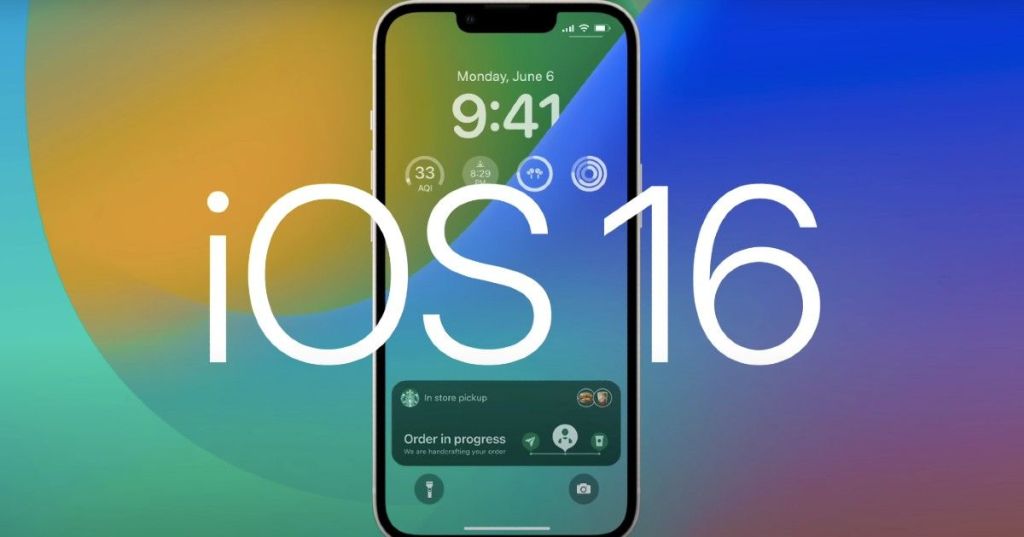
While Samsung took top spot in Q1 in terms of smartphone market share, rival Apple is not taking the news lying down. In fact, the biggest tech company in the world will reportedly be releasing new updates to iPhones and iPads with its upcoming software updates, iOS 16 and iPadOS 16, according to NBC News. The company is expected to announce during its WWDC 2022 developer keynote on June 6.

According to Bloomberg, iOS 16 includes updates to notifications, messages and the Health app. The software will also include new multitasking panels for iPads.

Russia’s invasion on Ukraine which we forgot long back

(1917-1921).

In the final years of the First World War the Russian Empire was coming to its end. it had been devastated by revolution and finally transformed into the first communist country in the world in the years following revolution. Non Russian nations that lived under the house of Romanov sought to secure their long lost independence. One of these was Ukraine.

From 1917 until 1921, the Ukrainians struggled to build and secure an independent country fighting against the new regime, against the neighbors in the west and amongst themselves. When in February 1917, the revolution had overthrown the monarchy in Russia and the event had echoed throughout the entire empire. In Kiev, the capital of Ukraine, the central radar or the central council had takeover the control of the country which on June 23, 1917 proclaimed the free Ukrainian national Republic without serving its connections with the Russian state.

The nation began to awake, however the vast territory of ukraine under control was a difficult task and the country rapidly slid into Anarchy- the collapse of the Russian forces and Galatia made the matters even worse.

1918 The Battle of Kruty’ by Aleksey Shaparev

Is top and tailed by a contemporary Ukrainian soldier visiting the memorial to those killed at Kruty in January 1918 the tale tells the story of a group of students, their loves and families, as plucky efforts are made to stave off the conquest of Ukraine by the burgeoning and enormous forces of the Bolshevik army

After Math

Eleven of the students were re-buried at Askold’s Grave in the centre of Kiev after the return of the Tsentralna Rada to the capital in March 1918. At the funeral the then President of the Ukrainian People’s Republic, Mykhailo Hrushevsky, called every one of the 400 students who fought in the battle, heroes. In addition, poet Pavlo Tychyna wrote about the heroic death of the students.

After the fall of the Ukrainian People’s Republic the bodies of the students were moved to the Lukyanivske Cemetery in Kiev.

Forbidden memory

For the students of Kruty, their story would not end here. Some of the bodies of those killed in the battle were later buried at Askold’s Grave in Kyiv in March 1918 — with the ceremony attended by Mykhailo Hrushevsky, President of the Ukrainian Republic, who addressed a large crowd that had gathered for the occasion. With Bolshevik rule eventually coming to Ukraine, the Soviet authorities worked to Supress the memory of Kruty, fearing it would undermine their authority and inspire future Ukrainian independence movements.

Thankfully, the Battle of Kruty would not be forgotten. In modern day Ukraine, the bravery of the troops at Kruty has in recent times been commemorated, and in Kyiv a monument was erected in 2006 to remember the event. The battle has become a symbol of Ukranian Independence and National Identity, which has in turn generated its fair share of myths.

These myths have often blurred the historical reality of the battle, with details ranging from the number of troops present or even the exact date it occurred becoming obfuscated in the historiography of the event. However, what we can ascertain with certainty is the courage of those students involved: faced with limited supplies, heavily outnumbered and fearing brutal reprisals, the soldiers at Kruty made a valiant last stand against a vastly superior army and fought gallantly in defence of Kyiv.

As the horrific Russian invasion of Ukraine unfolds before our eyes today, the harrowing scenes of everyday Ukrainians bravely resisting occupation and protecting their homeland draws parallels with the heroes of Kruty. With the people of Ukraine facing an unjustified war waged by President Putin, the spirit of Kruty is still visible today — and it seems that the present will once again mirror the past.

UPSC CSE PRELIMS 2022 Paper Analysis

UPSC successfully conducted the Prelims stage for Civil Services Examination 2022 on 5th June 2022 (sunday). Paper 1 was conducted from 9:30 am to 11:30 am. Paper 2 CSAT was from 2:30 pm to 4:30 pm.

Many aspirants and coaching Institutes will be analysing the question paper for quiet a few days. Many professionals and teachers will be engaged in preparing answer key. Candidates have rated this year’s question as moderate to difficult (GS – Paper 1).
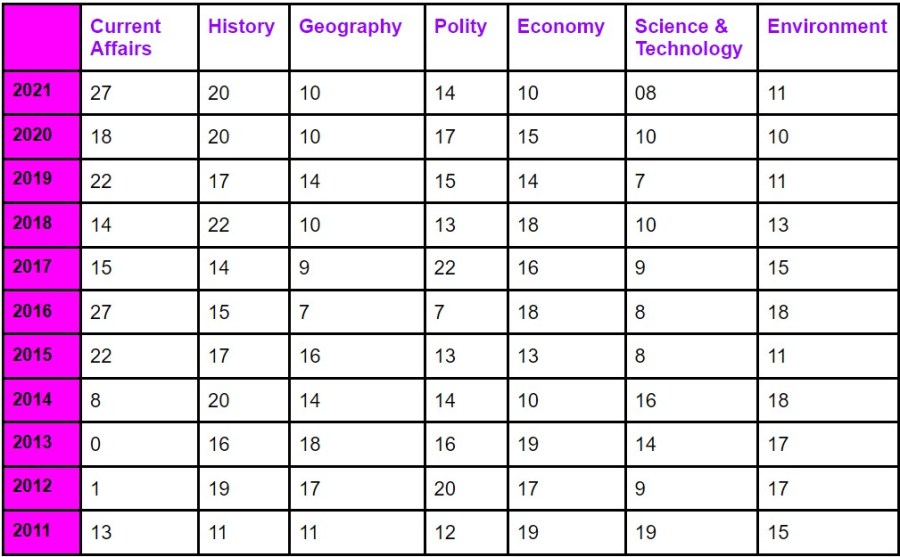
Here is the analysis of number of questions coming from each section for past 10 years.

As evident from the data above, the composition of question paper is very dynamic in nature. No one can predict which section is more/less important than others.

Below is the cut-off of prelims for general category.
2015107.34/20053.67
2016116.00/20058.00
2017105.34/20052.67
201898/20049.00
201998/20049.00
202092.5 /20046.61
202187.5 /20043.77

This year the number of vacancies have also increased so aspirants are quiet positive and filled with enthusiasm.
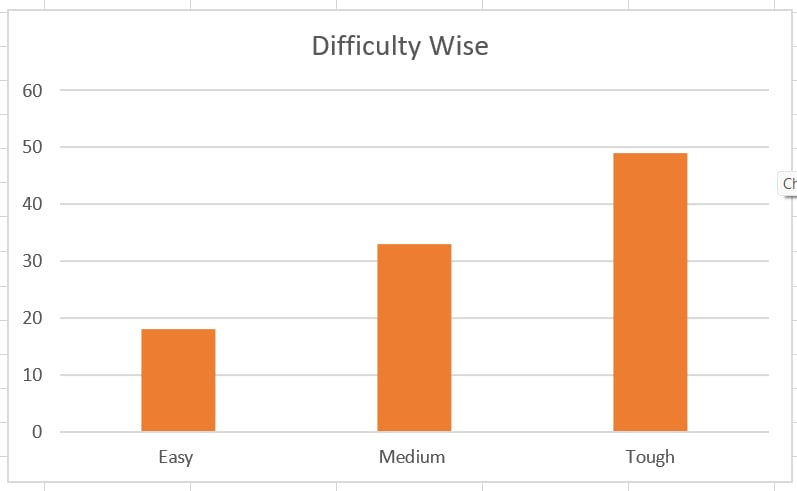
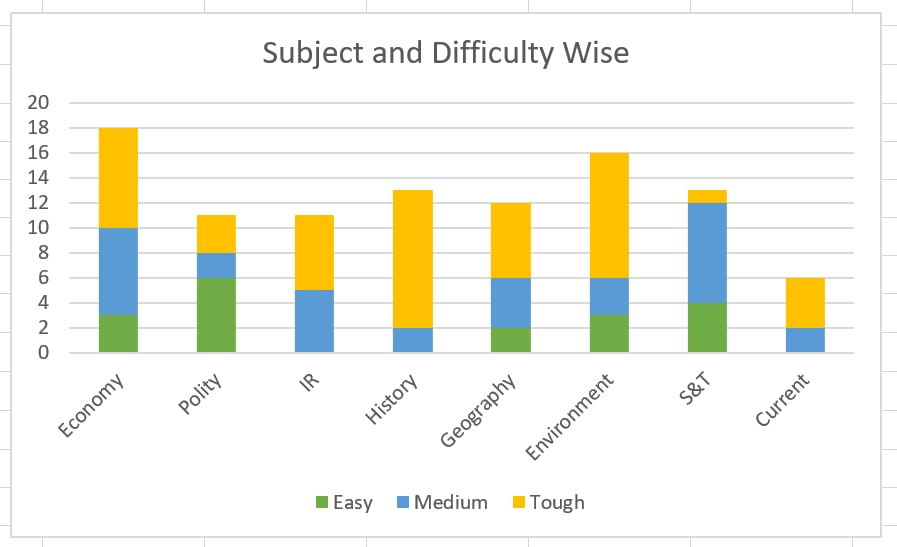
Prelims paper 1 analysis (2022)

Prelims paper 1 analysis

10 Upcoming Marvel shows

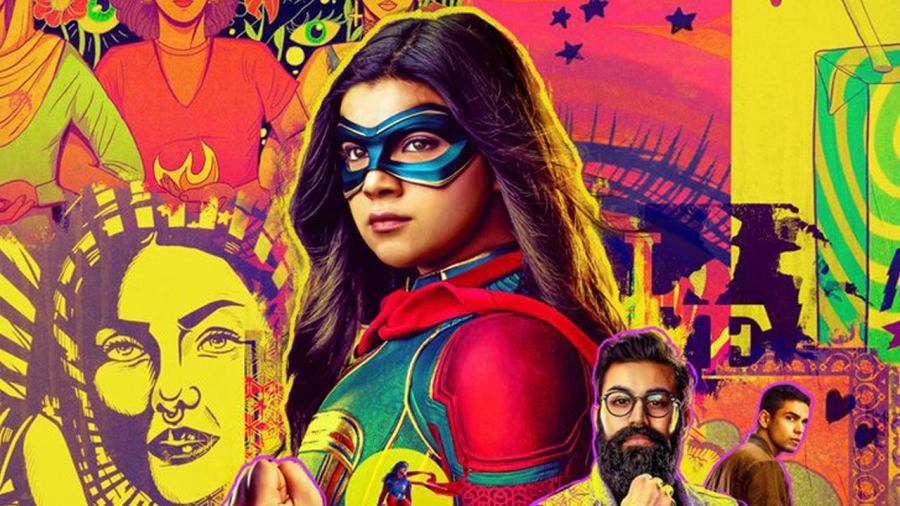
1. Ms. Marvel

A great student, an avid gamer and a voracious fan-fiction scribe, she has a special affinity for superheroes, particularly Captain Marvel. But Kamala struggles to fit in at home and at school—that is, until she gets super powers like the heroes she’s always looked up to. Life is easier with super powers, right?

2. She-Hulk: Attorney at Law

Premiere Date: August 17

Number of Episodes: 9

“She-Hulk,” a new comedy series coming to Disney+, stars Tatiana Maslany as She-Hulk/Jennifer Walters, a lawyer who specializes in superhuman-oriented legal cases. “She-Hulk” will welcome a host of Marvel characters to the series, including the Hulk, played by Mark Ruffalo, and the Abomination, played by Tim Roth. The series is directed by Kat Coiro and Anu Valia; Jessica Gao is head writer.

3. Secret Invasion

4. X-Men ’97

X-Men ’97 will be the first Marvel Studios project to not be a part of the Marvel Cinematic Universe, and not produced by Kevin Feige.

5. Ironheart

Iron heart will tell the story of an engineer who develops the most advanced suit of armour since Iron Man himself and then becomes a superhero.

6. Armor Wars

The upcoming series centres on Don Cheadle’s James Rhodes, a.k.a. War Machine, as he finds himself facing new threats after the death of his long time BFF Tony Stark. The show will follow Rhodey as grapples with one of Tony’s biggest fears: What happens when Stark tech falls into the wrong hands? 

7. I Am Groot

Baby Groot returns! The tiny arboreal hero will star in a new series of shorts on Disney+, joined by “several new and unusual characters.” 

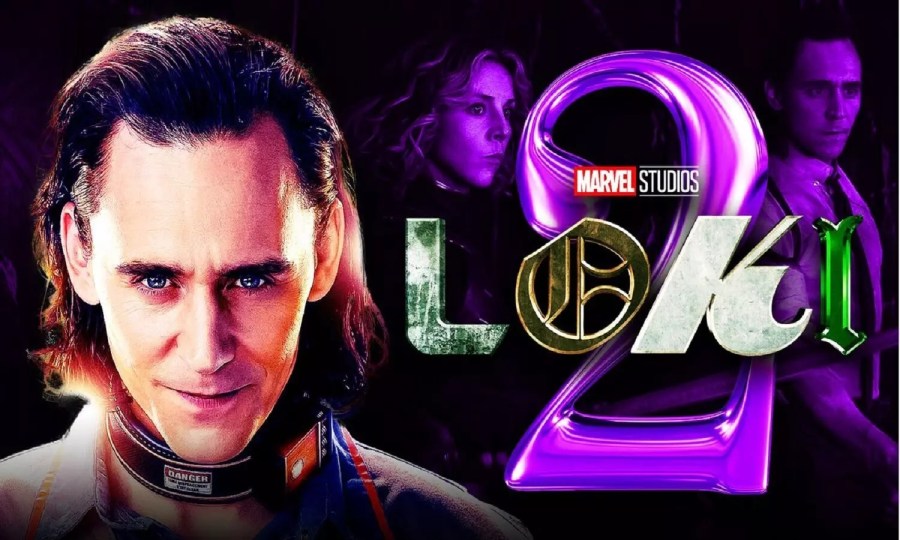
8. Loki Season 2

9. What If…? Season 2

10. Agatha: House of Harkness

This new spin-off Disney+ series will see Kathryn Hahn reprising her role as the evil witch Agatha Harkness, who is one of Earth’s most powerful witches, and lives for centuries, her ageing is slowed thanks to magical means.

Safeguarding Aadhaar Data

Recently, Unique Identification Authority of India (UIDAI) first issued a warning to the public not to share a photocopy of their Aadhaar with any organisation, and then withdrew the warning over worries that it was open to “misinterpretation”.

What is the Unique Identification Authority of India?

The UIDAI is a statutory authority established on 12th July 2016 by the Government of India under the jurisdiction of the Ministry of Electronics and Information Technology, following the provisions of the Aadhaar Act 2016. The UIDAI was initially set up by the Government of India in January 2009, as an attached office under the aegis of the Planning Commission.

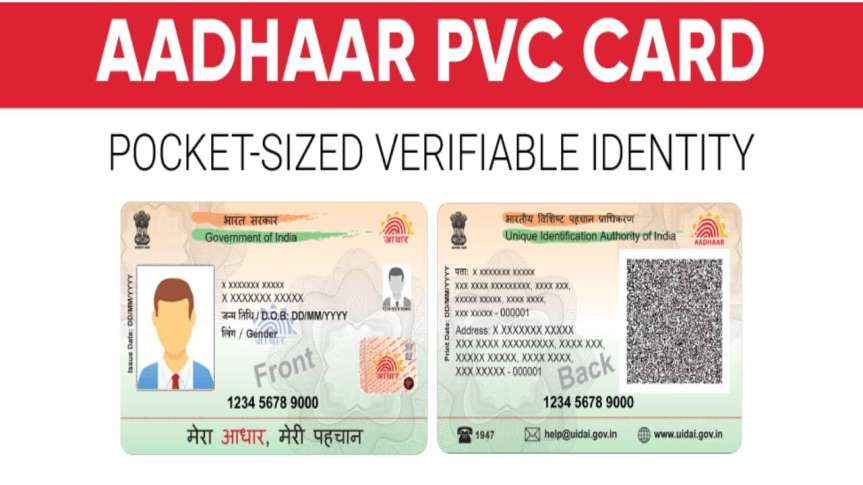
The UIDAI is mandated to assign a 12-digit unique identification (UID) number (Aadhaar) to all the residents of India.

As of 31st October 2021, UIDAI had issued 131.68 crore Aadhaar numbers.

What was the Initial Warning from UIDAI?

The UIDAI warned the “general public not to share photocopy of one’s Aadhaar with any organisation, because it can be misused”.

  • Rather, it recommended using “a masked Aadhaar, which displays only the last four digits of the Aadhaar number,”.
  • It also asked the public to avoid using public computers to download their e-Aadhaar.
  • In that case, they were reminded to “permanently delete” any downloaded copies of the same.
  • Only those organisations that have obtained a User License from the UIDAI can use Aadhaar to establish the identity of a person.
  • Moreover, hotels and movie theatres are not allowed to collect or maintain copies of the Aadhaar cards, due to the Aadhaar Act.

What are the Concerns related to Aadhaar?

Misuse of Aadhaar Data:

  • Many private entities in the country insist on an Aadhaar card, and users often share the details.
  • There’s no clarity on how these entities keep these data private and secure.
  • More recently with Covid-19 testing, many would have noticed that most labs insist on Aadhaar card data, including a photocopy.
  • It should be noted that it is not mandatory to share this for getting a Covid-19 test done.

Excessive Imposition:

  • In 2018, the Supreme Court ruled that Aadhaar authentication can be made mandatory only for benefits paid from the Consolidated Fund of India and that alternative means of identity verification must always be provided when Aadhaar fails.
  • Children were exempt but aadhaar continues to be routinely demanded from children for basic rights such as anganwadi services or school enrolment.

Arbitrary exclusions:

  • Central and state governments have made routine use of the “ultimatum method” to enforce the linkage of welfare benefits with Aadhaar.
  • In this method, benefits are simply withdrawn or suspended if the recipients fail to comply with the linkage instructions in good time, such as failing to link their job card, ration card or bank account with Aadhaar.

Fraud-prone Aadhaar-enabled Payment System (AePS):

  • AePS is a facility that enables someone who has an Aadhaar-linked account to withdraw money from it anywhere in India through biometric authentication with a “business correspondent” – a kind of mini-ATM.
  • There have been rampant abuses of this facility by corrupt business correspondents.

10 Indian YouTube Channels to watch – [PART-2]

Most Popular Indian YouTube Channels to watch

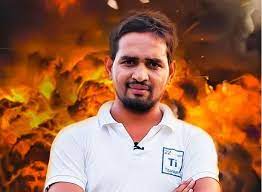
1. Mr Indian Hacker

Dilraj Singh Rawat

Dilraj Singh Rawat, born in 1996, is from Ajmer, Rajasthan. He launched his channel ‘Mr Indian Hacker’ in 2012. “Mr. Indian Hacker” is known for his exciting science experiment videos. He calls his subscribers “titanium army” as he believes we all have titanium in our blood. He always focused on gaining practical knowledge rather than theoretical knowledge. His experiment videos are fun, engaging, and at times even dangerous. Currently he has 25.8 Million Subscribers.

2. Emiway Bantai

Bilal Shaikh is a Mumbai Based Rap Artist. His songs and raps are super popular with the youth of the country. His street style accent and perfect flow of words made him people’s favourite in no time. His collaboration with another famous rapper, Raftaar, for the song #Sadak was his breakthrough. He launched his channel in 2013. Currently, he has 17.6 Million subscribers.

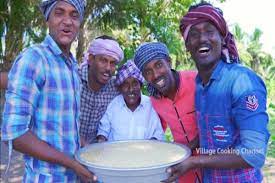
3. The village cooking channel- VCC

Periyathambi is the face of The village cooking channel. This 83 year old, Tamil Nadu based cook, has gone viral over the net. He has been cooking for the villagers for the past five decades. The channel has 16.7 Million subscribers currently. It was launched in 2018.

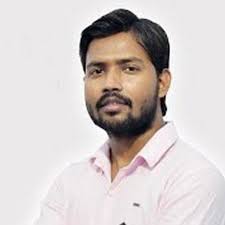
4.Khan GS Research Centre

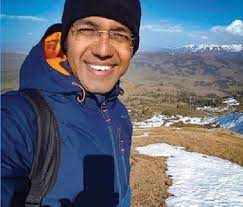
5. Mountain Trekker

Varun is a travel Vlogger. He posts travel hacks, tips and tricks for an amazing travel experience. He emphasizes on hacks for budget traveling so more and more people can explore the world. His videos are recorded in Hindi and document his thrilling experiences from different corners of the planet. Currently his channel has 1.55 Million subscribers.

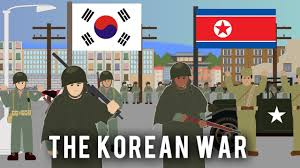
The Korean War! Why?

The Korean War started on June 25,1950 and ended in July 27,1953.

At the end of WorldWar2 in 19545, Korea was freed from Japanese control. North Korea was occupied by the soviets while South Korea was occupied by American forces.

By 1948, the country was divided in half at the 38th parallel with the capitalist south by Syngman Rhee and the communist north by Kim-il-Sung.

The soviet troops withdrew from Korea in 1948 and the US troops withdrew in 1949.

However North and South Korea as enemies of one another would not accept the border between them as permanent. The North Koreans attacked south Korea on June 25th, 1950. Advancing across the 38th parallel. Around 75,000 troops of the North Korean peoples army defeated the Republic of Koreans army with success, capturing the capital city of Seoul, then occupying the whole of South Korea except for Busan.

this was the problem, as the president Truman and the United States wanted to contain the spread of communism by preventing the domino effect i.e., if Korea fell, so would other countries to the ideology

South Korea appealed for support, and the United States pushed a resolution through the United nations Security Council. the USSR didn’t used its VETO power and it was boycotting the council because the new communist China was not accepted. In China’s seat was the pro-U.S Chinese Nationalist Government of Taiwan. An appeal was made by the Security Council for North Korea to withdraw its troops, but was ignored. As a result, approval was granted for UN army made of international force of 16 nations to send help to South Korea , commanded by general MacArthur.

The UN troops composed mainly of Americans, landed in South korea in early july, but were soon pushed back on defense by the North Korean forces, forming a perimeter around Busan to defend the line until reinforcements arrived in August.

On, September 15, the US Marines X Corps launched an amphibious assault at Inchon. The North Korean troops were pushed back on the retreat over the 38th parallel, and soon Seoul was recaptured along with the whole of South Korea by the end of the month.

On, October 12th they captured Pyongyang, the North Korean Capital and the Yalu River, which was the border with the communist China. China retaliated by helping North koreans by sending the Chinese troops. The UN troops were pushed over by the new forces with heavy losses.

Again by January 1951, Chinese and North Korean troops had captured Seoul. In june 1952, more US troops were sent to Korea, eventually driving the North Korea to 38th parallel and stabilizing the front.

in July, peace talks began, but there was no compromising. Meanwhile fighting continued and the American Pilots fought in the air against Soviet pilots using Chinese jet fighters.

General Dwight D Eisenhower took over as a president in early 1953 and sought an end to the war. After 2years of negotiations, and armistice was signed on July 27th, 1953 at Panmunjom, on the 38th parallel

A demilitarized zone was setup which stands till date.

MOB VIOLENCE AND LYNCHING

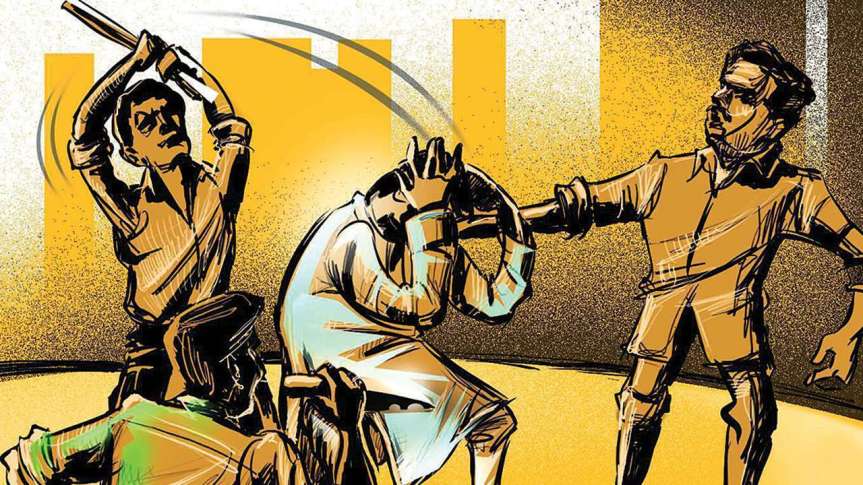
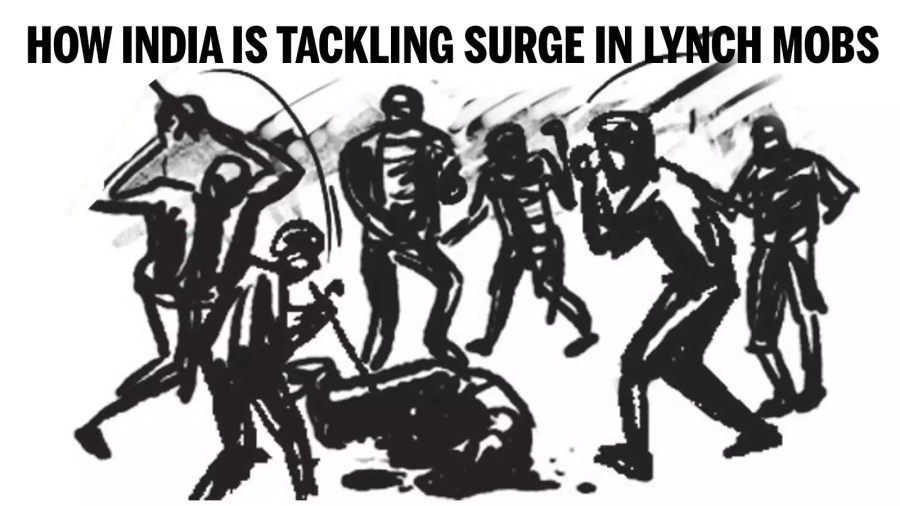
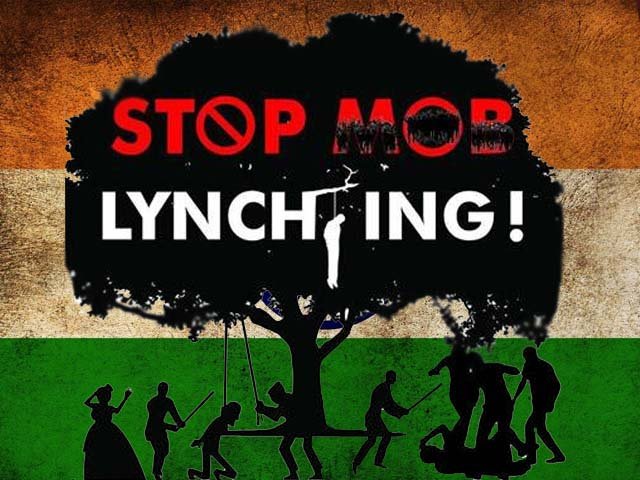
Mob Violence or Lynching is one of the major challenges to State authority. Though it can be done by group of people in rage, typically it involves vigilante group, i.e. self-appointed doer of justice, who keep watch over people and punish them in their own way (Vigilantism). In both forms, it goes against the rule of law and notion of a civilized society due to the destructive expression of emotions in it for immediate gratification.

About Mob Violence/lynching 

Mob Violence or Mob Lynching is defined as targeted homicidal aggression, including killing, against a person/s by a group of people or mob to Punish for a crime actually committed or mere suspicion based on allegations or misinformation.

Fundamentally, it is seen in two ways as- 

  • Defence of society, i.e. protest against anarchy, due to failure of law enforcement agencies in curbing the issues of cow theft, kidnapping, crimes etc. or 
  • Offence against society, i.e. return of anarchy, as it goes against the fundamental principle of law, i.e. what the law provides must be taken by lawful means. Self-appointed people holds no right to undertake law enforcement 

Ethically, it goes against the moral principles like fairness and reasonableness. If it is not controlled, it may give rise to social hatred with increased tendency of mass criminal outburst, ultimately leading to a state of anarchy.

Reasons behind Lynching

  • Religious Beliefs or Principles: Being a multi-religious society, the religious beliefs or principles play an important role with imposition of one’s beliefs on others.
  • Socio-cultural Influences: This includes the historical socio-cultural norms or moral principles which govern a person’s behaviour or attitude towards an action. E.g. From 2000-2012, nearly 2,097 lynching due to witchcraft were reported from 12 states of India. 
  • Feelings of Fear or Hate: Often, the rumours of being kidnappers or actual action of person/s give rise to lynching. E.g. the killing of Sadhus in Palghar on rumour.
  • Lack of trust in the efficacy of laws: Either due to dissatisfaction from implementation of laws or judicial delays, mob justice is seen by non-state actors as a discharge of public duty.

Solution to Lynching 

In Tehseen Poonawalla vs UOI (2018), Supreme Court issued preventive, remedial and punitive guidelines to deal with mob violence and lynching . Calling it a “horrendous act of mobocracy”, the Supreme Court also asked Parliament to establish lynching as a separate offence with punishment. Presently, it is mainly dealt under various sections of IPC with a handful of states taking legal initiatives.

  • Societal Approach: Regulation of social behavior is the first step to stop mob violence and protect rights conferred to the citizens.
  • Governmental Approach: Apart from bringing laws and guiding society on social behaviour, the government should apply emotional intelligence to handle conflicts with equal condemnation of social and political violence to avoid revenge tendencies. 
  • People-centric Approach: As the people make society and government, people must seek true freedom through a life based on reason (objectivity or rational will), self-control and virtues of empathy, compassion, and humanity.

Caste based Census

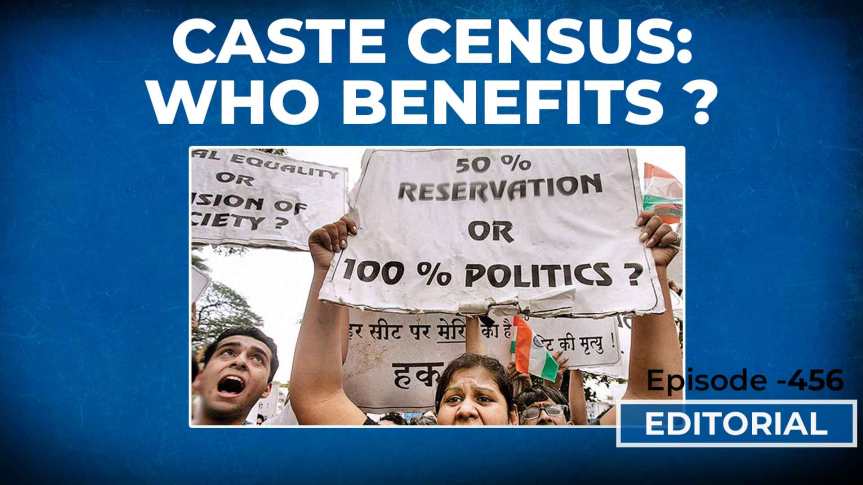
Bihar government has announced that it will undertake a socio-economic survey of all castes and communities (SECC). The Socio-Economic and Caste Census (SECC) was conducted in 2011 for the first time since 1931. SECC is meant to canvass every Indian family, both in rural and urban India, and ask about their:

  • Economic status, so as to allow Central and State authorities to come up with a range of indicators of deprivation, permutations, and combinations of which could be used by each authority to define a poor or deprived person.
  • It is also meant to ask every person their specific caste name to allow the government to re-evaluate which caste groups were economically worse off and which were better off.
  • SECC has the potential to allow for a mapping of inequalities at a broader level.

The Census provides a portrait of the Indian population, while the SECC is a tool to identify beneficiaries of state support. Since the Census falls under the Census Act of 1948, all data are considered confidential, whereas according to the SECC website, “all the personal information given in the SECC is open for use by Government departments to grant and/or restrict benefits to households.”

Pros

  • Helpful in Managing Social Equity Programmes: India’s social equality programmes cannot be a success without the data and a caste census would help fix that.
  • Due to the lack of data, there is no proper estimate for the population of OBCs, groups within the OBCs and more.
  • Census enumeration would yield a wealth of demographic information (sex ratio, mortality rate, life expectancy), educational data (male and female literacy, ratio of school-going population, number of graduates) and policy relevant information about economic conditions (house-type, assets, occupation) of the OBCs’.
  • A caste-based census could go a long way in bringing a measure of objectivity to the debate on reservations.

Cons:

  • Caste has an emotive element and thus there exist the political and social repercussions of a caste census. There have been concerns that counting caste may help solidify or harden identities.
  • Caste Is Context-specific: Caste has never been a proxy for class or deprivation in India, it constitutes a distinct kind of embedded discrimination that often transcends class. For example:
  • People with Dalit last names are less likely to be called for job interviews even when their qualifications are better than that of an upper-caste candidate.
  • They are also less likely to be accepted as tenants by landlords. Thus, difficult to measure.
  • Marriage to a well- educated, well-off Dalit man still sparks violent reprisals among the families of upper-caste women every day across the country.

10 Popular Indian YouTube Channels to watch- [PART -1]

YouTube is an American online video sharing and social media platform headquartered in San Bruno, California. It was launched on February 14, 2005, by Steve Chen, Chad Hurley, and Jawed Karim. It is owned by Google, and is the second most visited website, after Google Search.

YouTube is a free to use service and a can be a great space for teens to discover things they like. For many young people, YouTube is used to watch music videos, comedy shows, how to guides, recipes, hacks and more. Teens also use the video-sharing service to follow their favourite vloggers (video blogger), subscribe to other YouTubers and celebrities they are interested in.

When YouTube was created in 2005, it was intended for people to post and share original video content. But since then it’s also become both an archive for storing favourite clips, songs and jokes, as well as a marketing site for companies to promote their products.

Most Popular YouTube Channels to Watch

BB KI VINES

1. BB ki Vines

A Maharashtrian born in Vadodara, Gujarat, Bhuvan Bam launched ‘BB ki Vines’ (https://www.youtube.com/c/bbkivines) in 2015. Currently the channel has 25.4 Million subscribers. BB Ki Vines is a channel that chronicles the everyday happenings in the lives of BB and his family members.

TECHNICAL GURUJI

2. Technical Guruji

Ajmer born Gaurav Chaudhary, launched ‘Technical Guruji’ (https://www.youtube.com/c/Technicalguruji) in 2015. Currently the channel has 22.1 Million Subscribers. This is a channel that is for producing YouTube videos concerning technology in Hindi.

Actor Varun

3. Actor Varun

Varun Pruthi launched this channel with aims at making social experiments, inspirational and motivational videos. His channel has 4.21 Million Subscribers currently. (https://www.youtube.com/c/ActorVarun)

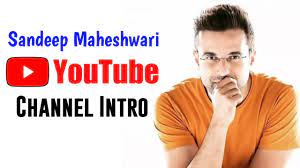
Sandeep Maheshwari

4. Sandeep Maheshwari

An Indian entrepreneur, photographer, and motivational speaker, Sandeep Maheshwari is a renowned name among youngsters. He is also the founder and CEO of Imagesbazaar.com, the largest collection of Indian stock images that have made him one of the fastest-growing entrepreneurs in India. Currently, his channel has 22.8 million subscribers. (https://www.youtube.com/c/SandeepSeminars)

Facttechz

5. Facttechz

Rajesh Kumar is a 20-year-old YouTuber who hails from West Bengal and has created over 500+ videos till now. His YouTube channel showcases topics related to mystery theories, culture, astronomy, tech, scientific facts, etc. This channel has 14.1 Million subscribers. (https://www.youtube.com/channel/UCGdPm5Aq081vVD7ih9jZf6Q)

The rest will be uploaded in the next blog…

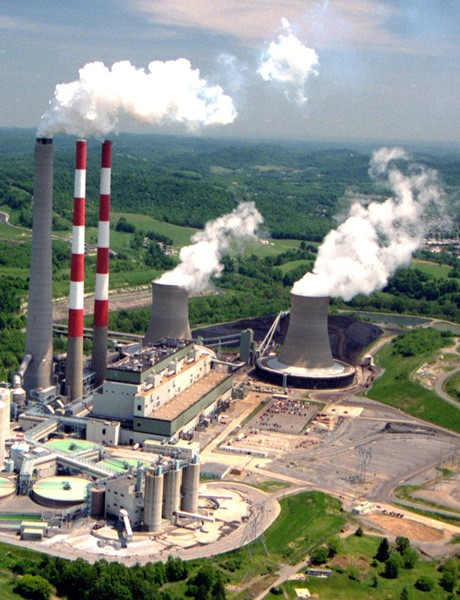
India expected to commission 10 thermal coal power plants in 2022-23, add 7,010 MW

India is expected to commission 10 thermal power units of an aggregate 7,010 MW capacity in fiscal year 2022-23 (April-March), the largest such addition since 2017-18, according to a status report by the federal power ministry released June 3.

Market participants believe the capacity addition may bode well for coal consumption in the coming years.Of the 7,010 MW capacity, 3,580 MW will be under the union government and 3,430 MW will be under various states.

Most of the upcoming generation units already have fuel supply agreements with various subsidiaries of state-run Coal India Ltd., according to Central Electricity Authority, or CEA.As much as 3,300 MW of upcoming capacity is expected to source coal from captive coal blocks allocated to these units, while the 1,600 MW Telangana plant will procure coal from state-run Singareni Collieries Company Ltd.

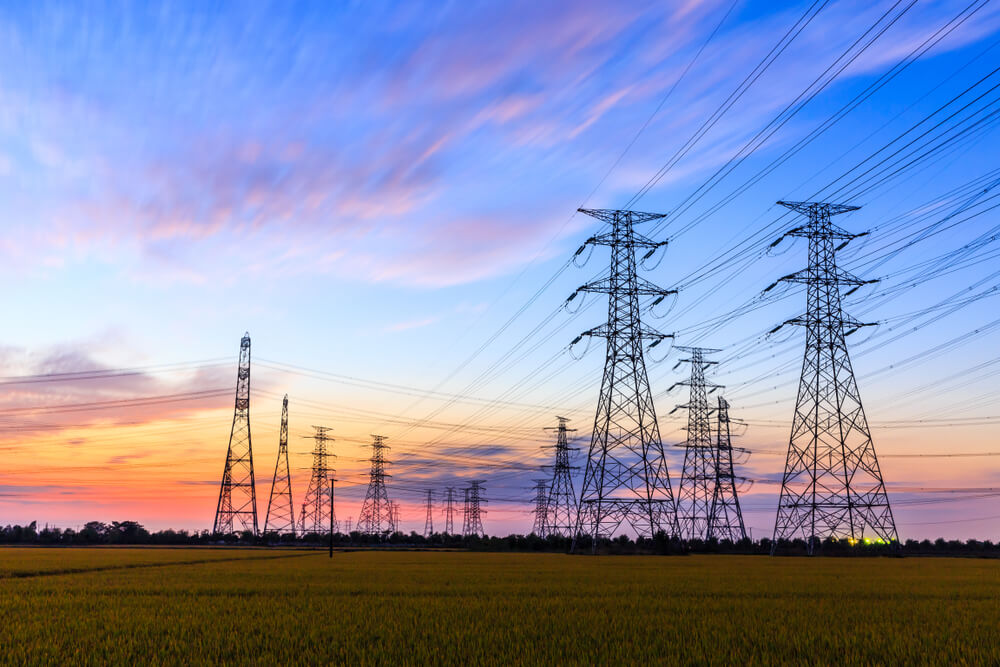
Essar Power to sell transmission asset to Adani for Rs 1,913 crore

Essar Power Transmission Company Limited (EPTCL), an arm of Essar Power, has 465-km transmission lines across three Indian states. The asset transacted is an operational 400 kV (kilovolt) inter-state transmission line linking Mahan in Singrauli, Madhya Pradesh to Sipat pooling substation in Bilaspur, Chattisgarh.

Essar Power Limited, has entered into a definitive agreement with Adani Transmission Limited (ATL) to sell one of its two transmission lines for Rs 1,913 crore, the companies said Friday.

Essar Power Transmission Company Limited (EPTCL), an arm of Essar Power, has 465-km transmission lines across three Indian states.

Punjab CM visits Moosewala's house to express condolences to family

Moosewala was shot dead by some unidentified assailants on May 29.

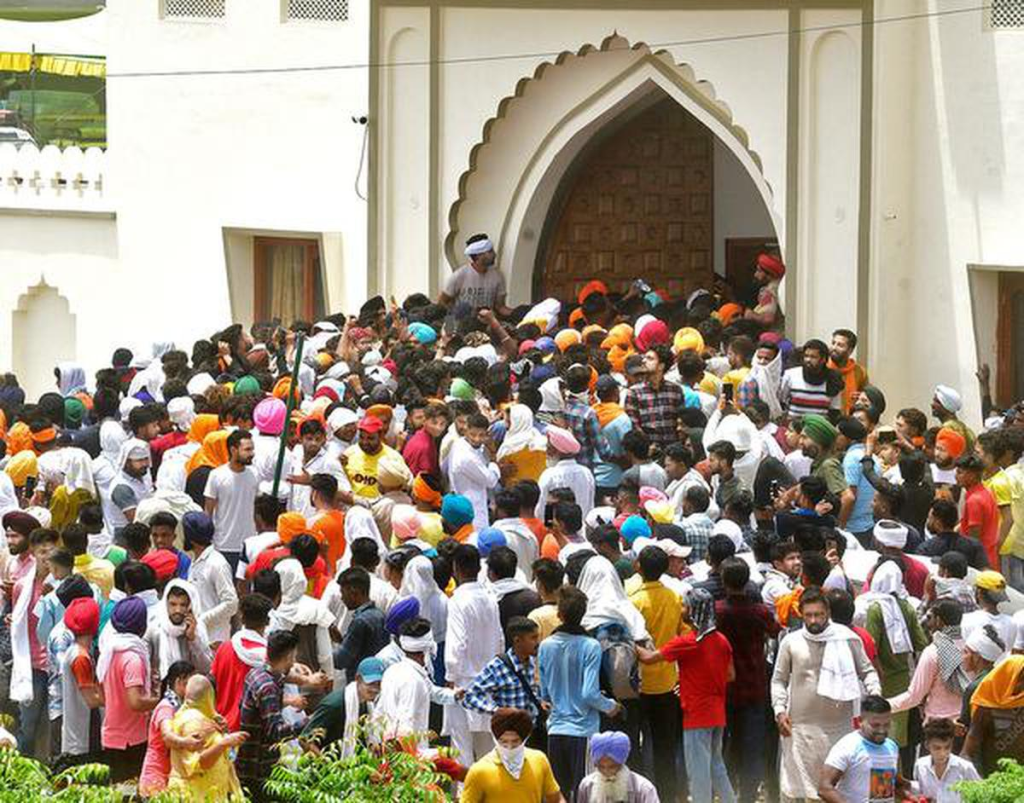
Punjab Chief Minister Bhagwant Mann on Friday visited the house of Sidhu Moosewala, days after the Punjabi singer was shot dead.

Mr. Mann reached Moosa village to express his condolences to the bereaved family. Heavy police security has been deployed outside the residence of Moosewala.

Punjab CM visits Moosewala’s house to express condolences to family

Moosewala was shot dead by some unidentified assailants on May 29.

Punjab Chief Minister Bhagwant Mann on Friday visited the house of Sidhu Moosewala, days after the Punjabi singer was shot dead.

Mr. Mann reached Moosa village to express his condolences to the bereaved family. Heavy police security has been deployed outside the residence of Moosewala.