

Physical geography is one of the two branches of geography viz., physical geography and human geography. In fact, the study of physical aspects of the earth represents the core of spatial science i.e., geography. Most of geographers have pleaded for bifurcation of geography into physical and human geography but it is rather unwise to ignore biotic aspect of the biospheric ecosystem of the earth and hence there should be trifurcation of geography into physical geography, human geography and biogeographyPhysical geography in terms of its meaning and definition, scope (subject matter) and methods of study has undergone sea-change in the past few decades. In the beginning, physical geography was defined as the study of only physical environment (namely reliefs, air and water) of the earth e.g., ‘the study of physical environment by itself is physical geography which includes consideration of surface relief of the globe (geomorphology), of the seas and the oceans (oceanography) and of the air (meteorology and climatology) (Arthur Holmes).
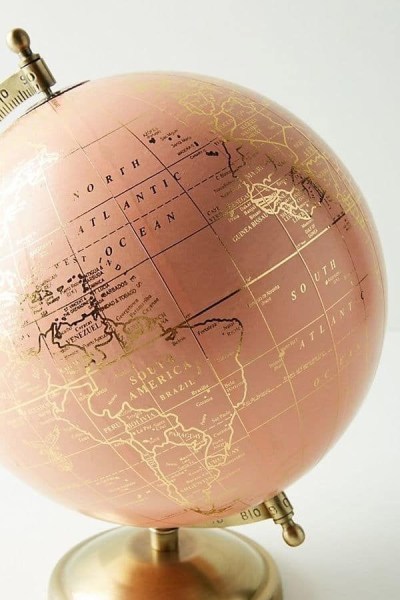
Physical geography was considered as the agglomeration of different branches of earth sciences or natural sciences viz., sciences of atmosphere (meteorology and climatology); science of seas and oceans (oceanography); science of solid earth (geology); science of soil (pedology); science of plants (botany) and science of landforms (geomorphology).As a distinct branch of geography physical geography studies the spatial patterns and spatial relationships of environmental components of the globe in regional context, it also studies the causes of regional patterns of such spatial relationships, simultaneously it incorporates the explanation of spatial and temporal changes of environmental components and causes thereof.The study of features resulting from the interactions between endogenetic and exogenetic forces involves the discussion of mode of denudational processes (weathering and erosion), hetherto termed as geomorphic processes, their mechanism of operation (machanism of erosion, transportation and deposition by running water-river, groundwater, sea waves, wind, glacier and periglacial agent) and resultant landforms.
The discipline of physical geography has evolved through successive stages of its development in terms of methodology and approaches to study. After taking its birth in the philosophical ideas and reports of ancient thinkers, philosophers and historians of the ancient seats of civilization and culture e.g., Greece, Rome and Egypt, the science of physical environment attained its present status wherein different components were added from time to time.
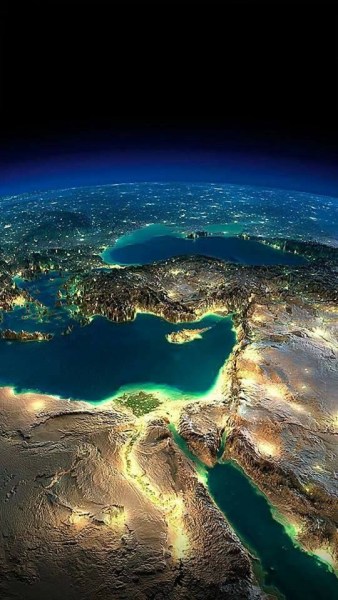
Geography is also memory. And loss of physical geography is also loss of narrative memory.

 Eduindex
You must be logged in to post a comment.